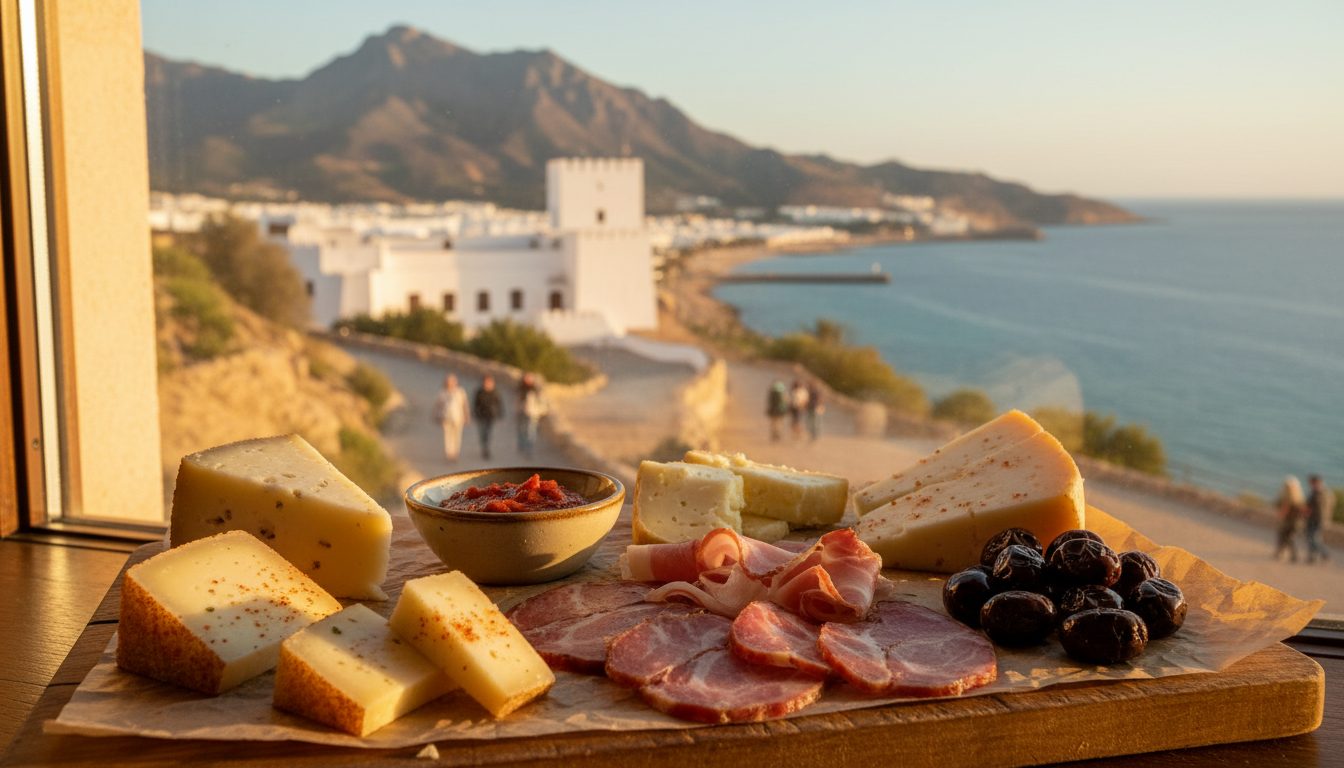
Almeria Food & Wine: Red Prawns, Free Tapas & Alpujarra Wines
Almeria’s food culture centres on gamba roja de Garrucha (red prawns), a free tapas tradition unique to Almería city and Andalusian-Alpujarra wines grown on the slopes of the Sierra Nevada. The region also produces much of Europe’s winter vegetables under its vast greenhouses and makes hearty wheat and rabbit dishes like gurullos, reflecting its historic poverty and ingenuity.
Here is a region that grows vegetables for half of Europe, pulls some of the best prawns in Spain from a working fishing port, and still hands you a free plate of something good every time you order a beer. Almeria does not shout about any of this. It has never needed to. While the rest of the Costa del Sol was perfecting the art of the overpriced sangria jug, Almeria quietly got on with being one of the more honest food destinations in Spain – a place where the cooking still tastes of where it comes from, which these days counts as a kind of luxury in itself.
This is not a province of flashy gastronomy or tasting menus with tweezers. It is a province of fishermen, shepherds and greenhouse farmers, and the food reflects that lineage – direct, seasonal, and better than its reputation suggests. If you only know Almeria as the backdrop to spaghetti westerns and the occasional desert film shoot, the food will come as a genuine surprise. For the wider context of where this fits into a visit, the Almeria Travel Guide covers the rest of the province in more detail.
Almeria Food and Wine at a Glance
- Signature dish: gamba roja de Garrucha (red prawns from the port of Garrucha)
- Local tradition: free tapas served with every drink in Almería city bars
- Wine region: Laujar de Andarax, in the Alpujarra Almeriense, some of the highest vineyards in mainland Europe
- Agricultural claim to fame: the greenhouse belt around El Ejido and Níjar, supplying vegetables across Europe through winter
- Best time for seafood: year-round, though autumn and winter prawns are prized for sweetness
- Best time for wine harvest: September, in the mountain villages above Laujar
Regional Cuisine of Almeria
Almeria’s cooking was shaped by scarcity long before it became shaped by abundance. This is Spain’s driest province, a place where farming once meant wringing a living from stone and dust, and the traditional dishes still carry that memory – wheat stews, rabbit, snails, salted fish, whatever the land or sea would actually give up. The arrival of the invernaderos, the plastic greenhouses that now cover more than 30,000 hectares of the coastal plain, changed the economics of the region entirely. Almeria became, almost overnight, one of Europe’s largest vegetable gardens – the tomatoes, peppers and courgettes on supermarket shelves from Berlin to Birmingham in January very likely grew under Almerian plastic. Locally, that produce simply ends up on the plate fresher and about a hundred food miles shorter.
The coastal towns lean on seafood, grilled simply and often, while the inland villages toward the Alpujarra and the Sierra de los Filabres hold onto the old mountain dishes – thick with pulses, wheat and cured pork. Almería city sits between the two worlds, which is reflected in its tapas bars serving everything from fried fish to rabbit stew without apparent contradiction.
Signature Dishes of Almeria
Gurullos con conejo is the dish most associated with the province – small hand-rolled pasta cooked with rabbit, often with a few snails thrown in, a dish that tastes considerably better than its slightly austere description. Migas, the fried breadcrumb dish found across inland Spain, appears here with its own regional stamp, served with grapes, melon or fried peppers depending on who is cooking it and how strongly they feel about tradition. Ajo colorao is a simple but good potato stew coloured and flavoured with dried red pepper, originally a fisherman’s dish eaten to stretch out a modest catch.
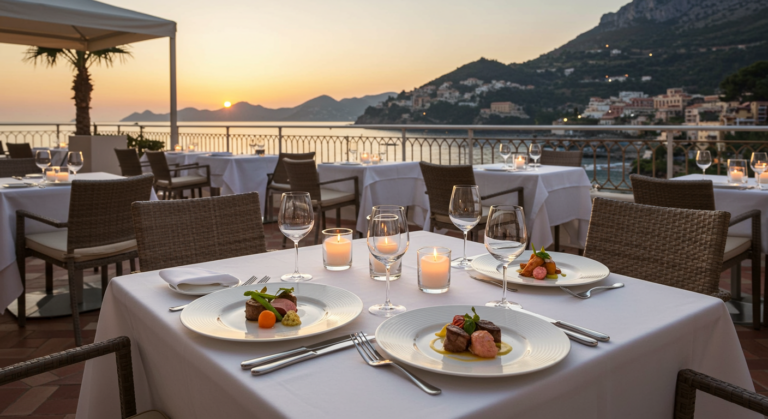
Then there is the seafood, and specifically the gamba roja de Garrucha – red prawns landed at the fishing port of Garrucha on the eastern coast, sold at auction each evening and considered among the finest prawns in Spain. They are served with almost theatrical restraint: lightly grilled or simply boiled, so the sweetness and iodine tang of the prawn itself does the work. Order them whole and eat the heads; anyone who tells you otherwise has never actually eaten here.
No account of Almerian eating is complete without mentioning the free tapa, a tradition that has mostly died out elsewhere in Spain but survives, defiantly, in Almería city. Order a beer or a glass of wine and a small plate arrives unbidden and unbilled – a slice of tortilla, a few olives, a bowl of something hot. It is not a gimmick. It is simply how the bars here have always worked, and it makes a slow afternoon of bar-hopping a genuinely economical way to eat your way around the city.
Almeria Wine: Laujar de Andarax and the Alpujarra
Almeria is not, and will probably never be, mentioned in the same breath as Rioja or Ribera del Duero, and the wine producers here seem entirely unbothered by that. The region’s wine country sits around Laujar de Andarax, a cluster of villages in the Alpujarra Almeriense on the southern flank of the Sierra Nevada, where vines grow at altitudes that would make a Burgundy grower nervous – some plots sit above 1,000 metres, among the highest vineyards on the Spanish mainland.
These cooler, high-altitude conditions produce wines with a freshness that is rare this far south. Local grapes include Vijiriego, a white variety largely confined to this corner of Andalusia, alongside more familiar Tempranillo and Garnacha for the reds. The wines tend to be small-production, often sold locally rather than exported, which means you are unlikely to find them on a supermarket shelf back home – all the more reason to drink them here, ideally with the lamb or rabbit dishes they were clearly designed to accompany.
Wine Estates to Visit in Almeria
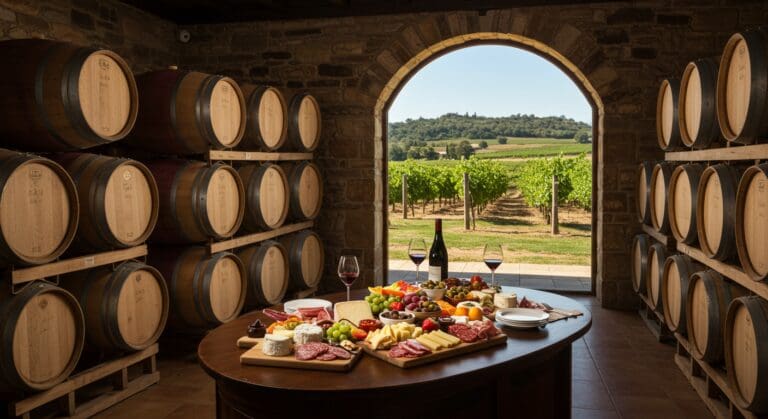
The wine route through the Alpujarra Almeriense is a loose, informal affair rather than a polished tourist trail, and that is part of its appeal. Small family bodegas in and around Laujar de Andarax open their doors for tastings, usually by arrangement rather than drop-in, and a visit tends to involve the winemaker themselves talking you through the harvest over a glass of whatever they are proudest of that year. Expect modest tasting rooms rather than architectural statements, cellars dug into hillsides, and an honesty about the challenges of making wine on terraces this steep and dry.
A morning spent touring these vineyards pairs naturally with lunch in one of the mountain villages nearby, where menus lean on local lamb, trout from the Sierra Nevada’s streams, and the region’s own olive oil. It is a slower, more conversational way to drink wine than most estate visits, and considerably less crowded than anything in the better-known Spanish wine regions.
Food Markets in Almeria
Almería’s markets are working markets, not stage sets, which is either a selling point or a mild disappointment depending on what you were expecting. Stalls sell what the fishermen and farmers have actually brought in that morning – boxes of red prawns still glistening from the port, mountains of peppers and tomatoes from the nearby invernaderos, hams hanging in rows, and cheese from the inland sierras. Wandering through with no plan beyond curiosity is, frankly, the best way to experience Almerian food culture before you have eaten a single thing.
Coastal towns hold smaller morning markets selling the overnight catch directly, and inland villages run weekly markets that double as a social occasion as much as a shopping trip. Either way, arrive early – the best produce and the best prawns do not hang around waiting for latecomers.
Cooking Classes in Almeria
Hands-on cooking experiences here tend to focus on exactly what the region does well – fresh fish cookery along the coast, and traditional stews and migas in the inland villages. Classes are generally small, often run from a home kitchen or a working farm rather than a purpose-built studio, and usually begin with a trip to a market or straight to the boats to choose the ingredients first. It is a practical, unfussy approach that suits the cuisine itself – nobody here is teaching foam.
For visitors interested in the greenhouse side of the story, some farms around the Níjar and El Ejido area offer visits explaining how the invernaderos work, which turns out to be a genuinely interesting hour even for those who came purely for the food.
Seasonal Specialities in Almeria: Seafood, Olive Oil and Greenhouse Produce
Seafood is available year-round, though locals will tell you the colder months bring the sweetest red prawns from Garrucha. Olive oil production centres on the inland sierras, with small mills producing oil from olives grown on terraces that have been farmed for centuries – look for oil labelled from the Sierra de los Filabres or Oria for the most distinctive local character. Table grapes have a particular history here too; the Ohanes variety, once grown extensively on the hillsides above the capital, was exported across Europe in the early twentieth century and remains a point of local pride even as production has shrunk.
The greenhouse harvest runs through autumn and winter, which is Almeria’s quiet paradox – the hottest, driest province in mainland Spain producing its most intensive vegetable crop precisely when everywhere else has gone cold and fallow.
Best Food Experiences in Almeria
If pressed to choose, the single best food experience here is simply an evening of tapas crawling through Almería city – a beer, a free plate, a wander to the next bar, repeat. It costs almost nothing, requires no reservation, and tells you more about how Almerians actually eat than any formal meal could. A close second is lunch in Garrucha itself, prawns fresh off the boats, eaten within sight of the port they came from. For something slower, a day trip into the Alpujarra Almeriense combining a vineyard visit with a mountain-village lunch shows a side of the province most coastal visitors never see – cooler, greener, and entirely unconcerned with the tourist season happening down on the beaches.
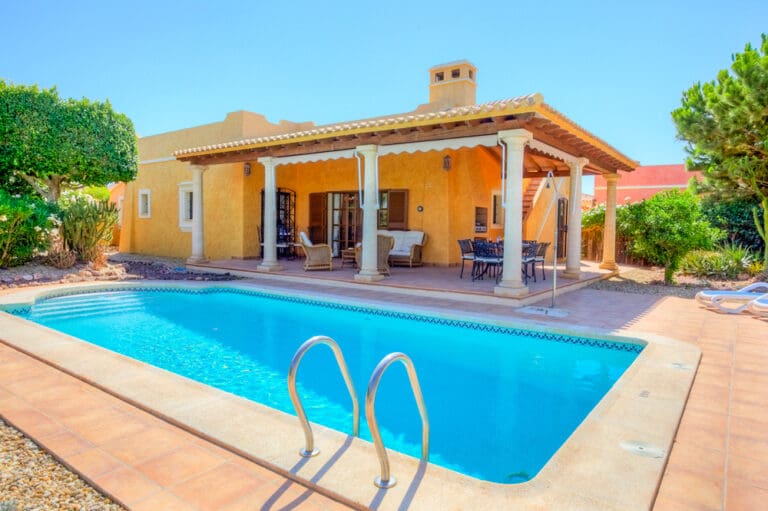
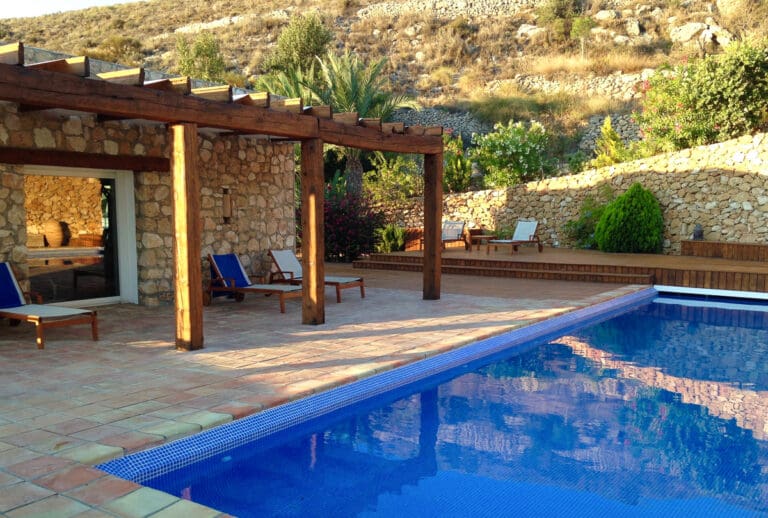
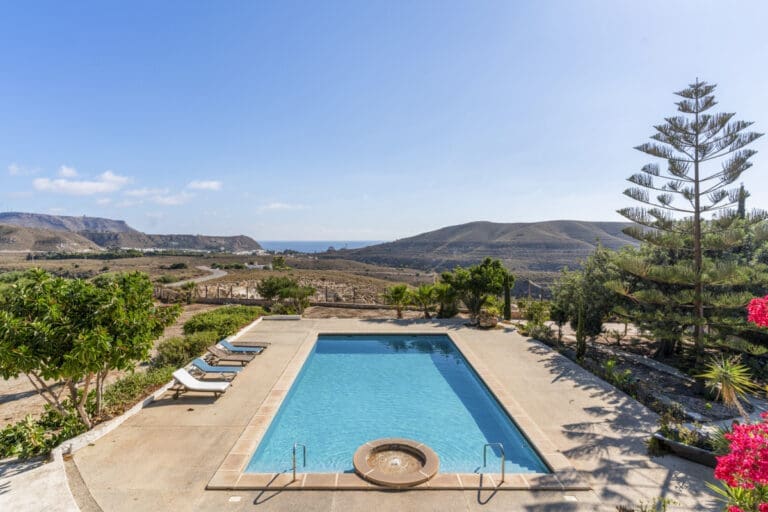
For those planning where to base themselves while exploring all of this, there are villas in Almeria within easy reach of both the coast and the wine country inland.
Almeria Food and Wine FAQs
What is the most famous dish from Almeria?
Gamba roja de Garrucha, the red prawn landed at the fishing port of Garrucha, is the dish most closely associated with Almeria, typically served simply grilled or boiled to let its natural sweetness come through.
Does Almeria have its own wine region?
Yes, the Alpujarra Almeriense around Laujar de Andarax produces wine from high-altitude vineyards on the Sierra Nevada’s southern slopes, including the locally distinctive Vijiriego white grape alongside Tempranillo and Garnacha.
Is free tapas really still a thing in Almeria?
Yes, Almería city retains a strong free tapas tradition, where ordering a drink automatically comes with a small complimentary plate of food, a custom that has largely disappeared elsewhere in Spain.
Keep reading
More on Almeria
Guides nearby in Southern Spain
Where to stay
Villas in Almeria
A selection from our 35 luxury villas in Almeria.