Best Time to Visit East Sussex: Bonfire Night, Downs & Rye
The best time to visit East Sussex is late spring (May to June) or early autumn (September), when temperatures sit around 16-20°C (61-68°F), the South Downs are at their most walkable, and the coast hasn’t yet filled up with day-trippers. Summer (July-August) is warmest, averaging 20-22°C (68-72°F), but also busiest and priciest, particularly along the coast. Winter is quiet, often damp, and good for low prices – except for one week in November, when the whole county seems to converge on Lewes with torches.
I will confess that my first visit to East Sussex was in February, in a waterproof clearly designed for a gentler climate than it actually encountered, and I loved it anyway – which tells you rather a lot about this place. East Sussex does not need good weather to be worth visiting. It helps, obviously, in the way that icing helps a cake, but the chalk cliffs, the Downs and the Georgian towns were doing their thing long before anyone thought to build a seaside promenade, and they will go on doing it regardless of what the sky decides. For a broader introduction to the region, the East Sussex Travel Guide is the place to start. This page is for anyone trying to work out, with slightly more precision, when to actually turn up.
East Sussex Weather at a Glance
Spring: mild, bright, unpredictable – 10-16°C (50-61°F). Summer: warmest and busiest – 18-22°C (64-72°F), occasionally higher. Autumn: crisp mornings, good light, fewer people – 12-18°C (54-64°F). Winter: cold, wet, quiet – 2-7°C (36-45°F). Rain is possible in every month, which is simply a fact of English weather rather than a personal failing on East Sussex’s part.
Spring in East Sussex (March to May)
Spring arrives in East Sussex the way most good things do here – gradually, then suddenly. March can still be raw, with temperatures hovering around 8-10°C (46-50°F) and a wind off the Channel that finds every gap in your coat. By May, though, the county has warmed to a genuinely pleasant 13-16°C (55-61°F), the bluebells are out in the woodland around Ashdown Forest, and the South Downs turn a shade of green that photographs rather better than February’s mud ever did.
Crowds are light through March and building steadily by late May, especially around bank holidays. Prices for accommodation sit below summer rates, though they climb noticeably once the open-air opera season near Lewes gets underway and country-house gardens open for the year. Walkers tend to arrive in May specifically for the combination of mild air and firm, dry paths – a window that doesn’t last. Spring suits anyone who wants the Downs without sharing them, and anyone sensible enough to book a coastal walk before the school summer holidays fill the car parks.
Summer in East Sussex (June to August)
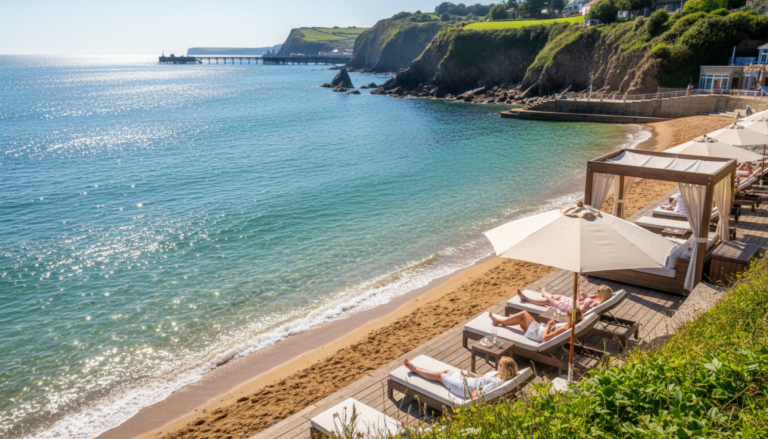
Summer is East Sussex at its most confident, and its most crowded. Temperatures run 18-22°C (64-72°F) on an average day, with the occasional proper heatwave pushing past 25°C (77°F) – at which point the entire coastline behaves as though it has never seen sun before, which, to be fair, some years it hasn’t. July and August bring the longest days, the warmest sea (relatively speaking; this is still the English Channel, not the Aegean), and the fullest calendar of festivals, from open-air opera performances to seafront airshows and village fetes that take their cricket teas very seriously indeed.
This is also when East Sussex is busiest and most expensive. Rye’s cobbled lanes get genuinely congested by midday, coastal car parks fill before 10am, and restaurant tables near the seafront require a plan rather than a hope. Everything is open – gardens, historic houses, ice cream kiosks working at full tilt – but so is everyone else’s diary. Summer suits families working around school holidays, anyone who wants a proper swim rather than a bracing dip, and travellers happy to trade elbow room for long evenings and a full events calendar.
Autumn in East Sussex (September to November)
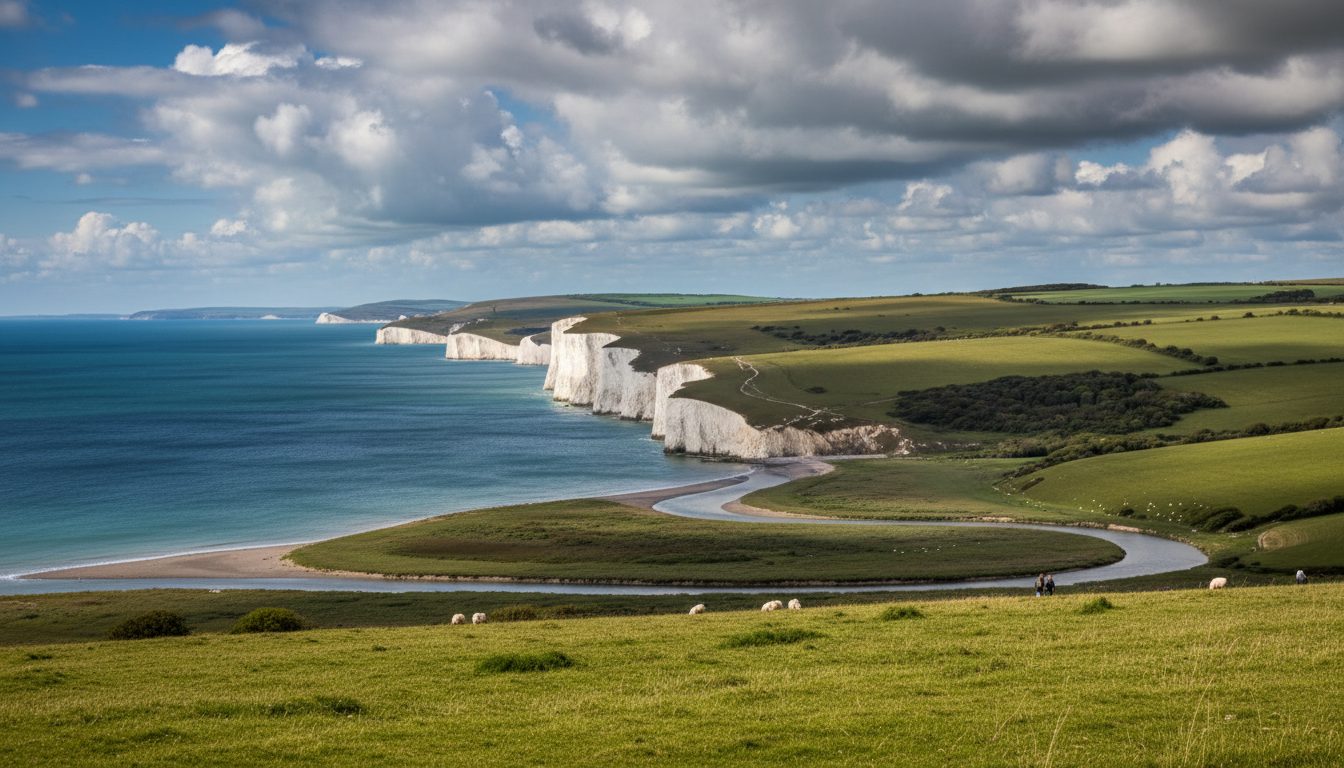
September is, by general agreement among people who actually live here, the best-kept secret of the East Sussex year. The sea has had all summer to warm up, temperatures still sit at a comfortable 16-18°C (61-64°F), the crowds have gone back to school, and the light along the Seven Sisters turns a particular gold that photographers chase and occasionally get lucky with. October cools things to 12-15°C (54-59°F) and brings the first proper autumn colour to the Weald; by November it’s 7-10°C (45-50°F), coats are back on, and the county’s one unmissable event of the calendar takes over an entire town for a single evening – Lewes on Bonfire Night, when thousands turn out to watch torchlit processions and bonfire societies march through streets that seem far too narrow for the occasion.
Prices drop steadily through autumn, and accommodation outside that one Lewes weekend is both cheaper and easier to find than in summer. Most historic houses and gardens begin closing for the season by late October or November, so check ahead if a particular property is the point of your trip. Autumn suits walkers who prefer cool air to warm crowds, photographers chasing low light, and anyone who would rather watch a Sussex bonfire parade than queue for an ice cream.
Winter in East Sussex (December to February)
Winter here is honest about what it is: cold, often grey, and prone to rain that arrives sideways off the Channel. Average temperatures run 2-7°C (36-45°F), with proper frost not uncommon inland on the Downs. Days are short, the coast can feel wind-scoured and faintly dramatic, and more than a few cafés and attractions scale back their hours or close altogether until spring. This is unapologetically the quiet season.
It is also, for a certain kind of traveller, the best one. Prices fall to their lowest point of the year, the Seven Sisters cliffs look genuinely formidable under a winter sky, and towns like Rye and Hastings – overrun in August – return to something closer to their actual, lived-in selves. Christmas markets and seasonal events bring brief pockets of activity in December. Winter suits walkers who don’t mind mud, writers and painters chasing moody light, and anyone who finds a near-empty beach more appealing than a full one.
Shoulder Season in East Sussex: Why It’s Worth the Gamble
If East Sussex has a sweet spot, it’s the fortnight either side of the main summer surge – late May into early June, and the first three weeks of September. Weather in both windows is reliably mild (16-20°C / 61-68°F), accommodation prices sit well below peak, and the Downs, coast path and historic towns are busy without being besieged. Restaurants take bookings rather than requiring them a fortnight in advance, and car parks at the more popular viewpoints still have space by mid-morning.
The trade-off, such as it is, comes down to weather risk: shoulder season in England is never a guarantee, and a week of rain is always possible. But the odds are reasonably good, the savings are real, and the crowds are a fraction of August’s. For anyone weighing flexibility against certainty, this is where East Sussex rewards the slightly less rigid itinerary.
Best Time to Visit East Sussex by Traveller Type
Families with school-age children are, practically speaking, tied to summer, when the weather is warmest and every attraction is running at full capacity – accept the crowds as the price of admission. Walkers and cyclists get the best conditions in late spring and September, when the Downs are dry but not parched and the air is cool enough for serious distance. Food and festival travellers should aim for summer’s events calendar or the specific, slightly chaotic thrill of Bonfire Night in Lewes come November. Anyone chasing value and quiet, meanwhile, should look at winter or the deep end of autumn, when prices drop and the coast gets its character back.
Once you’ve settled on a season, the next question is simply where to base yourself – and that’s covered separately among the villas in East Sussex.
East Sussex Weather and Seasons FAQs
Does it rain a lot in East Sussex?
Rain is possible year-round, as it is across most of southern England, with autumn and winter the wettest periods. Spring and early summer tend to bring the driest, most settled stretches, though no month is entirely rain-proof, so a packable waterproof is sensible whenever you travel.
What is the warmest month in East Sussex?
July and August are typically the warmest months, with average temperatures of 20-22°C (68-72°F) and occasional warmer spells pushing past 25°C (77°F). These months also bring the longest daylight hours and the busiest coastal towns.
Is East Sussex worth visiting in winter?
Yes, for travellers who don’t mind cold, often grey conditions. Winter brings the lowest prices, the fewest crowds, and dramatic light on the coastal cliffs, though some historic houses, gardens and seasonal attractions reduce their hours or close until spring.
Keep reading
More on East Sussex
- Travel guideEast Sussex Travel Guide
- RestaurantsBest Restaurants in East Sussex
- Food & wineEast Sussex Food & Wine
- FamiliesEast Sussex with Kids
Guides nearby in United Kingdom
Where to stay
Villas in East Sussex
A selection from our 56 luxury villas in East Sussex.