Hampshire Food & Wine Guide: Local Cuisine, Markets & Wine Estates
Hampshire’s food and wine centres on chalk-grown sparkling wine, watercress from the Alresford area, oysters and seafood from the Solent and New Forest game and pork. The county’s wine estates, farmers’ markets and seasonal produce – particularly watercress in spring and oysters in the colder months – make it one of England’s more serious food destinations rather than a mere stopover between London and the coast.
It starts, ideally, with watercress on toast and strong tea in a kitchen that smells faintly of woodsmoke, the kind of breakfast nobody plans but everyone remembers. By mid-morning you’re standing in a chalk-floored vineyard somewhere near Hambledon, glass in hand at an hour that would raise eyebrows anywhere else, nodding sagely as someone explains why this particular slope produces fruit that could, with a squint and a following wind, pass for Champagne. Lunch is oysters, eaten standing up, possibly in the rain, definitely worth it. By evening you’re working through a plate of New Forest venison in a pub that has clearly not updated its carpet since the Thatcher era and has absolutely no plans to. This is Hampshire food and wine in a single day – unshowy, genuinely good, and rarely trying too hard to convince you of either.
Hampshire Cuisine: What the County Actually Eats
Hampshire’s food identity is built on three landscapes doing quite different things within a county that measures barely fifty miles across. There’s the chalk downland and river valleys of the Test and Itchen, famous for watercress and trout. There’s the New Forest, which contributes pork, venison and foraged ingredients with the quiet confidence of somewhere that’s been feeding itself this way for nine hundred years. And there’s the Solent coastline, which supplies oysters, crab and a reliable stream of fish that never has far to travel from boat to plate.
This isn’t a county that reinvents itself for tourists. Menus here tend toward the unfussy – a ploughman’s that actually contains proper cheese rather than a sad wedge of cheddar, game pies with pastry that means business, and fish so fresh it barely needs seasoning. The cooking leans traditional English with occasional French polish, a legacy of the county’s long relationship with Normandy traders and, more recently, its wine ambitions. You won’t find culinary fireworks on every corner, but you will find food that tastes distinctly of where it’s standing – which, these days, is no small thing.
Signature Dishes in Hampshire
Watercress is the dish that keeps turning up, in soup, in salads, folded into omelettes or simply piled onto a sandwich with too much butter – which is, frankly, the correct amount. The Alresford area has grown watercress commercially since Victorian times, when it travelled to London on what became known as the Watercress Line, and the crop still defines the region’s early-summer table.
New Forest pork and venison appear constantly, often slow-cooked and served with root vegetables that clearly haven’t travelled far either. Solent oysters and crab turn up raw, grilled or in a simple bisque, and Hampshire’s rivers still produce trout worth ordering without a second thought. For something sweeter, look for anything involving local honey or apples, the latter occasionally finding their way into a proper cider rather than the sugary supermarket sort. None of this is complicated food. It doesn’t need to be.
Hampshire Wine: Chalk, Sparkling and the New English Wine Country
Hampshire sits on the same band of chalk that runs under Champagne, a geological coincidence the county has been quietly capitalising on for decades. The area around Hambledon is often credited as the birthplace of modern English sparkling wine, with commercial planting here dating back to the early 1950s – long before “English fizz” became something sommeliers said with a straight face.
The results today are genuinely good rather than merely plucky. Chardonnay, Pinot Noir and Pinot Meunier thrive on these free-draining slopes, producing traditional-method sparkling wines that have started winning blind tastings against their French cousins, much to the mild horror of certain wine writers across the Channel. Still wines exist too, lighter and more mineral than you’d expect, though sparkling remains the county’s calling card. It’s worth remembering that English wine is still a young industry finding its feet – expect enthusiasm and genuine craft rather than centuries of polished tradition, and you’ll enjoy it considerably more.
Wine Estates to Visit in Hampshire
Several family-run vineyards across the Hampshire downs now welcome visitors for tours and tastings, typically set among vines with views across rolling chalk country that looks disarmingly like Burgundy with better weather, or at least weather it talks about less. Most offer guided walks through the vineyard followed by a tasting of several vintages, usually sparkling, sometimes a crisp still white.
Visiting in late summer means seeing the vines heavy with fruit just before harvest; come in spring and you’ll get the buds and the optimism, with staff more willing to chat since they’re not yet mid-harvest and exhausted. Booking ahead is sensible, as many estates are small operations run by people who are also, that day, probably also driving the tractor. Tastings are rarely free, which seems entirely fair given what’s in the glass, and most estates sell bottles on-site – useful, since Hampshire sparkling wine isn’t always easy to find much beyond the county border.
Food Markets in Hampshire
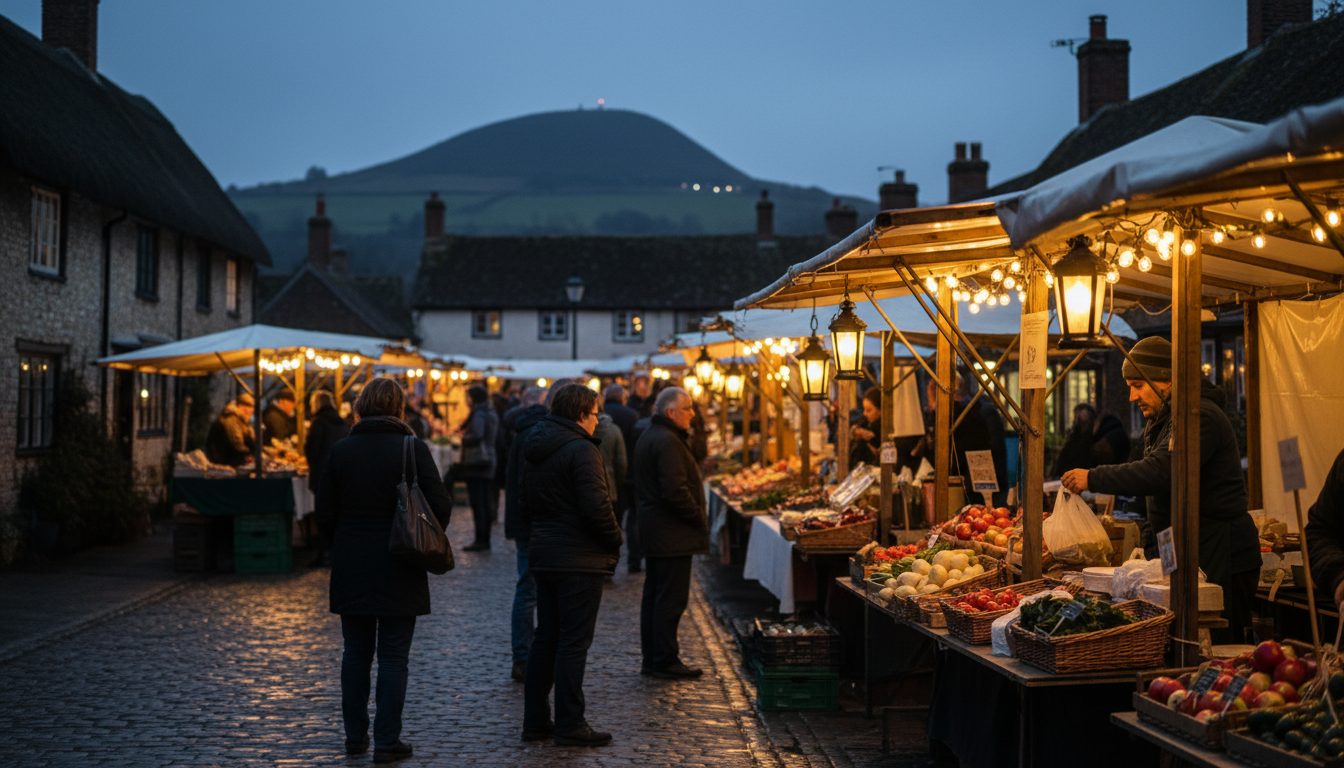
Winchester hosts one of the largest regular farmers’ markets in the country, held on the second and last Saturday of each month, with stalls spilling down the high street selling everything from local cheese to game, bread and seasonal vegetables. It’s the kind of market where you arrive meaning to browse and leave carrying three types of chutney you didn’t know you needed.
Alresford holds its own celebrations around the watercress harvest, drawing crowds for a produce-heavy festival that treats the humble peppery leaf with a seriousness bordering on reverence. Smaller town markets appear across the county on a rotating basis, generally strongest from late spring through autumn, and tend to favour producers who can tell you exactly which field something came from. Arrive early for the best of the fish and cheese stalls – by eleven, the serious shoppers have already cleared the good stuff.
Cooking Classes in Hampshire
Hands-on cookery courses across the county tend to focus on what’s genuinely local – working with New Forest game, Solent seafood or seasonal vegetables from the Test Valley rather than teaching dishes with no real connection to the place. Many are held on working farms or smallholdings, often pairing a morning in the kitchen with a walk to see where the ingredients actually grow, which has a way of making you take the whole thing more seriously than a standard city cookery school ever manages.
Courses range from half-day bread or charcuterie workshops to full-day menus built around a single season, such as game in autumn or asparagus and watercress in late spring. Numbers are usually kept small, which suits the hands-on style, and most include a shared lunch of whatever’s just been cooked – rarely a hardship, given the ingredients involved.
Seasonal Food in Hampshire: Watercress, Oysters and Game
Spring belongs to watercress and the first asparagus from the chalk valleys, both arriving with the kind of fanfare usually reserved for royal visits. Summer brings soft fruit, salad crops and the vineyards’ quieter growing season, followed by late-summer harvest when the estates turn properly industrious. Autumn is game season proper – pheasant, partridge and venison from the New Forest appearing on menus with satisfying regularity, alongside apples destined for cider presses.
Winter sharpens the focus on Solent oysters and other shellfish, best enjoyed when the air is cold enough to make the contrast with a chilled glass of Hampshire sparkling feel entirely sensible rather than slightly mad. There’s no genuinely poor season for eating well here, though autumn arguably offers the widest spread of produce at once – a useful thing to know if you’re planning around appetite rather than scenery.
Best Food Experiences in Hampshire
The single best food experience in the county is probably the simplest: a tasting at a chalk vineyard followed by lunch nearby built around whatever the kitchen bought that morning. Few things explain Hampshire’s food identity better than watching a winemaker pour something genuinely excellent while mildly apologising for England’s reputation – a reputation the glass in your hand is quietly, confidently dismantling.
Pair a morning at Winchester’s farmers’ market with an afternoon walk along the Itchen or Test, then finish with oysters by the Solent as the light goes – a day that costs relatively little and delivers rather a lot. For context on where these experiences sit within the wider county, the Hampshire Travel Guide covers the landscapes and towns that frame all this eating and drinking.
For those planning where to base themselves while exploring Hampshire’s food and wine, see villas in Hampshire.
Hampshire Food and Wine FAQs
When is the best time to visit Hampshire for food and wine?
Late spring through autumn is strongest, with watercress and asparagus in May and June, vineyard harvests in September, and game season running from autumn into winter. Winter suits oyster lovers, while summer offers the mildest weather for vineyard visits.
Is Hampshire sparkling wine actually comparable to Champagne?
Hampshire shares the same chalk geology as Champagne and grows the same core grape varieties, producing traditional-method sparkling wines that have performed well in blind tastings against French equivalents. Style and quality vary between producers, so it’s worth tasting several rather than judging the whole county on one bottle.
Do I need to book ahead for Hampshire vineyard tours?
Yes, most Hampshire vineyards are small, family-run operations with limited tasting slots, particularly during harvest season in September. Booking a few days ahead, or further out for weekend visits in peak summer, is sensible to avoid disappointment.
Keep reading
More on Hampshire
- Travel guideHampshire Travel Guide
- When to goBest Time to Visit Hampshire
- RestaurantsBest Restaurants in Hampshire
- FamiliesHampshire with Kids
Guides nearby in United Kingdom
Where to stay
Villas in Hampshire
A selection from our 50 luxury villas in Hampshire.