Ireland with Kids: Castles, Coastlines & Sheep-Dotted Farms
Ireland is one of Europe’s easiest destinations for a family holiday, thanks to short driving distances, English-speaking locals, free entry to most national museums, and a landscape built for wonder rather than endurance. Families with toddlers tend to favour the gentler southwest coast and Dublin’s parks, while older children gravitate toward castles, caves, and the dramatic cliff walks of the west and north. Rain is a near-daily possibility, so a flexible itinerary with indoor backup plans works far better than a rigid one.
Most countries that market themselves as “family-friendly” mean they have a kids’ menu and a pool. Ireland means something slightly different – it means a place where nobody blinks if your toddler has a meltdown in a pub, where a four-year-old can chase sheep across a hillside without a single adult reaching for hand sanitiser, and where the national obsession with talking to strangers extends generously to small, grubby strangers who want to know why the donkey has such long ears. No other country manages quite this particular blend of wildness and warmth – rugged enough to feel like an adventure, domesticated enough that nobody’s going to need a tetanus shot.
This guide sits alongside our broader Ireland Travel Guide and focuses purely on the practical business of travelling here with children – where they’ll be happiest, what to avoid, and how to survive the inevitable rain.
How Ireland Works for Families
Ireland’s great advantage for families is its size, or rather its lack of it. You can drive from Dublin to the west coast in under three hours, which means ambitious itineraries don’t require the logistical planning of a military campaign. Distances between attractions are short, which matters enormously when travelling with anyone under the age of ten and a bladder the size of a grape.
The culture helps too. Irish pubs, counterintuitively, are some of the most relaxed places to bring children during the day – most serve food until early evening and genuinely welcome families, especially outside Dublin’s city centre. Locals are, by and large, unbothered by noise, mess, or the sight of a child having a very public opinion about their lunch. There’s a national fondness for children that isn’t performative – it’s just how people are.
The one honest downside is weather. Ireland does not do reliable sunshine, and a holiday built entirely around beach days will occasionally be rained on, sometimes four times before breakfast. Pack for all four seasons regardless of when you’re travelling, and build slack into your plans. The country rewards flexibility far more than it rewards a tight schedule.
Best Family Beaches in Ireland
Ireland’s beaches are not the Caribbean, and nobody pretends otherwise – the water is bracing even in August, and “going for a swim” is as much a dare as an activity. What they offer instead is space, cleanliness, and a lack of crowds that beaches in warmer countries can only dream of.
The southwest, around County Kerry and West Cork, has gentle, shallow bays that suit younger children well, with calm water and soft sand that doesn’t require a geology degree to navigate. The Dingle Peninsula combines a sandy beach with regular sightings of a local wild dolphin that has made something of a career out of appearing near boats and swimmers – a reliable source of excitement for children who have grown tired of looking at scenery.
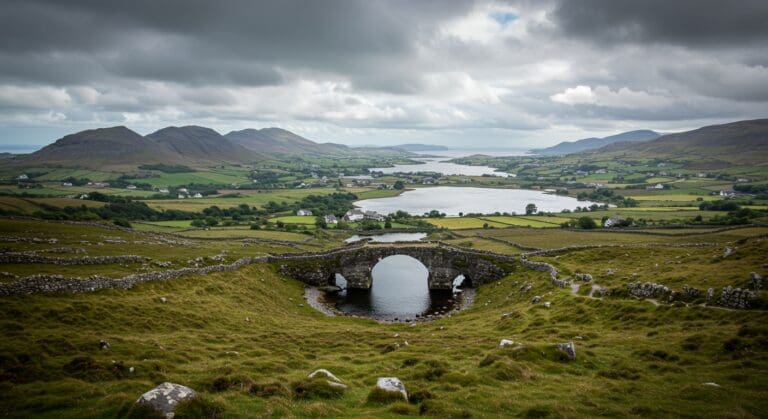
Further west, County Clare and County Galway offer wilder, more dramatic coastline – better suited to older children who enjoy rockpooling, kite-flying in what is politely described as “a stiff breeze,” and building sandcastles that will, within the hour, be reclaimed by the Atlantic. Bring windbreaks, bring layers, and bring low expectations about actually getting in the water. The paddling will happen regardless of temperature; this is a universal law of childhood.
Child-Friendly Restaurants in Ireland
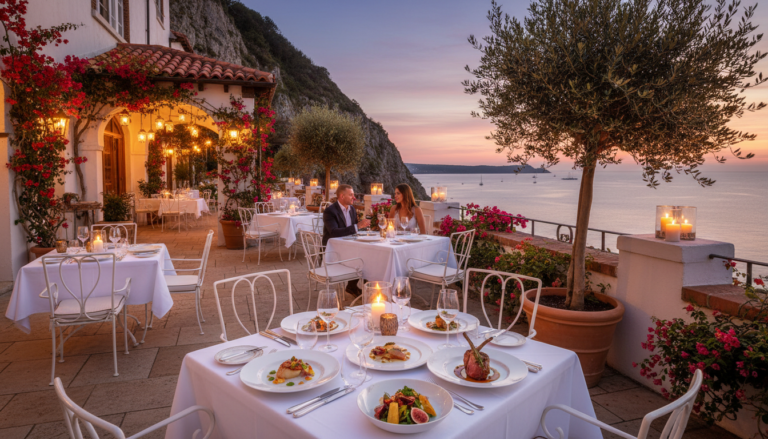
Irish dining has moved on considerably from the era when “children’s menu” meant beige food in three forms. Most restaurants outside the very top end are genuinely relaxed about families, and high chairs appear without fuss or passive-aggressive sighing. Seafood towns along the west and south coasts tend to do particularly well by families, since a plate of simply cooked fish and chips satisfies both a four-year-old and a food-curious teenager with minimal negotiation.
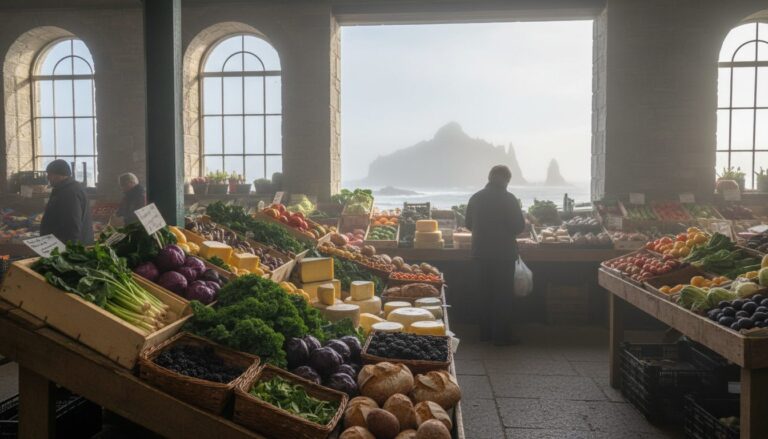
Farm-to-table cafés, common in rural areas, are often a better bet for younger children than formal restaurants – they tend to have gardens, slower service that doesn’t matter because there’s space to run around, and simple, well-made food using local dairy, which in Ireland is genuinely excellent and worth the slight detour from whatever diet applied at home.
In towns and cities, early evening is the sweet spot for family dining – restaurants are quieter, staff are less rushed, and nobody minds if dinner takes ninety minutes because someone is colouring in the back of the menu. Sunday lunches, a long-standing Irish institution, are a particularly good value option and usually come with a roast that will please even a committed vegetable sceptic, provided potatoes count.
Things to Do in Ireland with Kids
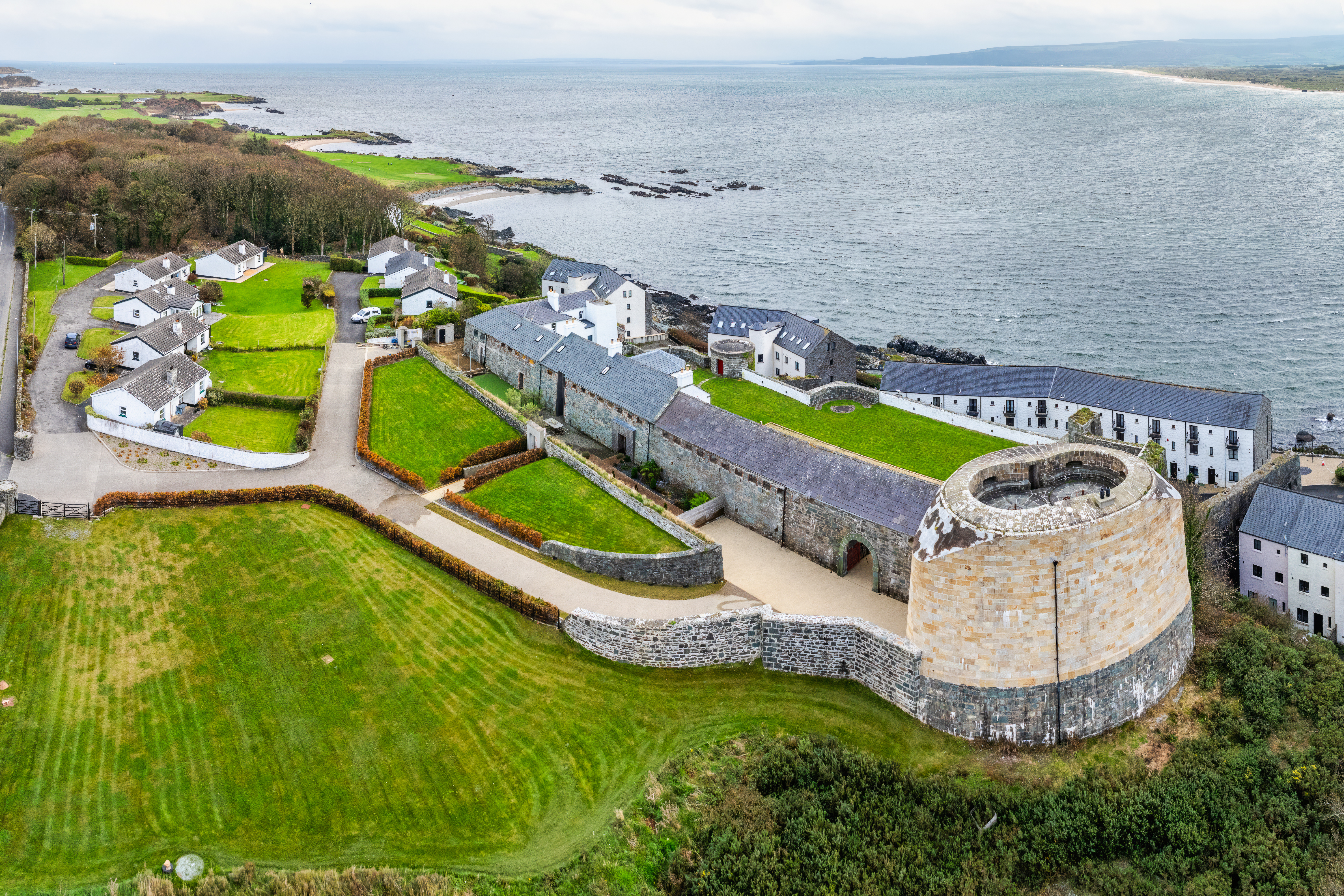
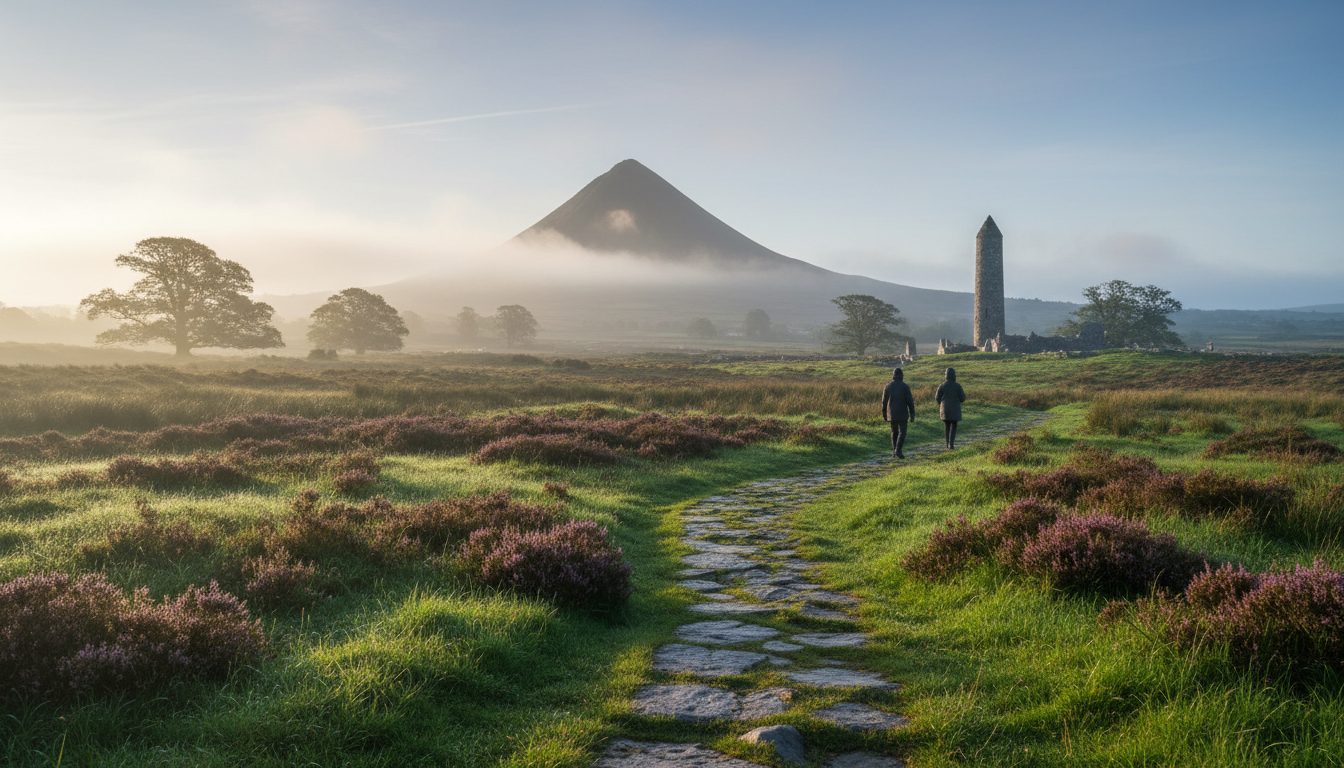
Castles are, unsurprisingly, a reliable hit – Ireland has an enormous number of them, in various states of repair, and children have an almost pathological love of ruins they’re allowed to climb on. Many have grounds large enough for a genuinely exhausting run-around, which is worth more to a parent than any audio guide.
The coastline itself is an attraction in its own right. The dramatic cliffs of the west coast – vast, green, and genuinely vertiginous – impress children in a way that few museums manage, provided you keep a firm grip on anyone under twelve and resist the urge to get too close to the edge for a photograph (a surprising number of adults forget this).
Wildlife parks and open farms, found across the country, let children get close to Irish livestock – sheep, donkeys, the occasional disgruntled goat – and are usually paired with decent cafés and play areas for parents who need twenty minutes of sitting down. Boat trips, whether for dolphin-watching off the southwest or island-hopping off the west coast, tend to be the highlight of most family trips – there’s something about being on actual water that resets even the most screen-dependent teenager.
Traditional music sessions, found in pubs across the country, are worth seeking out even with young children in tow – most happen in the early evening, and watching a room full of strangers suddenly start tapping their feet in unison is a genuinely good lesson in what Ireland is actually like, beyond the postcards.
Rainy Day Ireland with Kids
Given the climate, a rainy-day plan is not optional – it’s essential infrastructure. National museums in Dublin are free and genuinely engaging, with natural history and archaeology collections that hold attention far longer than their reputation suggests (the stuffed animal collection in particular has an odd, enduring appeal for under-tens).
Indoor swimming centres, found in most larger towns, are a reliable fallback and usually cheap by international standards. Castles and heritage sites with indoor sections – great halls, dungeons, the occasional haunted-sounding tower – work just as well in the rain as in sunshine, arguably better, since the atmosphere improves with a bit of weather.
Soft play centres exist in most towns of any size and are, frankly, a parental lifesaver on the third wet day in a row. Cinemas are plentiful and inexpensive. And if all else fails, a long lunch in a warm pub with a fire going is not a defeat – it is, in fact, one of the more authentic Irish experiences available, rain or no rain.
Ireland with Kids by Age: Toddlers, Juniors and Teens
Toddlers: Keep driving distances short and base yourself in one or two locations rather than touring widely. The southwest coast, with its gentler beaches and shorter distances between attractions, suits this age group well. Pack for cold, wet weather regardless of season, and don’t underestimate how much a decent nap schedule will improve everyone’s holiday, parents included.
Juniors (roughly 5-12): This is arguably Ireland’s sweet spot – old enough to enjoy castles, boat trips, and rockpooling, young enough to be delighted by sheep. A mix of coastal days and one or two cities works well, and the free national museums offer excellent value for curious minds who ask a lot of questions.
Teens: Surfing lessons along the west coast, cliff walks, and the genuine novelty of a country where the pub culture is social rather than purely alcoholic tend to land well with this age group. Dublin and Galway, with their music, shopping, and general buzz, offer enough independence-adjacent freedom to keep teenagers from treating the whole trip as a hostage situation.
Getting Around Ireland with Children
A car is, realistically, essential for most family itineraries outside Dublin. Ireland’s train network connects major towns efficiently enough, but it won’t get you to the coastal villages, castles, and farms that make a family trip here worthwhile. Car seats are required by law and easily arranged through hire companies, though it’s worth booking well ahead in peak summer months when demand outstrips supply.
Roads in rural areas are narrow, winding, and occasionally shared with livestock that have strong opinions about right of way – drive more slowly than instinct suggests, particularly in County Kerry and County Donegal. Journey times on the map are often optimistic; factor in extra time for the inevitable stop to look at a particularly good view, a castle ruin, or a field of exceptionally photogenic sheep.
Within cities, Dublin and Galway are both walkable with buggies, though cobblestones in older quarters are a genuine hazard – a sturdy all-terrain buggy earns its keep here in a way it never quite managed on your local high street.
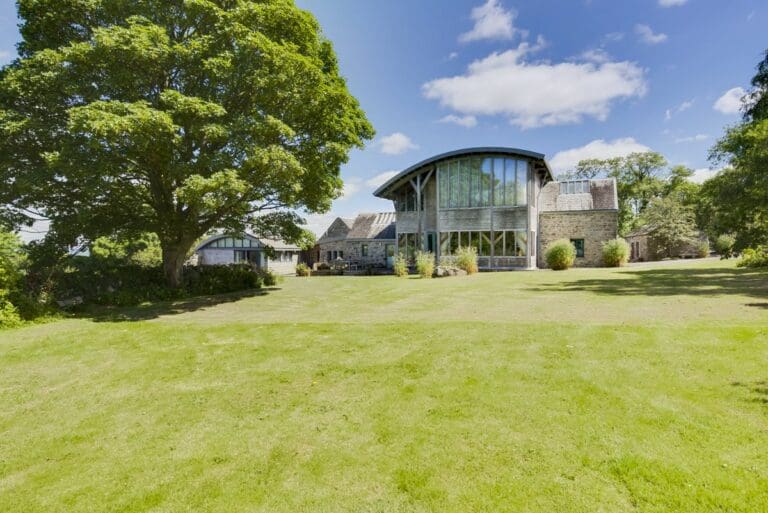
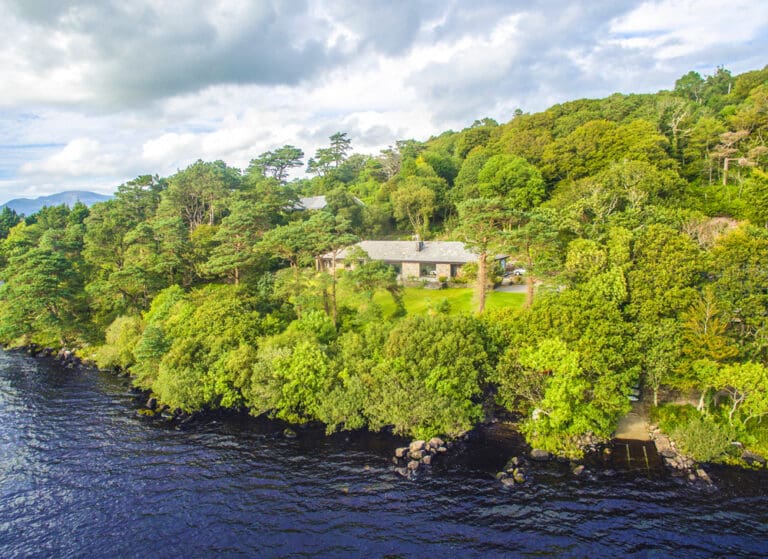
For families weighing up where to settle for the trip, there are villas in Ireland with space for everyone to spread out after a long day of castles and coastline.
Ireland Family Holiday FAQs
Is Ireland a good destination for young children?
Yes, Ireland suits young children particularly well due to short travel distances, a relaxed attitude toward children in public spaces including pubs and restaurants, and free entry to most national museums and galleries.
What is the best time of year to visit Ireland with kids?
Late May to early September offers the longest daylight hours and mildest weather, though rain remains possible year-round, so packing layers and waterproofs is advisable whatever month you travel.
Do children need to be experienced swimmers for Irish beaches?
No, most family-friendly beaches in the southwest have shallow, gently sloping shores suitable for paddling, though Atlantic water temperatures stay cool year-round and adult supervision is always recommended.
Where to stay
Villas in Ireland
A selection from our 43 luxury villas in Ireland.