Best Time to Visit Pays de la Loire: Châteaux, Muscadet & Beaches
The best time to visit Pays de la Loire is May, June or September, when daytime temperatures sit between 18-24°C (64-75°F), the château gardens are at their most photogenic, and the crowds are a fraction of what they are in high summer. July and August bring the warmest weather and the busiest Atlantic beaches along the Vendée coast, while November to March is quiet, cool and considerably cheaper. Spring and early autumn consistently offer the best balance of reliable weather, fully open attractions and reasonable prices.
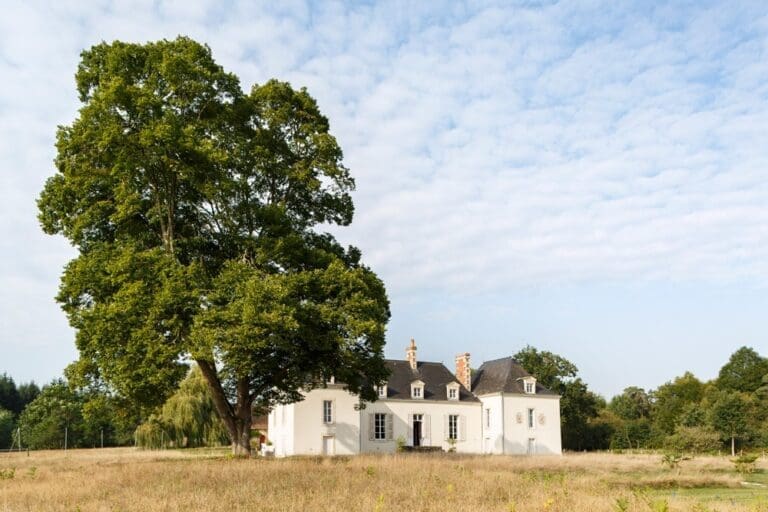
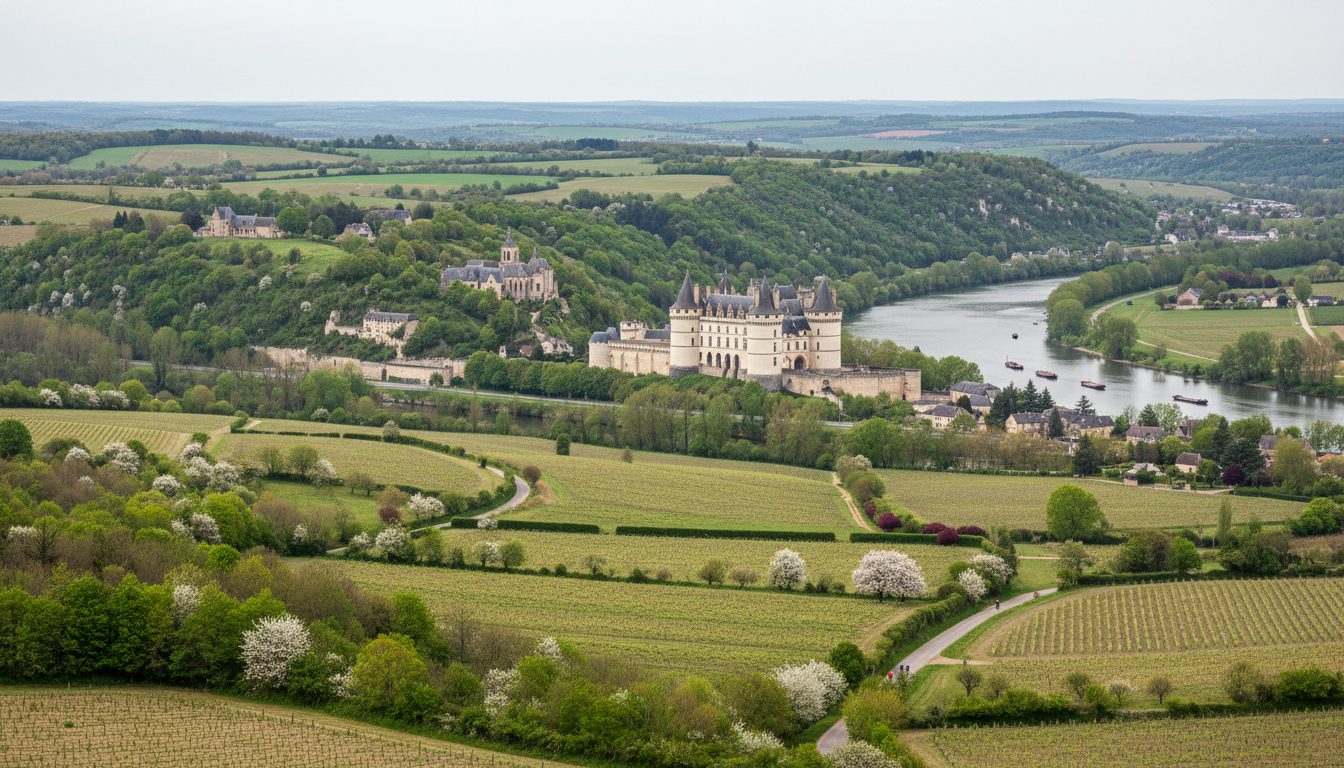
Here is what most first-time visitors get wrong: they treat Pays de la Loire as a single climate, pack accordingly, and then spend a week being quietly betrayed by the weather. The region covers the mild, river-warmed interior of the Loire Valley and the properly Atlantic, wind-flattened coastline of the Vendée – two places that can differ by several degrees and an entire wardrobe on the same afternoon. Someone arriving at a riverside château in a sundress, having read that France in June is “generally warm,” may find themselves shivering by the Loire at dusk, while fifty miles west a family on the beach is reapplying sun cream under a cloudless sky. Knowing which Pays de la Loire you are visiting – inland châteaux country or coastal Vendée – matters rather more than most guidebooks let on. For the wider context on where things are and how they connect, the Pays de la Loire Travel Guide is a useful place to start.
Best Time to Visit Pays de la Loire: At a Glance
May, June and September are the sweet spot for most travellers – mild days, manageable crowds, gardens in full flourish. July and August suit beach families and festival-goers who don’t mind queues and higher prices. Winter (December to February) is for those who want châteaux almost to themselves and don’t mind grey skies and shortened opening hours. Spring and autumn shoulder months offer the best value-to-weather ratio across the entire region.
Spring in Pays de la Loire: March to May
Spring is when the Loire Valley does its best work. March still carries a chill – expect 8-14°C (46-57°F) and the odd grey week that makes you question your packing choices – but by April the château gardens begin their slow, theatrical unfurling, and by May temperatures have climbed to a genuinely pleasant 15-20°C (59-68°F). Wisteria, tulip displays and freshly mown lawns make the formal gardens at their most arresting in late April and May, before the summer heat flattens everything into uniform green.
Crowds are thin in March and April, building steadily through May as half-term holidays and good weather draw in both French and international visitors. Hotel and villa prices remain reasonable throughout, climbing only in the final fortnight of May. Most major attractions are open by April, though some smaller sites and seasonal cafés don’t fully wake up until closer to May. Spring suits garden enthusiasts, cyclists along the Loire à Vélo route, and anyone who prefers photographing a château without forty strangers in the frame.
Summer in Pays de la Loire: June to August
June is arguably the best month of the entire year here – long daylight hours, temperatures of 20-25°C (68-77°F), gardens still relatively fresh, and crowds not yet at their peak. July and August are a different proposition entirely: temperatures regularly reach 25-30°C (77-86°F) inland, French domestic tourism arrives en masse (most of France takes its holidays in August, a fact that catches out visitors who assume the country simply carries on as normal), and the Vendée’s beaches fill with families who have been coming to the same resort since childhood.
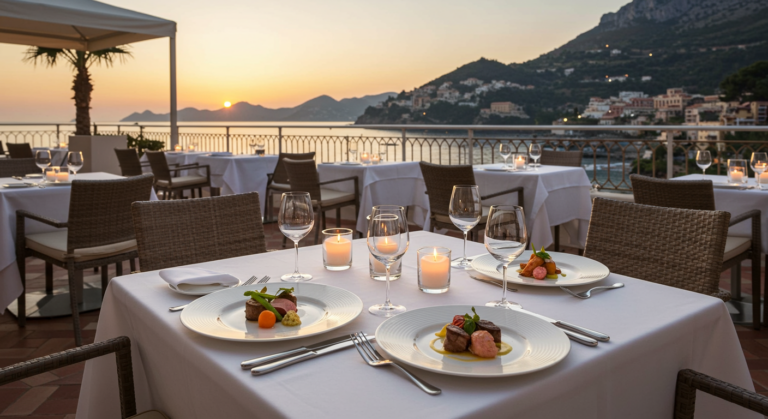
This is peak season for a reason: everything is open, the sea is warm enough to swim in without flinching, and evenings are long enough for leisurely outdoor dining. It is also peak season for traffic jams near popular châteaux, fully booked restaurants, and car parks that fill before ten in the morning. Summer suits families wanting beach holidays, anyone chasing long warm evenings, and those who have made peace with sharing their holiday with quite a lot of other holidaymakers.
Autumn in Pays de la Loire: September to November
September is the other genuinely excellent month – warm days (18-23°C / 64-73°F), cooling evenings, and crowds that thin out dramatically the moment French schools go back in early September. The Muscadet and Anjou vineyards begin their harvest through September and into October, and the light across the vine rows takes on that particular low, golden quality that makes wine-region photography look effortless (it is not, but September helps enormously).
October brings cooler temperatures (12-17°C / 54-63°F), the first proper autumn colour in the château parklands, and noticeably lower prices. By November, temperatures drop to 7-12°C (45-54°F), days shorten, and some seasonal attractions and smaller restaurants begin reducing hours or closing for winter altogether. Autumn suits wine lovers, food travellers interested in the region’s apple and pear orchards, and anyone who finds a crowd-free château far more atmospheric than a busy one.
Winter in Pays de la Loire: December to February
Winter here is quiet in the way that off-season coastal towns are always quiet – shutters down, car parks empty, the odd determined dog walker on an otherwise deserted beach. Temperatures hover around 4-9°C (39-48°F), with grey skies more common than frost or snow, which stays largely absent except for the occasional cold snap. Many smaller châteaux, gardens and seasonal restaurants close or operate reduced hours between November and March, though the larger, better-known sites generally remain open year-round with shorter visiting windows.
December brings Christmas markets to several towns and a particular stillness to the river valleys that summer visitors never see. This is the season for travellers who want the Loire to themselves, who don’t mind packing a proper coat, and who find the idea of queuing for anything faintly absurd. Prices drop accordingly, and the region’s restaurants – freed from summer’s tourist menus – often serve their most honest, seasonal cooking of the year.
Best Time to Visit Pays de la Loire by Interest
Garden and château visitors should aim for late April through June, when planting schemes are at their best and the light is kind to photography. Beach travellers heading for the Vendée coast want July and August for warm swimming conditions, accepting the trade-off of crowds. Wine enthusiasts get the most out of September, when harvest activity in the Muscadet and Anjou vineyards adds genuine interest beyond tasting rooms. Cyclists tackling the Loire à Vélo route do best in May, June or September, avoiding both summer heat and winter closures along the trail’s smaller cafés and bike-hire points.
Shoulder Season in Pays de la Loire: The Case for May, June and September
If pressed to name the actual best time to visit Pays de la Loire, most people who know the region well will say the same three months: May, June, September. The weather is reliable without being punishing, the gardens and vineyards are doing something interesting, and – crucially – you are not competing with half of France for a restaurant table. Prices across accommodation sit noticeably below August rates, and popular sites that feel overwhelmed in summer become genuinely pleasant to wander. The shoulder season is, in short, the region behaving like itself rather than performing for a crowd.
Off-Season Pays de la Loire: The Case for Winter
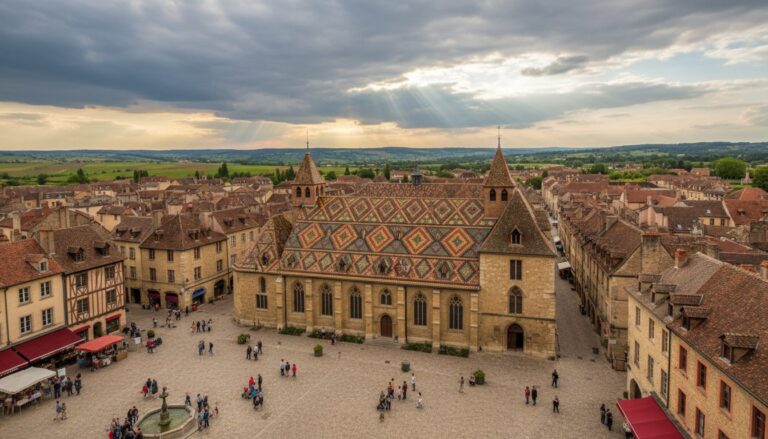
There is a decent argument for visiting in the depths of winter, provided expectations are adjusted accordingly. You won’t swim, the gardens will be dormant, and some smaller attractions will have closed their gates until spring. What you get instead is a version of the Loire Valley that most visitors never see: mist over the river at dawn, châteaux without coach parties, and towns that feel lived-in rather than curated for tourists. For travellers who value atmosphere over activity, and who don’t mind a grey sky in exchange for an empty courtyard, winter has its own quiet appeal.
For anyone now weighing up dates against where to actually stay, villas in Pays de la Loire are worth a look.
Pays de la Loire Weather and Seasons FAQs
Is the Loire Valley warmer than the Vendée coast?
Generally no, though it can feel that way inland on still summer days. The Vendée coast benefits from sea breezes that moderate extreme heat but also bring more wind and occasional cloud, while the inland Loire Valley can run a few degrees warmer in summer and noticeably colder in clear winter nights.
Does it rain a lot in Pays de la Loire?
The region has a temperate oceanic climate with rain spread fairly evenly across the year rather than concentrated in a single wet season. Autumn and winter see slightly more rainfall days, but prolonged downpours are uncommon compared with regions further north or west.
What is the coldest month in Pays de la Loire?
January is typically the coldest month, with average temperatures around 4-8°C (39-46°F) and grey, overcast conditions more common than frost or snow, which remain relatively rare across the region.
Keep reading
More on Pays de la Loire
- Travel guidePays de la Loire Travel Guide
- RestaurantsBest Restaurants in Pays de la Loire
- Food & winePays de la Loire Food & Wine Guide
- FamiliesPays de la Loire with Kids
Guides to places in Pays de la Loire
Where to stay
Villas in Pays de la Loire
A selection from our 56 luxury villas in Pays de la Loire.