Sant Joan de Labritja Food & Wine: Flaó, Bullit de Peix & Wine
Sant Joan de Labritja, the largest and least developed municipality in Ibiza, is known for farmhouse “payesa” cooking rather than fine dining – think slow-cooked stews, home-pressed olive oil and a cheesecake called flaó. Its cuisine draws on inland farms around Sant Miquel de Balansat and Sant Llorenç de Balàfia and on small fishing communities at Portinatx, Benirràs and Sant Vicent de sa Cala. A handful of small vineyards and a weekly village market round out a food scene that rewards patience rather than hype.
There is a particular kind of quiet that settles over the village square in Sant Joan on a Sunday morning, broken only by church bells, the clatter of folding tables and someone’s dog deciding it has opinions about the cheese stall. This is not the Ibiza of global DJs and infinity pools – that version of the island lives mostly on the coast further south. Up here, in the rural north, breakfast is more likely to involve a farmer in a battered straw hat than a beach club playlist, and the food follows suit: honest, seasonal, occasionally stubborn in its refusal to be rushed.
Food and Wine in Sant Joan de Labritja: An Overview
Sant Joan de Labritja’s food culture is agricultural at heart. The municipality covers the northern third of Ibiza, a patchwork of terraced almond groves, old stone farmhouses (fincas) and pine-backed coves, with none of the large-scale tourist infrastructure found elsewhere on the island. What this means for food and wine is simple: fewer restaurants chasing trends, more kitchens still cooking the way grandmothers did. Expect payesa (farmhouse) dishes built on pork, chicken, potatoes and saffron, fish stews from the small harbours, and desserts flavoured with mint, aniseed and lemon rather than anything imported. Wine production here is modest and recent rather than historic, part of a wider Ibizan revival after decades in which tourism simply made more economic sense than viticulture.
Regional Cuisine in Sant Joan de Labritja
Ibizan “cuina pagesa” is peasant cooking in the best sense of the phrase – built to feed a family working the land, not to impress a critic. In Sant Joan de Labritja’s farmhouses this translates to sofrit pagès, a rich stew of chicken and pork with potato, botifarró sausage and saffron, traditionally served at festivals and still turning up on village menus. Bread is dense and dark (pa moreno), designed to last the week, and olive oil from the municipality’s older groves is used with a heavy hand rather than drizzled apologetically.
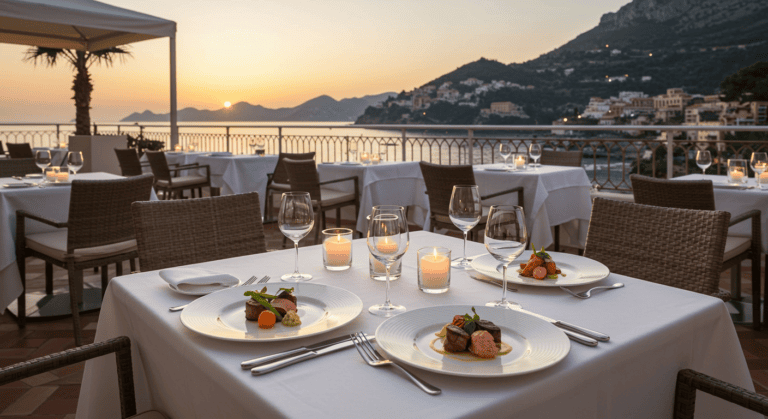
Fish cooking is simpler and more austere, reflecting a coastline of small coves rather than large ports. Bullit de peix – a two-stage meal in which the fish is served first, followed by rice or noodles cooked in its broth – remains the defining dish of the island’s fishing villages, Portinatx and Sant Vicent included. It is not a quick lunch. Anyone expecting fast service should perhaps have ordered a sandwich instead.
Signature Dishes to Try in Sant Joan de Labritja
Flaó is the dish most closely tied to this part of Ibiza – a baked cheesecake made with fresh goat or sheep cheese, mint and aniseed, traditionally eaten at Easter but now available more or less year-round, much to the relief of anyone who turns up in October craving it. Orelletes, thin aniseed-flavoured fritters, and greixonera, a bread-and-custard pudding often made with leftover ensaimada, round out the sweet side of the table.
On the savoury side, look for guisat de peix (a heartier fish stew than bullit), rustic pork and potato stews, and sobrassada used sparingly in cooking rather than spread thick on toast for tourists. A small glass of herbes eivissenques – a herbal liqueur infused with rosemary, fennel and citrus peel, made in sweet and dry versions – typically finishes the meal, and many rural households still make their own, each family insisting theirs is the only correct recipe.
Sant Joan de Labritja Wine: Local Producers and Estates
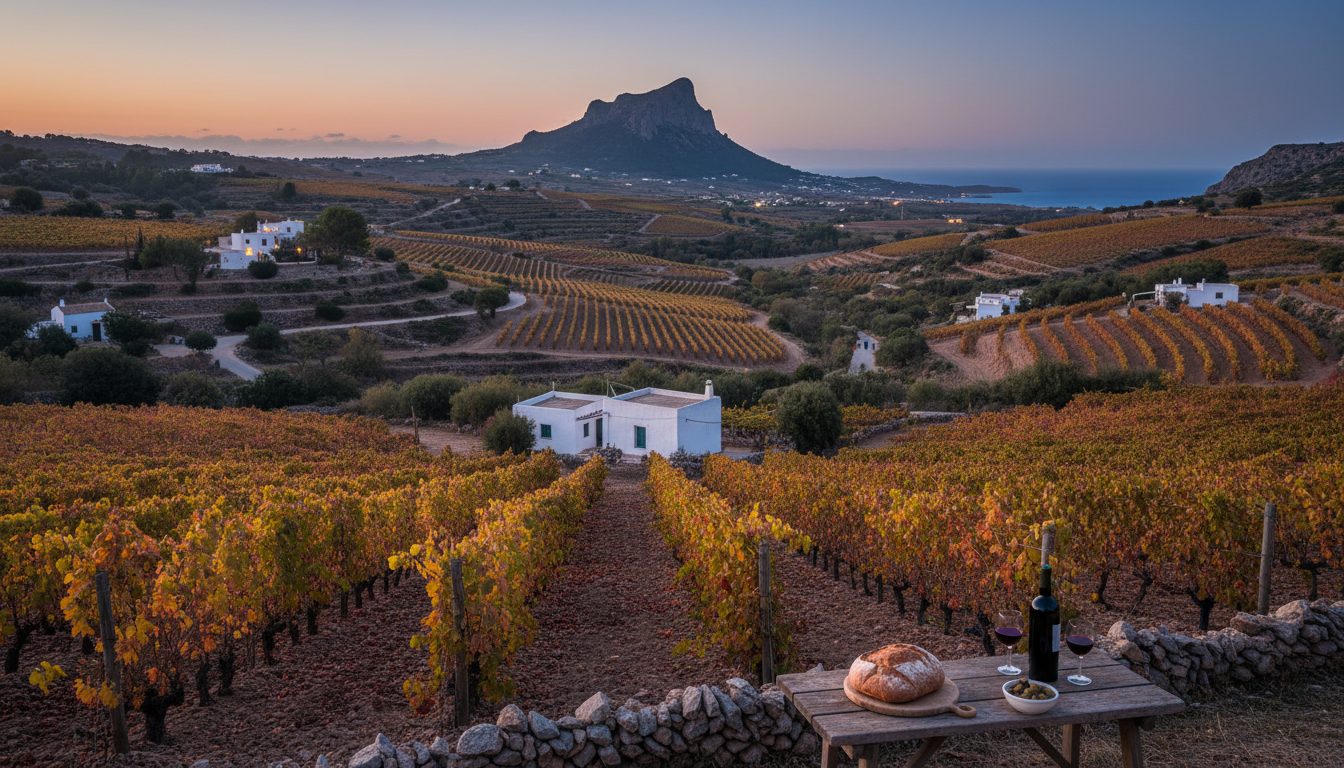
Ibiza’s wine history is a story of near-total disappearance followed by cautious return. Vineyards were widespread until the mid-20th century, when tourism offered a far more reliable income than grapes, and most were abandoned. In the last two decades a small number of growers have replanted across the island’s flatter interior, including pockets of Sant Joan de Labritja’s rural plains around Sant Llorenç de Balàfia and Sant Miquel de Balansat, working under the Vi de la Terra Eivissa designation.
These are not large estates with grand tasting rooms – production is small, often experimental, mixing traditional local clones such as Monastrell with better-known international varieties. The resulting wines tend toward light, fresh reds and crisp whites suited to the climate and to the kind of long, unhurried lunch this part of the island encourages. Anyone expecting Rioja-scale cellar tours will be disappointed; anyone happy to drink something genuinely local, slightly rough-edged and made by people who clearly have day jobs elsewhere on the farm will find it rather charming.
Food Markets in Sant Joan de Labritja
The village of Sant Joan hosts a modest Sunday morning market in its main square – stalls of local honey, goat cheese, olives, homemade preserves and the odd basket of seasonal fruit, set up by farmers who clearly have better things to do than hard-sell their produce. It is small by design, a village market rather than a tourist spectacle, and worth timing a visit around if you want ingredients for a farmhouse-style lunch of your own. Bring cash, bring a tote bag, and resist the urge to haggle – nobody here is in the mood for it, and frankly nor should they be.
Cooking Classes in Sant Joan de Labritja
Several working fincas in the municipality’s rural interior offer informal cooking sessions focused on payesa cuisine – bread-making, sofrit pagès, and the quietly satisfying ritual of infusing your own herbes eivissenques. These are generally small, hands-on affairs rather than slick culinary-school experiences, often held in the same kitchens the family has cooked in for generations. It is worth asking locally rather than booking anything glossy in advance; the best versions of these classes tend not to advertise much, which is either reassuring or mildly frustrating depending on your tolerance for spontaneity.
Seasonal Specialities in Sant Joan de Labritja: Olive Oil, Seafood and Almonds
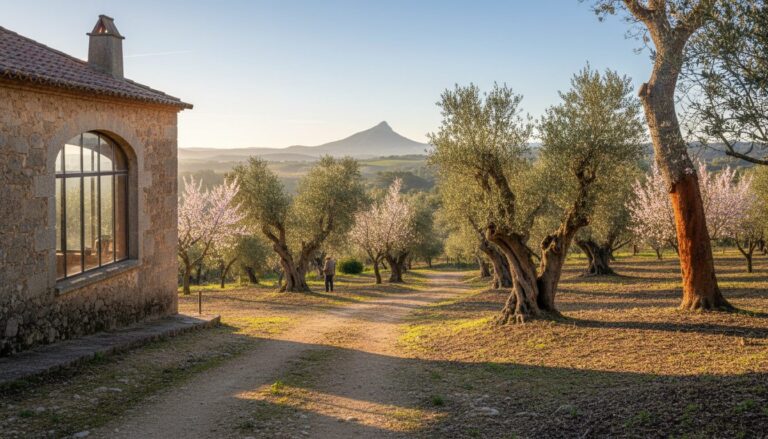
There are no truffles in Sant Joan de Labritja, and anyone promising otherwise has confused their Mediterranean islands. What the municipality does offer seasonally is olive oil from groves harvested in November and December, pressed in small batches and noticeably more peppery than the supermarket version most visitors are used to. Almond trees across the rural north blossom in February, a quiet, unphotographed counterpart to Japan’s cherry blossom season, and their nuts later turn up in local pastries and the occasional homemade almond liqueur.
Seafood follows the calendar of the small coastal communities at Portinatx, Benirràs and Sant Vicent de sa Cala, where catches are modest and weather-dependent rather than guaranteed – this is artisanal fishing, not industrial supply, and menus change accordingly. Late summer and early autumn tend to bring the best variety, before the winter seas turn the fleet more cautious.
Best Food Experiences in Sant Joan de Labritja
The standout experience here is simply eating bullit de peix at a small table within sight of the water at one of the municipality’s northern coves, ideally with no particular plan for the rest of the afternoon. A close second is a Sunday morning spent at the village market followed by a long, lazy lunch of payesa stew somewhere inland, and a third is tracking down a homemade herbes eivissenques to take home – less a souvenir than evidence you actually paid attention while you were here. None of this is flashy. All of it is memorable in the way only genuinely local food tends to be. For more on exploring the wider area, the Sant Joan de Labritja Travel Guide covers the coves, villages and landscapes that shape this food culture in more detail.
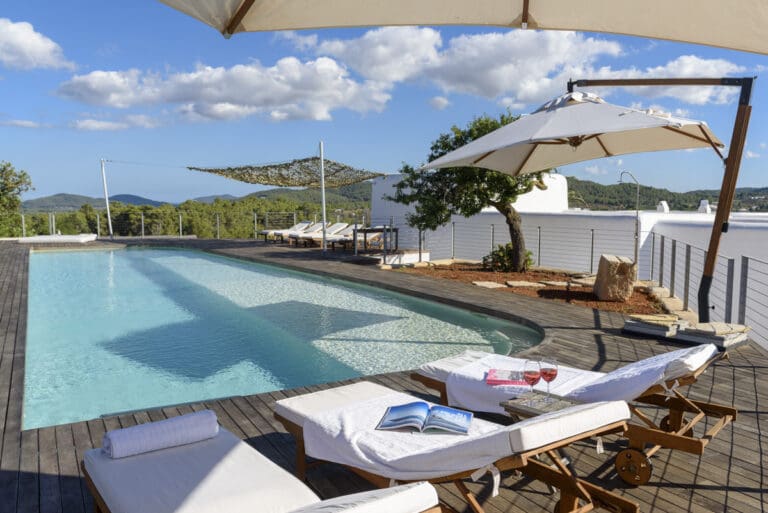
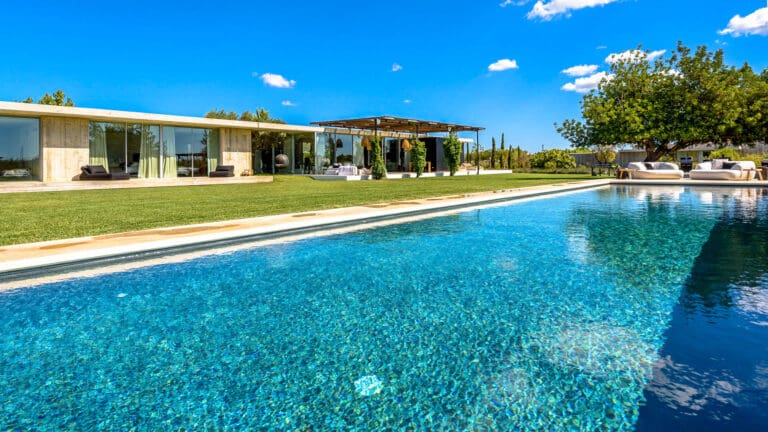
For those deciding where to base themselves while exploring Sant Joan de Labritja’s food and wine, there are villas in Sant Joan de Labritja within easy reach of both the coastal fishing villages and the rural market towns.
Sant Joan de Labritja Food and Wine FAQs
What is the traditional food of Sant Joan de Labritja?
The traditional food is Ibizan payesa (farmhouse) cuisine, including sofrit pagès, a saffron-spiced chicken and pork stew, alongside fish dishes such as bullit de peix from the area’s small coastal villages.
Does Sant Joan de Labritja produce wine?
A small number of vineyards have been replanted across the municipality’s rural interior in recent decades, producing modest quantities of light red and white wine under Ibiza’s Vi de la Terra designation.
What is flaó and where can it be tried?
Flaó is a traditional Ibizan cheesecake made with fresh goat or sheep cheese, mint and aniseed, historically an Easter dish but now served year-round in restaurants and farmhouse kitchens across the region.
Keep reading
More on Sant Joan de Labritja
- Travel guideSant Joan de Labritja Travel Guide
- RestaurantsBest Restaurants in Sant Joan de Labritja
- FamiliesSant Joan de Labritja with Kids
Guides nearby in Balearic Islands
- Best Time to Visit Balearic Islands
- Mallorca Travel Guide
- Pollensa Travel Guide
- Ibiza Travel Guide
- Alcúdia Travel Guide
- Menorca Travel Guide
- Sant Josep de sa Talaia Travel Guide
- Santa Eulària des Riu Travel Guide
- Sant Lluís Travel Guide
- Sant Antoni de Portmany Travel Guide
- Alaior Travel Guide
- Inca Travel Guide
Where to stay
Villas in Sant Joan de Labritja
A selection from our 26 luxury villas in Sant Joan de Labritja.
 Casa Baladre Spain
 Casa Ludo Ibiza Spain
 Villa Elysia Spain
 Lux Venda Spain
 Villa Mireya Spain
 Villa Xiomara Spain
See all 26 villas in Sant Joan de LabritjaVillas across Balearic Islands