Tías Food & Wine: Volcanic Wines, Mojo & Fresh Seafood
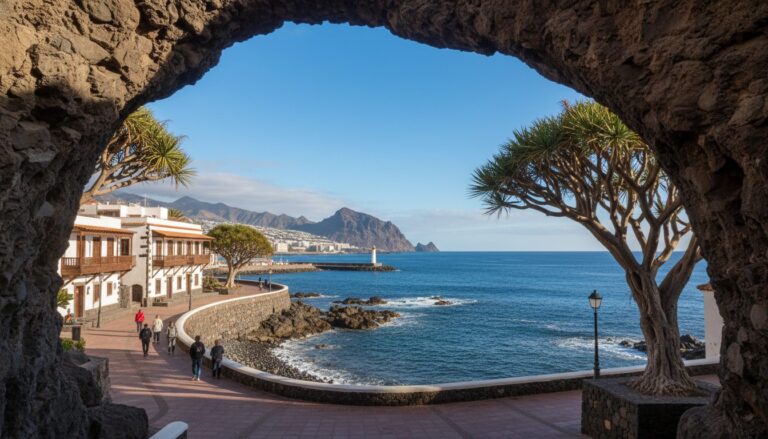
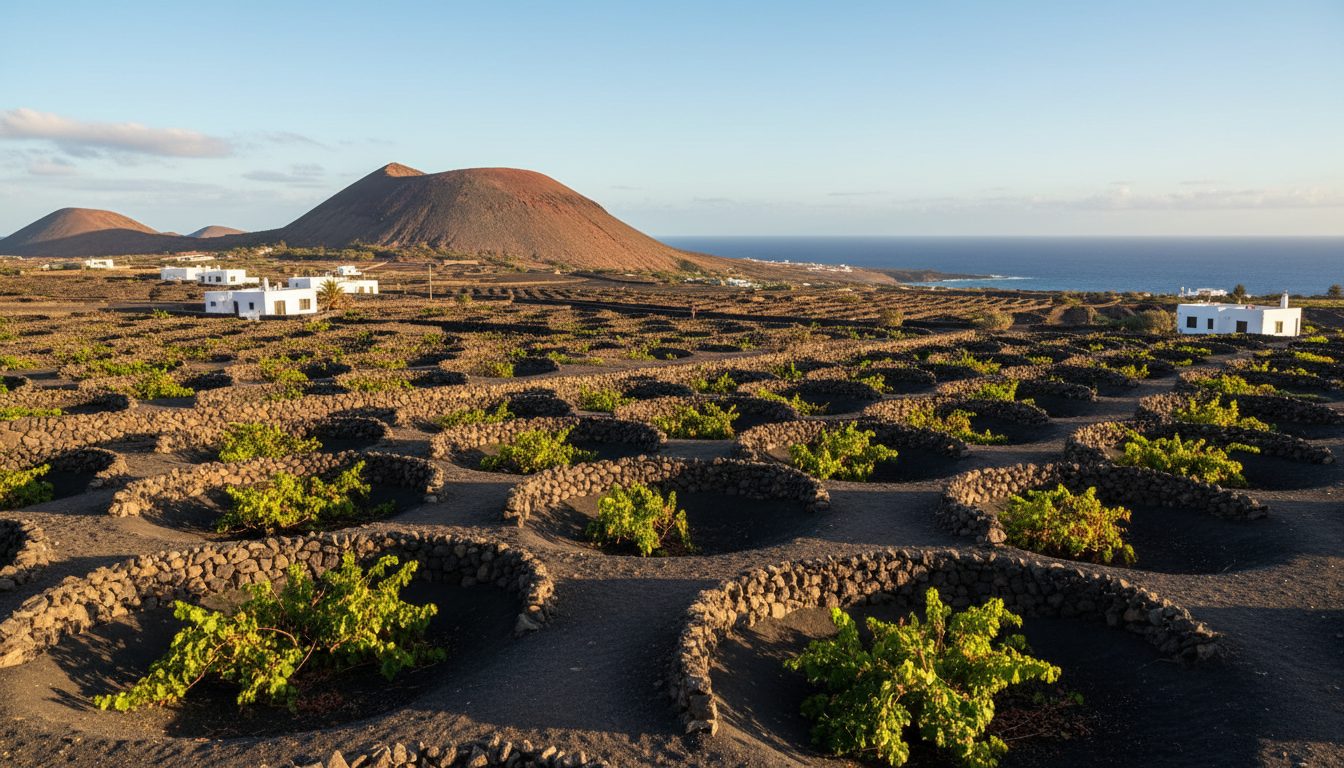
Tías, on Lanzarote’s southern coast, sits beside La Geria, the volcanic wine region where malvasía grapes grow in individual stone-walled pits dug into black ash. The local cuisine is Canarian rather than mainland Spanish: papas arrugadas with mojo sauces, fresh seafood landed at Puerto del Carmen, goat’s cheese and gofio feature throughout. Food markets, bodega tastings and harbourside seafood grills are the main ways to experience it.
I will confess that I arrived in Tías expecting paella, sangria and a flamenco guitarist lurking somewhere near the breadbasket, and left faintly embarrassed about the assumption. This is Lanzarote, not Andalusia, and the island’s kitchen owes rather more to Africa, the Atlantic and five centuries of volcanic stubbornness than it does to anything you’d find in a mainland Spanish cookbook. The result is a cuisine that’s plainer than its reputation suggests, and considerably better for it – wrinkled potatoes, sharp little sauces, fish that was swimming an hour ago, and wine grown in conditions that should, by any sensible agricultural logic, be impossible.
Food in Tías: Canarian Cooking on Volcanic Soil
The food here didn’t evolve to impress anyone. It evolved to feed people on an island with thin soil, constant wind and very little fresh water, which is probably why it’s so good at what it does. Canarian cooking leans on what the land and sea actually provide rather than what looks pretty on a plate: potatoes, goat, fish, gofio (a toasted grain flour used in everything from soups to desserts) and a handful of fierce little sauces that do the heavy lifting.
Tías itself is a working municipality rather than a tourist set piece, which means the food tends to be honest rather than styled. Inland, menus run to stews and roasted meats; along the coast at Puerto del Carmen, it’s almost entirely about the catch. The island’s volcanic terrain also does something genuinely unusual to the produce – tomatoes, onions and potatoes grown in mineral-rich picón (the black volcanic gravel) have a concentrated, slightly mineral flavour that’s hard to find elsewhere in Spain. For context on the wider area, the Tías Travel Guide covers the practicalities of getting around and where this all fits into a longer stay.
Signature Dishes in Tías: Papas Arrugadas, Mojo and the Catch of the Day
Start with papas arrugadas – small potatoes boiled in heavily salted water until their skins wrinkle (the name translates, unglamorously but accurately, as “wrinkled potatoes”). They arrive dusted in salt crystals and are eaten with mojo rojo, a smoky red pepper and paprika sauce, and mojo verde, a sharper coriander and garlic version. Nearly every table in Tías will produce a small dish of each without being asked, which is as close to a local welcome ritual as you’ll find.
From the sea, look for vieja (parrotfish), cherne (wreckfish) and pulpo (octopus), usually grilled plainly and dressed with little more than good olive oil. Lapas – limpets, grilled in their shells with garlic and a squeeze of lemon – are a genuine local speciality worth ordering even if the texture takes some getting used to (think clam crossed with mushroom, in the best possible way). Sancocho canario, a salt-fish stew with potatoes and sweet potato, turns up on weekend menus and is the kind of dish that makes more sense after a long walk than before one. For something sweet, bienmesabe – a honey and almond dessert whose name translates roughly as “tastes good to me,” which is either admirably honest or alarmingly low on ambition – closes most meals.
Tías Wine: La Geria’s Volcanic Vineyards
This is the part of Tías food and wine that genuinely stops people in their tracks, including people who don’t particularly care about wine. La Geria, which borders the municipality, is a wine region unlike any other in Europe: vines grow not in rows but in individual conical pits, scooped by hand into thick beds of black volcanic ash (picón) and ringed with low semi-circular stone walls called zocos. The ash traps overnight humidity and releases it slowly to the roots, while the walls block the island’s relentless trade winds. There is no irrigation. It rains perhaps twice a season. And yet the vines, mostly malvasía volcánica along with listán negro and diego, produce fruit with real concentration.
The resulting wines are distinctive: dry and semi-dry malvasías with a saline, mineral edge that no amount of New World sunshine seems able to replicate, alongside some lighter reds and a handful of naturally sweet styles. Tasting one while standing in the middle of that black, cratered landscape is one of those rare travel moments that actually lives up to the description on the label.
Wine Estates to Visit Near Tías
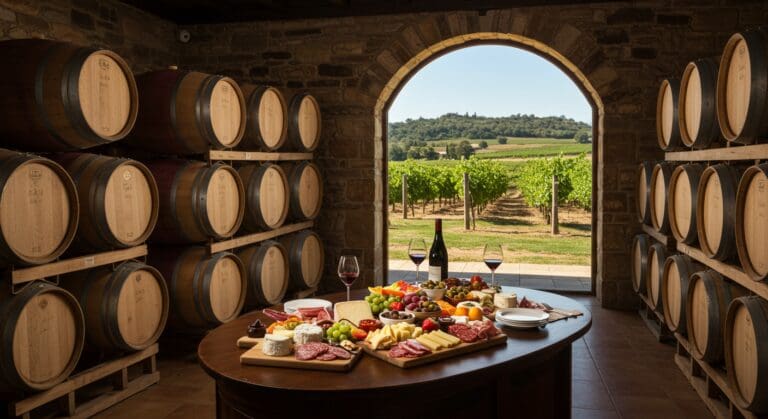
Several family-run bodegas operate within or close to the La Geria stretch bordering Tías, most offering tastings, a small shop and views across the pitted vineyard landscape that are worth the stop on their own. Many are modest operations – a tasting room, a few barrels, someone’s relative behind the counter – rather than polished visitor attractions, which suits the setting. Expect to taste two or three malvasía styles alongside a red, usually paired with local cheese or almonds rather than a full menu.
The drive itself, along the road that cuts straight through the vineyard pits, is worth doing slowly – this is not a landscape built for overtaking. Visits are generally informal and don’t require advance planning in the way a Rioja bodega tour might, though turning up in the early afternoon rather than midday avoids both the heat and the coach parties.
Food Markets in Tías
Tías and its surrounding towns hold regular local markets selling fruit, vegetables, cheese, honey and small-batch preserves, generally on set mornings each week – useful for self-catering or simply for seeing what’s actually in season rather than what’s been flown in. Goat’s cheese, often flavoured with gofio or paprika on the rind, is the product to look for; it travels well if you’re tempted to bring some home, though customs officers at various airports have views on soft cheese that are worth checking in advance.
Markets here are unhurried affairs rather than performances – no stalls arranged for Instagram, just producers selling what they grew or made. That’s either refreshing or slightly underwhelming depending on what you came expecting, but it’s an honest snapshot of how the island actually eats.
Cooking Classes in Tías
Hands-on Canarian cooking sessions are offered locally, typically covering the fundamentals: making mojo from scratch, cooking papas arrugadas properly (the salt ratio matters more than you’d think), and working with gofio in both savoury and sweet applications. These tend to be small, informal affairs run from private kitchens or small culinary schools rather than large commercial operations, which makes for a better class and a slightly less predictable start time.
They’re a genuinely useful way to understand why Canarian food tastes the way it does – once you’ve made mojo verde yourself, with raw garlic doing most of the work, you’ll never order the bottled version again. Most classes run a few hours and end, sensibly, with eating everything you’ve made.
Seasonal Specialities in Tías: Seafood, Cheese and Harvest Time
Seafood is essentially a year-round pleasure in Tías given the Atlantic’s indifference to seasons, though catches do shift – look for cherne and vieja in cooler months, and lighter white fish through summer. Goat’s cheese production continues year-round too, but spring brings the freshest, milkiest versions, before the dry summer concentrates the milk and the cheese.
The wine harvest (vendimia) in La Geria typically falls in August, a hot and fairly brutal month to be picking grapes by hand off volcanic ash, and some bodegas open briefly for harvest-related visits or tastings tied to the new vintage. Olive oil production is modest on Lanzarote compared to mainland Spain – the climate suits vines rather better than olives – so while you’ll find good oil used in cooking, it’s largely imported from elsewhere in Spain rather than a genuine Tías product, worth knowing if you’re hunting for a true local souvenir.
Best Food Experiences in Tías
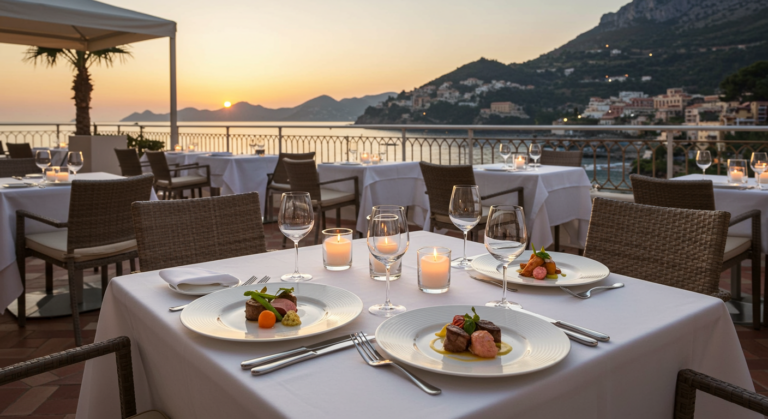
If you only do three things: eat fresh fish at a harbourside spot in Puerto del Carmen with your feet more or less in the sand, drive slowly through La Geria with a stop at a small family bodega for a glass of malvasía, and track down lapas somewhere unpretentious rather than somewhere with laminated menus and six languages. None of this requires much planning or any particular budget – the best meals here tend to be the least decorated ones.
What Tías offers that’s genuinely hard to find elsewhere is the combination: a working wine region built on conditions that shouldn’t support agriculture at all, sitting a short drive from some of the freshest, least fussed-over seafood in the Canaries. It’s not a showy food destination. It’s a quietly confident one, which, on reflection, suits the landscape rather well.
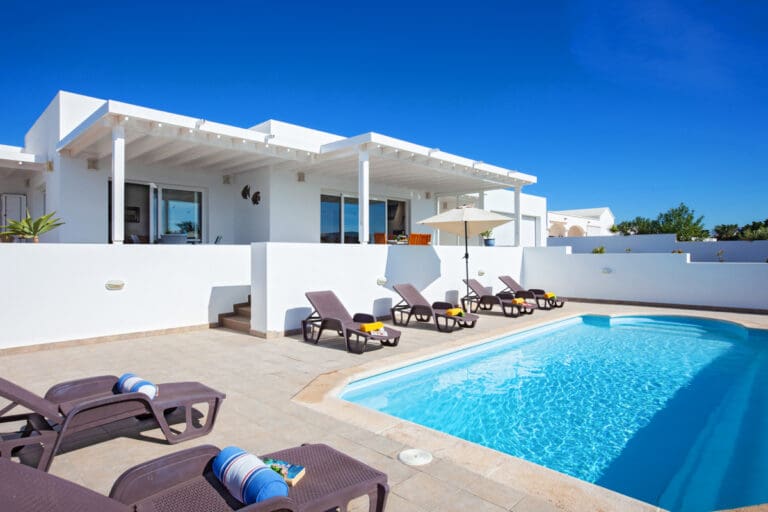
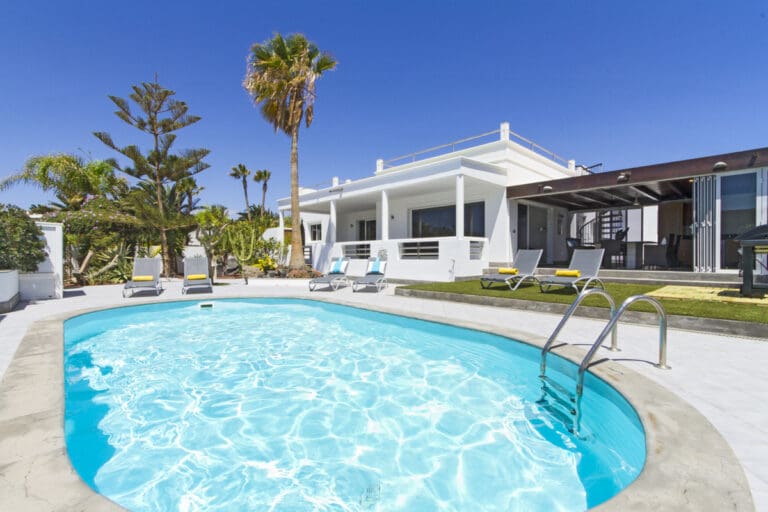
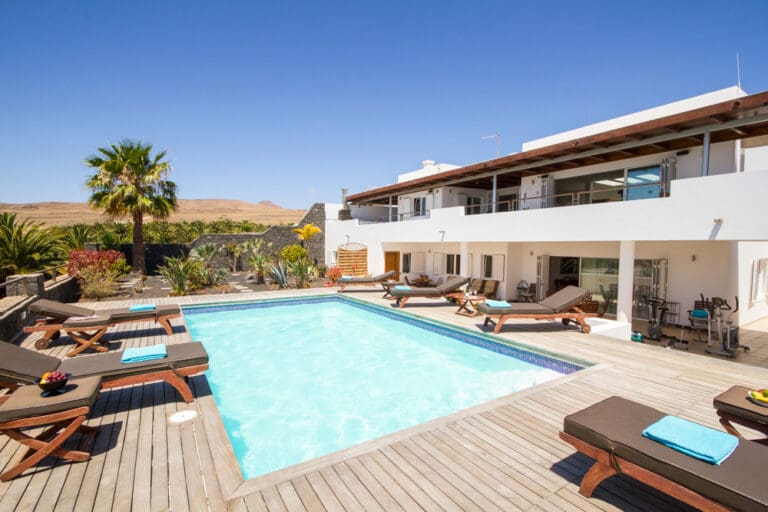
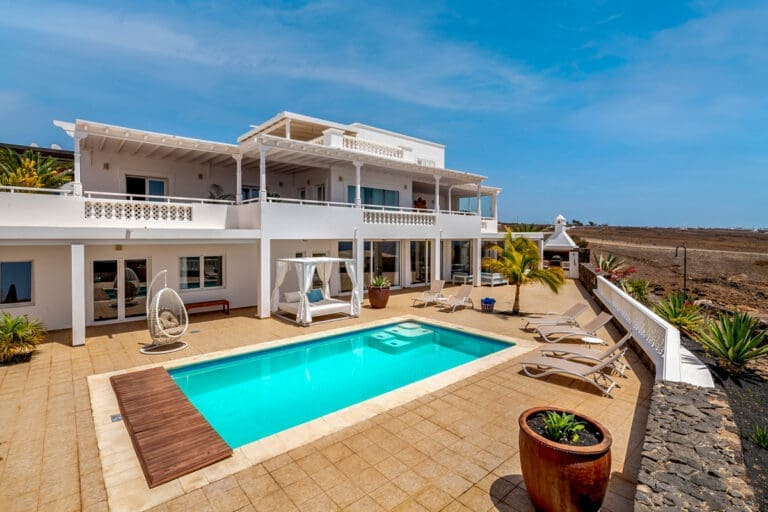
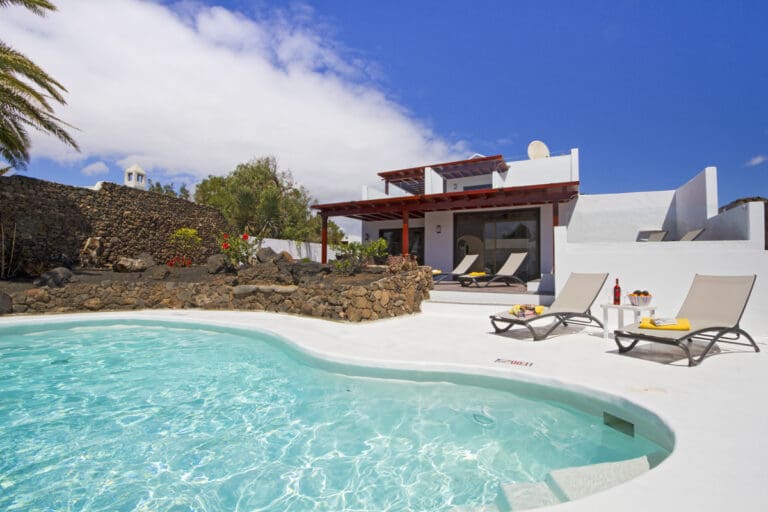
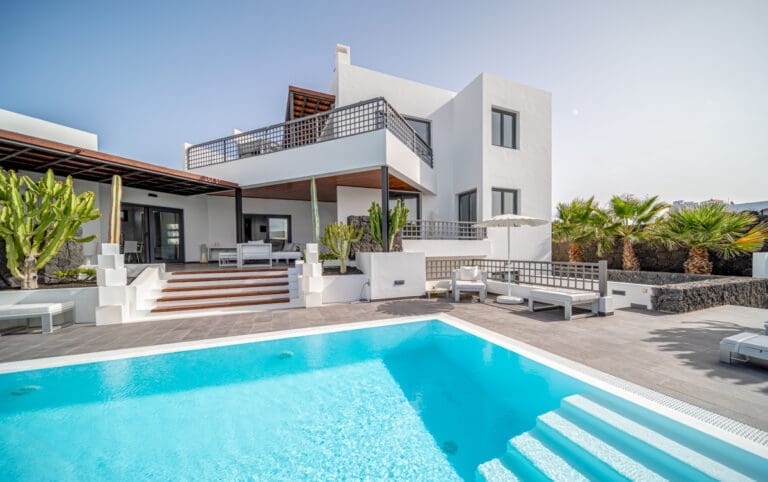
Anyone weighing up where to base themselves for all this can look at villas in Tías.
Tías Food and Wine FAQs
What is the signature dish of Tías and Lanzarote?
Papas arrugadas (wrinkled salt potatoes) served with mojo rojo and mojo verde sauces is the dish most strongly associated with the region, found on nearly every menu from simple bars to harbour restaurants.
Can you visit the vineyards in La Geria near Tías without a tour?
Yes. Most bodegas in La Geria welcome independent visitors for tastings during normal opening hours, and the drive through the vineyard area is accessible by car or taxi without needing to book an organised tour in advance.
Is seafood in Tías freshly caught locally?
Much of the seafood served in Tías and Puerto del Carmen is landed locally, particularly species like vieja, cherne and octopus, though some restaurants also bring in additional stock from other parts of the Canary Islands depending on season and demand.
Where to stay
Villas in Tías
A selection from our 38 luxury villas in Tías.