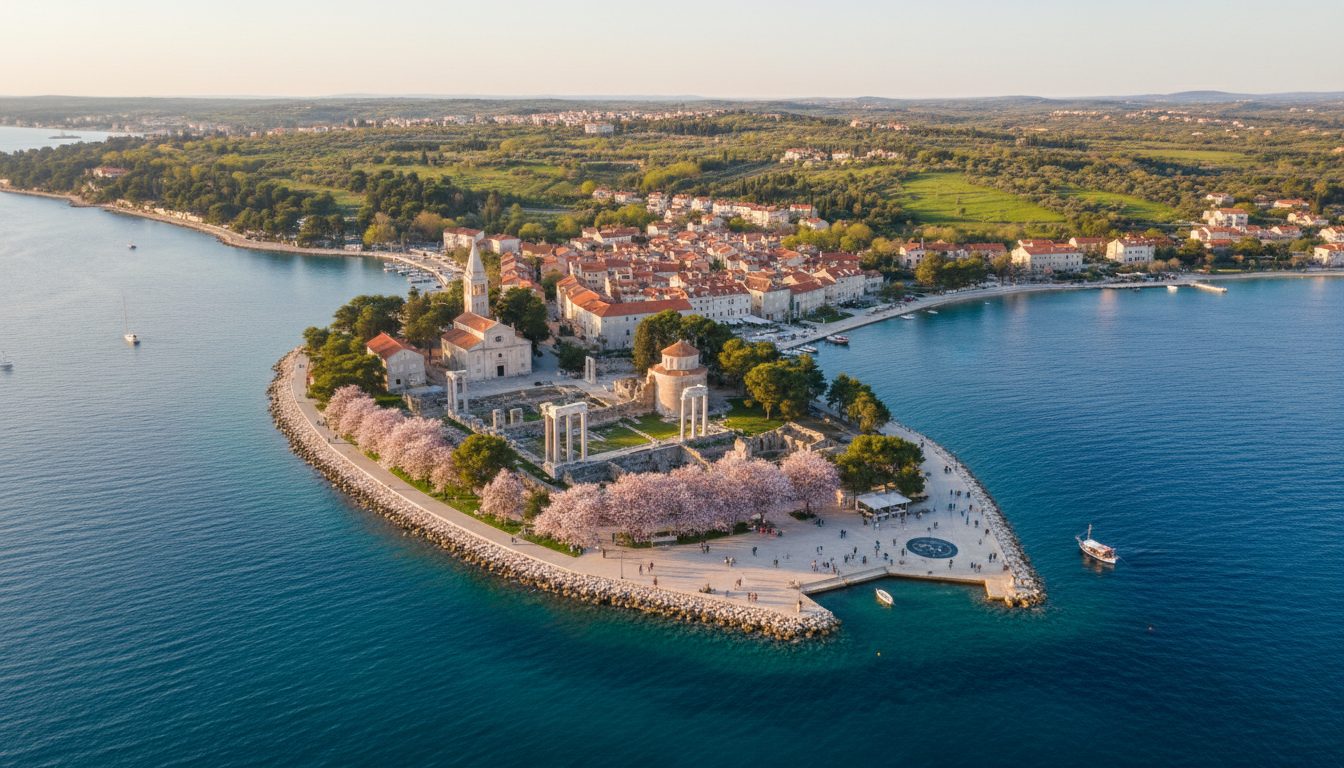
Best Time to Visit Zadar: Sea Organ, Ruins & Kornati Ferries
The best time to visit Zadar is May, June or September, when temperatures sit comfortably between 21-26°C (70-79°F), the sea is warm enough to swim in, and the old town hasn’t yet filled with coach parties. July and August bring the hottest, busiest, most expensive conditions, while November to March is quiet, cheap and occasionally bleak with cold winds off the Velebit mountains.
Here’s a confession: I once told a friend not to bother with Zadar in February, that it would be a shuttered ghost town of wet stone and closed shutters. I was wrong, and I went back to prove myself wrong properly – twice. Zadar, it turns out, has a personality that changes so thoroughly with the seasons that you could visit four times and feel you’d been to four different cities, all of them built around the same Roman forum and the same odd, beautiful habit of making music out of the sea.
Picking the right month here isn’t just about sunshine. It’s about whether you want the Sea Organ competing with a hundred phone cameras for the best sunset view, or whether you’d rather hear it properly, alone, with a cold wind for company. Both experiences are valid. They are not, however, the same holiday.
Zadar Weather at a Glance
- Peak season: July – August, hot, crowded, expensive
- Best overall: late May, June, September
- Quietest and cheapest: December – February
- Swimming season: June – September, sea averages 22-25°C (72-77°F)
- Driest months: July and August
- Wettest months: November and December
Zadar in Spring: March to May
Spring arrives in Zadar in fits and starts. March can still feel like the tail end of winter, with daytime highs around 12°C (54°F) and a wind called the bura that will reorganise your hair without asking permission. By April the city has properly woken up: cafés put their tables back outside, temperatures climb to around 16°C (61°F), and the wildflowers on the nearby Kornati islands – bare, scrubby and oddly beautiful in their own right – start to show colour.
May is the real turning point. Temperatures reach 20-21°C (68-70°F), the sea is still a touch too brisk for serious swimming but perfectly fine for the determined, and the crowds that will clog the Riva by midsummer are still weeks away. Hotel and apartment prices sit well below peak rates. Most restaurants, boat tours and island ferries to Kornati National Park are running by early May, though some smaller operators still work reduced schedules until the season properly fills out. This is the season for people who want to walk the old town’s marble-paved streets without dodging selfie sticks, and who’d rather eat a long lunch than queue for one.
Zadar in Summer: June to August
Summer is when Zadar becomes the Zadar of postcards and Instagram reels, and also the Zadar of parking nightmares and 28°C (82°F) afternoons that feel hotter still when reflected off white limestone. June is the gentler entry point – sea temperatures climb past 22°C (72°F), days stretch long, and the crowds are present but not yet suffocating. By July and August, the city’s population multiplies several times over with visitors heading to the beaches at Borik and the ferry terminal for day trips to the Kornati islands or Dugi Otok. Expect queues for the Sea Organ at sunset, premium prices on everything from boat hire to ice cream, and a waterfront so busy it resembles a very attractive conveyor belt.
This is peak season pricing throughout – accommodation rates often double compared with May, restaurants fill without reservations, and the beaches near Borik are claimed by sunbed and towel alike before nine in the morning. It suits families on school holidays, serious sun-worshippers, and anyone who doesn’t mind sharing. It does not suit anyone hoping for solitude or a bargain. Evenings bring open-air concerts and events along the waterfront, and the city’s Roman forum takes on a different character after dark, lit and nearly empty of the daytime crush.
Zadar in Autumn: September to November
If I had to pick one window to recommend above all others, it would be September. The sea holds its summer warmth – often still 23-24°C (73-75°F) well into the month – while the air cools to a far more civilised 24°C (75°F) by day. The ferocious midsummer crowds thin noticeably after the first week, prices drop from their July peak, and the light along the waterfront takes on a softer gold that makes even dedicated photographers put their cameras down and just look.
October continues the trend, with temperatures around 19°C (66°F) and a city visibly exhaling after the summer rush. Swimming is still possible for the hardy, though most visitors switch to walking, cycling and eating rather than beach time. By November, averages drop to around 13°C (55°F), rain becomes more frequent, and many seasonal beach bars and boat operators close for the year. This stretch suits travellers who prioritise walking tours, food and the old town’s Roman and Venetian layers over lying on a towel – and anyone allergic to crowds. For a fuller sense of what the city offers beyond its weather, the Zadar Travel Guide covers the sights worth prioritising whenever you land.
Zadar in Winter: December to February
Winter in Zadar is not for everyone, and that’s rather the point. Daytime temperatures hover around 7-9°C (45-48°F), rainfall is at its heaviest, and the bura wind can make standing near the waterfront feel like a minor meteorological event. Many island ferries reduce to skeleton schedules, some restaurants close for weeks at a time, and the summer crowds vanish so completely you’ll wonder where everyone went.
December brings Zadar’s Advent season, with a market along the waterfront, mulled wine and decorative lighting that gives the stone streets a warmth the actual temperature doesn’t quite deliver. It’s genuinely pleasant, if damp underfoot. January and February are the quietest months of the calendar – hotel prices fall to their lowest point of the year, flights and ferries thin out, and the Sea Organ plays to an audience of locals walking their dogs rather than tour groups. This season suits travellers after cheap rates, genuine local atmosphere and the particular pleasure of having a UNESCO-adjacent old town largely to yourself, provided you pack a proper coat and accept that swimming is off the table.
Best Time to Visit Zadar: Shoulder Season Advantages
The shoulder months – May, June and September – offer what most seasoned Mediterranean travellers eventually learn to prioritise: warmth without the full weight of peak-season crowds and prices. Accommodation costs typically sit 20-40% below August rates, restaurants take walk-ins without a wait, and ferries to the Kornati islands or Dugi Otok run regularly without the midsummer scrum at the ticket booth. The sea is swimmable, the old town’s narrow streets are walkable without the human traffic jam, and the light for photography is noticeably better, lower and warmer than the flat glare of a July noon. If you can only pick one piece of advice from this entire guide, it’s to shift your dates even a fortnight either side of peak summer – the difference is larger than it sounds on paper.
Best Time to Visit Zadar: The Case for the Off-Season
There’s an argument, admittedly a niche one, for visiting Zadar in the dead of winter. Prices bottom out, locals have their city back, and the Sea Organ – built to perform regardless of season – arguably sounds better in a winter swell than a flat summer sea, since larger waves push more air through its pipes. Museums, the Roman forum and St Donatus’s church remain open year-round, and a quiet espresso on an empty Riva has its own appeal after a summer of fighting for table space. It won’t suit beach-seekers or anyone chasing guaranteed sunshine, but for travellers who value atmosphere over temperature, it’s a legitimately good time to come.
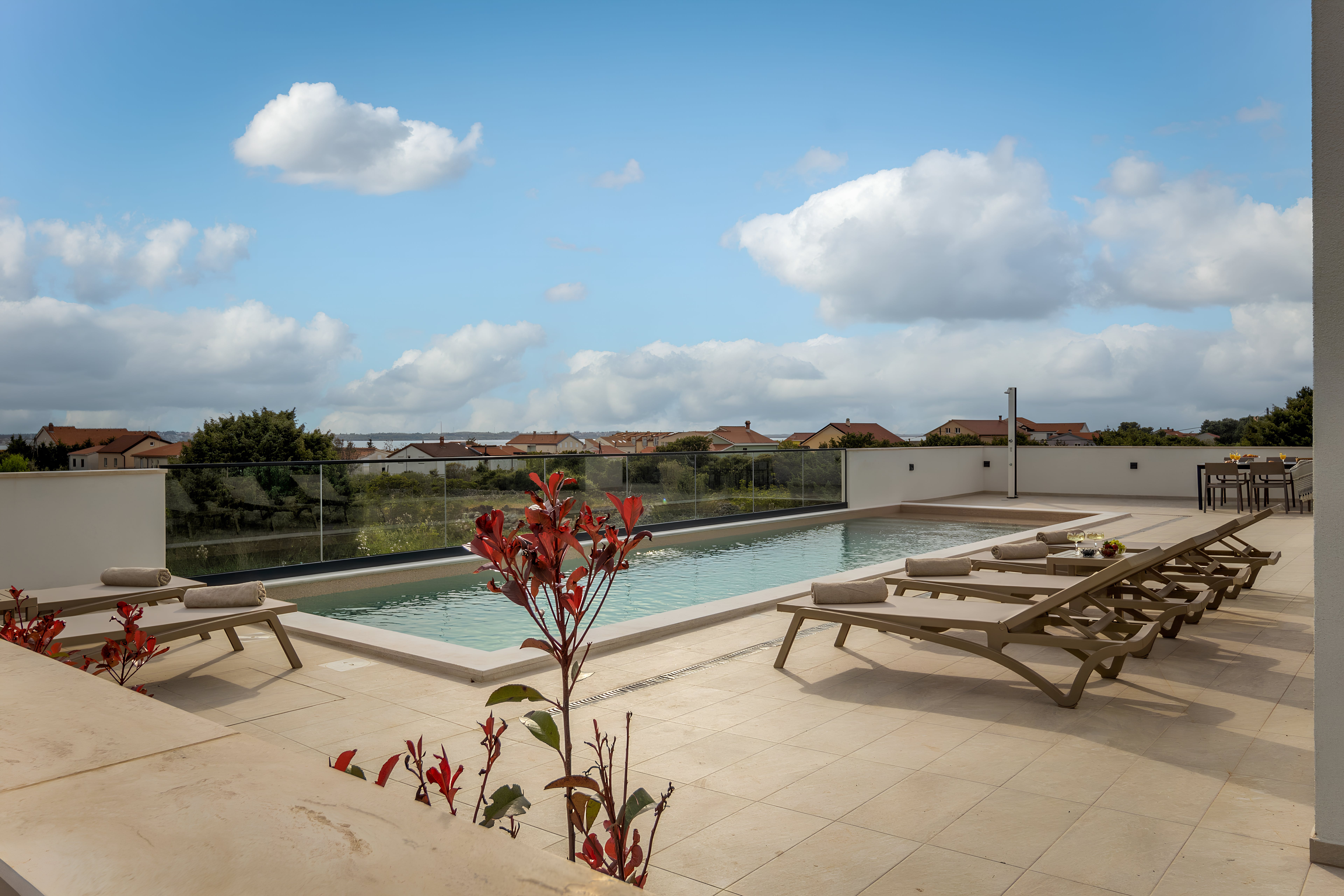
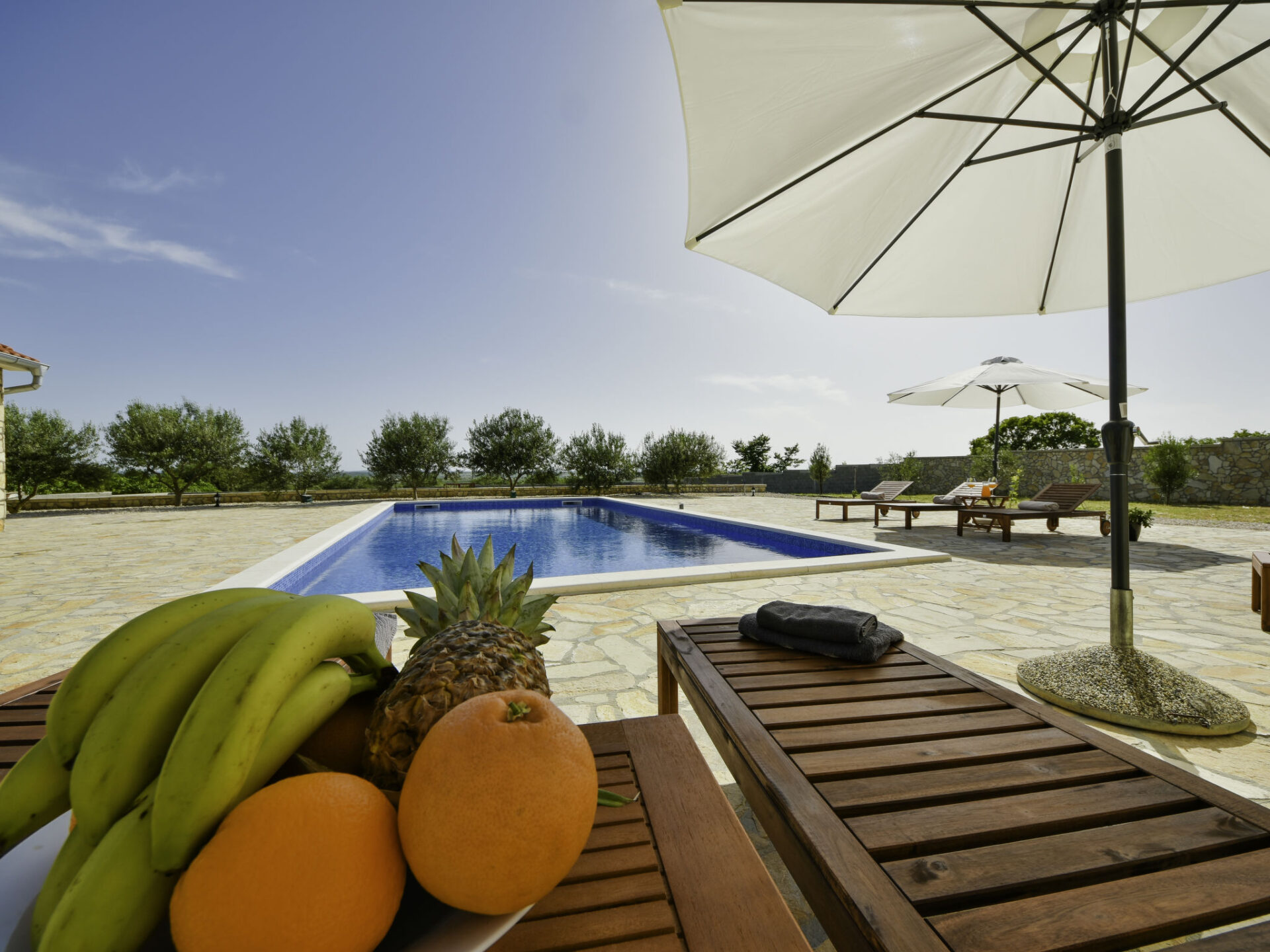
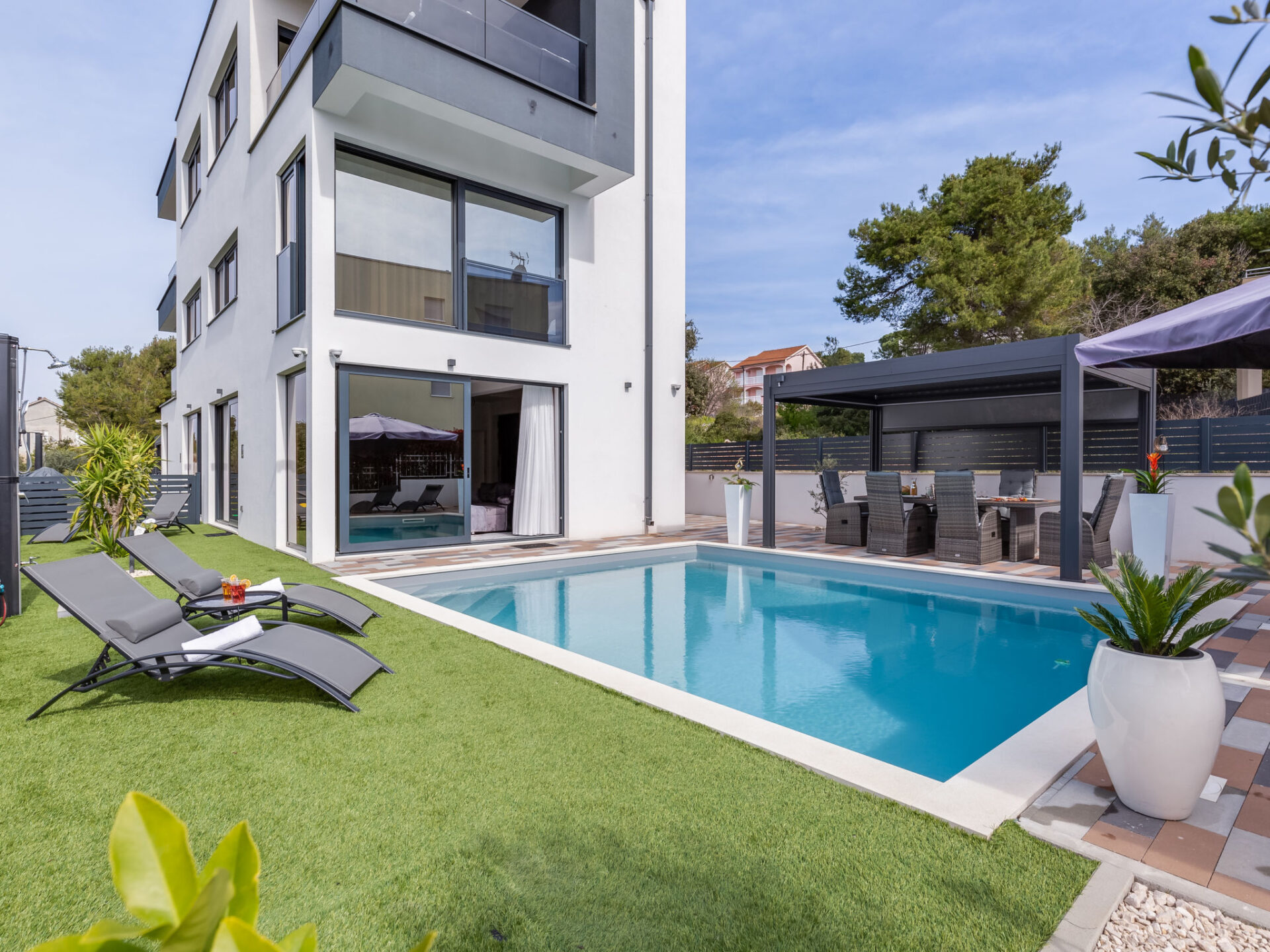
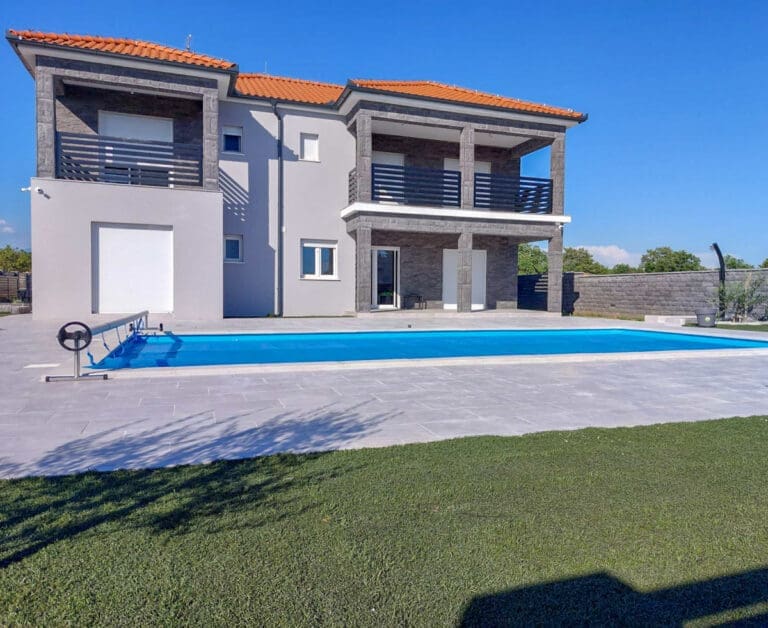
For those weighing up when to go and where to stay once you’ve picked your dates, there’s a full list of villas in Zadar worth browsing.
Zadar Weather and Seasons FAQs
Is Zadar warmer than Split or Dubrovnik?
Zadar sits further north along the Dalmatian coast, so it runs marginally cooler than Dubrovnik year-round, though the difference is small, typically 1-2°C. All three share the same Adriatic climate pattern of hot dry summers and mild wet winters.
How many days of rain does Zadar get in summer?
July and August are the driest months, averaging only a handful of rainy days each, usually arriving as short, sharp thunderstorms rather than prolonged grey spells. Rain becomes far more frequent and sustained from October through December.
When do ferries to the Kornati islands run most reliably?
Ferry and excursion boat schedules to the Kornati islands run at full frequency from roughly May through September, with reduced or seasonal-only services outside that window. Always check current timetables locally, as winter schedules can shrink considerably.
Keep reading
More on Zadar
Guides nearby in Croatia
Where to stay
Villas in Zadar
A selection from our 75 luxury villas in Zadar.