Best Time to Visit La Romana: Dye Fore Golf, Altos de Chavón
The best time to visit La Romana is between December and April, when rainfall is lowest, humidity drops slightly, and daytime temperatures sit comfortably between 26-30°C (79-86°F). May, June and November offer a useful shoulder season with fewer crowds and lower prices, while the Atlantic hurricane season from June to November brings the highest rainfall and the greatest chance of tropical storms.
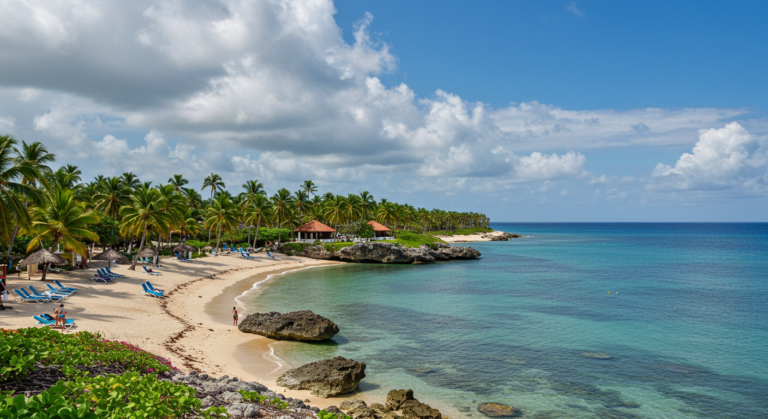
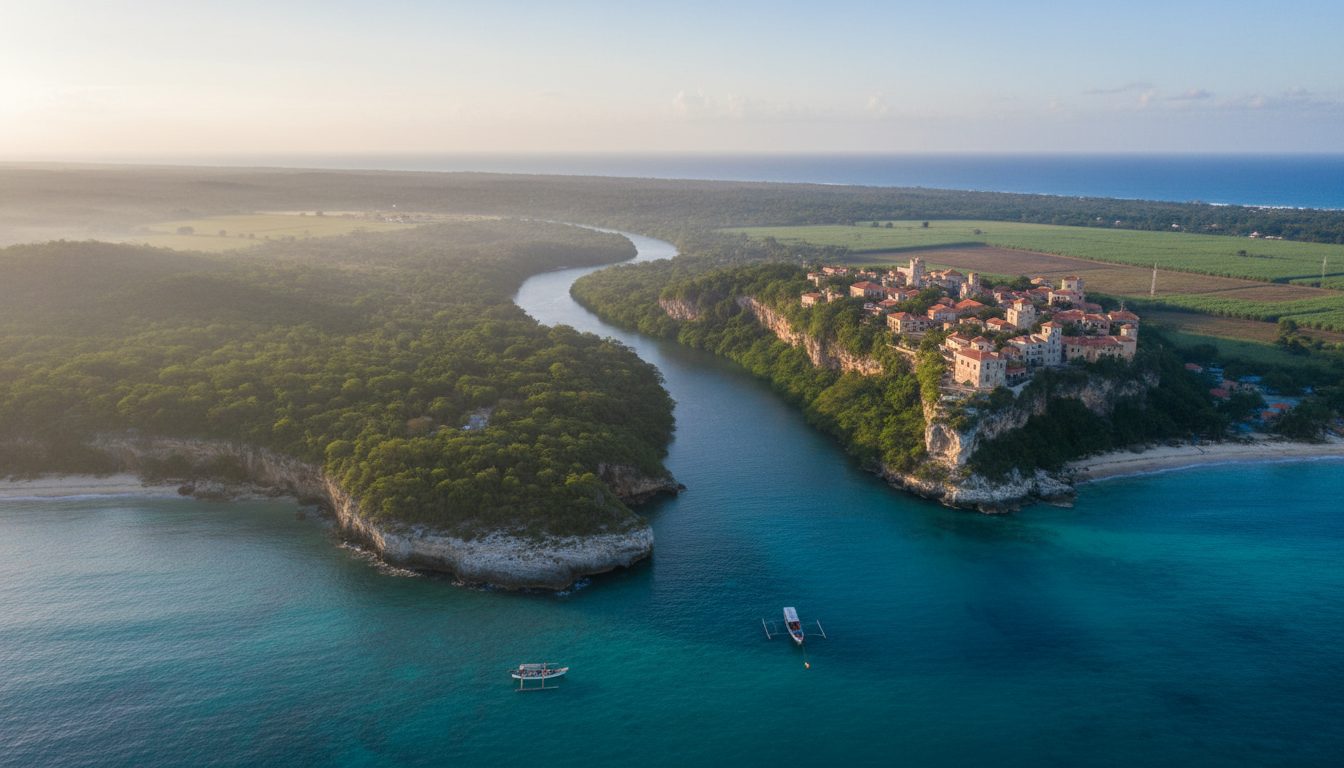
Picture this: it’s a January morning, the air still carries a trace of last night’s cool, and the Caribbean sun hasn’t yet worked itself up into anything aggressive. A round at Dye Fore is unfolding in soft light, the Chavón River gorge dropping away beneath the fairway in a way that makes even indifferent golfers stop mid-swing. By early afternoon you’re on a boat out toward Catalina Island, the water somewhere between turquoise and showing off. This is La Romana doing what it does best, and it’s precisely why the winter months fill up fast. For a wider orientation to the region, the La Romana Travel Guide is worth reading alongside this one.
Best Time to Visit La Romana at a Glance
December through April is peak season – dry, breezy, busy and priced accordingly. May, June and November are shoulder months with decent weather and smaller crowds. July through October bring the heaviest rain and the real risk of tropical storms, but also the quietest beaches and the softest prices of the year. There is no genuinely bad month to visit, only trade-offs between crowd, cost and the odds of an afternoon downpour.
La Romana Weather Month by Month
January and February are the coolest and driest months, with highs around 28°C (82°F), lows dipping to 19°C (66°F) at night, and rainfall at its yearly minimum. March and April warm things up slightly – 29°C (84°F) by day – while rain stays largely absent, which is the main reason this stretch is the most booked-out of the year.
May edges into the warm, wetter half of the calendar, with brief but heavier showers and temperatures climbing toward 31°C (88°F). June through September are the hottest months, hovering between 31-33°C (88-91°F), with humidity that makes the sea breeze feel less like a bonus and more like a biological necessity. Rain in these months tends to arrive in short, dramatic bursts rather than settling in for the day – annoying if you’re mid-beach-walk, but rarely ruinous to a whole trip.
October is the wettest month on record for the region, and also statistically the peak of Atlantic hurricane season. November cools things slightly and dries out as the season winds down, making it a genuinely underrated time to arrive. December starts warm and humid before settling into the dry, breezy conditions that define the high season proper.
Dry Season in La Romana: December to April
This is high season, and it earns the title honestly. Rain is rare, humidity is lower than the rest of the year, and the trade winds keep the heat from becoming oppressive. Daytime temperatures run 27-30°C (81-86°F), with evenings cool enough to make a light layer sensible after dark – a detail first-time visitors packing only swimwear tend to discover the hard way.
Crowds peak around the Christmas and New Year fortnight and again through February and March, when North American and European visitors arrive in numbers to escape their own winters. Golf courses, boat trips to Catalina Island and Saona, and the artisan lanes of Altos de Chavón are all at their busiest and their most atmospheric – there’s a reason everyone wants to be here in February, even if it means sharing the view. Prices for flights and accommodation climb accordingly, particularly around the Christmas-New Year window and the North American spring break period in March.
This season suits travellers who want reliable weather above all else, families working around school holidays, and golfers who’d rather not play through a downpour. It’s the least forgiving season for anyone hoping to avoid other tourists.
Hurricane Season in La Romana: June to November
The Atlantic hurricane season runs officially from June to the end of November, with the statistical peak in September and October. La Romana sits on the southern coast of the Dominican Republic, which generally fares better than the country’s northern or Caribbean-facing stretches during tropical systems, but “generally better” is not the same as “immune,” and named storms have affected the region.
In practice, most days during these months are hot, humid and entirely storm-free, punctuated by short, intense afternoon showers that clear as quickly as they arrive. Humidity is the real daily challenge rather than wind – expect to feel the air before you feel the heat. Hotel occupancy and flight prices drop noticeably, sometimes by a significant margin compared to winter rates, and beaches that are elbow-to-elbow in February can feel pleasantly deserted in August.
This season suits budget-conscious travellers, those with flexible dates who can monitor forecasts, and anyone who finds a dramatic afternoon thunderstorm more atmospheric than alarming. It is not the season for travellers with zero tolerance for schedule disruption or for anyone who has never checked a tropical weather outlook in their life.
Shoulder Season in La Romana: May and November
May and November are the months locals quietly recommend and visitors quietly overlook. Temperatures remain warm – 29-31°C (84-88°F) – rain is present but not yet at its wettest extreme, and the heaviest tourist traffic has either not yet arrived or has already gone home. Hotel rates and villa pricing sit comfortably between the winter peak and the summer trough, offering a reasonable middle ground for anyone trying to balance weather against budget.
Golf courses are quieter, restaurant tables are easier to come by without reservations made weeks in advance, and the sea remains warm enough for swimming without the midsummer humidity that makes even standing still feel like effort. November in particular benefits from the tail end of the rains clearing and a noticeable dip in crowds before the Christmas rush begins. These two months suit travellers who want good weather odds without competing for a sun lounger, and anyone allergic to peak-season pricing.
Festivals and Events in La Romana
The Dominican Republic’s national Carnival season runs through February, building to a crescendo around Independence Day on February 27, with colourful costumed parades and street celebrations that reach La Romana and its surrounding towns alongside the rest of the country. It’s a lively, noisy, genuinely fun time to be anywhere in the Dominican Republic, La Romana included, though hotel and flight prices reflect its popularity.
La Romana also holds its own local patronal festival in late summer, a smaller and more community-focused affair of music, food stalls and church processions that gives visitors a glimpse of daily Dominican life rather than a tourist-facing spectacle. Golf tournaments and sporting events at Casa de Campo’s courses tend to cluster in the drier winter months, when fairway conditions are at their best and spectators don’t need an umbrella on standby.
Who Should Visit La Romana and When
Golfers chasing dry fairways and families working around school calendars should aim for December through April and accept the crowds as the price of good weather. Honeymooners and couples who’d rather not share a sunset with three other boat tours should look at May or November. Budget travellers and anyone comfortable adapting plans around an afternoon shower will find June through October offers the best value of the year, along with noticeably quieter beaches and attractions. Divers and snorkellers aiming for the clearest water around Catalina Island generally find the calmer conditions of late winter and spring most reliable, though visibility varies with rainfall rather than strict calendar dates.
For anyone narrowing down where to base themselves once the timing is settled, there’s a range of villas in La Romana worth looking at.
La Romana Weather and Seasons FAQs
Is La Romana hot all year round?
Yes, temperatures rarely drop below the mid-20s°C (mid-70s°F) even in the coolest months. The real seasonal difference lies in humidity and rainfall rather than temperature swings.
Does La Romana get hit by hurricanes often?
The southern coast where La Romana sits is less frequently struck than the country’s more exposed coastlines, but it is not outside the Atlantic hurricane belt, and named storms have affected the region during the June to November season.
What is the rainiest month in La Romana?
October typically records the highest rainfall of the year, coinciding with the peak of Atlantic hurricane season, though showers tend to arrive in short, heavy bursts rather than extended wet days.
Keep reading
More on La Romana
- Travel guideLa Romana Travel Guide
- RestaurantsBest Restaurants in La Romana
- Food & wineLa Romana Food & Wine
- FamiliesLa Romana with Kids
Guides nearby in Dominican Republic
Where to stay
Villas in La Romana
A selection from our 70 luxury villas in La Romana.
 Rent Hut Villa Dominican Republic
 Bandera Dominican Republic
 Casa de Shenika Dominican Republic
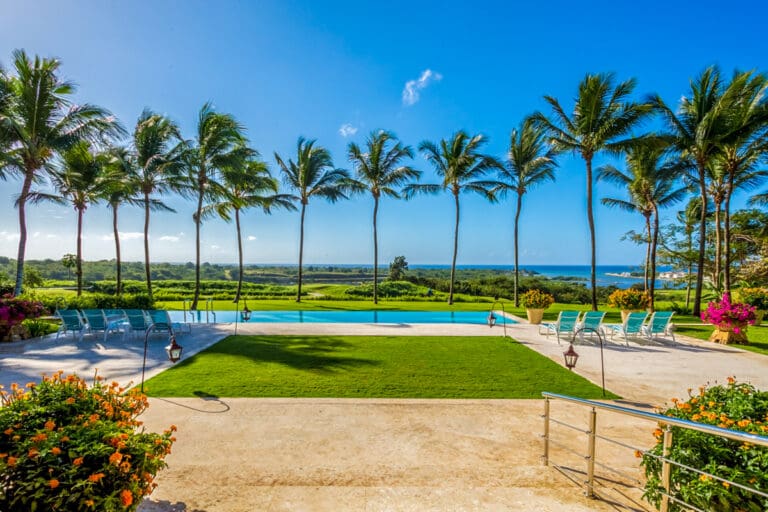 Villa Karmen Dominican Republic
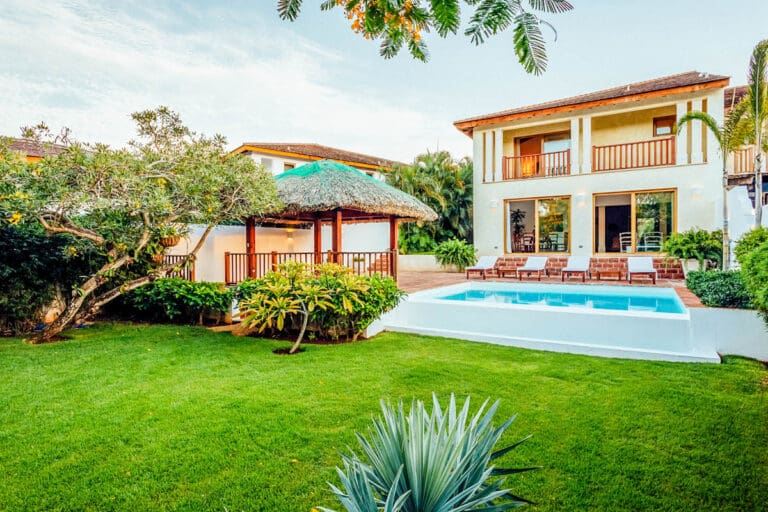 Casa Astryd Dominican Republic
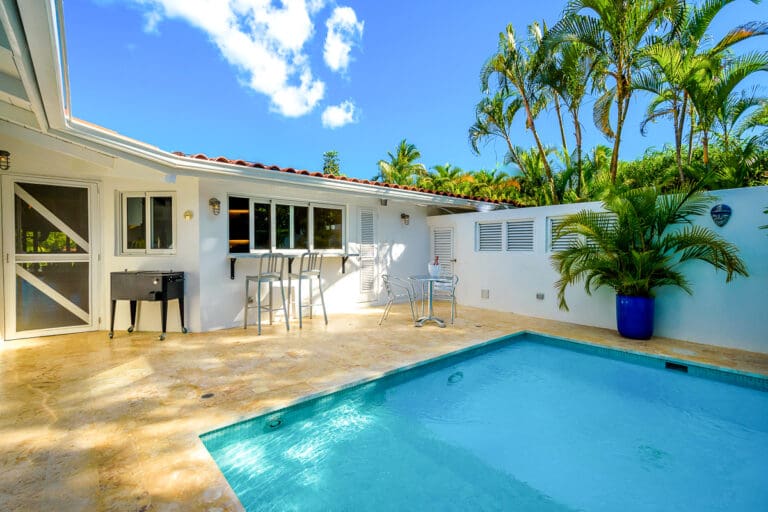 Samana Dominican Republic
See all 70 villas in La RomanaVillas across Dominican Republic