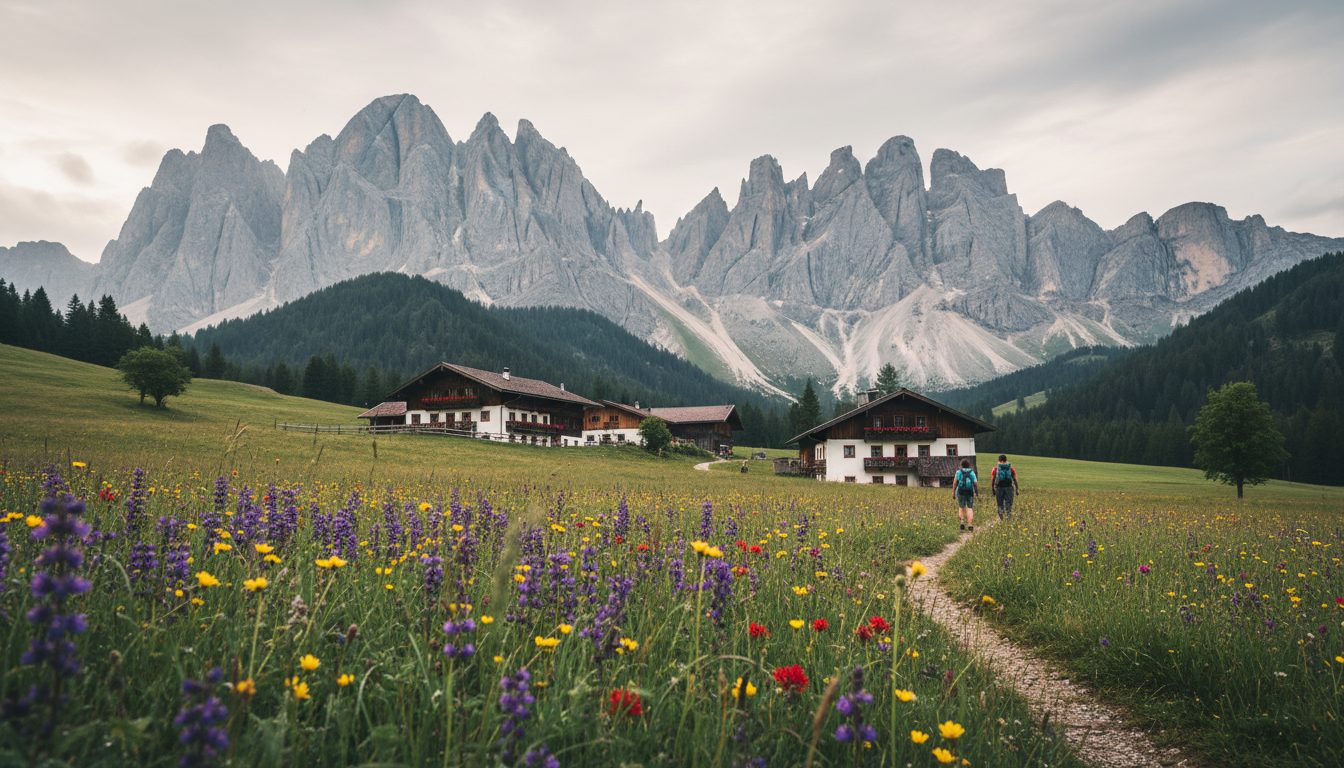
Best Time to Visit Tyrol: Ski Season to Alpine Summer
The best time to visit Tyrol depends on whether you want snow or wildflowers: ski season runs roughly December to April, with peak conditions in January and February, while hiking season runs June to September, peaking in July and August. Winter valley temperatures average -2°C to 4°C (28-39°F), summer days typically reach 20-26°C (68-79°F), and the shoulder months of May and October bring lower prices with far fewer other travellers.
Somewhere above the valley, a cowbell is doing its job rather too enthusiastically. It’s a June morning and the mist hasn’t quite decided whether to lift, so the mountains appear and disappear like a magician’s trick performed in extremely slow motion. By ten the sun has won the argument, the path up through the larch woods has dried out, and you’re sitting on a bench outside a mountain hut eating Kaiserschmarrn the size of a hubcap, because apparently that’s a reasonable thing to do before lunch here. Later there’s a swim in a lake so cold it reorganises your thoughts, then a slow drive back down switchbacks with the windows open. This is Tyrol doing what it does best, and it does it differently depending entirely on when you turn up.
That’s really the point of this guide: Tyrol doesn’t have an off season so much as several entirely different holidays stacked on top of each other, geographically identical but temperamentally unrecognisable. For the full picture of the region – where to go, what to eat, how to get around – the Tyrol Travel Guide covers the broader territory. This piece is about timing.
Best Time to Visit Tyrol: At a Glance
Skiers want December through March, ideally January or February for reliable snow without the Christmas-week crush. Hikers and lake-swimmers want June to September, with July and August at their most lush but also their busiest. Christmas market enthusiasts want late November through December. Anyone chasing value and quiet roads wants May or October – the two months locals quietly prefer and rarely mention to anyone outside Tyrol.
Winter in Tyrol: December to March
Winter is what put Tyrol on the map, and it hasn’t let anyone forget it. Daytime valley temperatures hover around -2°C to 4°C (28-39°F), colder at altitude, with the high resorts regularly sitting well below freezing. Snow reliability is strongest from January onward, once the early-season anxiety about base depth has resolved itself one way or another.
December brings Christmas markets to Innsbruck and the smaller Tyrolean towns – mulled wine, wooden stalls, children on sledges being towed by increasingly resigned parents. Crowds build fast around Christmas and New Year, when prices peak and booking early isn’t optional so much as mandatory. January offers a brief lull after the holiday rush before half-term crowds arrive in February, which is peak ski season proper: cold, bright, reliably snowy, and priced accordingly. March can be excellent for skiing with longer daylight and softer snow, though lower slopes start thinning by late month. Resorts such as St. Anton am Arlberg and Kitzbühel run at full tilt throughout; many smaller valley hotels and some hiking infrastructure simply close, since nobody’s walking anywhere except on skis.
Winter suits skiers, Christmas-market wanderers and anyone who finds a roaring fire a genuine holiday activity rather than a backdrop for one.
Spring in Tyrol: April and May
Spring arrives reluctantly and unevenly – which is its charm, if you’re patient. April is the awkward in-between: ski season winding down, lower slopes patchy, hiking trails at altitude still under snow. Valley temperatures climb to around 8-14°C (46-57°F) by May, with higher ground considerably cooler. Many mountain restaurants and cable cars close for a few weeks in late April as resorts switch from winter to summer mode, so it’s worth checking specific openings before planning a trip around them.
May, though, rewards those who come. Meadows green up fast, waterfalls run full with snowmelt, and the crowds that will arrive by July simply aren’t there yet. Accommodation prices drop noticeably from the winter peak, and the valleys – rather than the high trails – become the main event: walking, cycling, and towns that feel pleasantly under-visited rather than closed for business. It’s an underrated month for anyone who wants Tyrol’s scenery without Tyrol’s queues.
Summer in Tyrol: June to August
This is high season for hikers, cyclists and lake swimmers, and the weather generally delivers: June to August sees daytime temperatures of 20-26°C (68-79°F) in the valleys, with afternoon thunderstorms a regular and fairly dramatic feature of July and August rather than an occasional inconvenience. Pack accordingly – a light rain jacket is not optional vanity here.
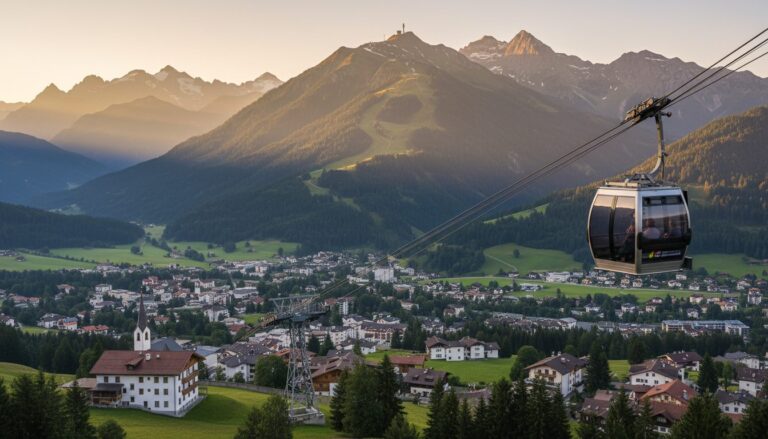
June is arguably the sweet spot: wildflower meadows at their best, trails fully open, lakes warming up, and crowds still building rather than peaked. July and August bring the biggest numbers, particularly around the Zugspitze area and the more famous valleys, with accommodation prices at their highest and popular trailhead car parks filling early – arrive by nine or resign yourself to a longer walk from wherever you can park. Traditional Alpine festivals and the seasonal cattle drives known locally as Almabtrieb, when decorated cows are walked down from high pastures, typically happen in September but preparations and smaller village events run through late summer too. Everything’s open, everyone’s outdoors, and the glaciers at Stubai and Hintertux keep summer skiing alive for those who refuse to put the skis away.
Autumn in Tyrol: September to November
September is, by general consensus among people who actually live here, the best month nobody talks about. Temperatures ease to a comfortable 14-20°C (57-68°F), the summer crowds have mostly gone home, and the Almabtrieb cattle drives bring genuine local colour – cowbells, flower garlands, and villages turning out properly for the occasion. Trails stay largely open into early October, light turns gold on the larches, and prices drop well below summer peaks.
October brings the larch forests into full amber display, a spectacle that draws its own smaller crowd of photographers and walkers without ever feeling crowded. By November, though, Tyrol goes quiet in a slightly melancholic way: too late for serious hiking at altitude, too early for skiing, many hotels and mountain restaurants closing for a few weeks’ maintenance before the Christmas markets and ski season gear up again. It’s a genuine lull, worth knowing about if you’re planning around specific openings rather than simply wanting solitude.
Best Time to Visit Tyrol for Skiing
January and February offer the most reliable snow and the coldest, clearest days, though at peak price and peak crowd. Late November and early December can work for glacier and high-altitude skiing before full resort openings, while March offers a genuine value window – longer days, softer snow, and noticeably thinner crowds once the February half-term rush has cleared out. Anyone flexible on dates should aim either side of the Christmas and February peaks.
Best Time to Visit Tyrol for Hiking
June gives you full wildflower bloom and open trails without August’s crowding. September is arguably better still: cooler, drier, golden-edged, and blessedly free of the thunderstorm risk that shadows high summer afternoons. Both months beat July and August for anyone who’d rather share a mountain path with cows than with a tour group.
Best Time to Visit Tyrol: Shoulder Season Advantages
May and late September into October are where Tyrol’s shoulder seasons earn their keep: accommodation prices fall well below summer and winter peaks, popular trails and towns breathe out, and the weather – while less predictable than high summer – is frequently excellent. The trade-off is that some cable cars, mountain restaurants and smaller attractions close for a few weeks either side of the main seasons for maintenance, so it rewards travellers who check specific openings rather than assuming everything runs year-round. For value and elbow room, these months are hard to beat.
Best Time to Visit Tyrol: The Case for Off-Season
November and the quieter stretches of April have little going for them in terms of activity – too early or late for the main event either side – but they offer something increasingly rare in Tyrol: genuine solitude, near-empty towns, and a chance to see the landscape without a single other person photographing it. Prices bottom out, locals have the place to themselves again, and for travellers who prioritise quiet over activity, that’s not nothing.
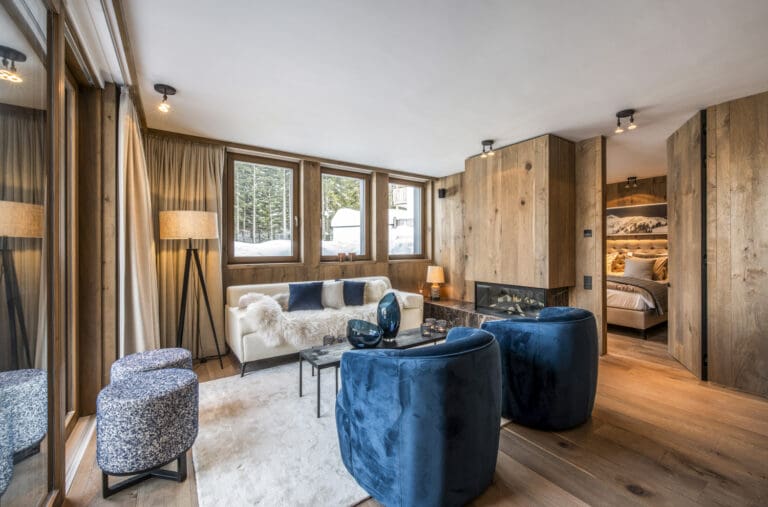
Whenever you decide to go, it’s worth sorting where you’ll actually stay well in advance – villas in Tyrol get booked up fastest around the peak winter and summer weeks.
Tyrol Weather and Seasons FAQs
Is Tyrol good to visit in both summer and winter?
Yes – Tyrol runs two genuinely distinct high seasons, winter skiing from December to March and summer hiking from June to September, with very different scenery, activities and crowds in each.
What is the rainiest time of year in Tyrol?
July and August see the most frequent rainfall, usually as short, sharp afternoon thunderstorms rather than prolonged wet days, so mornings tend to be the more reliable window for outdoor plans.
When do the Christmas markets open in Tyrol?
Christmas markets in Innsbruck and across Tyrol typically run from late November through to the end of December, with the busiest and most festive atmosphere in the two or three weeks before Christmas.
Keep reading
More on Tyrol
- Travel guideTyrol Travel Guide
- RestaurantsBest Restaurants in Tyrol
- Food & wineTyrol Food & Wine
- FamiliesTyrol with Kids
Guides to places in Tyrol
Where to stay
Villas in Tyrol
A selection from our 256 luxury villas in Tyrol.