Best Restaurants in Tyrol: Fine Dining, Local Gems & Where to Eat
What does it actually mean to eat well in the mountains? Not the romanticised version – candles, fondue, a Saint Bernard padding past – but genuinely, seriously, eat well, the way you would in Lyon or San Sebastián or anywhere else that takes food as a civic responsibility? Tyrol answers that question with considerably more authority than most people expect. This is a region that has spent centuries perfecting the art of feeding people who have just come in from somewhere cold and strenuous, and somewhere along the way it quietly produced one of the most interesting dining scenes in the Alpine world. The best restaurants in Tyrol span fine dining, local gems and where to eat across an extraordinary range – from Michelin-starred kitchens in Innsbruck to farmers’ tables where the cheese was made that morning in a barn you can see from the window. The difficulty is not finding somewhere good. The difficulty is choosing.
The Fine Dining Scene: Michelin Stars and Alpine Ambition
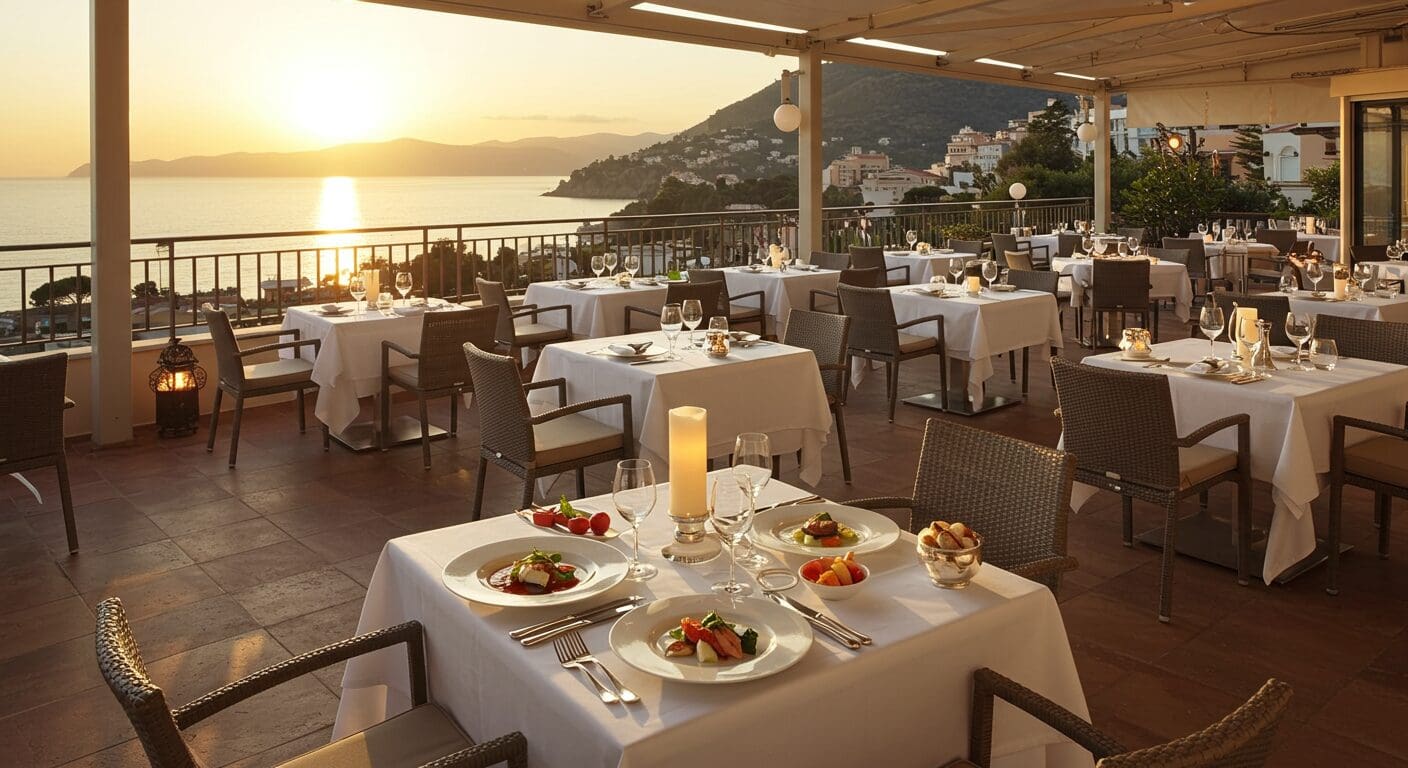
Tyrol punches well above its weight when it comes to serious gastronomy. The region has attracted a cluster of chefs who trained in the great kitchens of Europe and came back – or arrived fresh – to do something genuinely ambitious with Alpine ingredients. Innsbruck is the natural starting point. The Tyrolean capital has a fine dining scene that surprises visitors who arrive expecting nothing more sophisticated than dumplings, and while there is nothing wrong with dumplings (more on that shortly), there is also considerably more on offer.
The broader Austrian culinary tradition that informs Tyrolean high-end cooking is one of rigour and elegance – a Central European seriousness about technique, combined with an increasingly confident use of hyper-local ingredients. Expect tasting menus built around Alpine herbs, freshwater fish from fast cold rivers, venison, chamois, and foraged mushrooms that look like they were sourced by someone who knows exactly which hillside to visit in October. Wine lists at the top end lean heavily on Austrian bottles – particularly whites from the Wachau and Kamptal – alongside thoughtful Italian selections from just over the Brenner Pass. The border is close enough that the Italians are practically neighbours, and the wine lists reflect it.
Several restaurants across the region hold or have recently held Michelin recognition, and the guides have taken an increasingly interested view of what is happening in the Austrian Alps more broadly. If you are serious about booking a tasting menu, plan well ahead – the better rooms fill up weeks in advance, particularly in high season. Restaurant Hotel Schwarzer Adler in Innsbruck is among those with a long-standing reputation for excellence, and for those staying in the wider region, the spa and dining hotel circuit offers serious cooking in settings that understand the meaning of comfort.
Local Restaurants and Traditional Tyrolean Cooking
If the fine dining scene is the ambition, traditional Tyrolean cooking is the soul. And here is where the region becomes genuinely irreplaceable. The Tyrolean kitchen evolved in conditions that demanded both ingenuity and pragmatism – long winters, high altitudes, limited supply chains – and what emerged is a cuisine of extraordinary depth disguised as simple, hearty food. Do not be deceived by the plainness of the presentation. These are dishes that have been quietly perfected over generations.
Käsespätzle – soft egg noodles with melted cheese and crispy onions – is the kind of dish that sounds unremarkable until you eat a proper version of it, after which you will spend the rest of your life measuring all subsequent bowls of pasta against it. Tiroler Gröstl is a pan-fried hash of potatoes, onions, leftover roasted meat and eggs, technically a way of using up yesterday’s dinner, practically a reason to get up in the morning. Schlutzkrapfen are half-moon pasta parcels filled with spinach and ricotta or potato, served with brown butter – the Tyrolean answer to ravioli, and a very good answer it is.
The best place to eat these dishes is not always the place with the most impressive website. Look for a Gasthaus or Wirtshaus with a hand-written specials board, a proprietor who greets regulars by name, and a menu that changes with the season. The higher you go into the valleys, the more honest the cooking tends to become. A mountain hut (Almhütte) serving homemade soup and bread after a morning walk is not a restaurant in the conventional sense, but it is one of the most satisfying eating experiences Tyrol offers.
Innsbruck: Where to Eat in the Tyrolean Capital
Innsbruck rewards proper exploration on foot, and a large part of that exploration will, if you are doing it right, involve stopping to eat. The Old Town – the Altstadt – is compact and beautiful, and the restaurants clustered around the Golden Roof and along the Inn river range from tourist-facing and forgettable to genuinely excellent. The key, as always, is to walk a street or two back from the main drag.
The city has a strong café culture that owes an obvious debt to Vienna – the coffee is taken seriously, the pastries are exceptional, and sitting in a traditional Kaffeehaus with a Melange and a slice of Apfelstrudel on a grey afternoon is one of those unrepeatable pleasures of Austrian life. For lunch, the covered market areas and delis around the centre offer charcuterie, local cheeses and fresh bread that make for an excellent informal meal. For dinner, Innsbruck has a range that covers convivial wine bars, smart brasseries, and the kind of sophisticated modern Austrian cooking described above. The city is small enough that nothing is far, which means you can make genuinely spontaneous decisions – a luxury that cities like London or Paris have largely made impossible.
Food Markets and Producers: Where the Ingredients Come From
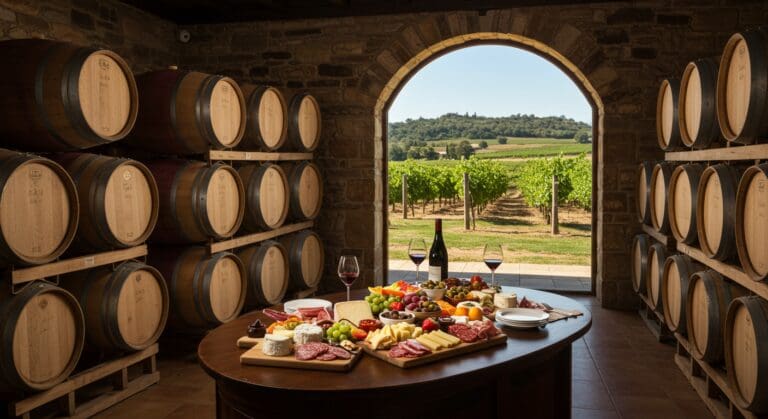
To understand what you are eating in Tyrol, it helps to see where it comes from. The weekly markets in Innsbruck and the larger market towns of the region are not artisanal theatre for tourists – they are functional, seasonal and genuinely used by the people who live here. You will find mountain cheeses aged in stone cellars, smoked speck from farms in the Pustertal valley (cured with mountain herbs and considerably more interesting than the generic product sold in airports), wild mushrooms in autumn, white asparagus in spring, and apples from the orchards of the lower valleys that taste the way apples were supposed to taste before supermarkets got involved.
Speck deserves a particular mention. The South Tyrolean variety – technically over the border in Italy, but close enough to be part of the same culinary conversation – is one of the great cured meats of Europe, and finding a good version in a mountain deli is one of those small, disproportionately satisfying discoveries that makes travelling worthwhile. Order it with dark rye bread and a glass of local wine and you have, without any effort at all, eaten extremely well.
Innsbruck’s Markthalle is worth a visit for anyone interested in local produce. The indoor market offers a concentrated view of Tyrolean food culture – cheeses, meats, seasonal vegetables, pickles, breads and the kind of small-batch preserves that make excellent gifts and even better excuses for buying an extra jar. The Friday outdoor market near the city centre is more expansive and correspondingly more chaotic, but rewarding for those willing to navigate it.
Wine, Schnapps and What to Drink in Tyrol
Austria does not always get the credit its wine deserves, possibly because Austria itself has never seemed particularly bothered about getting the credit. The country produces outstanding whites – Grüner Veltliner and Riesling from Lower Austria in particular – that belong in the conversation with the world’s great wine regions, and a growing body of serious reds from Burgenland. In Tyrol specifically, you are geographically close to South Tyrol’s wine culture, which adds excellent Italian Alto Adige bottles to the mix: Lagrein, Gewürztraminer and Pinot Grigio in styles that bear very little resemblance to the mass-market versions sold everywhere else.
Then there is the schnapps. Tyrolean fruit schnapps – distilled from plums, apricots, pears, gentian root and a range of other Alpine botanicals – is a serious craft tradition, and a small glass after dinner (a Stamperl, as it is known locally) is the correct way to end a meal in these mountains. The quality varies enormously, and a good one from a small distillery is revelatory. A bad one from a tourist shop in a souvenir bottle shaped like a mountain is less so. You will know the difference immediately.
Beer is also taken seriously, with a number of regional breweries producing Lager and Weissbier to exacting standards. In the mountain huts and traditional Gasthäuser, a cold beer at the end of a day’s walking is precisely the right choice, and nobody here will think any less of you for ordering one with dinner.
Hidden Gems: The Restaurants Tyrol Doesn’t Advertise
The most interesting meals in Tyrol are often the least publicised. The region has a culture of hospitality that predates the tourism industry – when people came through these mountain passes, you fed them, because there was nowhere else to go and it was the right thing to do. That ethic survives, diluted but recognisable, in the smaller family-run establishments that the guidebooks have not yet fully discovered.
Look for restaurants attached to working farms – Urlaub am Bauernhof properties often serve meals to guests that are among the most direct expressions of Tyrolean food culture you will find. The produce is from the farm itself, the recipes are family ones, and the cooking has the particular confidence of people who are not trying to impress anyone. In the Ötztal, Zillertal and Stubai valleys, smaller villages have their own restaurant cultures that are distinct from the resort-facing operations in the larger ski towns – quieter, more personal, and often considerably better value.
The trick, as with most things in travel, is to ask someone local where they actually eat. Not where they send visitors. Where they go themselves. The answer is rarely the place with the most impressive Instagram presence.
Reservation Tips and Practical Advice
Tyrol operates on two distinct calendars – winter ski season and summer walking season – and the restaurant scene shifts accordingly. The top tables in Innsbruck and the major resort towns fill up quickly during peak periods (December to March for skiing, July and August for summer hiking), and reservations for the better restaurants should be made at least two to three weeks in advance, more for anything with Michelin recognition. Many restaurants close between seasons – typically in November and May – and hours can be irregular in the shoulder months, so checking ahead is not overcaution but necessity.
The mountain huts operate on a first-come basis and do not take reservations, which is part of their charm. Arriving at a Hütte to find a bench in the sun and a bowl of Gulaschsuppe waiting is one of those simple pleasures that expensive restaurants occasionally try and fail to replicate. Dress code at the top end of the fine dining spectrum tends toward smart casual – Tyrol is not Vienna, and nobody is expecting black tie, but arriving in hiking boots at a Michelin table is the kind of thing that generates politely concerned looks from the maître d’.
Many restaurants across the region speak excellent English, particularly in Innsbruck and the main ski resorts, but attempting a few words of German is always appreciated. “Bitte” and “Danke” go a long way. They always do.
Eating Well from a Luxury Villa
For those staying in a luxury villa in Tyrol, the dining experience extends well beyond restaurant reservations. The best villa properties in the region come with the option of a private chef – someone who can source ingredients directly from local producers, markets and farms, and bring the full range of Tyrolean cuisine (or whatever else you might want) directly to your table. It is, frankly, a very civilised way to eat. You get the quality of serious cooking without the choreography of a restaurant evening, and the view from the dining room tends to be considerably better. For multi-generational groups, families with young children, or anyone who simply wants a leisurely dinner at their own pace, a private chef transforms a villa stay from comfortable to genuinely exceptional.
To plan your broader trip to the region, the complete Tyrol Travel Guide covers everything from getting there and the best seasons to visit, to activities, culture and what to see beyond the dining table.