Best Time to Visit Setúbal: Month by Month Weather, Crowds & Tips
It is early October, and a local fisherman is hauling blue crab traps from the glassy waters of the Sado Estuary while a pair of dolphins – because of course there are dolphins – arc lazily through the boat’s wake. The light has that particular amber quality you only find in southern Portugal at this hour, hitting the limestone cliffs of the Serra da Arrábida at an angle that makes photographers briefly lose their minds. The beach below is yours, entirely. This is not a coincidence. This is what happens when you time a trip to Setúbal correctly.
Setúbal is one of those Portuguese destinations that rewards the traveller who does a little homework. Come at the wrong moment and you will share its extraordinary coastline with half of Lisbon on a Sunday afternoon. Come at the right moment and you will wonder, genuinely, how a place this good has stayed this quiet. The answer, invariably, is timing. So let us talk about that.
Understanding Setúbal’s Climate: The Basics
Setúbal sits roughly 50 kilometres south of Lisbon in the lee of the Serra da Arrábida, a mountain range that does double duty as both a natural park and a very effective windbreak. This positioning gives Setúbal a reliably warm, dry Mediterranean climate – long, sunny summers, mild winters, and springs and autumns that put most of northern Europe to considerable shame. Annual sunshine hours hover around 2,900. Rain, when it comes, comes mostly between November and March and tends to be short-lived rather than the sustained grey drizzle of more northerly climes. The Sado Estuary moderates temperatures somewhat, keeping winters slightly warmer and summers slightly more bearable than the baking interior of the Alentejo just to the east. In practical terms: Setúbal is accessible and enjoyable in every season. The question is simply which version of it you want.
Spring in Setúbal: March, April and May
Spring arrives early and emphatically in Setúbal. By March, the Serra da Arrábida is already showing off – the limestone hillsides dressed in wild flowers, the cistus and rosemary in full bloom, the air carrying that particular clean scent that walkers will tell you about at some length. Temperatures in March sit between 10°C and 17°C, cool enough to make a morning hike in Arrábida Natural Park genuinely pleasant rather than an endurance test. April warms steadily towards 20°C and May regularly touches 24°C, delivering long, clear days with the sea beginning to tempt the more adventurous into the water – though the Atlantic has opinions about this that may differ from yours.
Crowds in spring are light to moderate. Easter weekend brings a surge from Lisbon – the beaches near Portinho da Arrábida and Galapinhos fill briefly, then empty again. Outside of those few days, spring visitors largely have the place to themselves. Prices for villas and accommodation remain in shoulder-season territory well into May, which makes this one of the most intelligent times to visit if your budget has any say in the matter. Birdwatchers should note that the Sado Estuary in spring is exceptional – the flamingos are present, the migratory species are moving through, and the whole estuary takes on a quality that is quietly, almost embarrassingly beautiful. Families with school-age children will find this tricky to navigate, but couples and small groups will find spring close to ideal.
Summer in Setúbal: June, July and August
Summer is when Setúbal becomes very popular very quickly, and it is worth being clear-eyed about what that means. June is still manageable – temperatures average around 27°C, the sea has finally warmed to something that doesn’t require psychological preparation, and the beaches, while busier, are not yet overwhelmed. July and August are different. The mercury climbs reliably to 30°C and above, Lisboetas flood south on weekends, and the most famous spots along the Arrábida coast require an early morning start if you want any semblance of peace. There is a car park situation at certain beaches that could test the patience of a saint.
And yet. Summer in Setúbal has a particular energy – the fish restaurants along the waterfront are in full swing, the outdoor evening culture is at its most alive, and the sea is warm enough to genuinely linger in. The Festa de São João in June and various municipal festivals through July bring music, street food and a very particular kind of cheerful local chaos to the town centre. Families will find summer well-suited – beach-focused, activity-rich, and socially lively. Couples after solitude should consider going early in the morning or late in the afternoon, when the day-trippers retreat and Setúbal remembers itself. Book villas well in advance for July and August; the good ones disappear by January.
Autumn in Setúbal: September, October and November
September is, by a comfortable margin, the month that most experienced travellers to this part of Portugal would choose if forced to pick only one. The summer crowds begin to thin from the second week onwards, the sea temperature peaks at around 22°C – warmer, paradoxically, than August in some years – and the light shifts into something photographers describe as golden and the rest of us simply stare at. Temperatures stay well above 25°C through most of September, dropping more gently into October’s 20°C range than you might expect. October remains genuinely warm, genuinely sunny, and almost entirely uncrowded.
This is the window that the opening scene of this article was describing. The dolphins in the Sado Estuary are reliable in autumn. The seafood is at its finest – the spider crab season is under way, the local fish markets are busy, and restaurants that were frantic in August have time to breathe and cook properly. November brings a sharper chill and the first proper rains, though ‘proper rains’ in Setúbal still means most days are dry enough for walking and sightseeing. Prices drop noticeably from September onwards, and the shoulder-season sweet spot of late September to mid-October offers summer-quality weather at autumn prices. For couples and anyone interested in the natural landscape – the hiking in Arrábida is genuinely world-class at this time of year – autumn is the answer.
Winter in Setúbal: December, January and February
Winter here is not what winter means anywhere north of Madrid. Temperatures in December and January sit between 8°C and 15°C – cold enough for a jacket, warm enough to eat lunch outside on a south-facing terrace if you choose your spot. Rain comes in bursts, interspersed with stretches of clear, bright days that have a quality all their own. The Sado Estuary in winter light is something that landscape photographers travel specifically for. It is very quiet. The tourist infrastructure is reduced but not absent – restaurants are open, the town is functioning, the markets are running. Some beach facilities and smaller cafes along the Arrábida coast operate reduced hours or close entirely, so a little forward planning pays off.
Winter suits a specific kind of traveller: those who want to see a place as it actually is rather than as it performs for visitors. In Setúbal in January, you will have the estuary boat trips almost to yourself. You will eat extremely well without a reservation. You will walk the coastal paths of Arrábida with, quite possibly, no one else in sight. Villa prices are at their annual low, and the region rewards slow, curious exploration rather than the beach-rotation strategy of summer. It is not, it should be said, a beach holiday. But if a beach holiday is not what you are after, winter in Setúbal has a quiet authority that is hard to argue with.
Month by Month at a Glance
January: Cool, quiet, occasionally rainy. Average 14°C. Excellent for hiking and the estuary. Very low prices.
February: Similar to January with increasing sunshine. Almond blossom begins to appear in the surrounding countryside. Still very quiet.
March: Spring arrives noticeably. Temperatures begin climbing. Wildflowers across the Serra. Light crowds outside Easter.
April: Warm and beautiful. Easter weekend busy. Otherwise one of the most rewarding months to visit.
May: Sea still cool but days are long and warm. Excellent shoulder-season value. Increasingly popular with European visitors.
June: Early summer – warm, manageable, sea temperature rising. Local festivals add character. Still ahead of the main rush.
July: High season proper. Very warm, very busy at weekends. Book early. Lively evenings.
August: Peak of everything – heat, crowds, prices, atmosphere. Plan beach visits for early morning.
September: The insider’s month. Warm sea, thinning crowds, lower prices, outstanding light. Hard to beat.
October: Excellent walking weather. Quiet, warm enough, sea still swimmable early in the month. Dolphin and crab season.
November: Transition month. Some rain. Noticeably quieter. Good for town-focused visits and the estuary.
December: Winter sets in gently. Christmas atmosphere in town. Very quiet. Low prices and atmospheric days.
Who Should Visit When: A Practical Summary
Families with young children will find July and August the most convenient – the sea is warm, activities are in full operation, and the social atmosphere is easy. The trade-off is cost and crowds, and both are real. Families who can manage a June or September visit will find those months offer almost everything August does with considerably less of the friction.
Couples after romance and the kind of quiet that lets you actually hear each other will find September, October, and April the most naturally accommodating. These are months when Setúbal feels like a discovery rather than a destination, and that feeling is worth something.
Groups – whether friends, multi-generational families, or the kind of travelling party that fills a villa and needs a wine-to-occupant ratio carefully managed – will enjoy the flexibility that a villa gives them in any season, though late spring and early autumn offer the best combination of weather, cost and atmosphere. Anyone visiting primarily for the natural landscape, the hiking in Arrábida, or the wildlife of the Sado Estuary should consider autumn or spring without reservation.
Planning Your Trip
For everything you need to know about getting there, what to do, where to eat, and how to make the most of the region beyond the beach, our Setúbal Travel Guide covers the destination in full. It is the kind of research that saves you from making the sort of errors that seem minor until you are standing in a car park at 11am in August wondering where the beach went.
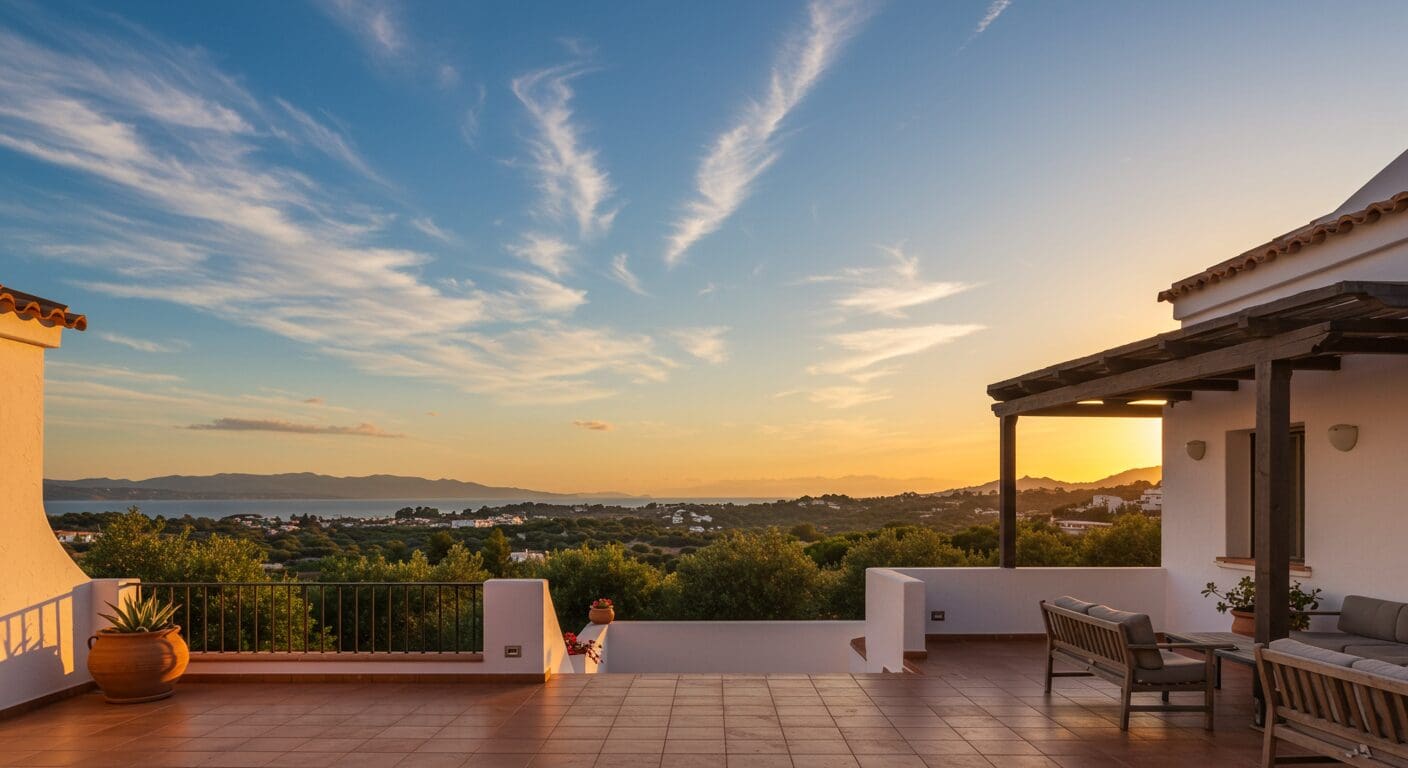
If you are ready to think about where to stay, the right villa changes everything about a trip to Setúbal – the private pool when the beaches are busy, the terrace for evening meals, the space to spread out after a day in the natural park. Browse our selection of luxury villas in Setúbal and find the one that fits your season, your group, and your version of the trip.