Saint James Food & Wine Guide: Local Cuisine, Markets & Wine Estates
Saint James Food & Wine Guide: Local Cuisine, Markets & Wine Estates
Here is the thing every glossy spread about the Cape Peninsula conveniently skips: Saint James is not False Bay’s supporting act. The village sits between Muizenberg and Kalk Bay on the eastern edge of the peninsula, close enough to both that it borrows their energy without inheriting their crowds, and its position – sea on one side, mountain on the other – shapes everything that ends up on the plate. The cold Benguela current running up the Atlantic side keeps the Constantia wines precise and high-shouldered. The warmer False Bay water, just here, produces crayfish and snoek of uncommon quality. The market gardeners of the Cape Flats are thirty minutes away. This is not a food destination that announces itself. It rewards the curious, the patient, and anyone willing to eat something that swam this morning rather than flew in from elsewhere.
The Regional Cuisine: What You Are Actually Eating
Cape Malay cooking is the quietly brilliant backbone of the food culture around False Bay, and Saint James sits squarely within its gravitational pull. It arrived with the enslaved and indentured people brought from the Dutch East Indies in the seventeenth and eighteenth centuries, and it stayed because the food is, frankly, spectacular. The defining characteristic is restraint in the use of chilli and generosity with aromatic spice – cardamom, coriander seed, turmeric, tamarind – combined with local ingredients that nobody in the Dutch East India Company’s accounts department had anticipated. The result is a cuisine that is simultaneously South African and unlike anything else in South Africa.
Bobotie is the dish you will encounter first – a baked spiced mince with an egg custard top that reads as comfort food until you actually taste it, at which point the tamarind and apricot jam and bay leaf reveal themselves in slow sequence. Bredie is the Cape’s definitive slow braise: tomato bredie, waterblommetjie bredie (made with a local aquatic flower that has no equivalent anywhere else in the world), lamb neck cooked until the kitchen smells like somewhere you want to stay. Sosaties – marinated, skewered meat grilled over fire – are the Cape’s original braai contribution, older and more interesting than the peri-peri tradition that tends to get more international press.
Then there is the seafood, which deserves its own paragraph and possibly its own religion. Snoek – a long, oily, fearsomely bony fish related to the barracuda – is smoked, braised with apricot, or braaied over coals and served with pap or fresh white bread and a sort of total disregard for anything so uptight as a knife and fork. West Coast rock lobster (what visitors call crayfish, what locals simply call kreef) appears in everything from township shacks to white-tablecloth restaurants, and the version served grilled over coals with drawn butter and a dry Chenin Blanc is one of the Cape’s most straightforward and entirely unrepeatable pleasures.
The Wines: Constantia and the False Bay Producers
Saint James has the good fortune to sit between two of the Cape’s most compelling wine stories. To the north, within twenty minutes’ drive, the Constantia valley produces wines of genuine historical significance – this is where Napoleon’s favourite Muscat was made, where some of South Africa’s oldest vineyards still produce, and where the maritime influence of two oceans creates conditions that suit Sauvignon Blanc, Semillon and late-harvest Muscat in ways that warmer inland regions simply cannot replicate.
Groot Constantia, the oldest wine estate in South Africa, is the obvious starting point – and yes, every tour bus from Cape Town goes there, but they are mostly focused on the museum and the gift shop, which means the tasting room is calmer than you might expect. The Gouverneurs Reserve Sauvignon Blanc and the Semillon are worth serious attention. Klein Constantia is where the real obsessives go: their Vin de Constance dessert Muscat is the wine that allegedly consoled Napoleon during his exile on Saint Helena, and tasting it is one of those experiences that makes the phrase “historic bottle” feel like an understatement rather than a marketing claim.
Buitenverwachting and Steenberg are the other Constantia estates to know. Steenberg in particular has achieved something difficult in South African wine: it makes Sauvignon Blanc that is genuinely interesting rather than merely competent, along with a Nebbiolo and a Catharina Bordeaux blend that suggest the estate is thinking harder than most. The restaurant at Steenberg is one of the Cape’s better lunch destinations – the kind of place where the wine list is long enough to require strategy and the kitchen does not embarrass the cellar.
For those interested in emerging Cape producers, the False Bay Wine Company (not to be confused with a geographical designation) and a scattering of small producers working with old-vine Chenin Blanc in the broader Stellenbosch and Franschhoek area are within comfortable reach. The wine culture here rewards curiosity: South African wine is in a genuinely exciting phase, shedding its old reliance on heavy Cabernet and discovering that restraint, acid and terroir are more interesting than extraction and new oak. This is a good time to be paying attention.
Markets: Where the Serious Eating Begins
The Kalk Bay morning market is the kind of place that should have terrible parking and does, but nobody complains because the bread alone justifies the walk from wherever you eventually leave the car. The stalls change by season, which is the first indicator that this is a real food market rather than a performance of one – you will not find Cape strawberries in August, and anyone selling asparagus year-round has questions to answer. Look for the older women selling koesisters, the Cape Malay version – plaited, fried, drenched in syrup scented with coconut, ginger and cardamom, and entirely different from the Afrikaner version despite sharing a name. It is the sort of culinary divergence that keeps food historians employed.
The Neighbourgoods Market at the Old Biscuit Mill in Woodstock is technically a forty-minute drive but worth including in any serious Saint James food itinerary. Saturday mornings bring together the Cape’s best small producers, bakers, cheese makers, charcutiers, coffee roasters and an entire section of hot food from around the world prepared by people who know what they are doing. The crowd is younger, louder and more tattooed than the Constantia wine estates, which is either a feature or a bug depending on your Saturday morning temperament.
Smaller, more intimate and much easier to navigate is the Muizenberg farmers’ market, which happens on weekend mornings and tends to produce the kind of encounter where you end up buying more citrus and smoked fish than you can reasonably carry back to the villa. The vendors here are predominantly small-scale producers from the Overberg and Cape Flats: biodynamic fruit growers, a family who has been smoking snoek the same way for three generations, a woman who makes preserves that should be available internationally but are not, which is arguably both a tragedy and an incentive to come here.
Cooking Classes and Food Experiences
The most valuable cooking education available around Saint James is Cape Malay cooking, and finding a good class is a matter of asking the right people rather than Googling. The Bo-Kaap neighbourhood in Cape Town – the spiritual and culinary home of Cape Malay culture – offers a number of home cooking experiences led by families who have been making bobotie, koeksisters and denningvleis for generations. These are not demonstrations: you are expected to participate, make mistakes with the spice measurements, and eat the results. The results are invariably good. The experience is invariably better.
For those drawn to fire-based cooking – and the Cape’s braai culture is worth taking seriously as a culinary tradition rather than dismissing as outdoor grilling – there are specialists in the area who teach the art of wood-fire management, the correct treatment of snoek over coals, and the timing principles that separate a good braai from an expensive pile of ash. It is more technical than it looks, which anyone who has attended a Cape braai and quietly watched the designated fire-keeper will already suspect.
Wine-focussed experiences at the Constantia estates range from standard tastings to cellar tours with the winemaker, harvest experiences (between February and April), and blending sessions where you are given component wines and the somewhat alarming instruction to make something better than the estate’s existing blend. Most people discover that winemaking is harder than it appears. A few people produce something surprisingly good. The estate keeps the credit regardless.
Olive Oil and the Broader Produce Landscape
The Western Cape’s olive oil industry is younger than its wine industry but equally serious, and the olive farms of the Franschhoek valley and the Swartland are close enough to Saint James to merit a day trip structured around nothing more than eating well. Cape olive oil tends toward the green, grassy, high-polyphenol style – this is a climate that produces olives with character rather than merely with yield, and the best producers treat the oil with the same attention to varietal expression and terroir that the better winemakers apply to their Chenin Blanc.
The Franschhoek area in particular has developed a small but rigorous artisan food community: cheesemakers working with local milk to produce Cape variations on European styles, charcutiers curing with local fynbos honey and rooibos, vegetable growers running direct farm tables where the menu is determined by what came in that morning. It is the kind of food culture that takes ten years to build and fifteen minutes to become completely addicted to.
Rooibos – the indigenous herbal tea grown exclusively in the Cederberg mountains north of the Cape – appears throughout the regional food and drink culture in ways that go well beyond the tea bag. It turns up in spice rubs for game meat, in cocktails at the more inventive Cape bars, in ice cream, in vinaigrettes. Whether all of these applications are strictly necessary is a matter of opinion. The ice cream is very good.
The Best Food Experiences Money Can Buy
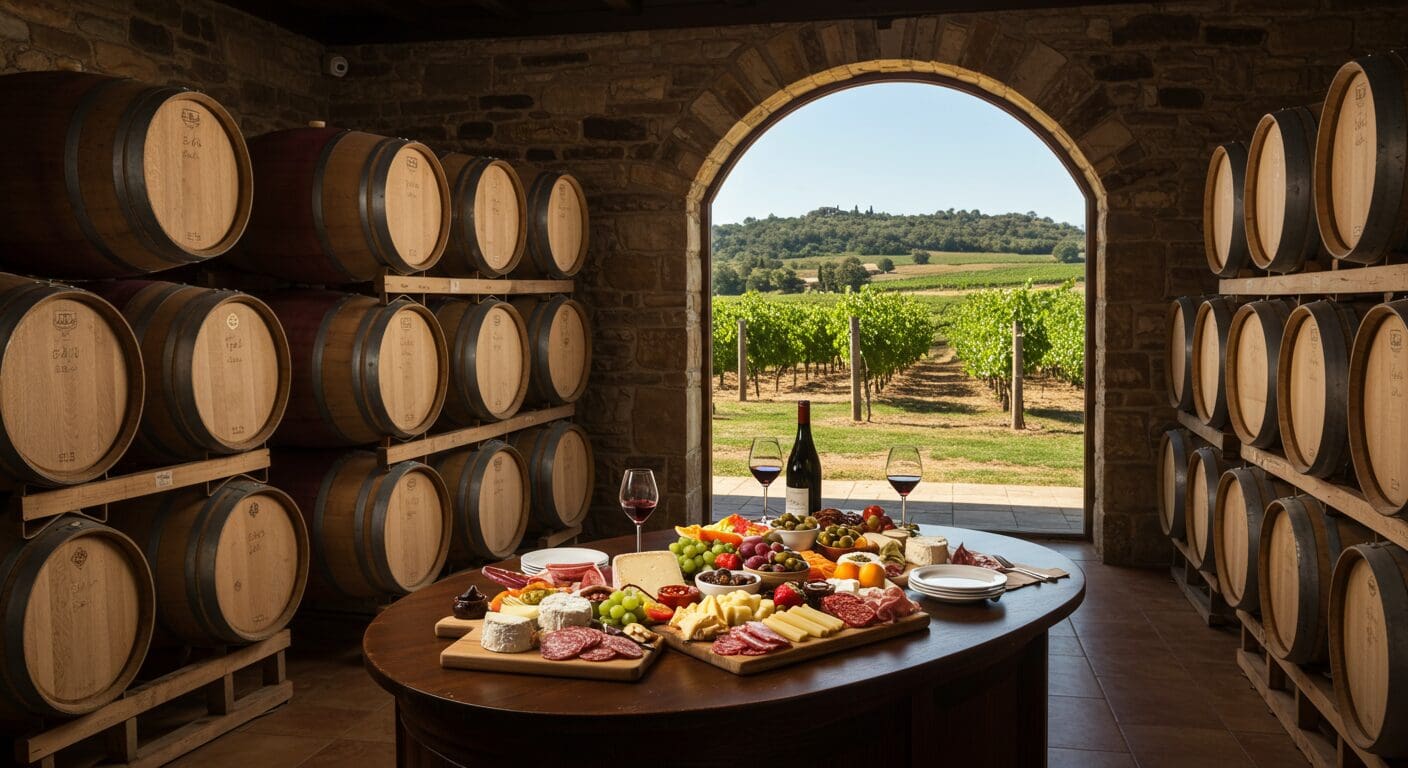
A private tasting at Klein Constantia, arranged in advance and conducted in the barrel cellar with the estate’s winemaker, accompanied by a cheese and charcuterie selection sourced from the Franschhoek producers – this is the kind of experience that the Constantia valley does quietly and without fanfare, which makes it all the more satisfying. The Vin de Constance is better in this context than anywhere else. Napoleon, famously, had to make do with whatever they could ship to the South Atlantic. You will not have this problem.
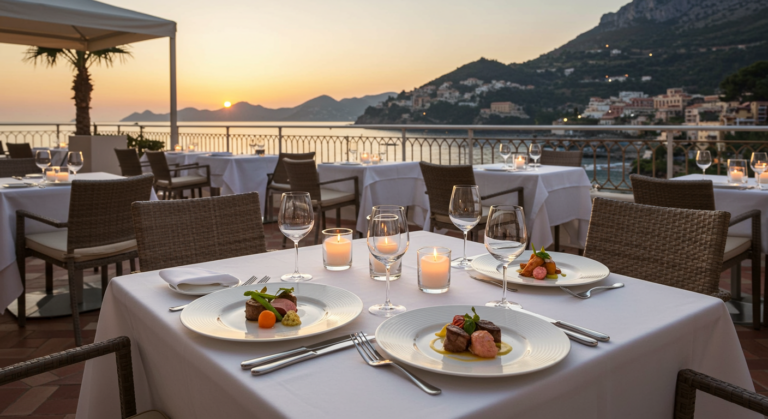
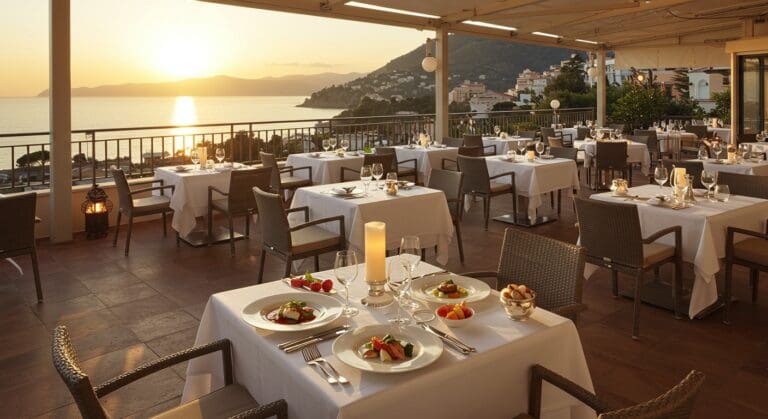
A private boat trip on False Bay, departing from Kalk Bay harbour, with a chef and a cooler of Steenberg Sauvignon Blanc and whatever kreef came up that morning – this is not an officially packaged product so much as an arrangement that rewards knowing the right people. The villa concierge service, if you are staying in a well-managed property, is the place to start that conversation. The alternative is to eat the same kreef at the harbour’s informal restaurants, which is also excellent and substantially less complex to organise.
A full day through the Cape Winelands with a private guide who understands that “tour” means tasting at Steenberg, lunch at a working farm table in Franschhoek, an afternoon at a small Chenin Blanc producer in the Swartland, and dinner back on the peninsula with a bottle opened from something you bought that afternoon – this is what a food and wine day in the Cape looks like when it is done properly. It does not require a bus. It does not require a schedule. It requires a driver and a certain willingness to let the day determine the pace.
For the full context of what to see, where to stay and how to move around the area, the Saint James Travel Guide covers the broader destination in detail – worth reading before you start planning the serious eating.
Stay Well, Eat Better
The honest reason to base yourself in Saint James rather than Cape Town proper for a food and wine focused trip is proximity: you are minutes from the Kalk Bay market, fifteen minutes from Constantia, forty minutes from the Winelands, and close enough to the harbour that the snoek is still warm by the time it reaches the kitchen. A well-equipped villa with a serious kitchen also opens up the obvious option of bringing the market back to the property – something that changes the calculus of every morning considerably.
If you are ready to plan the logistics, our collection of luxury villas in Saint James includes properties with professional kitchens, wine cellars, and the kind of outdoor entertaining spaces where a Cape braai becomes less of a meal and more of an event. The kreef, as noted, you will need to source yourself. We can help with everything else.
What is the best time of year to visit Saint James for food and wine experiences?
February to April is harvest season in the Cape Winelands, which means cellar access, fresher grape varieties at markets, and the particular energy of working estates mid-vintage. Late spring (September to November) brings exceptional seafood, fresh produce from the Cape Flats, and markets at their most varied. Summer (December to January) is peak season with everything open and operating at full capacity, though the most popular estates and restaurants fill quickly – advance booking is essential during this period.
Which wine estates near Saint James offer the best visitor experiences for serious wine travellers?
Klein Constantia and Steenberg are the two estates that consistently reward serious wine travellers rather than casual visitors. Klein Constantia’s Vin de Constance is one of the Cape’s most historically significant wines, and private tastings can be arranged in advance. Steenberg offers winemaker-led tastings with an unusually diverse range including Nebbiolo and Bordeaux blends alongside their well-regarded Sauvignon Blanc. Groot Constantia is worth visiting for the historical context and the Reserve wines, ideally on a weekday morning before the day-tour coaches arrive.
Where can I find authentic Cape Malay food near Saint James?
The most direct access to Cape Malay cooking is through the Bo-Kaap neighbourhood in Cape Town, approximately thirty minutes from Saint James, where several family-run cooking experiences and restaurants operate with genuine generational knowledge of the cuisine. The Kalk Bay market, a short drive along the coast, reliably features Cape Malay baked goods and preserved fish. For a more immersive experience, a privately arranged cooking class in Bo-Kaap – best organised through your villa concierge – provides hands-on instruction in dishes like bobotie, waterblommetjie bredie and the Cape Malay variation of koeksisters.