Best Restaurants in The Hamptons: Fine Dining, Local Gems & Where to Eat
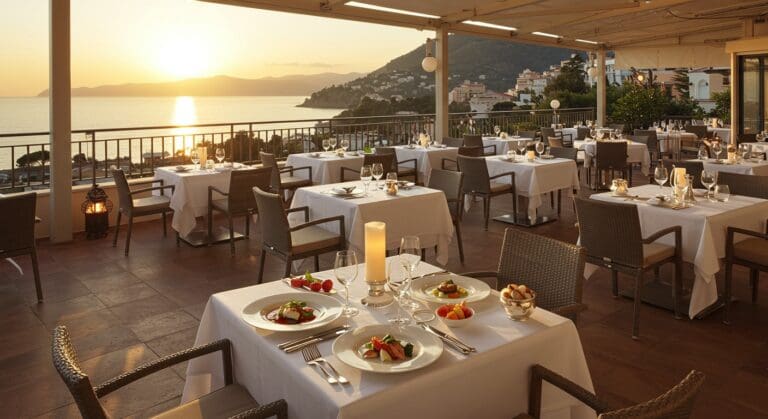
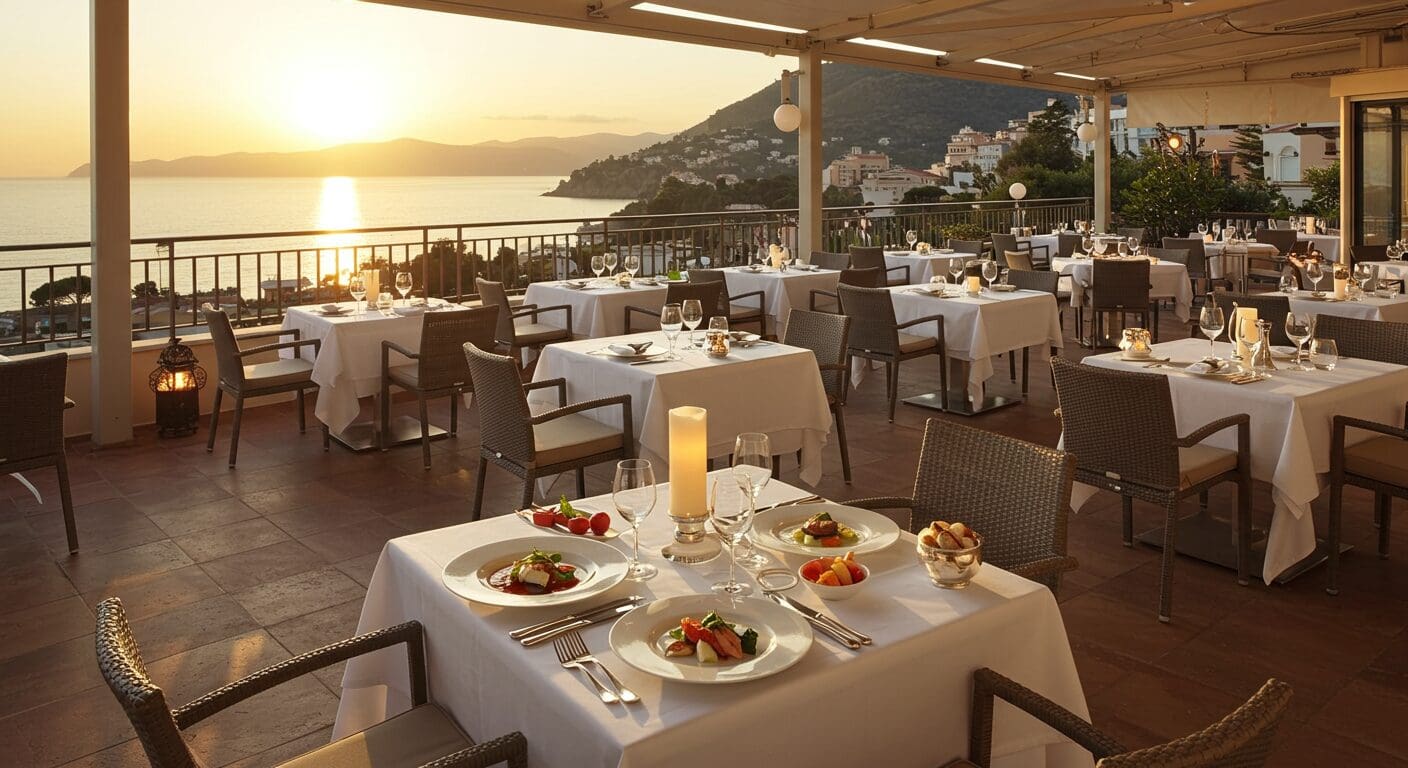
It is a Thursday evening in late July. You are sitting on a deck somewhere between Amagansett and Montauk, the light doing that thing it does on the East End – going golden and then pink and then a shade of amber that no paint manufacturer has ever successfully named. Someone at the next table has ordered the lobster. It arrives looking as though the ocean delivered it personally. A glass of chilled rosé appears. The conversation slows without stopping. This, more than the parties or the hedgerows or the real estate gossip, is the real rhythm of the Hamptons: eating well, eating often, and doing it with the Atlantic close enough to smell.
The Hamptons dining scene is one of the most quietly serious in the United States. Serious about ingredients, about provenance, about the rituals of the table – and yet never stuffy in the way that Manhattan restaurants can sometimes be. The geography helps. When you are this close to the ocean, to the farms, to the vineyards of the North Fork, it is difficult to phone it in. The best restaurants here know that. So do the worst ones, which is why the worst ones do not tend to survive long. These are, after all, guests with options.
What follows is a guide to eating and drinking in the Hamptons – where to go for a proper occasion, where to go when you want your feet in the sand, where to go when you want to feel like a local rather than a tourist, and where to go when you want both simultaneously, which is most of the time.
The Fine Dining Scene: White Tablecloths and Wood-Fired Ambition
The Hamptons does not have Michelin stars in the way that New York City does – the Michelin guide’s reach has historically not extended this far east on Long Island – but do not mistake absence of a star for absence of quality. The fine dining here operates on its own terms, and those terms are, frankly, rather good.
The 1770 House Tavern in East Hampton is the standard-bearer for what considered, unhurried dining looks like out here. The building has been standing since before America existed as a concept, and the low beams and candlelit rooms carry that weight gracefully rather than making a fuss about it. The menu reads like a love letter to the region’s larder: Hudson Valley foie gras prepared with the kind of care that justifies the price, New York strip steak that arrives exactly as ordered, marinated swordfish that makes you wonder why you ever ate anything else. The cooking is precise without being theatrical. There is no molecular foam. There is no deconstructed anything. For this, the 1770 House deserves considerable gratitude.
Book well in advance, especially for weekends in July and August. The Hamptons operates on a reservation economy that can feel almost adversarial if you arrive unprepared. The restaurants are not being difficult. There are simply a great many people who want to eat well in a very small stretch of the world, all at the same time.
Nick & Toni’s: The Room That Always Knows Someone You Know
If the 1770 House is the Hamptons of centuries past, Nick & Toni’s in East Hampton is the Hamptons of right now – or rather, of the last several decades, which out here amounts to the same thing. This is one of those rare rooms that manages to be genuinely upscale without becoming cold. The interiors are warm and rustic, with something loosely Tuscan about them that stops just short of being a theme. The wood-burning oven is the soul of the kitchen, and everything that comes near it – particularly the wood-roasted chicken – emerges with a depth of flavour that open flames have been providing since before restaurants existed.
The zucchini chips are a dish that sounds like an afterthought and turns out to be something people argue about. The homemade pasta is exactly what it should be. The room on a Saturday evening in high season hums at a frequency somewhere between a dinner party and a stage set – there will almost certainly be someone famous near the window, and almost no one will overtly acknowledge this. That restraint is, in its way, the most Hamptons thing about the whole experience.
Reserve early. Nick & Toni’s is one of the first tables to sell out across the season. This is not a restaurant you walk into on a whim in August. Plan ahead, or accept the consequences, which will probably be a perfectly decent meal somewhere else.
Seafood and the Shore: Where the Hamptons Really Lives
For all the fine dining options, the Hamptons reveals its true character at the water’s edge, at tables that may or may not have tablecloths and almost certainly have a view of the bay. This is where the best restaurants in the Hamptons feel most like themselves – unpretentious, focused on what the sea has provided, and entirely aware that the setting is doing a great deal of the work.
Duryea’s Lobster Deck in Montauk is the archetype. For forty years it was a no-frills operation – paper plates, fresh catch, no particular concessions to comfort. Then it became something else: arguably the hottest table in Montauk, with a view over the gleaming Fort Pond Bay that is genuinely difficult to overstate. The transformation could have gone badly. It did not. The lobster roll – market price, currently in the region of fifty dollars, which is the market deciding what a perfect lobster roll in a perfect setting is worth – is widely considered among the finest in the Hamptons. This is not a controversial position. Order it, eat it slowly, and do not check your phone while doing so. You will regret the phone.
Further along the shore, the Clam Bar at Napeague in Amagansett has been doing this since 1981 and got a recent refresh that introduced things like kale caesar, tuna poke nachos, and espresso martinis to the menu without losing the seafood shack soul that made it worth visiting in the first place. The warm lobster roll here – butter-drenched, garlicky, arriving in a soft potato bun that could not be improved upon – is a different animal from Duryea’s, and the comparison is pointless. Eat both. The all-outdoor setting, shaded by yellow umbrellas with the beach a short walk away, is exactly what this stretch of coastline should feel like. Arrive sandy. Leave satisfied.
Pizza, Pasta, and the Casual Side of Eating Well
There are evenings – perhaps more of them than you’d expect at a luxury destination – when what you want is not a composed tasting menu but a great pizza eaten somewhere that doesn’t take itself too seriously. The Hamptons has an answer for this, and it arrives via Rubirosa, or Camp Rubirosa as the East Hampton outpost styles itself, which transports the beloved Nolita pie-slinger from Manhattan each summer with considerable theatrical energy.
The tented entrance is decorated with vintage water skis. Flatscreens above the bar show campfires. The overall aesthetic has been described – accurately – as sleepaway camp meets Olive Garden, which should not work and inexplicably does. The famous tie-dye pies arrive with a tableside swirl of pesto that is genuinely worth the theatre surrounding it. The homemade pastas are available family-style, which encourages the kind of convivial sharing that reminds you dinner is supposed to be enjoyable rather than efficient. Look for the summer exclusives: Montauk black bass and local shrimp scampi are the sort of dishes that exist only because someone is taking the local ingredient seriously, even in a room full of vintage water skis.
This is not where you go to impress a difficult client. It is where you go to actually have fun, which is sometimes the harder reservation to justify and always the better decision.
Food Markets, Local Producers, and Eating Like You Live Here
The Hamptons farming community is quietly extraordinary. The East End of Long Island has been agricultural land for centuries, and the farms that survive here – growing everything from heirloom tomatoes to sweet corn that arrives at market within hours of picking – supply many of the region’s best restaurants and reward the visitors who seek them out directly.
The Amagansett Farmers Market runs through the summer season and is the kind of place where you buy more than you intended and feel entirely justified about it. The produce is exceptional, the local honey is worth taking home, and the prepared food stalls offer the sort of breakfast that reframes your expectations for the rest of the trip. In Southampton, the weekly farmers market draws serious home cooks and professional chefs with equal enthusiasm – which tells you something about the quality of what’s on offer.
For those staying in a villa with a kitchen worth using, the markets are not a tourist activity but a logistical one. Buying local corn, local fish, and local herbs and then cooking with them is one of the better ways to spend a morning in the Hamptons. The afternoon will take care of itself.
Wine, Rosé, and Drinking Well in the Hamptons
The drink of the Hamptons is, by near-universal agreement, rosé. Specifically the kind that arrives in a bottle that is extremely cold and extremely pale and is consumed between approximately noon and sunset with a flexibility that the calendar, out here, encourages. This is not a particularly controversial position to hold.
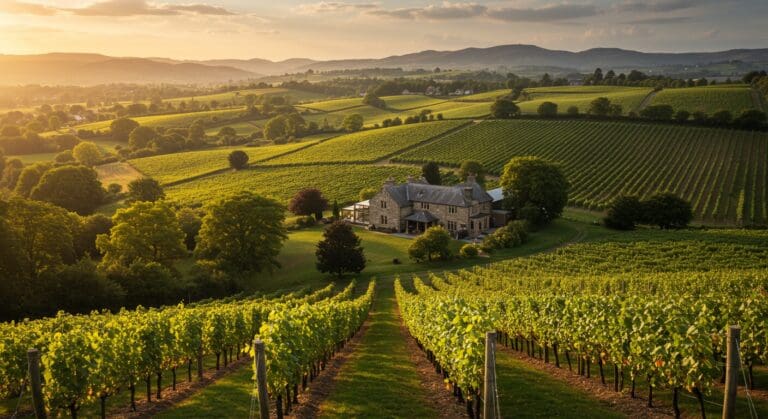
The North Fork wine region, forty minutes or so from East Hampton, produces wines of genuine quality that are beginning to attract serious attention beyond the state’s borders. Chardonnay and Merlot are the workhorses, but the Sauvignon Blanc and Cabernet Franc from the better producers reward the slight detour required to visit. Most of the Hamptons’ finer restaurants carry strong North Fork lists alongside the European options, and a sommelier who steers you toward a local bottle rather than defaulting to Burgundy is one worth trusting.
Espresso martinis, apparently, have made it to the Clam Bar’s menu. This is the ocean’s way of telling you the world has changed. Order one if you like. The rosé is not going anywhere.
Reservation Tips: Playing the Hamptons Booking Game
A brief, serious word about reservations, because this is the logistical reality that separates a good Hamptons food trip from a frustrating one. The top tables fill up extremely quickly during July and August – some restaurants begin taking summer reservations as early as March or April, and the popular ones are genuinely booked weeks out by the time most visitors are thinking about their summer plans.
The practical advice: book early, book specific, and if you are staying through a villa rental service, ask whether concierge support is included. Many luxury villa rentals in the Hamptons come with access to local knowledge and relationships that can make the difference between eating at Nick & Toni’s on a Saturday and eating at whatever was still available on OpenTable at the last minute. These relationships exist for a reason. Use them.
Walk-in culture does exist – the Clam Bar and Duryea’s are more flexible than the white-tablecloth establishments – but for anything with a proper dining room and a wine list, assume that hope is not a strategy.
Staying Well, Eating Well: The Villa Option
There is, of course, one dining option that requires no reservation at all: eating at the villa. The Hamptons has a well-established culture of private chef dining, and a luxury villa in the Hamptons with a private chef option transforms the evening entirely. Imagine sourcing directly from the Amagansett farmers market in the morning, handing the haul to a chef who knows exactly what to do with Montauk black bass and local corn, and eating on a terrace with the kind of unhurried privacy that no restaurant, however good, can quite replicate. It is not a replacement for going out – the scene is part of the point – but it is an addition to the week that tends to become the memory people carry home.
For everything you need to plan the broader trip, including where to stay, what to do beyond the table, and how to read the Hamptons as a destination rather than just a collection of zip codes, the Hamptons Travel Guide is the place to start.
The light, by the way, will still be doing that thing. You might as well be eating somewhere good while it does.