
Romantic Javea: The Ultimate Couples & Honeymoon Guide
Romantic Javea: The Ultimate Couples & Honeymoon Guide
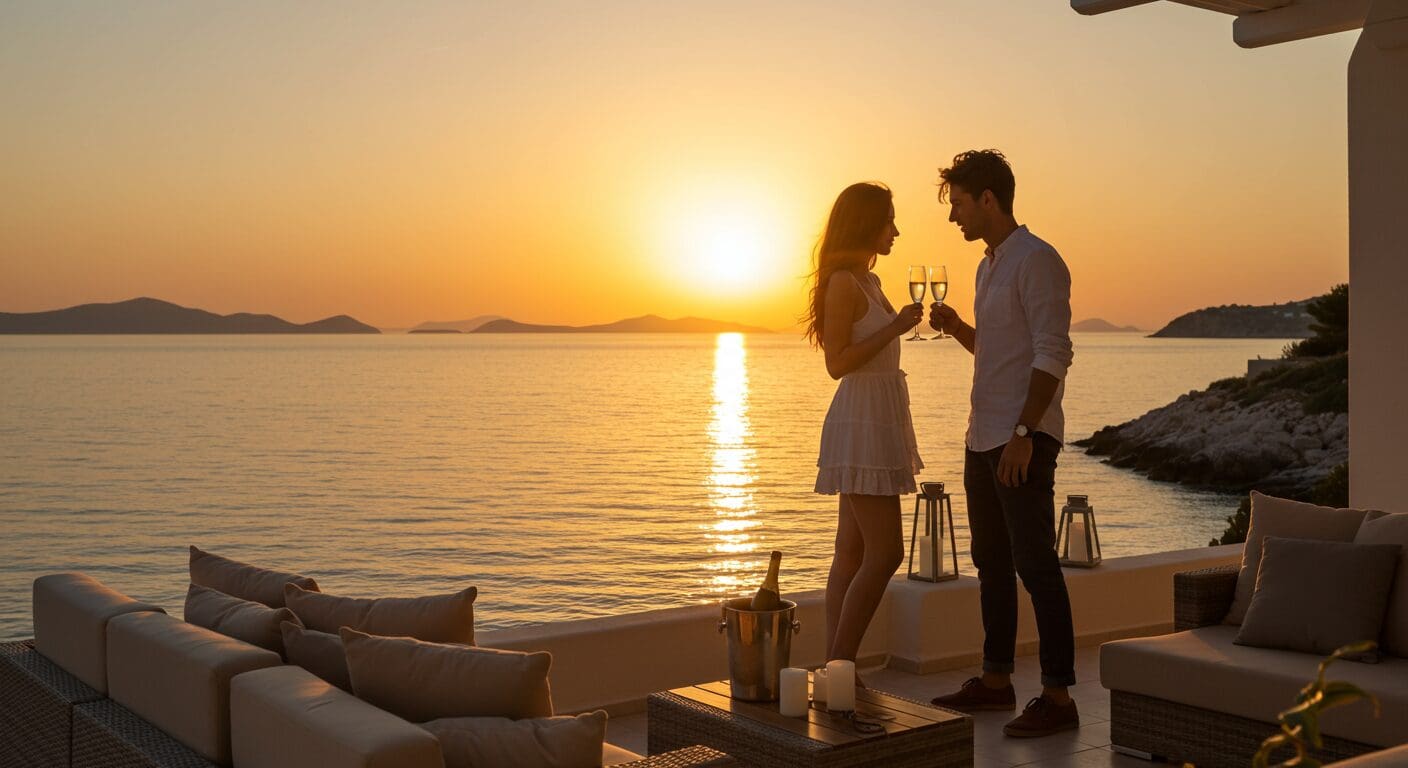
In late September, something happens to Javea that the summer crowds never get to witness. The light softens from its punishing midday glare into something warmer and more considered – a long golden lean that catches the limestone face of Montgó and turns the harbour water the colour of old honey. The terraces empty out. The roads are navigable again. And two people can sit at the edge of the Cap de la Nau with a bottle of local white wine and feel, entirely reasonably, that this particular stretch of the Costa Blanca was arranged for them personally. This is Javea at its most romantic – not performed, not packaged, just quietly, confidently itself. It is a destination that rewards couples who pay attention, and that is a rare quality anywhere in the Mediterranean.
For a full introduction to the area before you dive into the romance, the Javea Travel Guide covers the essential geography, culture and practical detail you’ll want as context.
Why Javea Is Exceptional for Couples
Javea – or Xàbia, if you want to earn a nod of approval from a local – occupies a stretch of coastline that manages to be dramatic and intimate at the same time. You have three distinct zones: the old town, with its sandstone church and labyrinthine lanes; the port, where the fishing boats and pleasure craft share the same harbour with commendable indifference to each other; and the beach area at El Arenal, which is the livelier, sandier, more selfie-friendly end of things. For couples, this variety is the point. You can wander through medieval streets in the morning, take a boat out past sea caves in the afternoon, and watch the sun drop below Montgó over a long dinner in the evening. The day has natural rhythm and shape to it, which is more than can be said for many resorts that essentially ask you to repeat the same beach-pool-bar loop until your flight home.
What sets Javea apart from its Costa Blanca neighbours is a certain restraint. It has not been overdeveloped, at least not in ways that have destroyed its character. The old town is genuinely old. The port area retains the bones of a working fishing community. And the surrounding landscape – protected on one side by the Montgó Natural Park – gives the whole place a sense of scale and permanence that no amount of hotel branding can manufacture. Couples who want beauty without performance tend to find it here without too much effort.
The Most Romantic Settings in Javea
Let’s begin with the obvious, because sometimes the obvious is obvious for good reason. Cap de la Nau is the easternmost point of the province and, on a clear day, offers views that include Ibiza shimmering on the horizon like a rumour. There is a lighthouse, a café of moderate ambition, and a walking path that skirts the cliff edge with enough drama to feel adventurous without requiring special footwear. At sunrise or in the hour before sunset, it is quietly extraordinary.
The old town – the Casco Antiguo – offers something different: the romance of compressed history, of narrow lanes, of doorways framing unexpected courtyards. The Church of San Bartolomé, built from the warm local sandstone known as tosca, anchors the quarter and has a weight and presence that makes the surrounding streets feel properly ancient. Walking here at dusk, when the stone takes on a deeper amber and the evening temperature finally becomes pleasant, is one of those experiences that doesn’t photograph well and stays with you anyway.
Granadella Beach – a small cove reached by a winding road that tests both your nerves and your faith in whoever is driving – rewards the effort with water so clear and blue it looks slightly implausible. It is not a beach for large family groups with elaborate equipment. It is very much a beach for two people with a bag, a towel, and nowhere they need to be.
Romantic Restaurants and Dining Experiences
Javea’s dining scene has matured considerably without losing the easy informality that makes eating here genuinely pleasurable. The port area offers the highest concentration of restaurants, and the standard is reliable – though arriving with a reservation in high season is strongly advised rather than left to optimism.
For a special dinner, seek out the restaurants around the port that focus on locally caught fish and rice dishes. The arròs a banda – rice cooked in fish stock, served traditionally with the fish separate – is the local dish of record and deserves to be eaten at least once in an establishment that takes it seriously. A restaurant with a terrace facing the water, a decent wine list from the Alicante DO, and a kitchen that respects the produce rather than smothering it in unnecessary complexity: this is what you’re looking for, and Javea has several that fit the description.
For something more intimate and inland, the old town offers smaller restaurants where tables are few and the atmosphere leans towards the candlelit end of the spectrum. Booking ahead is not optional. Turning up and hoping for the best is a romantic gesture that tends to end in a kebab.
The area around El Arenal also has a number of restaurants with the kind of beachfront positioning that makes almost any meal feel like an occasion – particularly in the evening, when the heat has relented and the lights on the water come into their own. A glass of local Moscatel as a digestif is one of those small regional pleasures that deserves more international attention than it gets.
Couples Activities: Beyond the Sunlounger
Sailing from Javea’s harbour is one of those experiences that sounds like a brochure line until you’re actually out on the water with the coast receding and nobody asking anything of you. Charter options range from half-day excursions with a skipper to multi-day bareboat charters for those with the relevant qualifications and the self-confidence to match. For couples with no sailing experience, a private guided trip along the coast – taking in the sea caves at Cala del Portitxol or rounding Cap de la Nau from the water – gives you a perspective on the coastline that cannot be replicated from land. The water here is Mediterranean at its best: clear, calm in summer, and a colour that oscillates between teal and deep blue depending on depth and your angle to the sun.
Wine tasting in the surrounding region is another pursuit worth dedicating a proper afternoon to. The Marina Alta DO produces wines – particularly whites from the Muscat grape and increasingly interesting reds – that are starting to attract serious critical attention. Several bodegas within a short drive of Javea receive visitors by appointment, and a private tasting with a knowledgeable host, tasting your way through local varieties with a platter of cheese and charcuterie as accompaniment, is a very satisfying way to spend a hot afternoon. It also explains the following morning in a way that a single glass on a terrace simply doesn’t.
Cooking classes focused on traditional Valencian cuisine have become increasingly available in the area, and represent one of those activities that couples tend to approach with mild scepticism and leave genuinely glad they did. Learning to make a proper paella over fire, or to prepare the local rice dishes from scratch, is both technically interesting and delicious – which is a combination not every activity achieves. The results are eaten at a table with whatever wine seems appropriate, and the afternoon has a completeness that more passive experiences rarely match.
Spa experiences in Javea tend to operate through the larger hotels and private villa services rather than standalone urban spa facilities. Several luxury properties in the area offer in-villa spa treatments or access to hydrotherapy facilities. For couples who want the full treatment – massages, wraps, time in a thermal pool together – it is worth building this specifically into your accommodation choice rather than hoping to add it as an afterthought. It is the sort of thing that works best when it is the plan, not the fallback.
The Most Romantic Areas to Stay
Where you stay in Javea shapes the entire character of a trip, and the choice between the three main areas is more meaningful than it might initially appear. The port area suits couples who want to walk to dinner, feel the pulse of local life, and have the harbour on their doorstep. It is more animated than the other areas – pleasant rather than noisy, but alive in a way that some people find energising and others find incompatible with the quiet they came for.
The hillside areas above and around Javea – particularly the slopes of Montgó and the elevated residential zones looking out to sea – offer something different: privacy, views, silence of the right kind, and the particular luxury of a private villa with a pool and a terrace that faces the sunset. This is where a romantic week takes on its most satisfying shape. You are close enough to the town to drive in for dinner or a morning coffee, but sufficiently removed to feel that the world is at a manageable distance. There is a terrace, a pool, the sound of cicadas, and a view that makes it difficult to feel hard done by.
The area around Cap de Sant Antoni offers elevated coastal positions with views across the bay towards Dénia and the mountains behind, and tends to attract those who have been to Javea before and know exactly what they want from it. The El Tosalet and La Corona residential areas are similarly prized for their combination of seclusion and accessibility.
Proposal-Worthy Spots
The question of where to propose is, obviously, entirely personal, and any location will do if the timing and the person are right. That said, Javea offers several settings that lend themselves to the occasion with unusual generosity.
Cap de la Nau at sunset is the most overtly dramatic option – lighthouse, cliffs, the sea turning deep gold, the distant silhouette of Ibiza – and if theatricality is your register, it delivers without embarrassment. The path just below the lighthouse point has a natural ledge with a view that is genuinely affecting, and the walk to get there gives you just enough time to work out what you actually want to say.
The old town offers a more intimate alternative: a quiet corner of the plaza, the stones of the old church behind you, evening light on the sandstone walls. Less dramatic than the cape, but with a quieter sense of occasion that some people find more genuinely moving. A restaurant reservation for immediately afterwards is straightforward to arrange and strongly recommended.
For the unconventional – and there is a great deal to be said for the unconventional – proposing on a private boat at anchor in a sheltered cove, with nobody else around, is an option that Javea’s coastline makes surprisingly accessible. A few hours’ charter, a good bottle of cava, a quiet bay, and a clear sky. Harder to arrange than a restaurant table, considerably more memorable.
Anniversary Ideas in Javea
Anniversaries reward a degree of deliberate planning, and Javea gives you the raw material for an excellent one across several different registers. A private sailing charter for the day – catered, with a skipper, stopping at sea caves and remote coves inaccessible from the road – is the kind of experience that justifies the expenditure and then some. Arriving at Granadella or La Barraca from the sea, swimming from the boat in water you have entirely to yourselves (most of the time), then eating lunch on deck with the coast laid out in front of you: there are worse ways to mark a year, or ten, or twenty-five.
An inland excursion to the Jalón Valley for a private bodega visit and lunch in one of the valley’s small restaurant-farms gives the anniversary a different flavour – slower, more contemplative, the landscape of almond groves and old vineyards rather than coastline. Pairing the morning with an afternoon back on the Javea terrace with a good bottle from the visit and no particular plan is a formula that tends to work extremely well.
A private chef dinner on the villa terrace – a local chef, a menu built around the season’s best produce, the meal happening at your table under a sky that takes its time getting dark in summer – is the kind of thing that transforms an anniversary from an occasion into a memory. The details matter here: the right wine, the right menu conversation beforehand, not starting too late. Javea’s evenings in summer are long and warm and entirely on your side.
Honeymoon Considerations
For a honeymoon, Javea occupies a particular sweet spot that is genuinely worth articulating rather than simply assuming. It is not the Maldives – there are no overwater bungalows, no remote island seclusion, no guarantee of isolation simply by virtue of geography. What Javea offers instead is a richness of experience, a beauty that is varied rather than singular, and a quality of life that allows a honeymoon to feel full rather than just exclusive.
The practical case for Javea as a honeymoon destination is strong. Flight times from the UK are under three hours to Alicante or Valencia, which means you begin the honeymoon as a human being rather than a stress-wrung version of one. The weather between May and October is as reliable as Mediterranean weather gets – warm, mostly dry, with evening temperatures that make outdoor dining not just possible but the only sensible option. And the combination of a private villa with a pool, a coast with extraordinary variety, a food and wine culture of genuine quality, and enough activities to structure the time without over-scheduling it gives you a honeymoon that has shape and texture rather than just scenery.
Honeymooners who want to go further afield for day trips also have Ibiza within easy reach by ferry from Dénia – a fact worth noting for those who want one evening of something louder without it defining the entire trip. The morning after Ibiza, Javea’s quiet hills and cool pool feel like a very good decision.
May and June are arguably the finest months: the heat is warm rather than relentless, the flowers on the hillsides are still going, the tourist season has begun but not yet peaked, and you can get a table at a good restaurant without treating it as a logistical challenge. September has the edge in terms of light and atmosphere for those with more flexibility. July and August are peak season – beautiful, livelier, and requiring more planning, but still entirely capable of delivering what you came for.
For the romantic base that makes all of this possible – the private pool, the terrace with the view, the space to be entirely yourselves – a luxury private villa in Javea is the ultimate romantic foundation. Whether you are planning a honeymoon, a landmark anniversary, or simply a week that deserves to be properly different from all the other weeks, the right villa in the right position above the Costa Blanca is where it begins.
What is the best time of year to visit Javea for a romantic break?
May, June and September are the ideal months for a romantic visit to Javea. The weather is warm and settled, the light is particularly beautiful in the shoulder months, and the destination is busy enough to feel alive without the peak-season pressure of July and August. For honeymooners flying from the UK, the short flight time to Alicante or Valencia means you can be on a hillside terrace with a glass of wine within half a day of leaving home – which is, in its own way, quite romantic.
Where are the best proposal spots in Javea?
Cap de la Nau, the easternmost cape in the province, is the most dramatic option – particularly at sunset, with views extending to Ibiza on a clear day. For something more intimate, the old town plaza and the area around the Church of San Bartolomé offer a quieter sense of occasion. For the genuinely memorable, a private boat anchored in a secluded cove accessed only from the sea gives you total privacy and a setting that is difficult to improve upon. All three benefit from a restaurant reservation or a private chef for the evening that follows.
Is a private villa better than a hotel for a honeymoon or romantic break in Javea?
For most couples, yes – and particularly for honeymooners. A private villa gives you the space, the privacy and the autonomy that a hotel, however luxurious, cannot fully replicate. Having your own pool, a terrace with an uninterrupted view, a kitchen for leisurely breakfasts at whatever hour suits you, and no shared spaces to navigate means the entire environment is oriented around your trip rather than around a broader guest experience. In Javea, where the hillside and coastal residential areas offer exceptional villa positions, choosing accommodation with a view and a pool is arguably the single most important decision you make when planning a romantic visit.

