
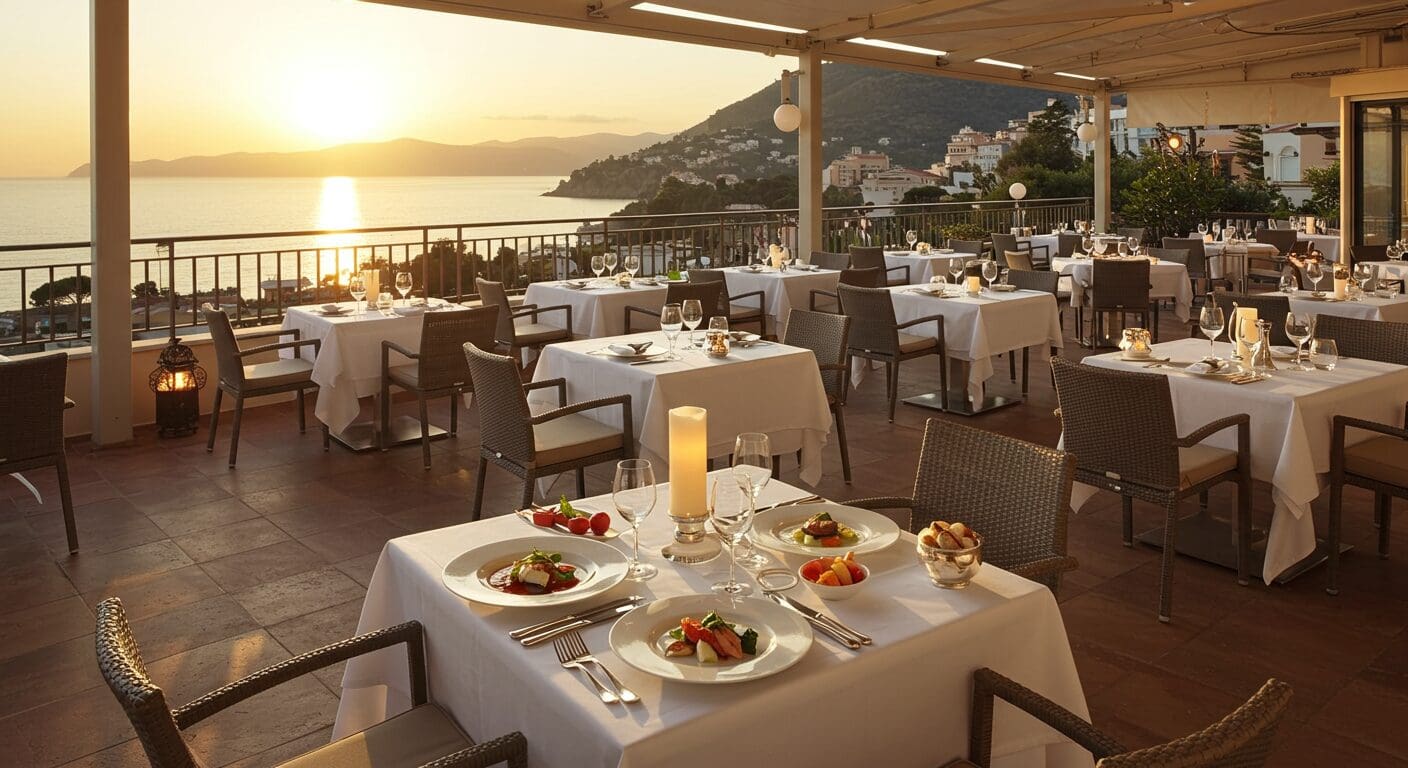
Best Restaurants in Kathu District: Fine Dining, Local Gems & Where to Eat
Come November, something shifts in Kathu District. The tail end of the rainy season has washed everything clean – the jungle is vivid green, the air is cool enough to eat outside without engineering a personal breeze, and the crowds that descend on Phuket’s beaches in high season haven’t quite arrived yet. The locals call this the sweet spot. If you’re planning a trip around food – and if you’re staying in Kathu, there’s every reason to – this is the moment. The district sits at Phuket’s interior heart, away from the shoreline circus, and its restaurant scene reflects that: more considered, more interesting, and considerably less likely to hand you a laminated menu with photographs of each dish.
Kathu is not, it must be said, a name that appears on most travellers’ culinary itineraries. It should. Positioned between Patong’s relentless energy and the quieter roads that climb toward the island’s forested ridge, the district has developed a dining culture that draws both from the sophistication of Phuket’s broader restaurant scene and from the deeply rooted food traditions of the south. The result is a place where you can eat exceptionally well – and in wildly different registers – within a very small radius. This is our guide to the best restaurants in Kathu District: fine dining, local gems, and where to eat when you have both high standards and genuine curiosity.
For context on everything else this part of Phuket has to offer, our full Kathu District Travel Guide covers the territory comprehensively.
The Fine Dining Scene in Kathu District
Phuket does not currently hold Michelin stars in the way Bangkok does – the guide only arrived in Thailand’s capital in 2018 and has been expanding cautiously since – but that doesn’t mean fine dining is absent from Kathu District. What you find here is something arguably more interesting than the formal temple of gastronomy: restaurants where the technical ambition is real and the atmosphere hasn’t been flattened into reverence. Chefs who trained in Europe or Bangkok have gravitated to this part of Phuket precisely because it allows them to cook seriously without the performance pressure of a beachfront address.
The fine dining options in and around Kathu tend to favour long tasting menus built around local produce – the seafood from Phuket’s surrounding waters, the herbs and aromatics sourced from hillside gardens, the Andaman spice palate that Southern Thai cooking does so confidently. Expect dishes that aren’t Thai in the conventional sense but are unmistakably of this place: a slow-cooked fish with galangal emulsion, perhaps, or a dessert built around mango sticky rice reimagined with enough technical flair to make you think about a dish you’ve eaten a hundred times as though for the first time. Reservations for these establishments – and there are several worth seeking out along the roads between Kathu and the hillside fringe – are essential during high season. Most will accommodate dietary requirements if given reasonable notice. Not always cheerfully, but they will.
Wine lists at the better establishments are more sophisticated than you might expect. The absence of French import duties being, shall we say, somewhat painfully felt in the price column, but the selections lean wisely toward bottles that travel well with the food: Alsatian whites, Burgundian reds with enough acidity to cut through coconut-rich sauces, the odd natural wine that has made its way here from somewhere in the Loire Valley. Ask for guidance. The sommeliers, where present, generally know what they’re talking about.
Local Gems: Where Kathu Really Eats
Here is where honesty becomes important. You can spend a great deal of money eating very well in Phuket. You can also spend almost nothing and eat better still. In Kathu District, the local restaurant scene – by which we mean the places without a website, possibly without a sign in Roman script, and almost certainly without a QR code menu – represents some of the finest Southern Thai cooking on the island. These are the places the expat community has been quietly protecting for years, which is how you know they’re good.
Southern Thai cooking is its own distinct tradition, and visitors who arrive expecting the gentle, coconut-sweet dishes of a high-street Thai restaurant are in for an education. The food here is bolder – spikier with turmeric and dried chillies, more assertive in its use of shrimp paste, more interested in heat as a flavour rather than just a sensation. Gaeng tai pla, the fermented fish kidney curry that is something of a regional speciality, is not a dish designed to ease you gently into the cuisine. It is a dish designed to make you wonder whether you’re up to it. You should order it anyway.
Look for the lunch spots along Kathu’s main road that fill with local workers at noon and empty by two. These are your indicators. The short menu, the communal tables, the owner who may or may not acknowledge your presence before disappearing into the kitchen – all of it is irrelevant. What matters is what arrives. Often: a fragrant bowl of khanom jeen (fresh rice noodles with curry), a plate of pad pak (stir-fried vegetables with garlic), a whole fish dressed in chilli and lime that arrives at the table with quiet authority. Eat it. Order more.
Casual Dining, Pool Bars & the Kathu Midground
Between the white-tablecloth ambition of fine dining and the brilliant informality of local spots, Kathu District offers a comfortable middle register that luxury travellers often find is where they spend most of their time. The district is home to a number of international restaurants serving everything from Italian to Japanese – some of them very good, some of them the kind of pan-Asian fusion that exists primarily to reassure people who’ve just arrived from Heathrow. You will learn to tell the difference quickly.
The area around Kathu Waterfall Road and the roads threading toward Kamala has a cluster of more relaxed dining options – open-air restaurants with garden settings, places that do an excellent job with grilled meats or fresh pasta, casual Thai spots with English menus that don’t entirely sacrifice authenticity in the translation. Many of the better luxury villas in the district have access to local restaurant recommendations from villa managers who know exactly which of these places is worth your evening and which is coasting on a good location. That inside knowledge is worth using.
For drinks before dinner, Kathu’s proximity to Patong means the full spectrum of cocktail culture is available within fifteen minutes. But the smarter move is often to linger at your villa’s pool bar with something cold and locally inspired – a yuzu spritz, a Thai basil gin and tonic – and let the evening come to you. The jungle at dusk in Kathu doesn’t require any enhancement.
Food Markets & Street Food Finds
Phuket’s market culture is alive and well in Kathu District, and this is where the food education really accelerates. The markets here operate in the early morning and again in the early evening, and they reward visitors who arrive without a plan and simply follow their noses – sometimes literally, since the charcoal grills get going well before most tourists are functional.
Morning markets near Kathu town centre are primarily local affairs: vendors selling fresh produce, aromatic herbs, pre-made curries and soups by the bag, grilled skewers of pork and chicken for people picking up breakfast on the way to work. The etiquette is straightforward – point, smile, accept what’s handed to you with grace. The cost will be negligible. The education will not be. This is where you encounter the full range of Southern Thai morning food: the rich coconut soups, the sharp herb-laced salads dressed in fish sauce and lime, the sticky rice in its banana leaf parcel that improves every subsequent piece of hotel breakfast toast by comparison.
Evening markets shift the register slightly: more street food theatre, more vendors doing single dishes with focused expertise. Look for the stall doing pad kra pao – basil stir-fry with a fried egg – made to order over a jet of flame so fierce it seems slightly unsafe. It is probably fine. The grilled corn, the fresh sugarcane juice, the coconut ice cream served in its shell: all of them are worth the departure from your villa’s beautifully curated evening itinerary.
What to Drink: Wine, Craft Beer & Local Favourites
Thailand is not, historically, a country associated with great wine. Altitude and humidity conspire against the vine in most of the country, though there are emerging wine regions in the north that are doing interesting things with Shiraz and Chenin Blanc. In Kathu, the focus is sensibly on what the country does well. Singha and Chang – the ubiquitous Thai lagers – are cold, reliably refreshing, and exactly right with anything coming off a charcoal grill. Leo, slightly lighter, has its passionate defenders. Argue about it if you like.
The craft beer scene has made genuine inroads into Phuket’s restaurant culture, with several establishments offering Thai microbrewery selections alongside international imports. The cocktail culture is strong and inventive – bartenders here have absorbed enough tropical ingredient knowledge to build drinks that actually reflect where you are, rather than the kind of generic passion fruit spritz that could have been made in Shoreditch. Lemongrass-infused vodka, butterfly pea flower gin (the colour change from blue to purple when citrus is added never quite stops being satisfying, regardless of how many times you’ve seen it), Thai whisky highballs with soda and lime: all worth exploring.
For non-drinkers, Thailand’s fresh juice and herb drink culture is genuinely excellent. Coconut water, fresh lime soda, cold-brewed butterfly pea tea: the options are better than you’ll find in most European cities, and the cost is such that you’ll feel mildly embarrassed ordering anything else.
Reservation Tips & Practical Advice
High season in Phuket – broadly December through February – means the better restaurants in Kathu District fill up quickly, particularly on weekends. The fine dining options should be booked well in advance, ideally before you arrive. Most now accept reservations through their websites or via WhatsApp, which is how most of Thailand communicates. Email, if you’re sending it, should be followed up. Thais are warm and accommodating hosts; they are not always punctilious about email inbox management.
For the local spots and casual restaurants, reservations are rarely expected or possible – arriving with a reasonable-sized group (say, more than six people) and expecting a table immediately is optimistic. Flexibility is your friend here. So is arriving either early (before 7pm) or late (after 9pm) by local standards.
Dress codes are relaxed almost everywhere in Kathu District. Smart casual works for fine dining – you won’t be turned away for wearing linen rather than a jacket, and anyone who tells you otherwise is eating somewhere you probably wouldn’t want to be anyway. At the markets and local spots, literally anything goes. No one is watching. They’re eating.
Dietary requirements are increasingly well understood in Phuket’s restaurant scene, particularly vegetarianism and veganism, though Southern Thai cooking’s deep reliance on fish sauce and shrimp paste means the conversation is sometimes more nuanced than it might appear. Ask specifically. Be patient. The kitchen will generally find a way.
The Villa Advantage: Private Chefs & Eating In
There is one dining option in Kathu District that no restaurant, however excellent, can quite replicate. Many of the luxury villas in Kathu District come with the option of a private chef – and in a part of Thailand where the ingredient quality is this high and the culinary traditions this deep, that option deserves serious consideration. A good private chef here isn’t merely someone who cooks your dinner; they’re a person who knows where to buy the freshest fish that morning, who understands exactly how much chilli your palate will accept before it becomes a medical situation, and who can calibrate a six-course dinner to the precise mood of a group of people eating beside a private pool under an open sky. It is, frankly, a very good evening. Several of the villa management teams in the district can arrange market visits alongside your chef – going together in the morning, choosing the produce, watching it become dinner by evening. If there’s a more direct way to understand what Kathu’s food culture is actually about, it hasn’t been invented yet.


