
Best Restaurants in Pernera: Fine Dining, Local Gems & Where to Eat
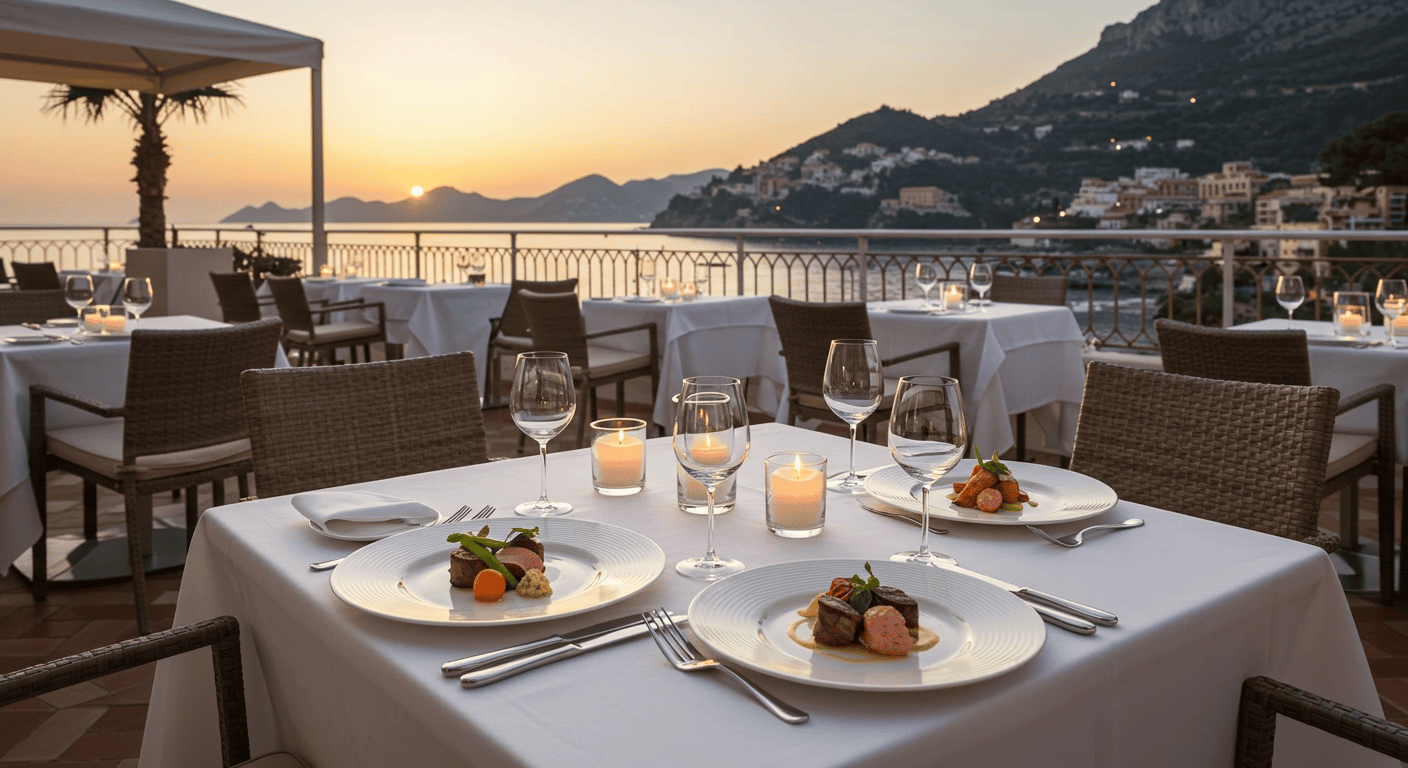
It begins, as most good things in Pernera do, with a table that is slightly too close to the sea. Not dangerously so. Just close enough that the salt gets into the bread before you do, the fishing boats are still returning as the kitchen fires up, and the distinction between appetiser and view becomes pleasantly blurred. The sun is doing something theatrical over Famagusta Bay. Nobody at the table is looking at their phone. This is the rhythm of eating well in Pernera – unhurried, unpretentious, and rather better than you might have been led to expect from a small resort on Cyprus’s eastern coast.
Pernera sits on a stretch of coastline that the package-holiday industry discovered decades ago, which is precisely why the discerning traveller has learned to look past the surface. Beneath the sun-lounger economy runs a genuine food culture – one shaped by Cypriot tradition, proximity to the sea, and the kind of ingredient quality that comes from a Mediterranean climate still doing its job properly. Whether you’re settling in for a long meze lunch or hunting down something exceptional for a special evening, the best restaurants in Pernera reward curiosity, patience, and a willingness to follow the locals rather than the laminated menus pointing you away from the waterfront.
This guide covers the full picture: fine dining, family tavernas, beach clubs, hidden local favourites, and everything in between. We’ve also included advice on what to order, what to drink, and how to navigate the reservation landscape, which is less complicated than it sounds but more important than most visitors realise.
The Fine Dining Scene in Pernera and the Wider Protaras Area
Pernera doesn’t operate in isolation. It sits within easy reach of Protaras, and the two together form a dining corridor that has grown quietly ambitious over the past decade. Michelin has not yet turned its full attention to this particular corner of Cyprus – the island’s starred restaurants are concentrated in Nicosia and Limassol – but that absence shouldn’t be read as a verdict on quality. What you find here instead is a more honest kind of sophistication: chefs who trained in Europe and chose to come home, restaurants that plate with care without making you feel like you’re being assessed, and wine lists that have clearly been thought about rather than assembled by someone who has never left the building.
The fine dining offer in and around Pernera tends to lean toward modern Mediterranean interpretations of Cypriot classics – sea bass prepared with rather more precision than your grandmother would have used, halloumi that appears in forms beyond the grilled slab (though the grilled slab, done properly, remains a peak human achievement). Expect tasting menus to run between six and eight courses, with the better kitchens sourcing locally where the seasons allow and leaning on the island’s extraordinary olive oil, carob, and herb traditions. Dress codes are relaxed by European standards – smart casual is the operative phrase – but the cooking takes itself seriously, and so should you. Reservations for the better-regarded spots should be made at least two to three days in advance in high season. Consider yourself warned.
Local Tavernas and the Art of the Meze
Here is the thing about a Cypriot meze that nobody tells you before your first one: it does not end. You will think it has ended. A dish will arrive that seems conclusive – the lamb, perhaps, or the grilled halloumi in its final, definitive form – and you will set down your fork with the confidence of someone who has finished. Then something else will appear. This is not a complaint. This is simply useful information for managing your afternoon.
The tavernas around Pernera that do meze properly are operating in a tradition that is several centuries older than the restaurants trying to reinvent it, and they know something those restaurants are still working out. The food is generous, sequenced with intuitive logic, and built around whatever is genuinely good that week. You’ll move through dips – tahini, hummus, taramosalata – into grilled vegetables, into meats over charcoal, into desserts that arrive when the kitchen decides you’re ready for them, not when you check your watch. The better family-run establishments in the area have been feeding people this way for generations, and the welcome is proportionally warmer for it.
Look for tavernas set slightly back from the main tourist drag – even fifty metres of distance tends to translate into a meaningfully different menu and a significantly different price point. Ask what the daily fish is. Order the kleftiko if it’s on. And resist the impulse to arrive before eight in the evening, which is when the tables fill with people who actually live here rather than people who are worried about getting back to the hotel before the entertainment starts.
Beach Clubs and Casual Dining Along the Pernera Coastline
The Pernera coastline has a particular quality in the late afternoon, when the worst of the heat has gone and the sea takes on that specific shade of blue-green that makes the Cypriot tourist board’s job considerably easier. This is the hour for the beach clubs – which in Pernera function less as the performative lifestyle events you find in Mykonos and more as genuinely relaxed spots to eat grilled fish with sand between your toes and a cold Keo in hand. The atmosphere is the point as much as the food, which is not to say the food is an afterthought.
Casual dining by the water here tends to revolve around simply prepared seafood – calamari, octopus that has been properly tenderised rather than merely heated, sea bream cooked whole over charcoal. Salads arrive with good local tomatoes and generous amounts of olive oil. The bread is a vehicle for whatever dip preceded it. Nobody is rushing you. The best casual spots have mastered the particular art of making you feel that lunch has organically extended itself into the early evening, which is its own kind of hospitality.
Most beach clubs along this stretch operate a sunbed-and-food model – you’re expected to order rather than simply occupy. This is perfectly reasonable. The expectation tends to be a minimum spend of two or three dishes per person, which, given the portions, is not an onerous ask. Service at these spots ranges from very good to cheerfully chaotic, and the chaotic ones often have better food.
Hidden Gems: Where the Locals Actually Eat
Every travel guide promises to reveal where the locals eat. Most of them then direct you somewhere that has been featured in every previous travel guide and now serves primarily other tourists who read that the locals eat there. Pernera, to its credit, is small enough that genuine local knowledge still circulates word-of-mouth, and the restaurants that benefit from it tend to be the ones with hand-written specials boards, mismatched furniture, and owners who remember your order from the night before even if you don’t quite remember how you found the place.
The eastern end of Pernera, away from the main beach hotels, has a handful of small tavernas and family-run eateries that operate on a model closer to canteen than restaurant – they open when the food is ready, they close when it’s gone, and the menu is determined by what arrived at the market that morning rather than what was decided six months ago in a branding meeting. These are the places where you’ll encounter dishes that don’t appear in guidebooks: makaronia tou fournou that has been baking since noon, fresh-caught fish that went from sea to pan while you were still on your sunbed, and koupepia – stuffed vine leaves – that taste nothing like the version you’ve encountered elsewhere.
The practical advice is simple: walk past the places with large photographic menus outside, and walk toward the places with a cluster of older Cypriot men sitting outside drinking coffee. They are not, as a rule, the menu-photography demographic.
Food Markets and Local Produce
Pernera itself is not a market town in the traditional sense – for a proper farmers’ market experience, the nearest significant options are in Paralimni, a short drive inland, where weekly markets bring together local growers, cheese producers, and olive oil merchants operating at a scale that makes the produce section of any supermarket feel like a philosophical argument against effort.
The Paralimni market is worth the ten-minute drive, particularly in spring and early summer when the season is at its most expressive. You’ll find halloumi made to traditional recipes from local sheep and goat milk – the real thing, not the industrial approximation that travels to supermarkets in vacuum packs – alongside fresh herbs, honey, carob products in several forms, and loukoumades that a woman of considerable authority has been frying to the same recipe since before you were born. Buy more than you think you need. The quality justifies the optimism.
For villa stays – more on which at the end of this guide – the markets provide an opportunity to stock the kitchen with ingredients that genuinely reflect the island: the olive oil alone is worth several litres of checked luggage consideration. A private chef who knows the local suppliers will often source from these markets as a matter of course, which is one of the less-discussed advantages of that particular arrangement.
What to Order: A Short Education in Cypriot Cuisine
Cypriot cuisine exists at an intersection of Greek, Ottoman, Middle Eastern and Levantine influences, which sounds like a committee designed it and tastes like precisely the opposite. The results are earthy, generous, and built around ingredients that have been grown in serious sunshine. A few things are essential eating while you’re in Pernera.
Halloumi, obviously – but grilled until it has a proper char and served immediately, before it has any opportunity to reconsider. Loukoumades if you encounter them, which are honey-drenched doughnut balls that have no right to be as compelling as they are. Afelia – pork marinated in red wine and coriander seeds – which is modest in presentation and genuinely delicious. Souvlaki from a proper grill, not a fast food operation. Kolokasi, a type of taro root cooked with pork that sounds obscure and tastes fundamental.
Among the seafood, look for locally caught red mullet, sea bass, and – if you’re lucky with timing – sea urchin roe served simply on bread, which is one of those combinations so elementary it feels like cheating. The octopus, marinated in red wine vinegar and grilled, is one of the signature dishes of the eastern Cyprus coast and worth seeking out in any establishment that prepares it daily rather than from frozen.
Wine, Beer and Local Drinks
Cyprus has a wine industry of genuine interest, which remains one of the Mediterranean’s better-kept secrets largely because the island doesn’t export very aggressively and its best producers are happier making wine than marketing it. The indigenous grape varieties – Mavro, Xynisteri, Maratheftiko – produce wines with a character specific to this limestone and clay landscape, and the better restaurant lists in Pernera will include at least a few bottles that you won’t encounter anywhere else in the world. This is a compelling reason to order local rather than defaulting to the familiar.
Commandaria deserves particular mention. It is one of the oldest named wines in existence – sweet, copper-brown, made from sun-dried grapes in the Troodos foothills – and it functions as both dessert wine and digestif and historical artefact simultaneously. Richard the Lionheart reportedly called it the wine of kings at his wedding on Cyprus in 1191, which is excellent marketing even at a distance of eight centuries.
For something less historical, Keo lager is the local beer of choice – cold, light, and perfectly calibrated for the climate. Zivania, a clear spirit distilled from grape pomace, is the Cypriot answer to grappa: fierce, warming, and consumed in small glasses that are refilled with a frequency that should give you pause. The correct response to being offered zivania after dinner is to accept once and then exercise judgment thereafter. Local advice, offered with genuine warmth.
Reservation Tips and Practical Dining Advice
The reservation culture in Pernera operates differently depending on the tier of restaurant. The higher-end establishments – particularly those in the Protaras corridor and any that have developed a reputation beyond the immediate area – should be booked in advance during July and August, which represent peak season on the eastern Cyprus coast. Three to four days is a reasonable buffer; for a Saturday evening in high summer, a week ahead is sensible.
Family tavernas and local spots are more forgiving. Many don’t take reservations at all and operate on a first-come basis, with the practical implication that arriving before eight or after nine gives you the best chance of a table without a wait. The middle hour is when the tourists are hungry and the locals are still having a conversation about dinner rather than eating it.
A few pieces of practical intelligence worth carrying: tipping is customary at ten to fifteen percent and genuinely appreciated rather than structurally incorporated into pricing. Most restaurants will accommodate dietary requirements with notice, though vegan travellers may find the menu negotiating more involved in traditional tavernas where the enthusiasm for meat and dairy reflects deep cultural conviction. Cash is still preferred at some of the smaller establishments, though card payment is increasingly standard. And finally: if a restaurant is visibly empty at nine on a warm summer evening, there is usually a reason, and the reason is rarely that everyone else got lucky with a reservation.
Dining from Your Villa: The Private Chef Option
For those staying in a luxury villa in Pernera, the dining picture expands considerably. The option of a private chef – sourcing from local markets, cooking in a kitchen designed for exactly this purpose, calibrating a menu to your preferences and the day’s best produce – represents a different kind of eating entirely. It is less restaurant and more considered hospitality: a meze served on your terrace as the sun retreats over Famagusta Bay, a grilled fish course that arrived at the market four hours earlier, a Commandaria poured into good glasses as the evening develops at its own pace.
This is not a replacement for eating out – the local tavernas and waterfront spots are too good to miss, and part of the pleasure of Pernera is engaging with its food culture at the source. But on certain evenings, the best restaurant in Pernera is the one you don’t have to leave home to reach.
For everything else you need to know about this part of Cyprus – beaches, activities, getting around, and what the eastern coast looks like outside of peak season – the full Pernera Travel Guide covers the territory thoroughly.

