
Best Restaurants in Hérault: Fine Dining, Local Gems & Where to Eat
Best Restaurants in Hérault: Fine Dining, Local Gems & Where to Eat
Come August, when the garrigue is baked to a pale gold and the air smells faintly of thyme and hot stone, the people of Hérault do something that tourists rarely manage: they slow down entirely. Lunch stretches past three. A second carafe of Picpoul appears without anyone quite ordering it. The cicadas are deafening, the shade is deep, and the question of where to eat feels less like logistics and more like the whole point of being here. This stretch of Mediterranean France – running from the wild plains of the Camargue fringe to the slopes of the Cévennes, with a generous sweep of coast in between – has a food culture that is serious without being stiff, and generous in a way that will quietly rearrange your priorities. If you’ve come here expecting a pale imitation of Provence, you’re in for a pleasant surprise. Hérault does things its own way. It always has.
The Fine Dining Scene in Hérault
Hérault is not a region that wears its culinary ambition loudly, which is part of what makes its fine dining scene so satisfying to discover. Montpellier, the regional capital, punches well above its size when it comes to serious restaurants – a young, university-driven population and a steady influx of well-travelled visitors have created exactly the kind of audience that supports genuinely inventive cooking. The city has attracted chefs who might once have gravitated solely to Paris or Lyon, and the results are impressive.
The broader département holds Michelin-recognised addresses that reward the journey. The inspectors have been paying attention to this corner of Languedoc for some years now, and the consistency of the recognition reflects a kitchen culture that takes local produce – the lamb of the Aveyron borders, the fish pulled from the Étang de Thau, the black truffles that appear in winter – and does something genuinely thoughtful with it. Fine dining here tends to be rooted rather than rarefied. You’ll find tasting menus that read like a love letter to the region rather than an exercise in technique for its own sake. Reservations at the top tables – particularly in Montpellier – should be made well in advance during the summer months. A week’s notice is optimistic. A month is sensible.
The wine lists at the region’s better restaurants deserve particular attention. A good sommelier here will steer you toward bottles from Saint-Guilhem-le-Désert’s surrounds or the Pic Saint-Loup appellation that you simply won’t find on lists in London or New York – not because they’re obscure for the sake of it, but because they’re genuinely exceptional and the allocations are small. Let them guide you. This is not the moment to order something safe.
Local Bistros, Caves à Manger & The Everyday Extraordinary
The mid-range – that reliable middle ground between a Michelin-starred occasion and a beach snack – is where Hérault genuinely excels, and where visitors staying for any length of time tend to find their real favourites. Montpellier’s historic centre is dense with caves à manger: informal wine-bar-restaurants where the focus is on a short, frequently changing menu built around whatever arrived that morning, paired with a list that privileges local producers and natural wines. The décor is usually stripped back, the tables close together, and the noise level cheerfully high. No one is performing here. People are just eating well.
Venture outside Montpellier and the register shifts again. In the smaller towns – Pézenas, Clermont-l’Hérault, Lodève – you’ll find family-run restaurants that have been feeding locals for decades and have no particular interest in being discovered. They serve cassoulet in winter, grilled dorade in summer, and a cheese plate that will make you question every cheese plate you’ve had before. The menus are handwritten or chalked on a board. The patron may well tell you what you’re having rather than ask. This is not rudeness. This is confidence. There’s a difference.
Pézenas is worth a special mention – a town of extraordinary architectural beauty that also happens to have a genuinely strong restaurant scene, partly fuelled by the creative community that has settled there over the decades. Look for addresses around the old town that are doing something interesting with the local charcuterie tradition and the petits pâtés de Pézenas – small, spiced meat pastries with a sweet-savoury filling that trace their origins, improbably, to the kitchens of Lord Clive of India. History has a long reach in this part of France.
Beach Clubs & Coastal Eating Along the Hérault Shore
The Hérault coastline – running through Cap d’Agde, La Grande-Motte, Marseillan-Plage and the wilder stretches toward the Camargue fringes – has a beach club and coastal dining scene that operates at several different registers simultaneously. There are the genuinely glamorous operations: sun-bleached terraces with proper kitchens, serious cocktail lists, and the kind of crowd that has clearly thought about what they’re wearing. And then there are the places that look like a storm might have assembled them, serve the freshest grilled fish you’ll ever eat, and charge about twelve euros for it. Both have their place in a well-structured holiday.
The Bassin de Thau is essential. This vast saltwater lagoon, separated from the Mediterranean by a thin strip of land between Sète and Agde, is the heart of France’s oyster and mussel farming industry, and eating directly from a producer’s table here – with a glass of Picpoul de Pinet and a view of the oyster beds themselves – is one of those experiences that sounds simple and turns out to be rather magnificent. Sète itself, sometimes called the Venice of Languedoc (though the Sétois would prefer you simply call it Sète), has a fish market and a quayside restaurant culture that rewards a dedicated morning visit. Tielle sétoise – a spiced octopus pie with a pastry crust – is the local speciality and should be eaten at least twice.
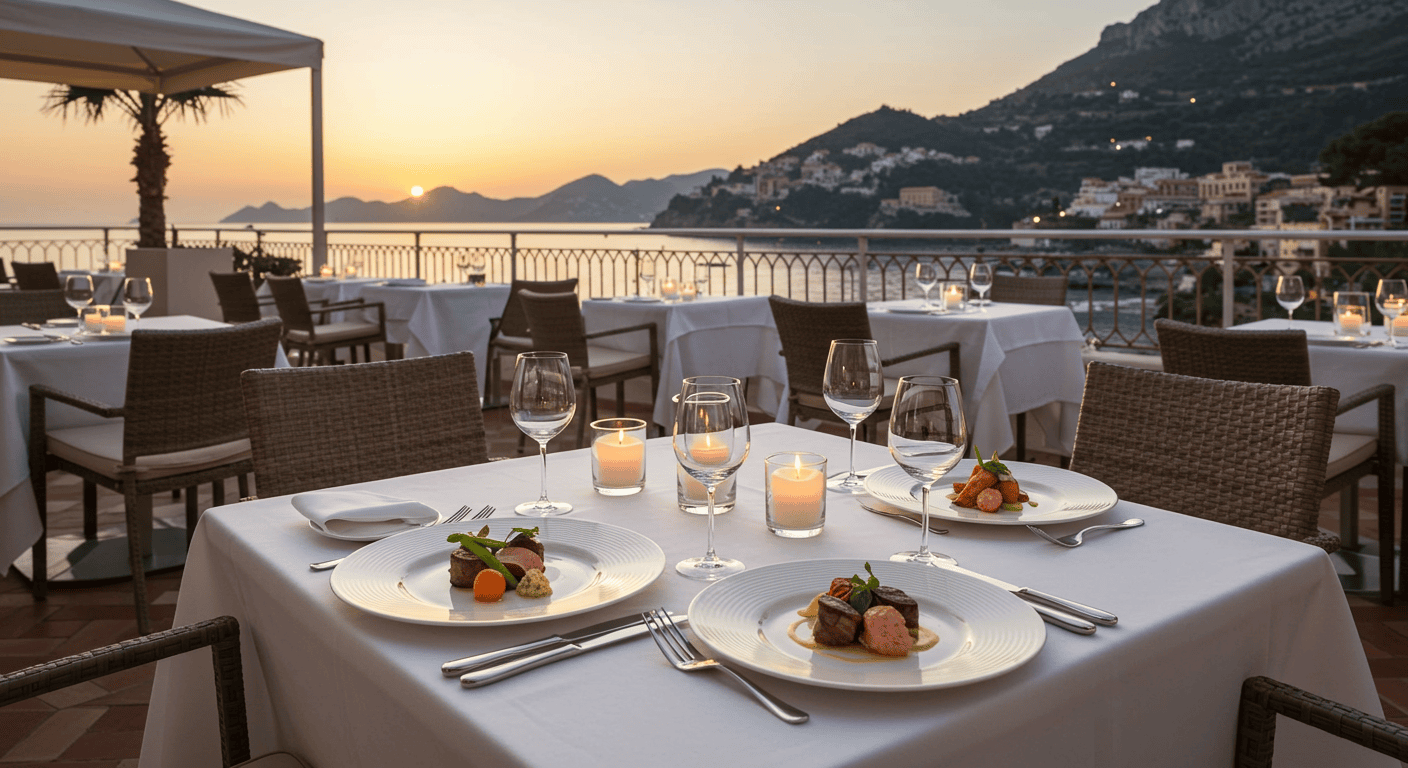
For beach dining that tips toward the luxurious, the Cap d’Agde area and the beaches around Marseillan have seen investment in recent years in the quality of their coastal restaurants. White linens, proper wine glasses, and a kitchen that understands fish. Arrive early for lunch in high season. Lingering is encouraged once you’re in.
Food Markets: Where Hérault’s Produce Does the Talking
Any serious engagement with the food of Hérault begins at the market. Montpellier’s Marché du Lez is the obvious flagship – a vast, converted industrial space that operates at the weekend and brings together producers, artisan food stalls, street food vendors and natural wine merchants in a way that manages to be both genuinely useful and quietly festive. It has become something of a destination in itself, which means it’s busy, but the quality of the produce justifies the crowds.
The smaller weekly markets, though, are where the real character lives. The Tuesday market in Pézenas, the markets in Clermont-l’Hérault and Gignac, the seasonal producers’ markets that appear in the villages of the Haut-Languedoc – these are working markets serving local people, and the produce reflects exactly what is growing or being raised within a short radius. In summer: tomatoes in ten varieties, courgette flowers, fresh almonds, local honey, cheeses from the Causses. In autumn: wild mushrooms, game, chestnuts from the Cévennes, the first truffles of the season. Go with a bag, go hungry, and resist the urge to immediately photograph everything before eating it.
What to Order: The Dishes That Define Hérault
Understanding what to order in Hérault means understanding that you are in a borderland – a place where the traditions of Languedoc, Provence, Catalonia and the Massif Central all exert a gentle pull. The cooking is Mediterranean in its instincts but has a robustness that distinguishes it from the lighter, more fragrant registers of the Riviera.
Begin with the oysters and mussels of the Bassin de Thau – simply dressed, with a squeeze of lemon, and nothing else required. Order the brandade de morue: salt cod worked with olive oil and garlic into a silky purée that Nîmes considers its own but which appears throughout the region with good reason. In Sète, the tielle is obligatory, as is bourride – a rich, garlicky fish stew that is the local answer to bouillabaisse and, many would argue, the better one. Lamb from the Aveyron borders appears on menus throughout the region and is worth ordering wherever it appears. The cheeses – particularly Pélardon, the small soft goat’s cheese from the Cévennes – are handled with appropriate respect.
For something sweet, look for the navettes of the region, and any patisserie working with the local almonds and apricots. Dessert in Hérault rarely requires much persuasion.
Wine & Local Drinks: Drinking Well in Languedoc
To drink in Hérault is to engage with one of France’s most quietly revolutionary wine regions. Languedoc-Roussillon produces more wine than any other region in the country, which once meant an ocean of indifferent table wine and now means an enormous diversity of serious, characterful bottles being made by producers who have chosen this place deliberately and are doing extraordinary things with it. The shift in quality over the past two decades has been remarkable, and the value relative to Burgundy or Bordeaux remains almost embarrassing.
Pic Saint-Loup, just north of Montpellier, is the appellation that gets the most international attention – a dramatic landscape of limestone ridges and cool-climate vineyards producing reds from Grenache, Syrah and Mourvèdre that have genuine depth and age well. Faugères, further west, is volcanic and serious. Terrasses du Larzac is making some of the most interesting wines in France right now, full stop. And Picpoul de Pinet, the crisp, high-acid white from the shores of the Bassin de Thau, exists for one purpose: to be drunk with oysters in sunshine. It performs this function perfectly.
Beyond wine, look for local craft spirits from the distilleries that have emerged in Montpellier and the surrounding villages over the past decade, and the herbal liqueurs made from the plants of the garrigue that appear in various forms throughout the region. The aperitif culture here is genuine and generous. Do not skip it.
Reservation Tips & Practical Notes for Eating in Hérault
A few practical realities for eating well in Hérault without frustration. The finest restaurants in Montpellier require advance booking – for midsummer visits, aim for three to four weeks ahead for the top tables, and be prepared to be flexible on timing. A table at 7:30pm is often more available than one at 8:30pm, and the French convention of eating later than northern Europeans expect means that persistence sometimes pays off.
Outside Montpellier, the rhythms are different. Many village restaurants and rural addresses close on Sunday evenings and all day Monday – a pattern that catches visitors regularly. Call ahead. Most places appreciate it and some require it. The afternoon break – lunch service ending around 2:30 and dinner not beginning until 7:30 or later – is observed with some seriousness. Arriving at 3pm expecting lunch will test your improvisational skills.
Language is less of a barrier than it once was, particularly in the more tourist-facing coastal areas, but even a few words of French will be received with disproportionate warmth. Hérault is not Paris. People here are pleased to see you and they’d like you to enjoy yourself. Meeting them halfway is the least you can do.
For the very best beach restaurants and coastal dining in July and August, same-day tables are increasingly a relic of the past. Book online where possible, or phone the morning you intend to go. Walking up and hoping for the best remains an option, but an optimistic one. (You have been warned, affectionately.)
Staying in Hérault: Dining From Your Own Villa
There is, of course, another way to eat extraordinarily well in Hérault that requires no reservation, no parking, and no competition for the last table at dusk. Staying in a luxury villa in Hérault with access to a private chef brings the whole operation home – quite literally. The region’s markets and producers make this proposition particularly compelling: a chef who knows where to shop on a Tuesday morning in Pézenas, who has a relationship with the oyster farmer on the Bassin de Thau, and who can build an evening around what was exceptional that day rather than what is fixed on a menu, is a different kind of luxury altogether. It’s the sort of thing you tell people about for years without quite being able to explain why it was so good. The answer, usually, is: all of the above.
For a broader picture of what this remarkable département has to offer beyond its tables, the Hérault Travel Guide covers the full picture – from the landscapes of the Cévennes to the culture of Montpellier and the quieter pleasures of the coast.
What is the best area in Hérault for fine dining?
Montpellier is the clear centre of gravity for fine dining in Hérault, with the highest concentration of Michelin-recognised restaurants and inventive contemporary kitchens. That said, the coastal town of Sète has a serious and characterful restaurant scene built around its fishing heritage, and Pézenas punches well above its size for a small town. If you’re staying in the countryside or the Haut-Languedoc, the better village restaurants offer cooking of genuine quality – just plan ahead, as hours and opening days can be irregular outside the summer season.
What local dishes should I try when eating in Hérault?
Tielle sétoise – the spiced octopus pie from Sète – is the region’s most distinctive dish and worth seeking out in its home town. Brandade de morue (salt cod purée with olive oil and garlic) appears throughout the region and is a staple worth ordering. Oysters and mussels from the Bassin de Thau, eaten at a producer’s table with a glass of Picpoul de Pinet, are an experience rather than simply a meal. Bourride, the local garlicky fish stew, is another essential. And the petits pâtés de Pézenas – small sweet-savoury spiced meat pastries with an unusual history – are a genuinely memorable regional speciality.
Which wines should I order in Hérault restaurants?
Picpoul de Pinet is the essential white – crisp, mineral and perfectly suited to the seafood of the Bassin de Thau. For reds, ask for something from Pic Saint-Loup or Terrasses du Larzac, both of which are producing wines of serious quality and represent exceptional value compared to better-known French appellations. Faugères is worth exploring for something more structured and age-worthy. A good sommelier in any of the region’s better restaurants will guide you toward small-producer bottles that rarely leave the area – let them. This is exactly the kind of local knowledge worth using.


