
Best Restaurants in Selva: Fine Dining, Local Gems & Where to Eat
Best Restaurants in Selva: Fine Dining, Local Gems & Where to Eat
It begins, as the best days here always do, with something cold and fizzing on a terrace you are quietly convinced was built specifically for you. The light in Selva does something particular in the late morning – it flattens the shadows and turns everything a shade of gold that no filter has ever quite replicated. You’ve already walked the lanes. You’ve already made your peace with how slowly time moves here. Now comes the serious business: deciding where to eat, and the pleasing discovery that the answer is almost always, emphatically, good. Selva sits within one of Italy’s most quietly confident food regions – the kind of place where a roadside trattoria will outperform restaurants twice its price in a city, where the wine list at a modest osteria runs to pages, and where the locals eat with a seriousness that, frankly, should be more widely adopted. This is not a destination where you settle. This is a destination where every meal is a decision worth making carefully.
The Fine Dining Scene in Selva
The broader Valle d’Itria and Alta Murgia region that Selva forms part of has seen a genuine elevation of its dining culture over the past decade – and not in the way that elevation sometimes means “prices went up and portions got smaller.” This is the real thing: chefs who have trained in serious kitchens and then come home, combining classical technique with ingredients that are almost embarrassingly local. Puglia as a whole holds a respectable number of Michelin-starred addresses, and the culinary gravity of cities like Alberobello and Locorotondo – both within easy reach of Selva – pulls talented kitchens into the orbit of this part of the world.
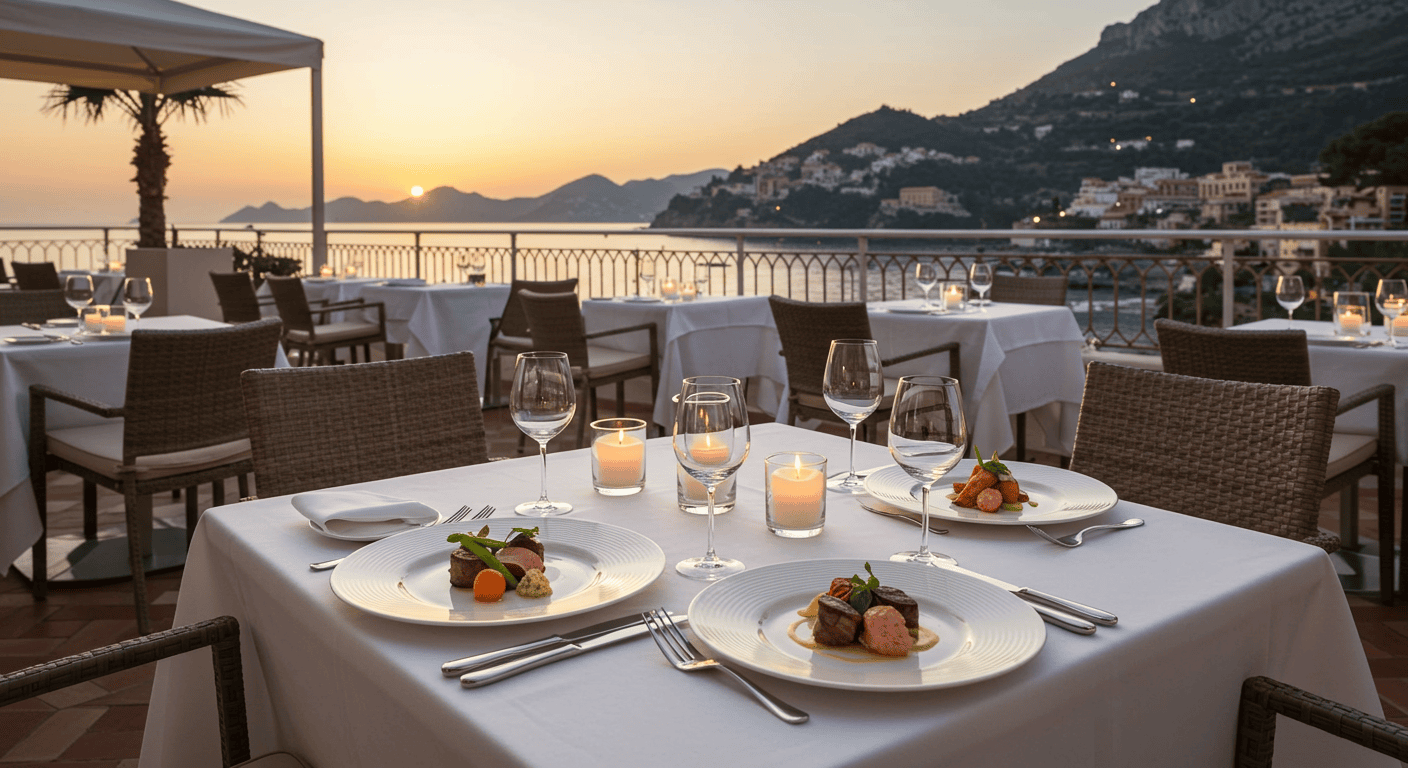
What fine dining here looks like is distinct from the northern Italian version. There are no heavy cream sauces performing tricks. What you find instead is restraint applied to extraordinary ingredients: burrata made that morning, lamb from the plateau above town, fish that arrived before dawn. Tasting menus tend to tell a story about place rather than about the chef’s ego, which is a refreshing change from somewhere we could mention but won’t. If you are looking for a formal, multi-course dinner with serious wine pairings, the region delivers it. Booking ahead – sometimes weeks ahead in high season – is not optional. It is simply how things work.
Local Trattorias and Tavernas Worth Knowing About
The real culinary soul of Selva lives not in white tablecloths but in the kind of room where the owner’s grandmother’s photograph is on the wall and the menu changes because something came in particularly well that Tuesday. Puglia’s trattorias operate on a logic all their own: the specials board is not a suggestion, it is the point; the antipasti arrive in waves you were not prepared for; and the pasta – orecchiette, in particular – is made by someone who has been making it since before you were born and would like you to understand this with your first bite.
These are places where a carafe of local red arrives without ceremony and where saying you are full is treated as a polite fiction. Seek out the family-run spots rather than those with laminated menus near the main piazza. The laminated menu is rarely anyone’s finest hour. In the smaller streets and on the routes toward the countryside, you will find trattorias where the cooking is frank and generous – dishes of braised cicorie, involtini of horsemeat that would raise an eyebrow in Surrey but makes perfect sense here, and focaccia barese so good it recalibrates your entire understanding of the word bread.
What to Order: Essential Dishes and Local Specialities
Eating well in Selva is substantially a matter of knowing what not to overlook. The temptation, especially on a first visit, is to order familiar pasta shapes and call it a night. Resist. The regional canon here is both deep and specific, and it rewards curiosity in the most direct way possible: at the table.
Start with the antipasti. In Puglia this is not a starter so much as an opening statement. Expect burrata – the local version puts everything you have eaten elsewhere in serious jeopardy – alongside bombette, small rolls of meat stuffed with cheese and herbs, typically cooked over an open flame. Move on to orecchiette con le cime di rapa: the ear-shaped pasta with bitter turnip tops and anchovy, which sounds austere and tastes like the landscape itself. Taralli – the small, savoury biscuits made with olive oil and white wine – appear everywhere and demand no particular occasion. Lamb cooked slowly with local herbs is as good as anything you will eat in Italy. Finish with a pasticiotto, the short pastry tart filled with custard cream, which is technically a breakfast item but has never been explained to dinner.
The olive oil deserves its own sentence. Puglian olive oil is among the finest produced in Italy, and eating it here, cold-pressed and local, from a bottle with a hand-written label on someone’s kitchen table, is a specific kind of pleasure that no amount of deli shopping at home can replicate.
Wine, Local Drinks and What to Order at the Bar
The wines of Puglia have spent years being underestimated, which suits the people who have been drinking them very well. Primitivo – full, warm, deeply coloured – is the flagship, grown on vines whose roots descend into limestone with a single-mindedness that produces wines of remarkable character. Negroamaro is darker still, structured and slightly austere in youth, extraordinary with slow-braised meat. For white wine, look for Fiano and Verdeca: the former aromatic and textured, the latter crisp and local in the best possible sense.
At the bar, aperitivo hour is observed with the proper seriousness it deserves. An Aperol Spritz will be poured for you without judgement, but locally-made vermouth or a simple glass of something cold and Puglian sets the tone for the evening better. Limoncello appears after dinner as a matter of course – occasionally also during it, if the evening is going well. Local craft breweries have emerged in the region in recent years, producing beers that pair, with pleasing logic, with street food and long afternoons on terraces.
Casual Dining, Beach Clubs and Eating in the Open Air
Selva and its surrounding countryside offer something that formal restaurant guides tend to undervalue: the pleasure of eating outside without occasion. A stone wall, a table, a bottle of something cold – this is not roughing it, it is the entire point of being somewhere like this. Masserie – the great fortified farmhouses that define the Puglian landscape – have increasingly opened their agriturismos to guests for long, slow lunches: antipasti, pasta, grilled meat, cheese, wine, the works. These lunches have a tendency to dissolve the afternoon entirely, and you should plan accordingly.
Closer to the Adriatic coast – an easy drive from Selva – beach clubs and lidos operate their own breed of casual dining: grilled fish, fried seafood, pasta with clams eaten at plastic tables with your feet still sandy. Nobody is performing here. The cooking is direct and the fish is fresh and the sea is right there. It is, in its way, as satisfying as anything served on white linen.
For something even more informal, the weekly markets in surrounding towns are where you find producers selling directly: cheeses, cured meats, olives in a dozen preparations, vegetables that have not spent a week in a distribution centre. A morning at the market followed by an improvised lunch back at the villa is one of the best meals you will have all trip.
Hidden Gems and Where the Locals Actually Eat
There are places in and around Selva that don’t appear in guidebooks, don’t have Instagram accounts, and are not especially interested in your attention. These are, predictably, some of the best places to eat. They tend to be small – perhaps eight tables – and run by people who are there every day without exception. The menu is what it is. The price is very reasonable. You may not have been expecting this level of cooking at this price point, which is the correct reaction.
Finding them requires either local knowledge or willingness to wander until something smells right. Asking at your accommodation is never a bad idea. Taxi drivers are, in this region as in most of Italy, an underutilised source of intelligence. A well-placed question over a morning coffee can unlock information that would otherwise take weeks of online research and still get you somewhere inferior. The hidden gems of Selva’s food scene are hidden primarily because they have never bothered to make themselves findable. The food does not require marketing. It speaks for itself, in a very confident voice.
Reservation Tips and Practical Advice for Eating Well in Selva
High season in Puglia runs approximately from late June through August, during which the region’s better restaurants fill up with a speed that is both impressive and slightly alarming. The rule is simple: for anywhere you genuinely want to eat, book at least a week in advance, and more for anything with a Michelin star or a particular reputation. Many restaurants now take reservations online, though a phone call or email in Italian – or at minimum, a warm and polite email in English – goes down considerably better than an automated booking request that reads as though it was generated by an algorithm. Which, of course, it sometimes is.
Lunch in southern Italy is not a light meal. It is, in fact, the main event – a multi-course affair that runs long into the afternoon and from which nothing productive is expected to follow. If you are trying to experience the full depth of Puglian cooking without a significant financial outlay, go for lunch: many of the region’s better kitchens offer lunch menus at prices that would seem unreasonably generous elsewhere in Europe. Dinner is more formal, more expensive, and – in the height of summer – hotter than you were expecting.
Dress codes are relaxed but not non-existent. At the higher end, smart casual is understood and expected. Arriving for dinner in beach clothes at a fine dining restaurant is technically possible but will earn you a look from the maître d’ that you will remember for longer than you’d like.
A Note on Staying Well-Fed Beyond the Restaurant
One of the particular pleasures of basing yourself in a luxury villa in Selva is the ease with which extraordinary eating becomes part of the daily rhythm rather than a series of logistical events. Many villas in the region come with the option of a private chef – someone who knows the local suppliers, shops the market with genuine authority, and can produce a dinner in your own kitchen that rivals anything in town. It is an option that, once you have experienced it, becomes difficult to explain as a luxury rather than simply the sensible way to eat. A long table in the courtyard, olive oil on everything, the right bottle opened at the right moment: this is what eating in Selva actually looks like at its finest.
For everything else you need to know about visiting this part of Puglia – from where to go and what to see, to how to get there and when – the full Selva Travel Guide has you covered in considerably more detail.
What are the best restaurants in Selva for a special occasion dinner?
For a genuinely memorable evening, look beyond Selva itself to the wider Valle d’Itria region, which contains some of Puglia’s finest kitchens, including Michelin-recognised restaurants within easy driving distance. Closer to home, the agriturismos and upscale masserie dining rooms offer a distinctly Puglian take on the special occasion meal – long, generous and deeply local. Always book well in advance, particularly between June and August, and consider asking your villa manager for a specific recommendation tailored to your group’s style of eating.
What local dishes should I make sure to try when eating in Selva?
Orecchiette con le cime di rapa is non-negotiable – the classic Puglian pasta with bitter greens and anchovy that defines the region’s cooking philosophy. Beyond that, look for fresh burrata (the local version is genuinely different from what you find elsewhere), bombette cooked over open flame, slow-braised lamb with local herbs, and focaccia barese. Pasticiotto – the custard-filled pastry – is officially a breakfast item, but do not let that stop you. The local Primitivo and Negroamaro wines are the natural companions to all of the above.
Is a private chef in a Selva villa worth it compared to eating out every night?
For many guests, a private chef option transforms the entire dynamic of a stay. Rather than coordinating restaurant bookings for a larger group each evening, you have someone sourcing local produce – often from the very suppliers and markets that feed the region’s best restaurants – and cooking in your villa’s kitchen. It suits larger groups or families particularly well, offers complete flexibility around your schedule, and delivers a quality of cooking that reflects the exceptional ingredients available in this part of Puglia. Many guests end up treating it not as a luxury upgrade but as simply the most logical way to eat well.

