Discover Salamanca’s Historic Architecture & Cultural Events
Salamanca is a city that really pulls you in, you know? It’s got this old-world charm mixed with a lively student vibe. I recently spent some time there, and honestly, it felt like stepping back in time, but with good coffee and Wi-Fi. The buildings are just incredible, made from this golden stone that seems to glow. It’s the sort of place where you can wander for hours and still find something new. If you’re looking for a Spanish city that’s beautiful, historical, and has a great atmosphere, this Salamanca travel guide is for you.
Key Takeaways
- Salamanca’s Plaza Mayor is a stunning example of Baroque architecture and a central hub for city life.
- The city boasts two cathedrals, the Old and New, offering a fascinating blend of Romanesque, Gothic, and Baroque styles.
- The University of Salamanca, one of Europe’s oldest, features a famous Plateresque facade with a hidden frog symbol for good luck.
- Explore unique cultural spots like the Art Nouveau and Art Deco Museum at Casa Lis and the vibrant street art in Barrio del Oeste.
- Discover Salamanca’s history through its Roman Bridge, ancient origins, and the legendary Cave of Salamanca.
Discover Salamanca’s Architectural Grandeur
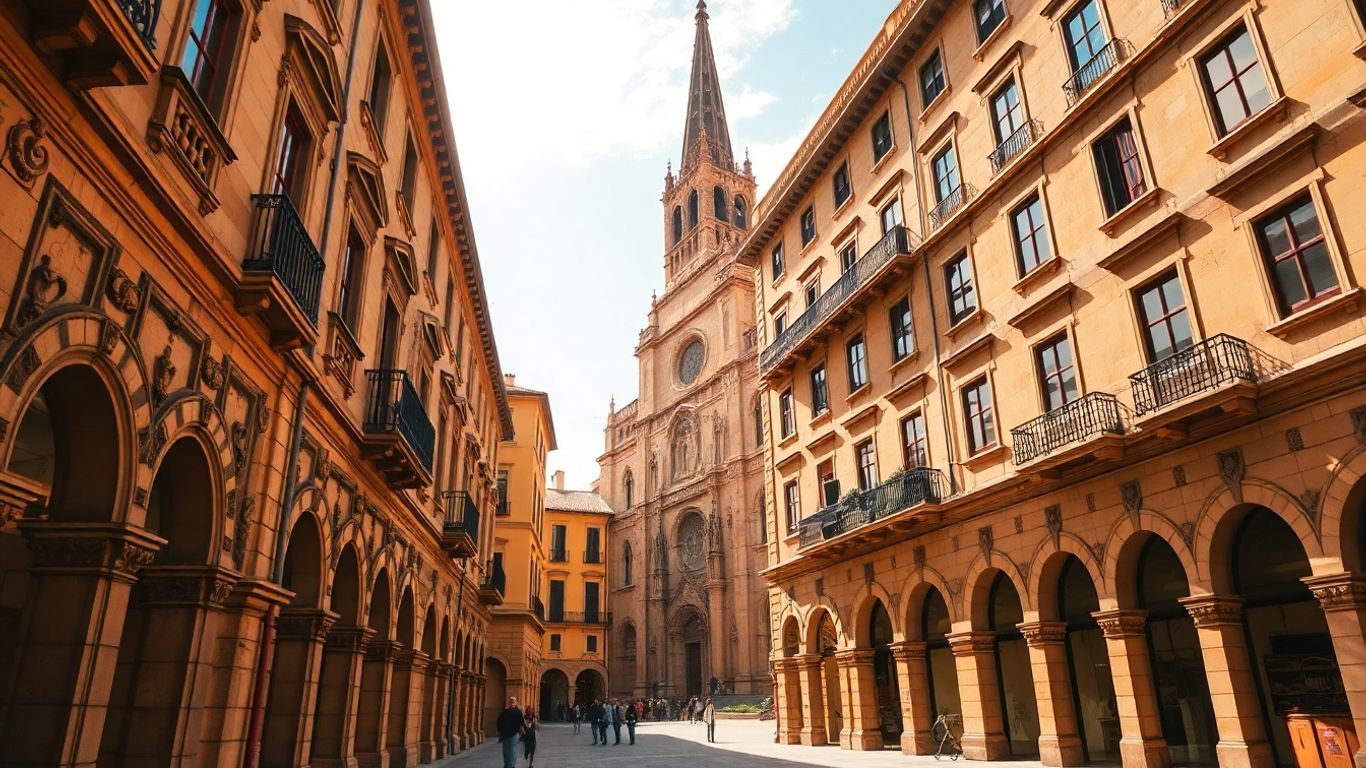
Salamanca is a city that truly takes your breath away with its buildings. It’s not just old stone; it’s like stepping into a history book, but way more beautiful. The whole place just glows, especially when the sun hits those sandstone walls. It’s no wonder it’s a UNESCO World Heritage site; you can feel the centuries of stories just by walking around.
The Majestic Plaza Mayor
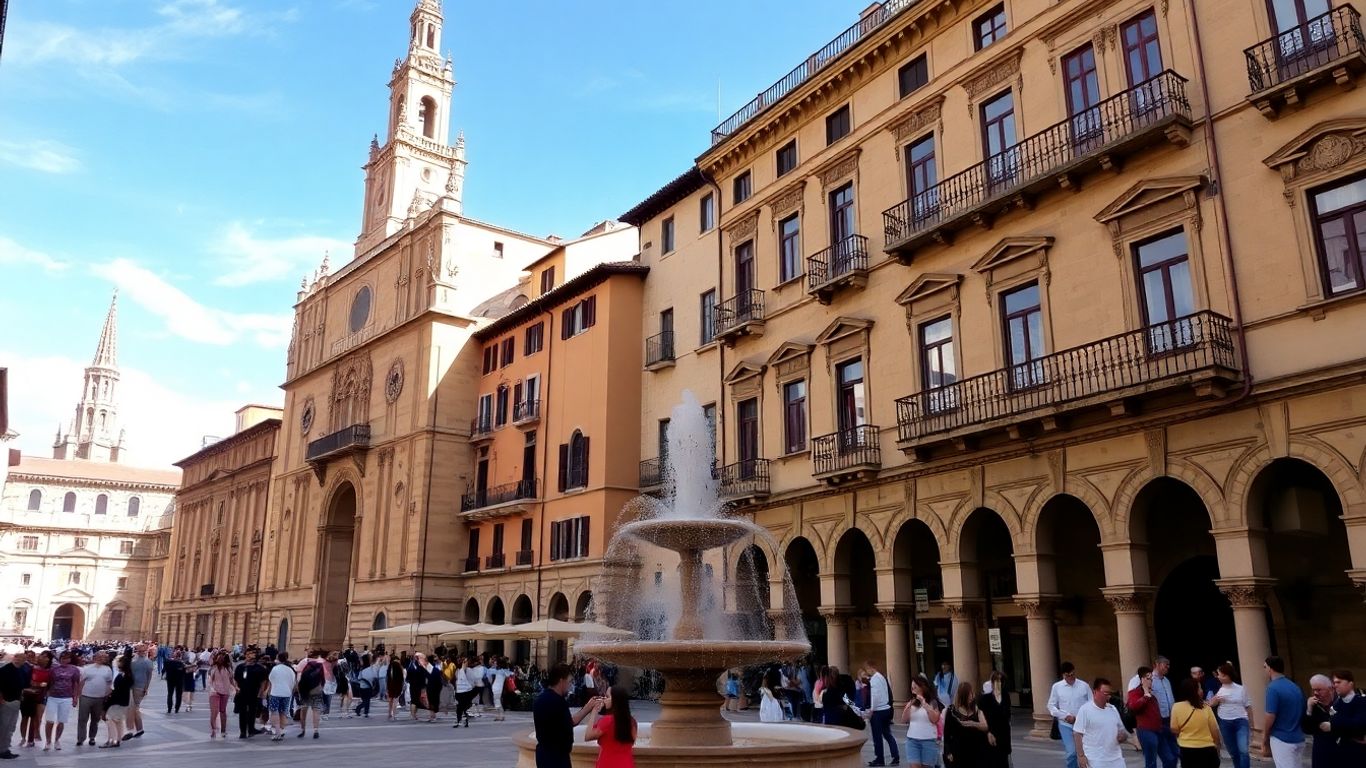
This square is the absolute heart of Salamanca, and honestly, it’s one of the most impressive public spaces I’ve ever seen. It’s this huge, elegant Baroque masterpiece, all enclosed with arcades and decorated with these detailed medallions. It’s the kind of place where you just want to sit with a coffee and watch the world go by. It’s seen everything, from lively festivals to, well, less pleasant historical events, but today it’s all about soaking up the atmosphere. It really is the perfect spot to start exploring the city.
The Dual Charm of Salamanca’s Cathedrals
Salamanca has not one, but two cathedrals standing side-by-side, and the contrast is just stunning. You have the Old Cathedral, which is this wonderfully preserved Romanesque structure, feeling quite solid and ancient. Then right next to it is the New Cathedral, a much grander affair with Gothic, Renaissance, and Baroque elements. It’s quite something to see these two distinct architectural styles sharing the same space. Climbing the Ieronimus towers offers a fantastic perspective, giving you views over the city and the river that are just unforgettable.
The Intricate Facade of the University of Salamanca
Founded way back in 1218, Salamanca University is one of the oldest in the world, and its main building is a real showstopper. The facade is a prime example of Plateresque style – that’s Spanish Renaissance architecture that looks almost like silverwork, incredibly detailed and ornate. It’s said that if you look closely, you can find a tiny frog carved into the stonework. Legend has it that spotting it brings good luck, especially to students. It’s a building that really embodies the city’s long-standing reputation as a centre of learning and culture.
Renaissance Splendour and Artistic Treasures
Salamanca truly shines when it comes to its Renaissance architecture, a period that left an indelible mark on the city’s character. It’s a time when artistry and intellect seemed to converge, creating buildings that still take your breath away.
The Iconic Casa de las Conchas
This building, known as the House of Shells, is quite something. It’s a prime example of Spanish Gothic civil architecture, commissioned way back in the late 15th and early 16th centuries. The entire facade is covered in carved scallop shells, the symbol of the Order of Santiago, which is just a fantastic detail. It really makes you stop and look.
The Plateresque Masterpiece of San Esteban Convent
The Convent of San Esteban is another absolute gem. It’s a grand Renaissance structure from the 16th century, but what really stands out is its facade. It’s a stunning showcase of the Plateresque style – that’s where the stonework looks almost like silverwork, incredibly detailed. Inside, you’ll find some impressive Baroque pieces too, like the altarpiece. It’s a place that feels both grand and peaceful, with beautiful cloisters.
Palacio de Monterrey: A Glimpse into Aristocratic Life
If you want to imagine what life was like for the nobility back then, the Palacio de Monterrey is the place. It’s been a National Monument since 1929, and its architecture is considered a benchmark for the Spanish Plateresque style. The crestings on the roof are particularly magnificent. Inside, you can tour over a dozen of the palace’s private rooms, which often display pieces from important art collections, including paintings by old masters. It gives you a real sense of the wealth and taste of the era.
Cultural Immersion and Artistic Expression
Salamanca isn’t just about ancient stones and grand plazas; it’s a city that breathes art and culture in its very streets. Prepare to be captivated by its dynamic creative spirit.
The Art Nouveau and Art Deco Museum at Casa Lis
Step into a world of exquisite decorative arts at Casa Lis. This stunning mansion, with its famous stained-glass ceiling, houses an impressive collection of nearly 2,500 pieces from the 19th and early 20th centuries. It’s a true treasure trove, showcasing the elegance and innovation of Art Nouveau and Art Deco. The current exhibition featuring Spanish masters like Picasso, Miró, and Dalí adds another layer of artistic significance, making it an unmissable stop for any art aficionado.
Exploring the Urban Gallery of Barrio del Oeste
For a truly unique artistic experience, wander through the Barrio del Oeste. This neighbourhood has been transformed into an expansive open-air gallery, with building facades and public spaces serving as canvases for vibrant murals and street art. It’s a living exhibition, constantly evolving with works by both local and international artists. This initiative has not only revitalised the area but also made art accessible to everyone, offering a colourful and engaging exploration of contemporary urban creativity. You can discover more about this project and its impact on the local community.
The Museo de Historia de la Automoción
Even if you’re not a dedicated car enthusiast, the Museum of Automotive History is worth a visit. Housed in the former ‘Electric Factory’, this museum presents a fascinating journey through the evolution of automotive design. With hundreds of vehicles, motorbikes, and related artefacts, it tells the story of how cars have shaped our world and continue to influence our future. It’s a surprisingly engaging look at industrial design and technological progress.
Salamanca’s cultural landscape is as diverse as its architectural heritage. From the refined elegance of decorative arts to the raw energy of street art and the historical sweep of automotive innovation, the city offers a rich tapestry of artistic expression waiting to be discovered.
Echoes of History and Ancient Foundations
The Enduring Roman Bridge
Salamanca’s connection to antiquity is perhaps most tangibly felt as you cross its Roman Bridge. Dating back to the 1st century, this structure is a remarkable piece of engineering that has stood the test of time. Walking across it offers not just a beautiful perspective of the city and the River Tormes, but also a direct link to the very foundations of this historic place. It’s a quiet moment to reflect on the centuries of life that have flowed past this very spot.
Unearthing the Origins of the City
To truly grasp Salamanca’s story, one must look beyond the grand facades and explore the sites that reveal its earliest beginnings. Places like the Cerro de San Vicente offer a glimpse into the lives of the first settlers, showing us how they lived and worked. Then there’s the fascinating Pozo de Nieve, an old snow well, a testament to ingenious methods of preserving resources in times gone by. These locations, often overlooked, are where the city’s narrative truly starts.
- Cerro de San Vicente: Discover the daily routines of Iron Age farmers.
- Pozo de Nieve: Understand historical methods of snow storage.
- Interpretation Center of the Salamanca Walls: Learn about the city’s defensive past and growth.
These ancient sites provide a grounding perspective, reminding us that even the most magnificent cities have humble beginnings, built layer by layer over millennia.
The Legendary Cave of Salamanca
Whispers of the legendary Cave of Salamanca add a layer of mystique to the city’s historical tapestry. While its exact location and nature are shrouded in folklore, the tales associated with it speak of ancient rituals and hidden knowledge. It’s said to be a place where secrets were kept and perhaps even where the city’s very name originated. Exploring these legends is like peeling back another layer of Salamanca’s rich and often enigmatic past.
Experiencing Salamanca’s Vibrant Culture
The Scala Coeli Towers of La Clerecía
Ascending the Scala Coeli Towers at La Clerecía offers a truly unique perspective on Salamanca. It’s not just about the climb; it’s about the unfolding panorama that greets you. From these heights, the city’s historic heart reveals itself, a tapestry of terracotta roofs and ancient stone. The real magic happens as the sun begins to set, casting a warm, golden glow over the entire cityscape. It’s a moment that feels both grand and intimately personal, a chance to truly connect with the soul of Salamanca.
Literary Inspiration in the Garden of Calixto and Melibea
This charming garden, nestled beside the old city walls, is more than just a pretty spot; it’s a place steeped in literary history. It’s widely believed to have inspired Fernando de Rojas’s classic work, "La Celestina." Wandering through its peaceful paths, you can almost feel the echoes of the past. It’s a perfect place for quiet contemplation, perhaps with a good book in hand, allowing the atmosphere to transport you.
- Find a quiet bench and soak in the historic ambiance.
- Admire the blend of flora and the ancient stone surroundings.
- Imagine the stories that unfolded here centuries ago.
This tranquil space offers a welcome respite from the bustling city, inviting visitors to slow down and appreciate the quieter, more reflective side of Salamanca’s rich cultural tapestry.
A Taste of Spanish Heritage: Bullfighting Museum
For those interested in a specific facet of Spanish tradition, the Bullfighting Museum provides a fascinating glimpse into this complex cultural practice. It delves into the history, artistry, and evolution of bullfighting, showcasing costumes, posters, and other artefacts that tell the story of this enduring spectacle. It’s an opportunity to understand a significant element of Spain’s heritage, presented with historical context and respect.
Salamanca is a city bursting with life and amazing things to see and do. You can really feel the energy of the place, from its historic buildings to the lively streets. Want to discover more about this fantastic Spanish city? Check out our website for all the details!