Antigua and Barbuda Food & Wine Guide: Local Cuisine, Markets & Wine Estates
First-time visitors to Antigua make the same mistake with impressive consistency: they arrive, check into a beautiful resort, order a rum punch by the pool, and spend an entire week eating dishes that could have come from any sun-and-sand destination on earth. Jerk chicken. Caesar salad. “Local fish” that turns out to be tilapia. It is a tragedy of geography – all that Caribbean abundance just beyond the resort gates, and they never found it. The truth is that Antiguans take their food seriously, in the quiet, unhurried way that people take things seriously when they’ve always had access to the real thing. Saltfish and chop-up for breakfast. Pepperpot so dark and deep it looks like it’s been cooking since the island was formed. Ducana steamed in banana leaves. None of this lands on a buffet. You have to go looking for it.
This guide is for the visitors who go looking. Whether you’re exploring the food markets at dawn, chasing down a bowl of fungee, or sitting on a terrace with a glass of something cold watching the sun drop behind English Harbour, consider this your introduction to eating and drinking well in Antigua and Barbuda – properly well, not just expensively well.
For the broader picture of what to see, do and plan before you arrive, our full Antigua and Barbuda Travel Guide is an excellent place to begin.
The Regional Cuisine: What Antigua and Barbuda Actually Tastes Like
Antiguan food is the cuisine of a small island that has always had to be resourceful. It draws on African heritage, British colonial influence, and the extraordinary natural larder of the Caribbean – and it does so without particularly trying to impress you. That is, in fact, precisely what makes it impressive.
The national dish is fungee and pepperpot – a pairing that deserves more international recognition than it gets. Fungee is a cornmeal dumpling, dense and smooth, somewhere between polenta and fufu. Pepperpot is a thick, spiced stew of greens, salted meat and whatever vegetables are close to hand. Eaten together, they are profoundly satisfying in the way that only food designed to sustain people through hard physical work can be. It is comfort food in the truest sense – not comfort food in the Instagram sense.
Ducana is another staple worth knowing: a sweet dumpling made with grated sweet potato, coconut and spices, wrapped in banana leaves and steamed. Served alongside saltfish, it is what many Antiguans eat for Sunday breakfast, and once you’ve had it that way – fresh, warm, slightly sweet against the salt of the fish – ordering avocado toast will feel like a step backwards.
Antigua’s waters produce excellent seafood. Red snapper, mahi-mahi, lobster and whelks appear on menus across the island, but the finest versions are often found at the most unassuming locations – fish shacks near the water, small family-run spots where the fryer has been going since before you woke up. The lobster, in particular, is worth seeking out. Barbuda – quieter, less visited, and rather wonderful for it – has a particular reputation for lobster so fresh it barely needs dressing.
Chop-up, a slow-cooked medley of spinach, eggplant, okra and seasoning, is the vegetable side dish that makes every plate better. It appears everywhere and is never the same twice, which is either charming or maddening depending on your relationship with consistency.
Food Markets: Where the Real Antigua Begins
The St. John’s Public Market, in the capital, is the kind of place you should visit before you’ve had breakfast, when your senses are sharp and you’re genuinely hungry. It operates primarily in the early morning hours, and by mid-morning the best of it is gone. Vendors sell tropical fruits in quantities that make you wonder where they expect you to store them – mangoes, soursop, guava, golden apple, tamarind. There are bunches of fresh herbs, ground provisions piled high, and a general atmosphere of people getting on with things efficiently and without much interest in being watched.
Come on a Saturday for the fuller market experience. Bring small bills. Do not attempt to bargain in the way you might at a tourist market elsewhere – this is where people buy their week’s food, and the pricing reflects that. The correct approach is to be pleasant, take your time, and ask what’s good today. You will usually be told.
Beyond St. John’s, smaller roadside vendors and community market stalls operate with the kind of informal regularity that doesn’t conform to posted hours. Locals know which stall does the best black pineapple – Antigua’s own variety, sweeter and less acidic than anything you’ll find in a supermarket – and that knowledge is worth acquiring. Ask at your villa. Anyone who has spent time on the island will have opinions.
The Heritage Quay and Redcliffe Quay areas in St. John’s offer a more polished version of local produce and food culture, with artisan food producers and specialty shops alongside the restaurants. It’s a good place to pick up local hot sauces, pepper jellies and rum-based condiments to take home – the kind of edible souvenirs that actually get used rather than sitting at the back of a cupboard until someone throws them away in 2026.
Signature Dishes and Where to Experience Them
Eating well in Antigua is partly about knowing what to order and partly about knowing where not to eat. The resort buffet will always exist. It is not what we’re discussing here.
For fungee and pepperpot done properly, seek out local restaurants in and around St. John’s that serve traditional Antiguan breakfasts and lunches. These are rarely open for dinner – partly because the dishes are morning and midday foods, and partly because the owners have sensible priorities. The window is early, and it is worth setting an alarm for.
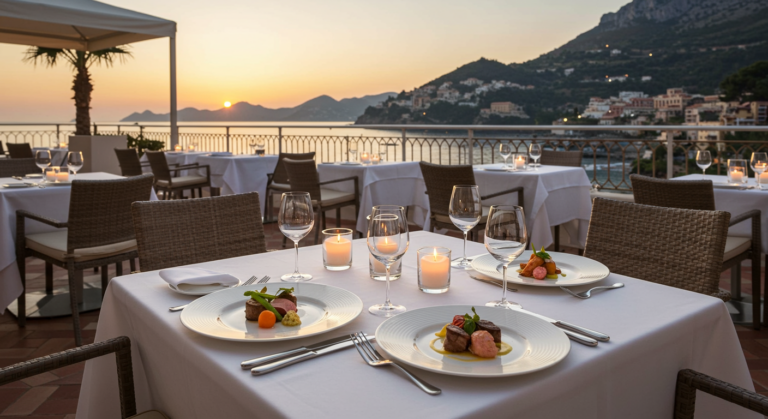
Seafood is best eaten close to the water. The fishing villages around the island – particularly around Falmouth and English Harbour in the south – have informal spots and small restaurants where the day’s catch is on the menu in a literal, non-marketing sense. The atmosphere is unhurried. The fish is exceptional. The view, inevitably, involves boats and the kind of light that makes everything look better than it is. (In this case, the food genuinely is that good, so the light is simply being honest.)
Barbuda, should you make the short trip by ferry or light aircraft, is a different food experience entirely. It is quieter, less developed, and deeply proud of its lobster. Lobster caught in Barbudan waters has a sweetness and firmness that comes from cold, clean, relatively undisturbed sea. It is typically grilled simply – butter, garlic, lime – and it does not need anything more than that. Ordering it with complicated sauces would be missing the point entirely.
For something more refined, the restaurant scene around English Harbour and Falmouth Harbour caters to the superyacht crowd and does so with considerable skill. The cooking in this part of the island tends to blend Caribbean ingredients with European technique – a lobster bisque that knows its classical roots, a ceviche that has thought about what it’s doing. Quality is consistently high, and booking ahead is not optional during peak season.
Rum: The Only Wine Guide That Actually Matters Here
There are no wine estates in Antigua. This is not a failure of ambition so much as a reflection of climate – the heat, humidity and soil composition that make this island paradise for humans make it inhospitable for vinifera vines. Any guide that invents Antiguan wine estates is either confused or hoping you won’t check.
What Antigua does produce, with genuine excellence, is rum. And any serious food and drink guide to these islands must address rum with the same attention that a European guide would give to its vineyards.
The English Harbour Rum distillery is the name that matters most. Founded in the 1950s, it produces some of the most respected aged rums in the Caribbean – smooth, complex, and capable of holding a conversation without shouting. The English Harbour 5 Year and 10 Year expressions are particularly worth seeking out. The 10 Year, aged in American oak barrels, develops notes of vanilla, dried fruit and a warmth that builds slowly rather than arriving all at once. It is the kind of rum you sip rather than mix, ideally somewhere with a sea view and no particular obligations for the next hour.
Visiting the distillery – located near the historic English Harbour area, which is already a destination in its own right – offers a genuine insight into Caribbean rum production at a serious level. The ageing warehouses, the copper pot stills, the explanation of how the Caribbean climate accelerates maturation in ways that would take decades in Scotland – it is a genuinely educational experience, and the tasting at the end is thoroughly earned.
Beyond English Harbour Rum, local rum shops across the island offer a more democratic version of the same culture. These are small, social, sometimes very loud places where local rum is poured without ceremony and conversation moves quickly. They are not cocktail bars. They are, however, an authentic part of how Antiguans actually drink, and spending an hour in one will tell you more about the island than any historical tour.
For wine enthusiasts visiting from Europe or North America, the restaurant scene in English Harbour and Falmouth maintains impressive wine lists – heavily weighted towards Bordeaux, Burgundy and New World bottles – sourced through international suppliers and stored properly. You will not go without. You simply won’t be visiting any vineyards.
Cooking Classes and Food Experiences Worth Your Time
The most rewarding food experience in Antigua is not a restaurant dinner. It is learning to cook the food yourself – specifically, learning from someone who grew up making it. A small number of local operators run cooking classes focused on traditional Antiguan cuisine: fungee, pepperpot, ducana, saltfish preparations and the various seasoning pastes and marinades that underpin the whole cuisine.
These classes are not the glossy, apron-and-champagne experiences of European cooking schools. They are more practical than that, and better for it. You’ll visit a market first, usually, to source ingredients – which is an education in itself. Then you cook. The instruction is direct, the portions are generous, and you eat what you make. By the end you will understand exactly why the resort buffet version never tasted quite right.
Some private villa rentals in Antigua can arrange in-villa cooking experiences with local chefs – a particularly appealing option if you’re travelling as a group and want to experience traditional cuisine in your own space, at your own pace, with a rum punch already made. This is worth enquiring about when booking.
For a more immersive food experience, consider arranging a private market tour with a local guide who can contextualise what you’re seeing and eating. Antigua’s food culture has deep roots, and understanding a little of the history – the agricultural traditions, the African culinary influences, the meaning of certain dishes in community life – changes how the food tastes. Context is the best seasoning.
Barbuda also offers the possibility of an exceptional private seafood experience: working with local fishermen to source lobster or fish in the morning and having it prepared the same day. It is the kind of thing that requires planning and the right local contact, but the result – sitting on a beach eating lobster that was in the sea three hours ago – is about as good as eating gets anywhere in the world.
The Best Food Experiences Money Can Buy in Antigua and Barbuda
Luxury in Antigua, when applied to food, is less about chandeliers and silver service than about access, freshness and time. The best food experiences here are expensive not because of elaborate production values but because they require the right local relationships, the right timing, and often a very good boat.
A private sunset charter with a chef on board – good wine, freshly caught fish cooked simply over a grill on deck as the light fades over the Caribbean – is the kind of experience that makes everywhere else seem slightly grey by comparison. Several charter companies and villa concierge services on the island can arrange this with enough notice.
Dining at the finer restaurants around English Harbour during the Antigua Sailing Week period – typically late April and early May – adds an electric social dimension to an already excellent food scene. The harbour fills with serious yachts and serious people, the restaurants are at their best, and the general atmosphere is one of civilised celebration done well. Book restaurants months in advance. This is not hyperbole.
For a more private luxury experience, a villa rental with a dedicated private chef – sourcing from local markets each morning, cooking traditional and contemporary Antiguan cuisine to order – represents the apex of what food travel here can offer. You get all the authenticity of local produce and technique, with none of the logistics. Someone else handles the 5am market run.
The Barbuda lobster lunch, mentioned earlier, belongs on this list too. Simple food, extraordinary provenance, an island that sees a fraction of the visitors Antigua receives. Getting there takes effort. The effort is entirely justified.
What to Drink Beyond Rum
Antigua and Barbuda’s drinking culture extends beyond rum, though rum remains the foundation. Wadadli, the local beer – named after the indigenous name for Antigua – is light, refreshing and perfectly calibrated for the heat. It does what a lager should do in the Caribbean, which is to say it does not get in the way of anything.
Mauby is a local soft drink made from the bark of the mauby tree, sweetened and spiced. It is bitter-sweet, slightly medicinal, deeply refreshing and unlike anything you’ve tasted before. It is also one of those things that people either immediately love or cautiously respect. Either response is valid.
Fresh fruit juices, made from local fruits – soursop, passion fruit, guava, tamarind – are available across the island and are genuinely extraordinary when made properly. Soursop juice in particular, thick and slightly floral, is worth going out of your way for. Order it wherever it appears on a menu.
Rum punch, the ubiquitous welcome drink of Caribbean hospitality, varies enormously in quality. The basic formula – rum, lime, simple syrup, bitters, nutmeg – is simple enough that there is no excuse for a bad one. And yet. The best rum punches in Antigua are made with English Harbour rum and a generous hand with the lime. If yours arrives overly sweet and slightly fluorescent, you are in the wrong place.
Planning Your Food Journey in Antigua and Barbuda
The best approach to eating well in Antigua is to make at least three decisions before you arrive. First, identify one or two traditional Antiguan restaurants or local breakfast spots and build your mornings around visiting them – early, before the heat builds and before they sell out. Second, book one dinner at a serious restaurant in the English Harbour or Falmouth Harbour area, particularly if you’re visiting during high season. Third, ask your villa manager or local contact for their personal recommendations. Not the tourist board recommendations – theirs.
The rhythm of food on the island follows the rhythm of the island itself: unhurried, sun-driven, with a strong preference for fresh over processed and local over imported. Travellers who match that rhythm – who are willing to eat breakfast early, lunch simply and dinner slowly – consistently have the better food experiences. It is a pleasingly uncomplicated philosophy.
Dietary requirements are accommodated thoughtfully at the better restaurants and villa settings, though it is always worth communicating these in advance. The local cuisine is naturally rich in vegetables and fish, which makes it more flexible than it might initially appear from a menu heavy with saltfish and stewed meats.
If this guide has done its job, you are now thinking about fungee, about lobster in Barbuda, about sitting somewhere with a glass of aged English Harbour rum watching the water. That seems like a good place to be – mentally, and eventually, literally.
To make it a reality, explore our collection of luxury villas in Antigua and Barbuda – properties where the local food culture, the private chef options and the proximity to markets and harbours are as much a part of the experience as the pool and the view. The table, in Antigua, is a very good place to start.