
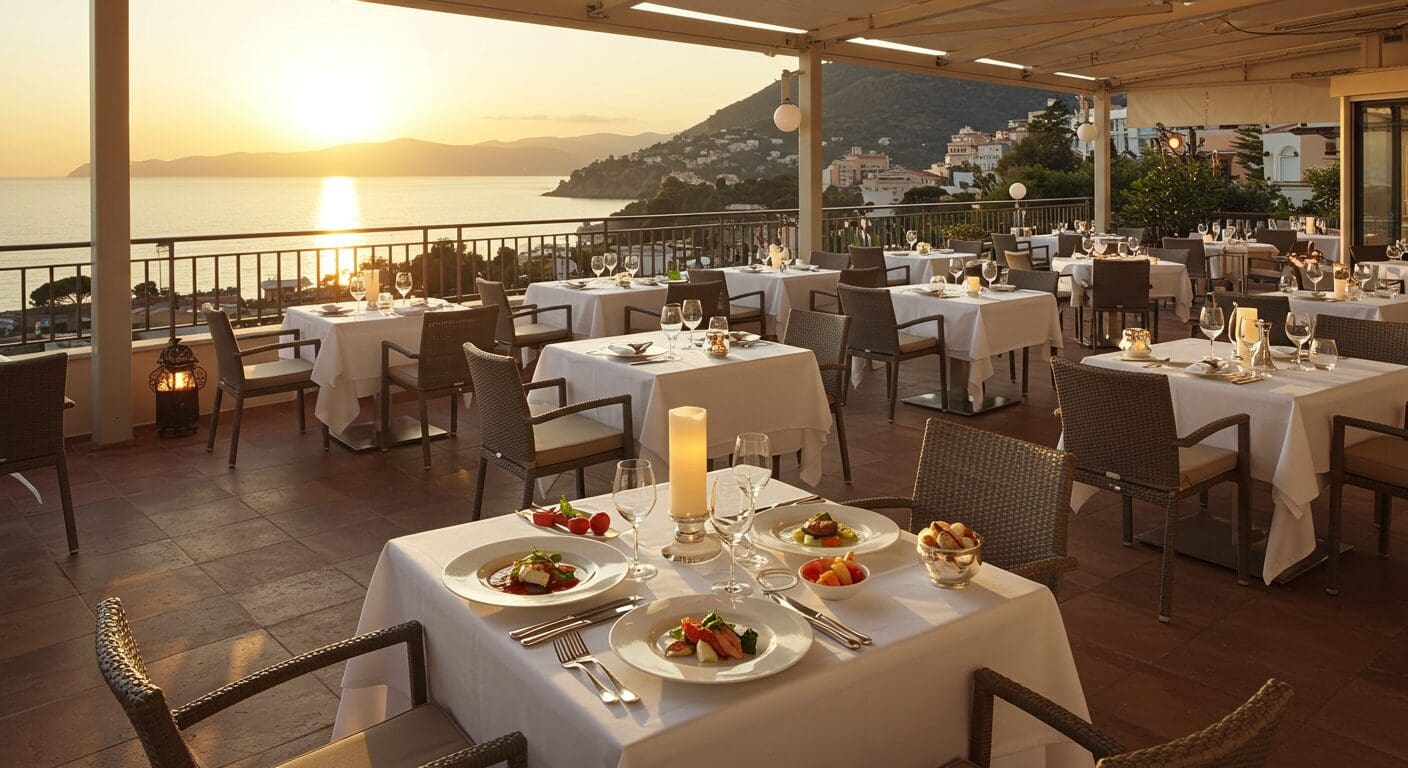
Best Restaurants in Austin: Fine Dining, Local Gems & Where to Eat
The mistake most first-time visitors make in Austin is arriving with their minds fixed on barbecue. Which is not, to be clear, a mistake in itself – Austin’s smoked brisket is as genuinely transformative as its devotees insist, and anyone who tells you otherwise has probably never queued outside Franklin Barbecue at 7am with a cup of coffee and unreasonable optimism. No, the mistake is stopping there. Treating Austin as a one-dish city is a bit like visiting Rome and only eating pizza. Technically defensible. Spiritually impoverished. Austin has, in the last decade, quietly assembled one of the most interesting restaurant scenes in America – farm-driven, chef-led, Michelin-recognised, and still somehow approachable in a way that Manhattan’s fine dining world largely forgot how to be. This is a city where a Michelin-starred kitchen might have a neon sign and a playlist that veers between Townes Van Zandt and Kendrick Lamar. You will not be asked to whisper.
Austin’s Fine Dining Scene: Michelin Stars in a City That Doesn’t Take Itself Too Seriously
Austin received its first Michelin Guide listings in 2022, which surprised approximately no one who had been paying attention and seemed to mildly offend the city’s food establishment, who had always known and didn’t particularly need a French tyre company to confirm it. By 2025, seven Austin restaurants hold Michelin Stars – a figure that would be extraordinary for a city of this size almost anywhere else in the world.
At the top of any serious list sits Craft Omakase, which has done something genuinely rare: earned a Michelin Star within its first two years of existence. Open since December 2023, this upscale sushi restaurant has already claimed both that star and a top-10 position on Texas Monthly‘s best new restaurants of 2025. Its 22-course omakase menu is a focused, unhurried sensory journey built around the highest-quality ingredients, presented with the kind of quiet confidence that doesn’t need to announce itself. Reservations require planning – possibly more planning than your actual flights to Austin. Book early and consider it an investment.
Then there is Barley Swine, which has been quietly excellent for fifteen years and is now, if anything, more interesting than ever. Chef Bryce Gilmore has been running River Field Farm for two years alongside the restaurant, which means the farm-to-table philosophy here is not a marketing line but a literal Tuesday morning. The menu is inventive without being theatrical, the room has a rustic warmth that makes you want to stay for another round, and the pricing is – by the standards of Michelin-starred restaurants – what the guidebooks would once have called “sane.” It retains its star in 2025, and entirely deserves to.
Emmer & Rye, on Rainey Street, occupies a particular place in Austin’s culinary identity. It has been here long enough to have witnessed the neighbourhood’s transformation from quiet residential backstreet to one of the city’s most energetic dining and drinking corridors, and it has only gotten better with time. The commitment to sustainability is real and rigorous – whole-animal butchery, house-made bread and pasta, a sourcing philosophy that actually means something – and it earned Emmer & Rye a Michelin Green Star, the guide’s designation for exceptional environmental practice. The menu rotates constantly, driven by what’s available and what the kitchen is excited about, which means two visits can feel entirely different. The wine and cocktail list is extensive and well-curated. It is, in the best possible way, the sort of place that makes you feel like you live somewhere interesting.
Jeffrey’s: Where White Tablecloths Still Mean Something
Austin is not, broadly speaking, a white-tablecloth city. It has an ingrained cultural suspicion of formality – the dress code at most places is best described as “whatever you’re comfortable in,” which in practice covers everything from vintage Wranglers to something that probably cost four figures in a showroom on South Congress. Jeffrey’s is the graceful exception. Set in Clarksville, one of Austin’s oldest and most characterful neighbourhoods, it delivers the kind of classic fine dining experience that the city’s newer openings deliberately move away from – and is all the more valuable for it.
The martini cart alone is worth the visit. There is also golden osetra caviar, seared foie gras, deviled eggs topped with shaved Burgundy truffles, and dry-aged steaks that have spent at least thirty days in contemplation before reaching your plate. This is where Austinites come for birthdays, anniversaries, promotions, and the occasional extravagant Tuesday. The cooking is part classic French, part American steakhouse, entirely confident. It is not trying to be modern. It does not need to be.
Local Gems and Hidden Finds: The Austin Dining Scene Beyond the Headlines
Not everything worth eating in Austin has a Michelin star or a reservation system that opens at midnight and closes within four minutes. Some of the city’s most interesting food is being done in counter-service formats, market stalls, and the sort of quietly brilliant neighbourhood spots that locals mention only when pressed and then immediately regret mentioning.
Nixta Taqueria is the clearest example of counter service elevated to something genuinely special. Chef Edgar Rico is doing things with tacos that most people would not have thought to do – duck carnitas, beet tartare, carrot tostadas, a celery salad that has no business being as good as it is. The enchilada potosina taco has been singled out by Texas Monthly as one of the 50 best tacos in Texas, which in this state is not a small distinction. Texas takes its tacos with the same earnest seriousness that Italy applies to pasta, and the Texas Monthly taco list is argued over with the kind of passion other places reserve for political elections. Finish with one of Nixta’s paletas – refreshing, beautifully made, and the correct response to the Austin heat at almost any time of year.
Beyond the named establishments, Austin rewards wandering. The stretch of South Congress Avenue has evolved considerably but still holds some of the city’s most interesting eating, while East Austin – which gentrified rapidly but retained a real energy – has become the most interesting neighbourhood for new openings. Rainey Street, anchored by Emmer & Rye, layers excellent food with some of the most enjoyable bar-hopping in the city. The rule of thumb with Austin: if somewhere has a two-hour queue and no social media presence, it has probably been excellent for twenty years.
Food Markets and Casual Dining: Eating Like an Austinite
The South Congress Avenue corridor and the surrounding streets contain some of the city’s best casual eating, and the weekend farmers’ markets – particularly the one at Sunset Valley, one of Austin’s longest-running – are worth a morning of anyone’s time. The producers who supply restaurants like Barley Swine and Emmer & Rye often sell directly here, which means the ingredients that go into Austin’s finest kitchens are available on a Saturday morning for rather less than a tasting menu requires.
The broader food market scene in Austin reflects the city’s food values: locally sourced, seasonally driven, diverse in its influences. Food truck culture, which Austin practically invented and then watched the rest of America imitate, remains genuinely strong. The trailers that cluster along South First Street and South Lamar are not tourist theatre – many have been operating for years and represent some of the most technically accomplished cooking in the city, just delivered through a window. Tacos, in particular, benefit from this format. There is a whole theological argument in Austin about whether the best taco in the city comes from a restaurant or a trailer. Both sides have strong evidence.
What to Drink: Wine, Cocktails and the Local Spirits Scene
Texas wine is better than you expect it to be. The Hill Country, roughly an hour’s drive west of Austin, has been producing serious wines for longer than most people outside Texas realise, with particularly strong showings from Tempranillo, Viognier, and increasingly Grenache. Most of Austin’s better restaurants carry Hill Country bottles alongside international selections – at Emmer & Rye, the wine list reflects the same sustainability thinking that runs through the food. At Jeffrey’s, the cellar is more classically international, as befits the room.
Austin’s cocktail culture is sophisticated and locally proud. Tito’s Handmade Vodka was born here – it is practically a civic institution at this point – but the more interesting drinking is happening at the cocktail bars that have grown up around the city’s Rainey Street and East Austin neighbourhoods. Mezcal and tequila are taken seriously, both because of Texas’s geographic and cultural proximity to Mexico and because Austin’s chefs and bartenders have spent years building genuine knowledge. At Nixta Taqueria, the drinks programme reflects the same considered approach as the food. The margarita, in various forms, remains the native drink of the Austin summer. Order one before you form opinions about anything else.
Reservation Tips: How to Actually Get a Table
Austin is not a walk-in city at the level that matters. The Michelin-starred restaurants operate waitlists and reservation windows that reward obsessive calendar-watching. Craft Omakase in particular – with its 22-course format and necessarily small seating capacity – requires advance booking of weeks, sometimes months. The general advice: as soon as your travel dates are confirmed, open Resy or the restaurant’s direct booking system and treat it with the same urgency you would a flight.
A few practical notes. Many Austin restaurants release tables at midnight or at specific weekly windows – it is worth checking each restaurant’s booking policy individually rather than assuming uniformity. For Jeffrey’s and Barley Swine, a week or two’s notice is generally sufficient outside of peak periods; during South by Southwest (March) and Austin City Limits Festival (October), all bets are off and six weeks ahead is not excessive. Emmer & Rye often has more flexibility than its reputation suggests, particularly mid-week. Nixta Taqueria operates on a counter-service basis, which removes the reservation anxiety entirely – though arriving early is still wise.
If you are staying in a luxury villa in Austin, many properties come with access to a private chef – which solves the reservation problem entirely and adds a different dimension to Austin eating. Having a chef who knows the city’s farmers’ markets and can translate Barley Swine’s farm-driven philosophy into your own kitchen is, depending on the evening, the finest dining option available. For everything else Austin has to offer beyond the table, the Austin Travel Guide covers the city in full – from live music at The Continental Club to watching a million bats depart Congress Avenue Bridge at dusk, which is exactly as extraordinary as it sounds.


