Dominican Republic Food & Wine Guide: Local Cuisine, Markets & Wine Estates
At around seven in the morning, before the heat has made any serious commitments, the smell hits you first. Charcoal smoke, sweet plantain crisping at the edges, a pot of sancocho that has clearly been going since before anyone can reasonably remember. It mingles with salt air and diesel and the particular optimism of a Caribbean morning market in full swing. This is the Dominican Republic not as it appears on postcards – turquoise water, bronzed tourists, rum cocktail at arm’s reach – but as it actually is: a place where food is a deeply serious matter, treated with the kind of casual reverence that takes generations to learn. The country’s cuisine is layered with history, shaped by its Taíno roots, Spanish colonial influence, and the African heritage that gives it its fire and its soul. For the luxury traveller willing to move beyond the resort buffet – and you really should – what awaits is one of the Caribbean’s most rewarding and least-heralded food cultures.
The Foundations: Dominican Cuisine and Its Regional Character
Dominican cuisine is not trying to impress you. That is, paradoxically, precisely what makes it impressive. The national dish, la bandera dominicana – literally “the Dominican flag” – is rice, red beans, and stewed meat, often chicken or beef, served together on a plate. It sounds straightforward. It is not. The depth of flavour in a well-made bandera, cooked with sofrito, the aromatic base of tomato, garlic, onion, and local herbs that underpins nearly everything here, is the kind of thing that makes you sit down uninvited and rethink your lunch plans.
The country’s geography creates distinct regional eating cultures worth understanding before you travel. The Cibao Valley in the north, centred on Santiago, is the agricultural heartland – a lush, fertile sweep of land that produces tobacco, cacao, and some of the best pork in the Caribbean. Here, chivo liniero, a slow-cooked goat dish marinated in sour orange and local spices, is practically a civic institution. In the coastal south, seafood defines the table: freshly grilled red snapper, lambi (conch) stewed in a piquant tomato sauce, and ceviche that owes more to local instinct than any Peruvian manual. The Samaná Peninsula, lush and relatively isolated until recently, has its own personality – coconut features heavily, infusing rice, fish stews, and desserts with a richness that is neither shy nor apologetic.
Street food is its own serious category. Tostones – twice-fried green plantain, flattened and golden – appear everywhere and vary wildly in quality. The best ones are the ones you eat standing up at a roadside stall, slightly too hot, with no napkins in sight.
Signature Dishes Every Serious Traveller Should Know
Before you explore markets, cooking classes, or the finer dining rooms, it helps to arrive with a working knowledge of the culinary vocabulary. Sancocho is perhaps the most emotionally loaded dish in the Dominican repertoire – a rich, slow-cooked stew of mixed meats and root vegetables, made for celebrations, for Sundays, for recovery from whatever the night before involved. Every family has a version. Every family considers theirs definitive. Both things can be true.
Mangu is the breakfast of choice: mashed green plantains, usually served with sautéed red onions and accompanied by fried cheese, salami, and eggs in what is known as los tres golpes – “the three hits.” It is filling in the way that only food cooked with genuine intention can be. Order it at a local comedor and eat it slowly.
Mofongo, mashed fried plantain mixed with garlic and pork crackling then shaped and filled with seafood or meat, arrived from Puerto Rico but has been enthusiastically adopted here. Habichuelas con dulce – sweet bean cream with milk, cinnamon, and raisins – sounds like a test of faith for the uninitiated but is a beloved Easter dessert that converts almost everyone who tries it with genuine openness. Yaroa, a layered dish of mashed plantain, seasoned meat, and melted cheese that originated in Santiago’s street food scene, is the kind of thing that only makes complete sense at midnight. Which is, of course, exactly when it tastes best.
Cacao, Coffee, and Dominican Producers Worth Knowing
The Dominican Republic produces some of the finest cacao in the world – a fact that the global chocolate industry has known for some time and that the country is now, quite rightly, beginning to leverage on its own terms. The Cibao Valley and the regions around San Francisco de Macorís are where much of this cacao grows, and the shift towards fine flavour, single-origin production is well underway. Several estates and cooperatives now offer tours where you can walk the groves, observe fermentation and drying processes, and taste chocolate at stages you didn’t know existed. It is the kind of experience that makes supermarket chocolate feel like a genuine personal affront afterwards.
Dominican coffee is similarly underappreciated internationally. Grown at altitude in the Barahona and Jarabacoa regions, it is typically washed, mellow, and pleasantly acidic – the sort of coffee that convinces you that all morning decisions should be deferred until after the second cup. The Barahona region in particular produces beans with a distinctive cup profile that specialists quietly rate among the Caribbean’s best. Seek out small-batch roasters in Santo Domingo’s colonial zone, where the specialty coffee movement has taken quiet but confident hold.
And then there is rum. Brugal, Barceló, and Bermúdez are the trinity of Dominican rum production, each with a different character and each deeply embedded in the country’s social fabric. Barceló’s aged reserves and Brugal’s extra viejo are worth treating with the seriousness you’d give a decent single malt. Distillery visits are available and highly recommended – the combination of industrial scale and genuine craft at these facilities is genuinely fascinating, even if you arrive sceptical about rum tourism.
Wine in the Dominican Republic: Context, Imports, and What to Drink
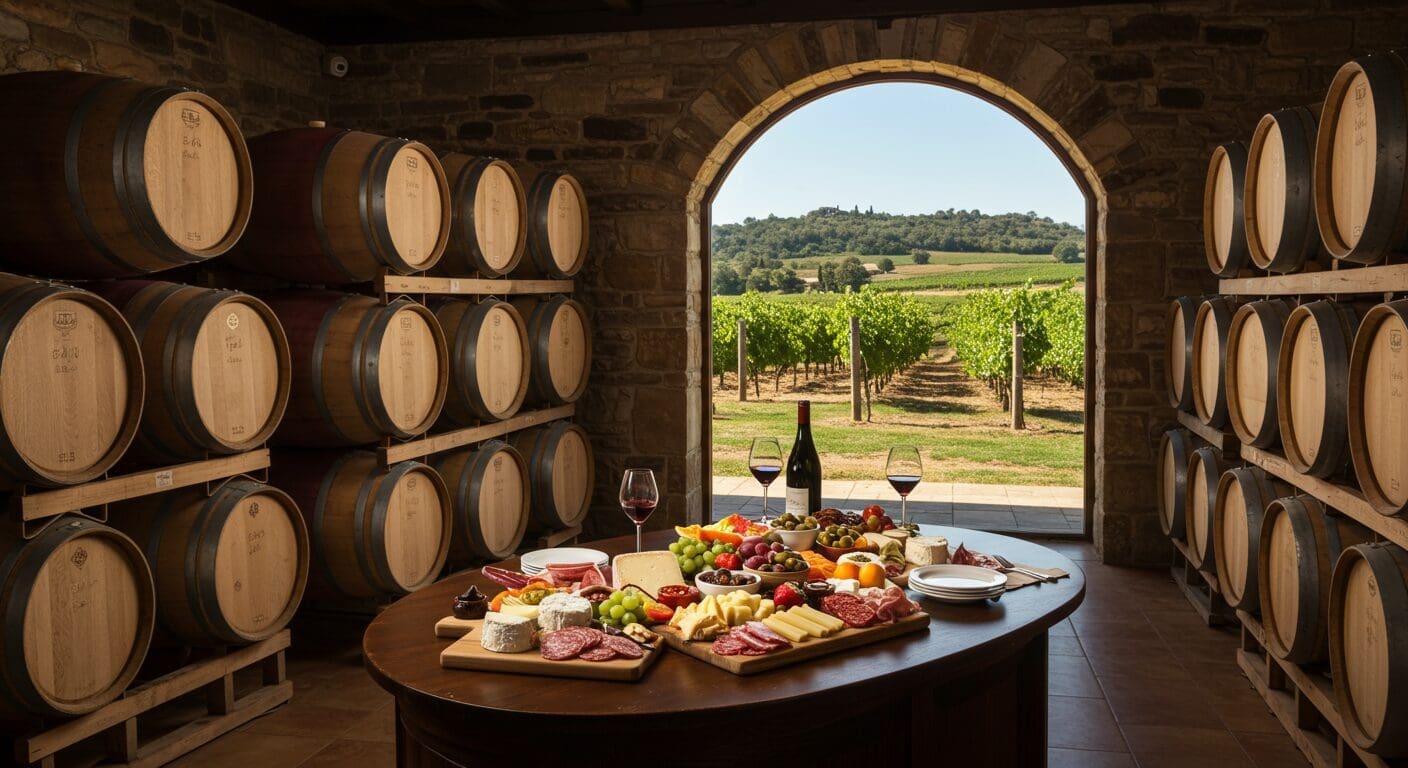
Let’s be honest about something: the Dominican Republic does not have a wine industry in the way that, say, Argentina or Spain does. The climate – tropical, humid, with a short dry season – is not the terroir that wine grapes have historically chosen to call home. There are no indigenous wine estates to visit, no harvest seasons to plan around, no sommeliers quoting altitude statistics at you over a barrel tasting.
What the country does have is a sophisticated, growing culture of wine appreciation, particularly in Santo Domingo and among the luxury resort and villa set, where Spanish Riojas, French Burgundies, and New World selections feature prominently on well-curated wine lists. The fine dining restaurants of the capital have invested seriously in their cellars, and it is perfectly possible to eat extremely well and drink extremely well simultaneously – you simply need to know where to look. Several of the country’s upscale hotels and villa estates offer wine pairing experiences with their tasting menus, and the imported wine selection at specialist merchants in Santo Domingo is broader than many visitors expect.
For those who want their drink to be genuinely local, rum remains the far more interesting story – and the craft cocktail scene in Santo Domingo and Las Terrenas has developed considerably, with bartenders using local fruits, herbs, and aged spirits to create drinks that are far more considered than a piña colada served in a carved-out pineapple. Not that there’s anything wrong with that, depending on the hour.
Food Markets: Where the Real Education Happens
The Dominican Republic’s food markets are not curated experiences designed with the tourist gaze in mind. They are working places, loud and colourful and occasionally overwhelming, where the real ingredients of Dominican cooking appear in their unmediated form. This is exactly why they are worth visiting.
In Santo Domingo, the Mercado Modelo in the colonial zone is the most accessible entry point – a large covered market selling everything from fresh produce and spices to crafts and, inevitably, rum. Arrive early. Bring cash. Don’t haggle aggressively; the margins here are not generous. Beyond the tourist-facing stalls, the produce sections reward those who wander: mounds of auyama (West Indian pumpkin), bunches of fresh culantro (not cilantro – a related but distinctly more assertive herb), yuca in improbable quantities, and mountains of plantains at every stage of ripeness, each destined for a different dish.
In Santiago, the Mercado Central is a more local affair and better for it. The surrounding streets around the Monumento a los Héroes de la Restauración in the mornings become an informal extension of the market, with vendors selling prepared foods, tropical fruits, and the kind of fresh cheese that only makes sense within fifty kilometres of where it was made. In Samaná, smaller coastal markets offer the freshest possible seafood – fish landed that morning, conch pulled the day before, with an informality that is a genuine pleasure after the orchestrated produce halls of European food tourism.
Cooking Classes and Food Experiences Worth the Investment
For the traveller who considers food a form of cultural immersion rather than merely sustenance – and if you’ve read this far, we suspect that’s you – cooking classes in the Dominican Republic offer something genuinely valuable: access to the domestic kitchen, which is where the real knowledge lives.
Classes are available through several boutique tourism operators in Santo Domingo, Las Terrenas, and Cabarete, ranging from informal home cooking sessions to more structured culinary experiences led by trained chefs. The best ones begin at the market: you source your own ingredients, understand what you’re looking for and why, and then cook a full Dominican meal from scratch. Making a proper sofrito from fresh ingredients, understanding the correct ratio for mangu, learning why the double-frying of a tostón matters – these are small but genuinely satisfying pieces of knowledge to carry home.
At the higher end, private chef experiences are increasingly available for villa guests and can be tailored to include a market visit, a cooking demonstration, and a full multi-course meal showcasing both traditional Dominican cuisine and the more contemporary, locally-informed cooking that a new generation of Dominican chefs is producing with considerable skill. Santo Domingo’s dining scene has matured significantly in recent years, with a handful of serious restaurants drawing on the country’s remarkable larder – cacao, tropical fruits, coastal seafood, highland pork – with the kind of thoughtfulness that rewards a long dinner and an open mind.
For cacao enthusiasts, estate tours in the Cibao Valley that combine a plantation walk with a bean-to-bar tasting and a chocolate-making session represent some of the most distinctive food experiences available in the Caribbean. The same region offers opportunities to visit tobacco estates – the Dominican Republic is one of the world’s great cigar producers, and while technically not food, the curing barns and rolling rooms of the Cibao are atmospheric in a way that stays with you. Consider it the digestif portion of the itinerary.
Dining Well: The Luxury Food Experience in Context
The luxury dining experience in the Dominican Republic sits at an interesting intersection: a country with profound culinary tradition, a growing class of ambitious chefs, and a significant international tourism economy that has historically defaulted to familiar European and American comfort food for its wealthier visitors. That is changing. Slowly, but genuinely.
In Santo Domingo’s colonial zone – a UNESCO World Heritage site with the bones of the oldest European city in the Americas – several restaurants have committed seriously to Dominican ingredients prepared with contemporary technique. The best of these are not trying to replicate a Michelin template; they are doing something more interesting, using the country’s extraordinary biodiversity as a starting point and cooking from it with confidence. Freshly caught mahi-mahi with a sofrito-based sauce and roasted root vegetables. Pork from the Cibao prepared with the slow, smoke-forward approach that Santiago has perfected over centuries. Chocolate desserts using single-origin Dominican cacao that would embarrass many of Europe’s more celebrated confectioners.
In the resort areas – Cap Cana, Casa de Campo, the north coast around Sosúa and Cabarete – the dining options have expanded well beyond the all-inclusive model, with independent restaurants and chef-driven spaces offering genuinely interesting meals in settings that don’t require you to dress for a theme night. Cap Cana in particular has developed a food culture that reflects its position as the country’s most ambitious luxury development, with wine lists and menus that compare favourably to equivalents in Miami or Madrid.
For villa guests – who have the considerable advantage of a private kitchen and, frequently, access to a private chef – the possibilities are broadest of all. A morning market visit followed by a cook-your-own sancocho for twelve at a long outdoor table as the afternoon light turns gold is the kind of meal that becomes the defining memory of a trip. That no restaurant can replicate it is, of course, entirely the point.
Planning Your Dominican Republic Food Journey
The ideal food-focused itinerary in the Dominican Republic requires no great logistical feat – it simply requires the willingness to look slightly beyond the obvious. A few days in Santo Domingo for the colonial zone restaurants, the Mercado Modelo, and the city’s emerging specialty coffee and craft cocktail scene. A market morning in Santiago with a late lunch of chivo liniero somewhere the tablecloths are plastic and the portions are not. A cacao estate tour in the Cibao. A seafood lunch in Samaná eaten as close to the water as possible. A rum distillery visit – at least one, possibly two. A cooking class, a private chef dinner, and at some point, the unavoidable but entirely worthwhile ritual of sitting at a roadside stall with a tostón that is too hot and a cold Presidente beer and deciding that this, in fact, is the good life.
The Dominican Republic rewards those who eat with curiosity. It is a food culture that does not advertise itself – it simply continues, morning to night, with the deep confidence of something that has never needed external validation. That quality, in a world of curated experiences and algorithmically optimised restaurant guides, is rarer than it should be.
For more on planning your visit, including the best times to travel, where to stay, and what to see beyond the table, see our full Dominican Republic Travel Guide.
If you’re ready to make the Dominican Republic your base – with a private kitchen, room for the whole party, and a location that puts you in reach of markets, coastline, and everything in between – explore our collection of luxury villas in Dominican Republic. The sancocho pot is, metaphorically speaking, already on.