
Best Restaurants in Grad Split: Fine Dining, Local Gems & Where to Eat
Best Restaurants in Grad Split: Fine Dining, Local Gems & Where to Eat
It is eleven in the morning and you are already eating. This was not the plan. The plan involved coffee, perhaps a slow walk along the Riva, possibly some light sightseeing. But then you turned a corner inside Diocletian’s Palace and discovered a small market stall selling sheep’s cheese wrapped in cloth, and the woman behind it handed you a piece before you had time to refuse, and now here you are, standing on Roman flagstones that are seventeen centuries old, eating excellent cheese in the Mediterranean sunshine with absolutely no regrets whatsoever. This is Split. It feeds you before you are ready, and it keeps feeding you long after you thought you were full. The best restaurants in Grad Split are not merely good places to eat – they are the whole point of being here.
Understanding Grad Split’s Food Culture
Split is a city that takes its food seriously without taking itself too seriously. That is a rare and attractive quality. The old town – Grad Split, the historic core wrapped inside the walls of a Roman emperor’s retirement palace – has a dining scene that has evolved quietly and confidently over the past decade, moving well beyond the tourist-facing grilled fish and pizza formula that once dominated the waterfront. What you find now is a layered, genuinely exciting food culture: Michelin-recognised restaurants sitting a few hundred metres from family tavernas that have been serving the same lamb stew for forty years, with wine bars, market stalls, beach clubs and rooftop terraces filling in everything in between.
The local cuisine is Dalmatian at its core – meaning Mediterranean in the broadest and best sense. Olive oil from the islands. Fish pulled from the Adriatic the same morning. Lamb grazed on wild herbs. Slow-cooked everything. The technique is unfussy and the ingredients are exceptional, which is a combination that tends to produce very good food. Split’s chefs have understood this for years. The visitors are catching up.
For context on the broader destination before you get to the table, the Grad Split Travel Guide covers everything from getting around to the best things to do while you are here.
Fine Dining in Grad Split: The Elevated End of the Table
Croatia’s fine dining scene has been growing in confidence and international recognition for some years now, and Split – specifically Grad Split – sits at the centre of that conversation. While the city does not yet hold a Michelin star of its own, several of its restaurants have appeared in Michelin’s Croatia selection as Bib Gourmand recipients and recommended establishments, which in practice means you are eating at a very high standard without the formality or the eye-watering bill that sometimes accompanies a starred room.
The finest restaurants in the old town tend to share a certain philosophy: respect the Dalmatian larder, work with producers you know by name, don’t over-complicate what is already excellent. The results are menus built around aged prosciutto from the Dalmatian hinterland, hand-rolled pasta in shapes you may not have encountered before, black risotto made with cuttlefish ink so dark and rich it looks almost theatrical, and fish presented with a simplicity that only makes sense when the fish itself is that good. Portions are serious. Wine lists are considered. The staff generally know what they are talking about.
Reservations at the best fine dining options in Grad Split are essential from June onwards and advisable even in May and September. The rooms are small, the seasons are short, and word has got around. Book before you travel, not on the evening you are hungry.
Local Tavernas and Family Restaurants: Where Split Actually Eats
The most useful piece of advice anyone can give you about eating in Grad Split is this: follow the locals. Not metaphorically. Literally. If you see a restaurant terrace full of people who are clearly Croatian – families arguing cheerfully, grandmothers who look like they would not tolerate a bad meal – sit down and order whatever everyone else is having. You will not be disappointed.
The old town and its immediate surrounds are full of small, family-run konobas – the Dalmatian word for a taverna, carrying associations of home cooking, locally sourced ingredients and absolutely no pretension. These are places where the menu is written on a chalkboard and changes with what came off the boat that morning. Where the house wine is served in ceramic jugs and is entirely drinkable. Where you may be the only foreigners in the room, which is the correct state of affairs.
Look for lamb prepared under the peka – a traditional domed cast-iron lid buried in embers, the result of which is meat so tender it barely requires cutlery. Pašticada is another dish worth seeking out: slow-braised beef in a sweet-sour sauce made with prunes, wine and spices, served with gnocchi, and requiring a degree of patience from the kitchen that you should respect by ordering it in advance. These are not dishes that hurry. Neither, in Split, should you.
The lanes inside the palace walls contain a number of these gems – tucked behind stone arches, accessed through courtyards, easily missed by anyone walking too quickly. Walk slowly. Look left when everyone else is looking right. The best lunch you will eat in Split will probably happen somewhere you almost didn’t notice.
Beach Clubs and Casual Dining: Eating with a View
Split’s coastline – particularly the stretch around Bačvice beach and the promenade heading towards Meje – has a strong tradition of casual dining that leans heavily on the view and sensibly does not try to compete with the serious restaurants in the old town. What you get here is fresh grilled fish, cold beer, the sound of the sea, and the pleasant sensation that nothing is required of you today or possibly ever.
The beach club scene in the Split area has grown considerably, with several stylish options offering decent food alongside cocktails, sunbeds and the kind of ambient music that is inoffensive enough to ignore. The food at these spots is best understood as very good supporting cast – well-prepared seafood platters, bruschetta made with proper local tomatoes, cold plates of charcuterie – rather than the main event. Order accordingly, stay longer than you meant to, and do not feel obliged to apologise for it.
For something more substantial with an equally good view, the seafront restaurants along the Riva itself offer everything from light lunches to full evening meals with the harbour directly in front of you. The setting does a lot of the heavy lifting, and the better kitchens are wise enough not to undermine it with poor cooking. Grilled sea bass, octopus salad, a carafe of local white wine – this is the lunch that should happen on day one, ideally before you have unpacked properly.
Food Markets and Daytime Eating: The City at Its Most Honest
The Pazar market, just outside the eastern gate of the palace walls, is where Split has bought its fruit and vegetables every morning for centuries. It is one of those markets that manages to be genuinely functional and genuinely atmospheric at the same time – a combination that food markets in more touristy cities have largely given up on. You can buy everything here: figs, lavender honey, olive oil, dried herbs, freshly baked bread, local spirits, handmade pasta, and enough cheese to constitute a problem for the return journey.
Go in the morning. The produce is better, the stalls are fuller, and the vendors are in a better mood before the heat of the afternoon sets in. It is also worth noting that the market is not a performance – it is where local households shop. Behave accordingly, and you will find most vendors enormously friendly and occasionally willing to let you taste something before you decide. This is not always true. But it is true often enough to be worth knowing.
For daytime eating around the market and old town, the smaller bakeries and delis are worth exploring. Burek – flaky pastry filled with meat or cheese – is the correct breakfast if you are willing to be local about things. It costs very little, fills you thoroughly, and is generally purchased standing up from a paper bag, which is exactly as it should be.
What to Drink: Wine, Spirits and Everything in Between
Dalmatia produces wine of genuine quality, and Split’s restaurants have finally started presenting it with the confidence it deserves. The dominant red grape is Plavac Mali – a relative of Zinfandel, and considerably more interesting than that connection might suggest. At its best, from the Pelješac peninsula or the island vineyards, it is full-bodied and complex with a mineral edge that makes sense given the limestone terrain these vines grow from. Order it with the lamb or the pašticada and you will understand immediately why it is drunk here and not exported more widely. (The answer is that there is not enough of it to share, and the Dalmatians have no intention of going without.)
For white wine, Pošip is the grape to know – crisp, aromatic and relatively light, it is the obvious companion for fish and seafood. Grk, grown almost exclusively on the island of Korčula, is a more unusual option: slightly fuller and more textured, worth trying if you see it on the list.
Local spirits deserve a mention. Rakija – the generic term for fruit brandy across the Balkans – is produced in a bewildering variety of styles in Croatia. Travarica, made with herbs, is the one most associated with Dalmatia and is typically offered as a digestif or, in certain establishments, as a welcome drink that arrives without your asking. Accept it graciously. It is meant kindly. The wine bars inside the palace walls are excellent for working through the local list at your own pace, and several offer remarkably knowledgeable staff who will steer you well if you let them.
Hidden Gems: The Restaurants Worth Finding
The best restaurants in Grad Split are not always the ones that are easiest to find. Several of the most interesting dining rooms in the old town are accessed through unmarked doorways, up narrow staircases, or in courtyards that don’t appear on any map with any reliability. This is not an accident. It is, if anything, a modest quality filter.
Look for restaurants that have short menus. This is almost always a good sign – it suggests the kitchen is buying what is good today rather than maintaining a comprehensive document that no one can execute well. Look for places where the owner is also present, ideally taking your order or at least checking in. Look for chalkboards over laminated cards. Look for a wine list that has Croatian wines at the front and everything else as an afterthought.
The streets to the north of the peristyle – the ceremonial courtyard at the heart of the old palace – tend to have a higher concentration of genuinely local eateries than the more heavily trafficked areas closer to the main gates. The area around the Golden Gate and beyond into Varoš, the old fishermen’s quarter immediately west of the palace walls, is particularly rewarding. Varoš feels noticeably different from the palace interior – quieter, more residential, the restaurants small and confident in a way that suggests they don’t need you to find them. Finding them anyway is one of Split’s small pleasures.
Reservation Tips and When to Go
The honest truth about eating in Grad Split in high summer is that the best tables are booked out and the streets are full of people who didn’t book anything and are now standing outside restaurants looking mildly betrayed by life. Do not be these people. The peak season runs from late June through August, and any restaurant worth the trouble will be full on Friday and Saturday evenings without prior arrangement.
Most Split restaurants of any quality now take reservations online – either directly through their own website or via a booking platform. WhatsApp reservations are also common and work perfectly well. A simple message in English, a week or two in advance, is entirely sufficient and will be understood without difficulty. If you are visiting in shoulder season – May, early June, September or early October – you have considerably more flexibility, and the added benefit of eating in restaurants that are focused on cooking for you rather than managing a queue.
Lunch is worth taking seriously in Split. The midday meal is not an afterthought here – it is often the main event, particularly in family-run konobas where certain dishes are prepared in the morning and run out by mid-afternoon. Dining at one or two o’clock also means you will be at the table while the serious Croatian diners are there, which is both pleasant company and a reliable indicator that you are somewhere good.
Bringing It All Together: Eating Well in Grad Split
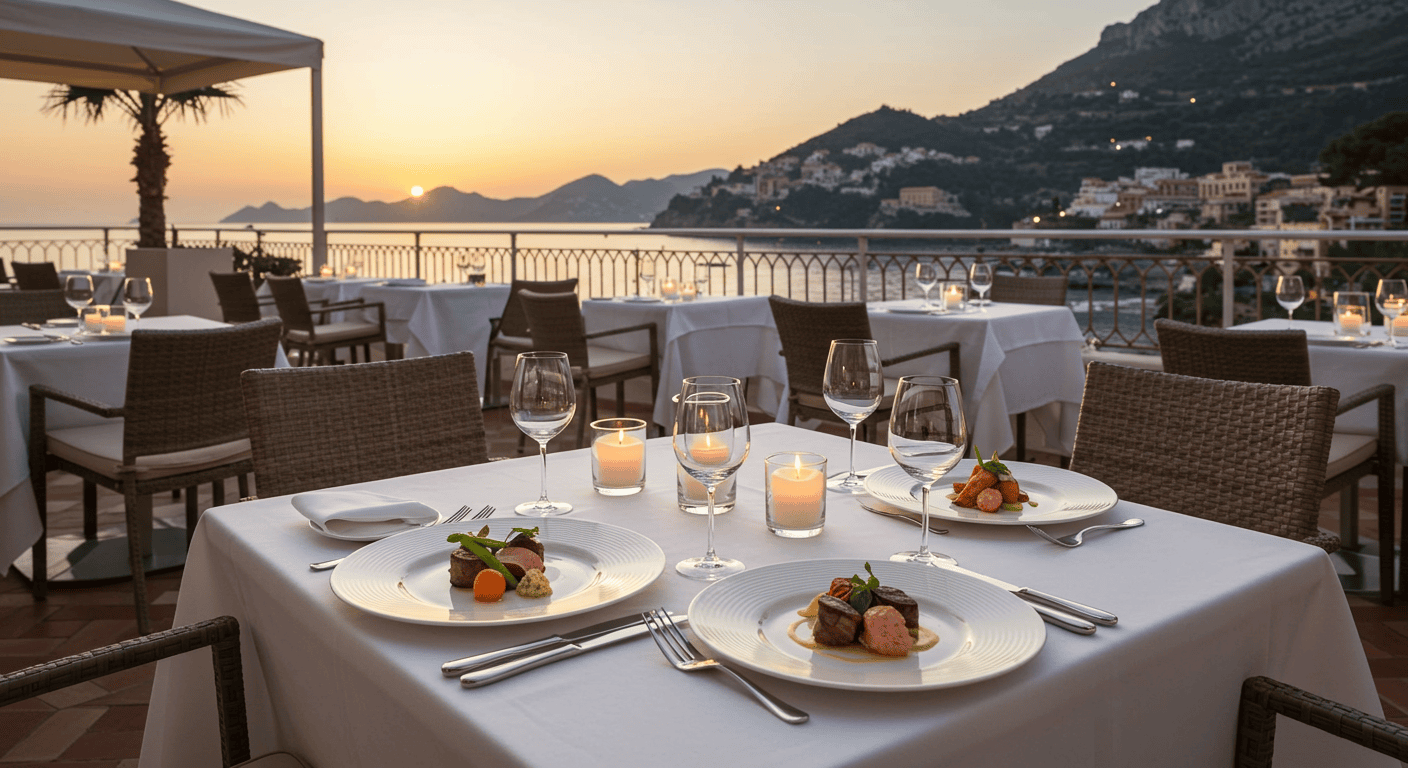
What makes the dining scene in Grad Split genuinely distinctive – among all the places in the Mediterranean where you can sit outside with excellent food and cold wine – is the setting. Eating inside a functioning Roman palace is not something you can replicate. The stone is warm in the evenings from the heat of the day. The light turns gold and then amber and then dark, and the candles come out, and the wine is poured, and the waiter brings one more dish that you did not order but which he thought you should try. This is normal here. It happens all the time. It will happen to you.
The combination of serious cooking, exceptional local produce, a wine culture that rewards curiosity, and a setting that no restaurant designer could improve upon makes Grad Split one of the most satisfying places to eat in Europe. Not the most famous. Not the most Michelin-decorated. But one of the most genuinely pleasurable, which is ultimately the only measure that matters.
If you want to experience the best of what Split’s food culture has to offer entirely on your own terms – the market at dawn, the long lunches, the private dinner on a terrace without needing a reservation – staying in a luxury villa in Grad Split with a private chef option transforms the entire experience. The best villas in the area offer dedicated chef services who will shop the market in the morning and cook to your brief in the evening, bringing the full quality of the local larder to your own table. It is, it should be said, a very good way to eat.
Do the best restaurants in Grad Split require reservations in advance?
Yes – for any quality restaurant in the old town during the summer season (June through August), advance reservations are strongly recommended and often essential. The best dining rooms are small and fill quickly. Even outside peak season, booking a day or two ahead for dinner is a sensible habit. Most restaurants accept reservations by email, via booking platforms, or by WhatsApp message in English.
What local dishes should I prioritise eating in Grad Split?
Several dishes are worth going out of your way for. Peka – lamb or veal slow-cooked under a domed cast-iron lid in embers – must typically be ordered in advance as it takes several hours to prepare, but it is one of the most rewarding things you will eat in Dalmatia. Pašticada is a slow-braised beef dish in a rich sweet-sour sauce, always served with gnocchi. Black risotto made with cuttlefish ink is a Dalmatian classic worth ordering wherever it appears on a menu. Fresh grilled fish and octopus salad are dependably excellent given the quality of the local catch.
What local wines should I try when eating in Grad Split?
Dalmatia produces some of Croatia’s most characterful wines. For reds, look for Plavac Mali from the Pelješac peninsula – a full-bodied, mineral-edged wine that pairs beautifully with lamb and slow-cooked meat dishes. For whites, Pošip is the go-to choice with fish and seafood – crisp, aromatic and food-friendly. Grk, a lesser-known white grape from the island of Korčula, is worth trying if you encounter it. Most wine lists at Split’s better restaurants will have knowledgeable staff who are happy to guide you through the local options.

