
Best Restaurants in Indio: Fine Dining, Local Gems & Where to Eat
Best Restaurants in Indio: Fine Dining, Local Gems & Where to Eat
It is late afternoon in the Coachella Valley, the kind of afternoon that makes you understand, fully and bodily, why people decided to build a city in the middle of a desert. The heat has dropped just enough. The mountains have turned that particular shade of violet-pink that photographers chase and never quite catch. You are seated somewhere with a cold drink in hand – a proper one, not a novelty – and the smell of something grilling nearby is doing exactly what it is supposed to do. This is Indio at its best: unhurried, warm, unexpectedly good. The food scene here has been quietly maturing for years, growing in confidence the way a place does when it stops trying to be somewhere else and starts being entirely itself. Whether you are here for a festival weekend, a winter escape, or simply because you discovered that a desert villa with a pool is among life’s more underrated pleasures, eating well in Indio is very much part of the arrangement.
Understanding Indio’s Food Scene
Indio sits at the eastern end of the Coachella Valley, which places it in interesting culinary company. Palm Springs – with its longer-established restaurant culture and celebrity gravitational pull – sits to the west, but Indio has been developing its own identity at the table with some determination. The city’s population is majority Latino, and that is not a demographic footnote; it is the beating heart of the local food culture. You will find taquerias and Mexican bakeries operating at a standard that would embarrass comparable establishments in cities with far more culinary pretension. Alongside this, a newer wave of chefs and restaurateurs has arrived, drawn by lower rents, more space, and the particular creative freedom that comes from not having to compete with a Michelin-starred neighbour. The result is a dining landscape that is genuinely layered – street-level and sophisticated, traditional and quietly inventive – and considerably more interesting than most visitors expect when they arrive. They usually revise that opinion by the second evening.
Fine Dining in Indio: The Elevated End of the Table
Indio does not currently hold Michelin-starred restaurants within its city limits – the Guide’s California coverage has concentrated heavily on the coast and the Bay Area – but the absence of stars does not mean the absence of serious cooking. The greater Coachella Valley has been inching toward recognition, and within Indio and its immediate surroundings, there are dining experiences that would hold their own in considerably more celebrated postcodes.
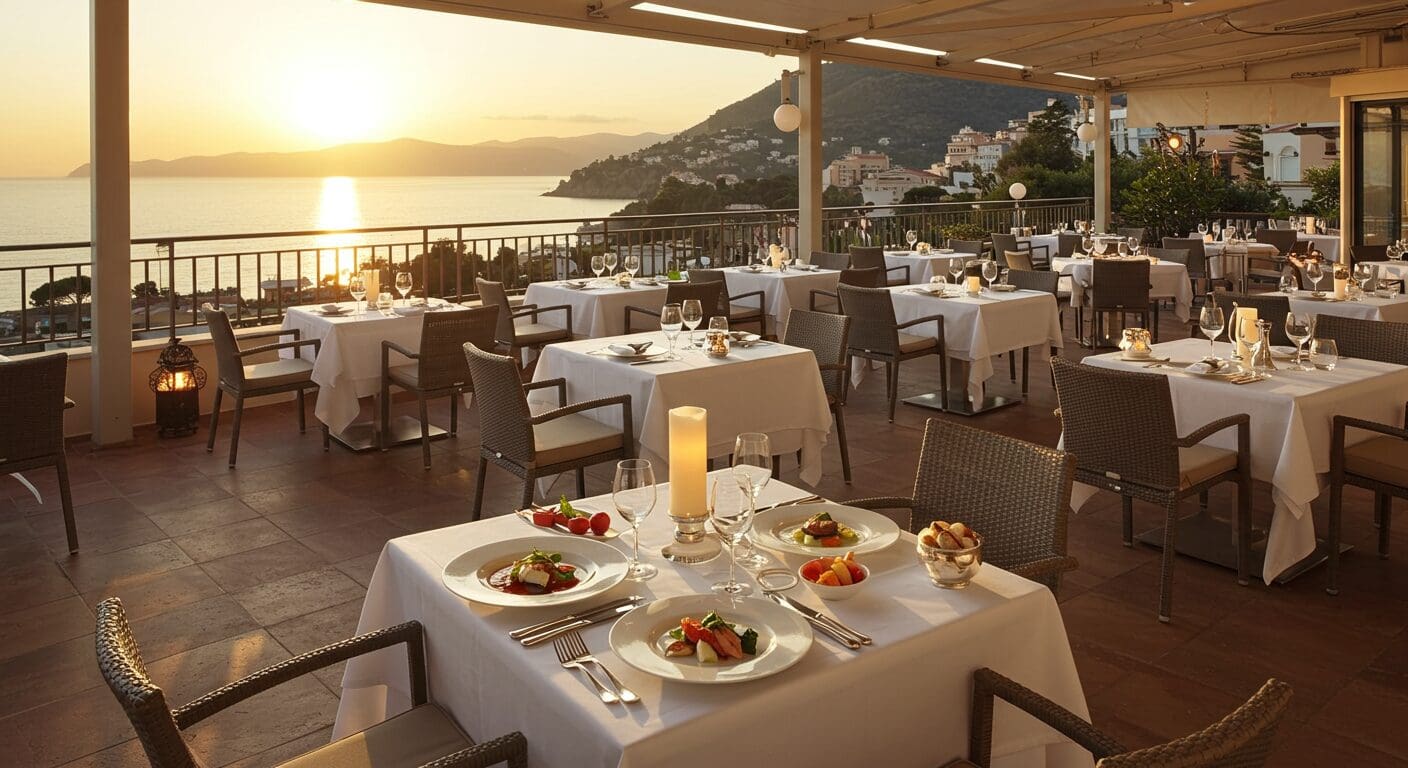
Resort dining has been one of the more reliable routes to a genuinely elevated meal in this part of the desert. The larger resort properties in and around Indio have invested seriously in their restaurants over the past decade, and the results show. Expect menus that draw on California’s extraordinary produce – stone fruits from the Central Valley, citrus from the desert’s own groves, seafood brought in from Baja and the Pacific coast – prepared with technique and a light hand. Portions are generous in the American tradition but not aggressively so. Wine lists at the better resort restaurants are thorough, with strong California and Pacific Northwest representation alongside serious European selections. Service tends to be knowledgeable and warm in equal measure, which is not always the combination you get, even at considerably higher price points.
For the luxury traveller who associates fine dining with a certain hushed formality, it is worth adjusting expectations very slightly. The desert dresses differently. You will rarely feel underdressed in well-cut linen. This is, quietly, a relief.
Local Mexican Cuisine: Where Indio Really Eats
If you eat only at resort restaurants during your time in Indio, you will have eaten perfectly well and missed almost entirely what makes this city’s food culture distinctive. The local Mexican and Mexican-American dining scene here is the real thing – not Tex-Mex approximations or tourist-facing interpretations, but cooking rooted in Jalisco, Michoacán, Oaxaca, and Sonora, carried here by families who brought their recipes with them and saw no reason to change them.
Look for birria – the slow-braised meat stew that has had its moment of internet fame but tastes infinitely better in a place where it is simply what people have always eaten on weekends. Birria de res, made with beef and served with consommé for dipping, is the version you are most likely to encounter, and when it is done well, which it often is here, it is one of those dishes that makes you want to sit very still for a moment afterward and think about what just happened.
Carnitas deserve similar attention. Properly made carnitas – pork slow-cooked in its own fat until it is simultaneously tender and crisped at the edges – are available at various points around the city, and the best versions are served simply, with handmade tortillas and salsas of varying aggression. There is usually a green salsa and a red one. Order both. Be honest with yourself about your heat tolerance. The red one is rarely joking.
Taquerias in Indio operate on a sliding scale from roadside window to proper sit-down establishment, and quality does not reliably correlate with formality. Some of the most serious cooking in the city comes from operations that would not trouble an interior designer. This is fine. This is, in fact, part of the point.
Hidden Gems and Local Favourites
Every city of this size has its known quantities and its quieter discoveries, and Indio is no different. The hidden gems here tend not to be hidden in the dramatic sense – no unmarked doors, no passwords required – but simply overlooked by visitors who follow the familiar path from villa to resort restaurant and back again.
The strip malls along major thoroughfares like Highway 111 and Indio Boulevard repay closer attention than their architecture suggests. Behind undistinguished facades, you will find Salvadoran pupuserías, Vietnamese pho houses, Filipino bakeries, and family-run taco stands operating with the quiet confidence of places that have never needed to advertise. The Coachella Valley’s agricultural workforce has historically been diverse, and that diversity has produced a food landscape that is genuinely multicultural in a way that goes beyond fusion menus and chef-driven eclecticism. These are immigrant kitchens cooking for immigrant communities, and the food is accordingly honest and assured.
For the luxury traveller, the suggestion is not to abandon comfort but to be willing to follow a recommendation into somewhere that has plastic chairs and no wine list. The meal may well be one of the better ones of the trip. The wine you can have back at the villa.
Food Markets and Casual Outdoor Dining
Indio has a strong tradition of outdoor markets, which makes sense in a city where the weather cooperates for the better part of eight months a year. The Riverside County Fair and National Date Festival – held annually in February at the Riverside County Fairgrounds in Indio – is a notable event that goes well beyond fair food, though the date shakes and date-stuffed pastries available there are not to be waved past without investigation. The date palm is to the Coachella Valley what the olive tree is to Tuscany: economically foundational, gastronomically underrated by outsiders, and something the locals have rather stopped noticing, the way you stop noticing something beautiful that has always been there.
Dates grown in the Coachella Valley are genuinely extraordinary – Medjools in particular, large and caramel-sweet, with a depth of flavour that dates from elsewhere rarely match. You will find them sold at roadside stands, at farmers’ markets, and in grocery stores throughout the region. Buy a box. They travel well. They are better than almost any airport confectionery you will consider on the way home.
Farmers’ markets operate on various days throughout the valley, with local produce, artisan food products, and a reliably good cross-section of the kind of small-batch hot sauce, jam, and chilli paste operations that seem to proliferate wherever the sun shines reliably and people have opinions about flavour. Weekend mornings at a good valley market, with coffee and a tamale, are a very pleasant way to begin a day that has no particular obligations.
What to Drink: Wine, Cocktails and Local Favourites
California wine is the natural companion to most meals in this part of the state, and the better restaurants in and around Indio will give you serious access to the full range – Napa Cabernets, Sonoma Coast Pinot Noirs, Central Coast Chardonnays made in the leaner, more mineral style that has been gaining ground for a decade. If your villa has a proper cellar or wine storage, laying in a selection before you settle in is a reasonable investment of an afternoon.
Cocktail culture in the Coachella Valley has matured considerably, and the bar programmes at the better resort properties in Indio are doing thoughtful work with local citrus, desert herbs, and agave spirits. A good Mezcal Negroni in the desert at sunset is, as experiences go, difficult to argue with. Palomas made with fresh grapefruit juice from local groves are another discovery worth making.
For non-alcoholic options, agua fresca – fresh fruit water, made to order with hibiscus, tamarind, cucumber-lime, or seasonal fruit – is the desert’s great refresher, and the versions available at good Mexican restaurants and market stalls are far superior to anything bottled. In serious heat, a glass of hibiscus agua fresca is both practical and quietly delicious. Horchata, the rice-based cinnamon drink served over ice, is the right accompaniment to spicier food and one of those things that initially sounds peculiar and quickly becomes indispensable.
Reservation Tips and When to Go
Timing matters considerably in Indio. The city operates on two distinct rhythms: festival season and everything else. Coachella and Stagecoach – the major music festivals held at the Empire Polo Club in April – bring an enormous influx of visitors, and during those weekends, every restaurant of any quality within a twenty-mile radius operates at capacity. Reservations made weeks in advance are not overcaution during festival season; they are straightforward necessity. The same applies to long weekends and the peak winter season from December through March, when the desert’s reliably mild weather draws visitors from across the country.
Outside these peak periods, Indio is considerably more relaxed about seating, and some of the most pleasurable meals are had simply by walking into a good local taqueria on a Tuesday evening and eating without a plan. The city rewards this kind of spontaneity more than many comparable resort destinations.
For the better resort restaurants, calling ahead is always advisable – they tend to be booked more consistently than their lower-key surroundings suggest. For local Mexican restaurants and casual spots, reservations are rarely necessary and sometimes not even possible. Match your approach to the register of the establishment, and you will rarely go wrong.
One genuinely useful tip: eat on the earlier side of the American dinner window. Restaurants in the valley tend to fill quickly as the evening cools and the outdoor terrace seating becomes genuinely pleasant, which in the desert can happen quite rapidly once the sun drops. The difference in ambience between a 6pm and an 8pm table, particularly outdoors, can be considerable.
Dining at Your Villa: The Private Chef Option
For all the pleasures of eating out in Indio – and they are considerable, from the high-end resort experience to the late-night birria stand that you will tell people about for months – there is a strong case for spending at least one or two evenings at your accommodation, particularly if you are staying somewhere with a proper kitchen, an outdoor dining area, and a view that competes seriously with any restaurant’s ambience.
Booking a luxury villa in Indio through Excellence Luxury Villas opens up the option of a private chef experience that, when done well, is among the most genuinely relaxed ways to eat exceptionally. A good private chef in this region will work with local produce – valley citrus, Coachella dates, California seafood, desert-grown vegetables – and bring the same seasonal sensibility you would find at a serious restaurant, without the background noise, the waiting, or the performance of getting there. You eat when you want, at your own table, with your own people, looking at your own pool in the dark. This is not a compromise. It is, depending on the evening, the best option by some distance.
For broader planning – where to stay, what to see, and how to structure time in the Coachella Valley – the Indio Travel Guide covers the full picture with the same level of detail.
What are the best restaurants in Indio for a special occasion dinner?
For a genuinely memorable evening, the restaurant programmes within the major resort properties in and around Indio are your most reliable option for elevated cooking, thoughtful wine lists, and service that matches the occasion. They tend to offer more formal California cuisine with strong seasonal menus. Booking well in advance is advisable, particularly during the winter season and festival periods in April. If you are staying in a luxury villa, arranging a private chef for the evening is an increasingly popular alternative that many guests find surpasses a restaurant experience for intimacy and quality.
Where can I find the best authentic Mexican food in Indio?
Indio has one of the most genuinely authentic Mexican food scenes in Southern California, driven by a large and established Latino community with deep roots in Jalisco, Michoacán, Oaxaca, and Sonora. The city’s taquerias, birria specialists, and carnitas spots along major routes like Highway 111 and Indio Boulevard are where locals eat, and the cooking is correspondingly honest and consistent. Do not be deterred by modest surroundings – the best versions of birria de res, handmade tamales, and fresh tortillas are often found in unpretentious family-run spots rather than destination restaurants.
Do I need reservations at restaurants in Indio?
It depends considerably on timing and the type of restaurant. During Coachella and Stagecoach festival weekends in April, and throughout the peak winter season from December to March, reservations at any quality restaurant are strongly recommended and should be made as far in advance as possible. During the quieter summer and autumn months, the city is considerably more accommodating to walk-ins, and local taquerias and casual spots rarely require booking at all. For resort restaurants and any establishment with a formal dining room, calling ahead is always worthwhile regardless of season.


