Kings County Food & Wine Guide: Local Cuisine, Markets & Wine Estates
Kings County Food & Wine Guide: Local Cuisine, Markets & Wine Estates
It begins with coffee. Good coffee, made by someone who takes it seriously – the kind of cup that arrives without ceremony but changes the shape of your morning. You’re sitting outside somewhere unreasonably pleasant, the light is doing that thing it does in this part of the world, and before you’ve fully decided what you’re doing today, a plate of something local materialises in front of you. This, broadly, is how a day in Kings County tends to begin. And if you have any sense, you’ll let it set the pace for everything that follows. The food here doesn’t announce itself. It simply turns out to be excellent.
Understanding the Regional Cuisine of Kings County
Kings County’s culinary identity is the product of geography, stubbornness, and a long tradition of not following trends. The land here has always been productive – fertile valleys, a climate that rewards patience, and producers who have, over generations, developed a quiet confidence in what they grow. The result is a regional cuisine that feels rooted rather than reinvented. Seasonal produce drives everything. Menus in the best local restaurants change not because the chef is restless but because the land is.
The cooking style leans towards the honest and unfussy – long braises, wood-fired preparations, cured meats that take months to do properly. There is a strong farmhouse tradition here, which sounds rustic until you realise that the farmhouses have very good wine cellars. Dairy features prominently: aged cheeses made from local milk, butter that actually tastes like something, cream used without apology. Grains, legumes, and foraged ingredients fill out a larder that feels genuinely of its place. This is not a cuisine that requires explanation on the menu. It requires only attention.
Charcuterie culture runs deep. You will encounter cured pork in forms ranging from the straightforward to the architecturally complex. Pickled and preserved vegetables appear alongside, testament to a preservation tradition born of necessity and continued out of sheer good taste. The bread, when done well – and here it often is – deserves its own paragraph but will settle for a sentence: dense, slightly sour, made to carry things.
Signature Dishes and What to Order
The question of what to eat in Kings County is best answered by asking what month you’re there. Summer brings stone fruits, tomatoes of outrageous quality, and courgettes prepared in ways that make you reconsider everything you thought you knew about courgettes. Autumn tips the scales toward mushrooms, game, root vegetables slow-cooked into something close to silk. Winter is for cured meats, aged cheeses, and dishes that require red wine in both the pot and the glass. Spring, brief and brilliant, produces asparagus and young alliums that local chefs treat with near-religious reverence.
Slow-cooked lamb is a consistent signature – braised for hours with local aromatics until the meat concedes entirely. Freshwater fish, where rivers permit, appear in preparations that are simple by design. Egg dishes are taken seriously, which is how you know a food culture is genuinely confident. A well-made omelette with local herbs and aged cheese is not a compromise here; it’s a considered choice. Desserts tend toward fruit tarts, custards, and honey-based preparations using local varieties – the sort of sweet endings that don’t need theatre to land well.
Kings County Wine: The Estates Worth Your Time
Wine in Kings County occupies an interesting position – respected enough to export, but still drunk locally with the ease of something that hasn’t been over-mythologised. The region’s wine estates vary in scale from boutique family operations to more established producers with proper tasting rooms and people who know what they’re talking about. Both categories reward a visit.
The whites here tend toward freshness with genuine depth – cool-climate varieties that hold their acidity, express the mineral character of the soil, and age better than you might expect for their price. The reds are structured rather than showy: tannins that soften with time, fruit that doesn’t overwhelm, a certain restraint that pairs well with the local food because both come from the same place. Which, it turns out, is rather the point.
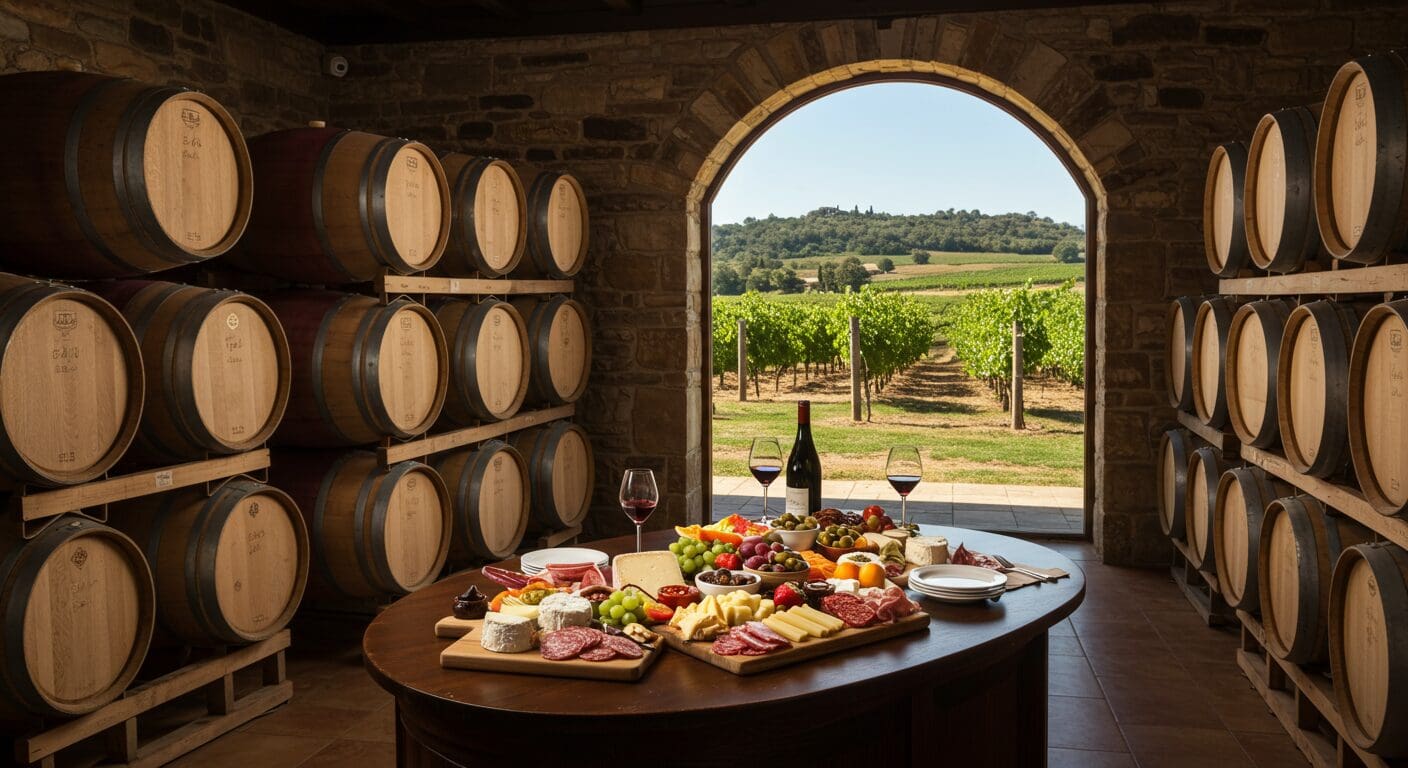
Visiting the wine estates is not simply a tasting exercise – it’s an education in landscape. The best estates will walk you through the vineyards before sitting you down with the bottles, which is the correct order. You understand wine differently once you’ve seen where it grows. Look for producers who have been farming the same land for multiple generations; they tend to know things about their soil that can’t be learned in a classroom. Some offer private tastings and winery lunches for serious visitors, which is the format that most honestly reflects how good the wines actually are.
Natural and low-intervention winemaking has found a foothold here, as it has almost everywhere now, but the best regional producers balance philosophy with drinkability. The wine that wins arguments is the one in the glass, not the one with the most interesting label. (A position held very firmly by the region’s older winemakers, who express it with varying degrees of diplomacy.)
Food Markets and Where to Find the Best Local Produce
The food markets of Kings County are not performances. They are not weekend destinations for people who want to photograph artisan butter. They are working markets where local producers sell what they’ve grown, raised, or made – and where the transactions happen with the efficiency of people who have done this every week for decades. You are welcome. Just don’t block the aisle.
Morning is the time to go, and early morning is better. The serious produce – the cheeses that travel, the bread that emerged from the oven before dawn, the seasonal vegetables at their peak – moves quickly. What remains by midday is still good, but you’ll have missed the conversation: the farmer explaining why this week’s honey is different from last week’s, the cheesemaker who, if you ask the right question, will produce something from under the counter that isn’t officially for sale. These interactions are the actual point of market culture, and they reward patience and curiosity over efficiency.
Look for markets that feature regional charcuterie producers – whole legs of cured pork, sliced to order with the kind of concentration that suggests the slicer has opinions about thickness. Jams, preserves, and pickles made from seasonal surplus. Olive oil, where the region’s climate supports it. Foraged mushrooms in autumn, bundled without ceremony. Fresh eggs in varieties and colours that remind you the supermarket egg is a pale imitation of the actual thing.
Olive Oil, Truffles and the Ingredients That Define the Region
Where the Kings County climate supports olive cultivation, the oil produced tends toward the grassy and peppery end of the spectrum – the kind that finishes with a catch at the back of the throat, which is either a sign of quality or, according to people who know, both things at once. Small-batch producers are worth seeking out, particularly those who cold-press their olives within hours of harvest. The difference between that and what you find on supermarket shelves is not subtle. It is, in fact, educational in a slightly humbling way.
Truffle culture in the region – where it exists – is taken with the appropriate seriousness. Truffle hunting typically happens in autumn and early winter, conducted with trained dogs and a guide who has been doing this long enough to know where to look and, equally importantly, where not to look. Private truffle hunts can be arranged through local specialists and are among the more memorable mornings money can buy in the region – partly for the truffles, partly for the dogs, and partly for the lunch that follows, in which the morning’s findings are deployed with maximum effect.
Artisan producers of note include those making aged farmhouse cheeses from raw milk – a category that rewards asking locally, as the best producers are often not the most visible. Preserved honeys, flavoured with local herbs, make for the kind of food souvenir that doesn’t embarrass you at customs. Wild herb oils, smoked salts, and regional condiments fill out a pantry of taste memories that outlast the holiday.
Cooking Classes and Culinary Experiences Worth Booking
The best cooking classes in Kings County teach you to cook like someone who lives there, which means starting with what’s good that week rather than what’s on the syllabus. Look for classes run by local cooks rather than professional instructors – the distinction matters. A local cook will tell you which variety of tomato to use and why, correct your knife technique without drama, and probably feed you better than any restaurant you’ve booked. The informality is not a compromise; it is the experience.
Market-to-table formats are particularly worth seeking out: you shop with the chef in the morning, learn to cook in the afternoon, and eat what you’ve made in the evening. This is the most honest possible format for culinary tourism, and it produces the kind of meal that tastes unreasonably good because you’ve earned it. Half-day classes focused on a single skill – pasta, bread, charcuterie, pastry – work well for visitors with limited time and specific curiosity.
For a more immersive option, some local estates and farmhouses offer residential culinary experiences – two or three days structured around cooking, eating, and understanding the region’s food culture in depth. These require more time but return it with interest. If you are the kind of person who comes back from holiday having learned something genuinely useful, this is the format for you. If you are the kind of person who comes back from holiday having eaten very well and done nothing else, there are options for you too. This guide has no strong opinions on which approach is superior.
The Best Food Experiences Money Can Buy in Kings County
There is a category of food experience that exists above the merely excellent – not because it involves more complicated cooking, but because it combines setting, produce, craft, and moment in a way that is difficult to replicate and impossible to forget. Kings County delivers these with a frequency that suggests the region is either very lucky or, more likely, has simply been paying attention to what it has.
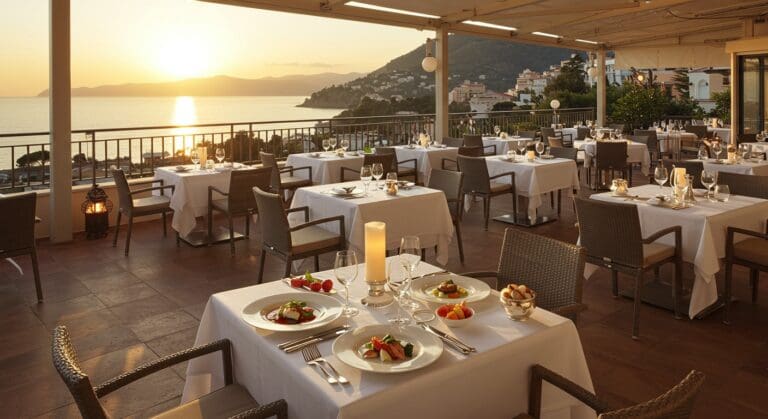
A private winery lunch at a well-chosen estate is close to the ideal expression of this. The format is straightforward: you sit outside (the light is involved again), food is brought from a kitchen that knows what to do with the estate’s own produce, and wine is poured with the generosity of people who make it themselves and therefore have strong views on correct quantities. The conversation flows. The afternoon extends. Nobody mentions the time until much later than they should.
Private dining in a farmhouse kitchen – arranged in advance through villa concierge services – offers something different: the intimacy of a domestic setting, a menu built around what was available that morning, and a cook who is genuinely invested in the meal rather than managing a restaurant. This is not budget dining with delusions; it is often among the most expensive and most worthwhile meals you can arrange in the region.
For a single great meal out, seek local recommendations over aggregated reviews. The restaurant that has held a table steady for thirty years without courting attention is usually better than the one that opened recently to considerable fanfare. The fanfare tends to fade. The table holds.
Whatever shape your food and wine itinerary takes in Kings County, the underlying principle is the same: buy local, eat slowly, ask questions, and accept every offer of a second glass. The region will reward all of these behaviours in equal measure.
For more on planning your trip, our Kings County Travel Guide covers everything from getting there to the best times of year to visit.
Ready to turn this into a full stay? Browse our collection of luxury villas in Kings County – properties chosen for their character, their settings, and their proximity to everything this food and wine guide has made you hungry for.
What is the best time of year to visit Kings County for food and wine experiences?
Autumn is arguably the peak season for food lovers – harvest time brings wine estates to life, truffle season begins, mushrooms appear in markets, and the general quality of produce is at its annual high point. Summer offers exceptional soft fruits and vegetable-driven cooking. Spring brings its own brief pleasures, particularly asparagus and young alliums. There is no truly bad time to eat well in Kings County, though winter visits reward those who embrace cured meats, aged cheeses, and long lunches indoors.
Can you arrange private wine estate visits and winery lunches in Kings County?
Yes – and this is one of the more worthwhile things to organise in advance. Many of the region’s better wine estates offer private tastings and lunches for serious visitors, often including vineyard walks and the chance to taste wines not available through regular channels. These experiences typically need to be booked directly with the estate or through a well-connected concierge service. Guests staying in a luxury villa will often find their villa team can make introductions that open doors not easily accessible to the general public.
Are cooking classes in Kings County suitable for all skill levels?
Most local cooking classes are designed to be accessible regardless of experience, with the emphasis on understanding regional ingredients and techniques rather than achieving professional-standard results. Complete beginners are well catered for, particularly in market-to-table formats where the focus is on selection and context as much as technique. More experienced cooks can seek out specialist classes focused on specific skills – charcuterie, bread-making, or pastry – where the learning curve is steeper and the outcomes correspondingly more satisfying.