
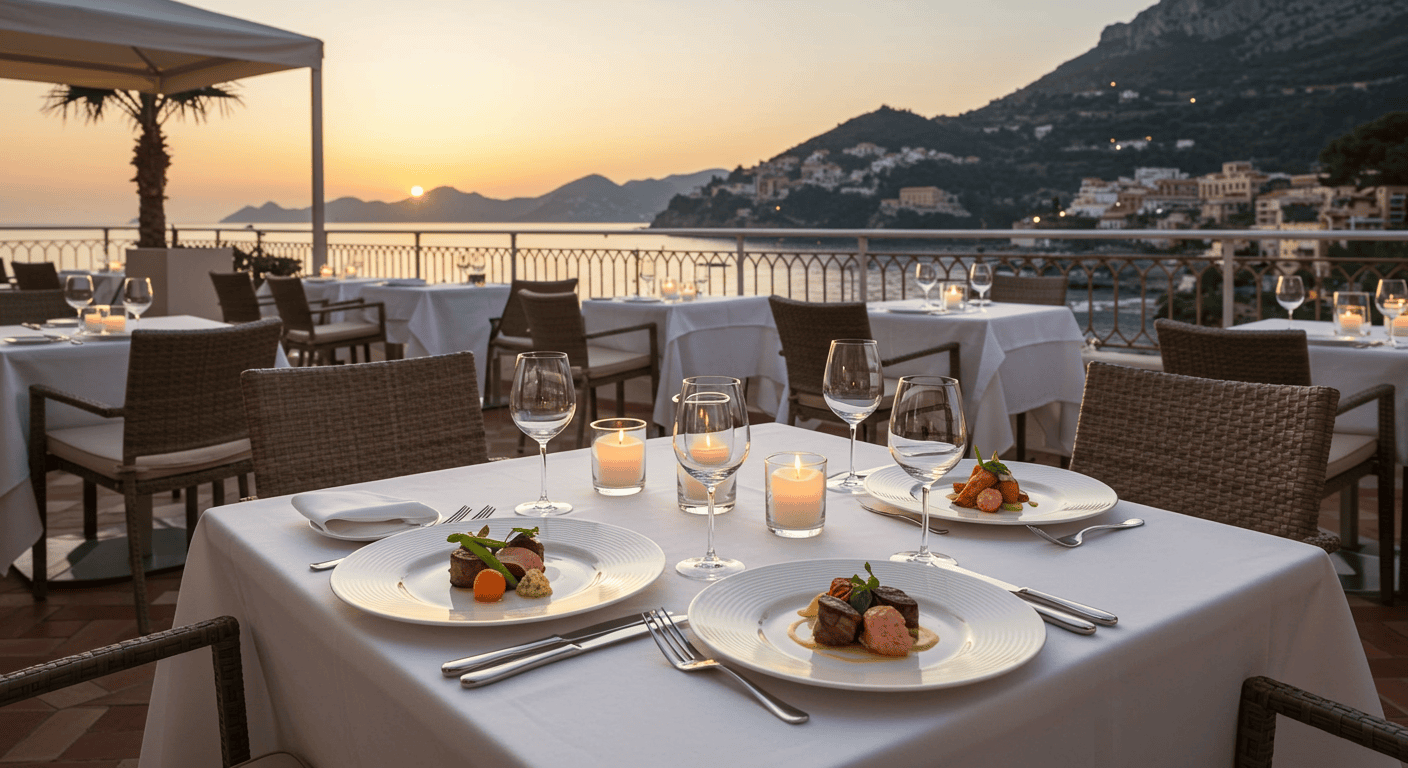
Best Restaurants in Selca: Fine Dining, Local Gems & Where to Eat
The thing about Selca is that it hasn’t decided to become a dining destination. It simply is one. While other Dalmatian villages have spent the last decade performing themselves for visitors – arranging artful aperitivo boards, training staff to describe fermentation notes – Selca on Brač island has largely carried on doing what it always did: feeding people extraordinarily well, with fish pulled from the Adriatic that morning, lamb raised on the island’s karst pastures, and wine poured by people who have opinions about it. If you’re looking for where to eat in Selca, the short answer is: almost anywhere. The longer answer is below.
Understanding the Selca Food Scene
Selca sits in the eastern reaches of Brač, an island that most visitors access via the ferry to Supetar or the beach at Bol. Those who push further east to Selca tend to be the ones who’ve done Croatia before – who’ve ticked off Dubrovnik and Hvar and are now, quite sensibly, looking for something more considered. The dining scene reflects that. There are no neon signs, no laminated menus with photographs. What you’ll find instead are family-run konobas serving recipes that predate the tourist industry by several generations, terraces looking out over olive groves and the open sea, and a genuinely warm local approach to hospitality that stops well short of the performance variety.
Brač as an island has long prided itself on its culinary heritage – the lamb, the white wines of Plavac Mali’s quieter cousin grapes, the freshness of its seafood. Selca, as the southeastern anchor of the island, draws on all of that and adds a village intimacy that the larger resort towns simply cannot replicate. You won’t find a Michelin-starred restaurant here in the formal sense. What you will find is food that, on its best day, makes you question why Michelin hasn’t been paying closer attention to Dalmatia.
For the full context on what makes this corner of Brač so worth your time, the Selca Travel Guide covers the island’s character, beaches and culture in much greater depth. But for now, let’s eat.
Fine Dining and Elevated Experiences Near Selca
Let’s be honest about something: Selca is a village. A beautiful, atmospheric, quietly self-assured village – but a village nonetheless. The kind of place where the best meal you’ll eat might be at a table of six people you didn’t arrive with, because the owner has decided the evening calls for a long communal supper. That is not a limitation. That is the point.
That said, the broader Brač island dining scene has been quietly elevating itself over the last decade, and travellers staying in Selca are well positioned to access some of the island’s more ambitious kitchens within a short drive. Restaurants in Bol and Supetar have developed serious tasting menus drawing on island ingredients treated with contemporary technique – think slow-roasted Brač lamb finished with local herbs, seafood crudo dressed with cold-pressed olive oil from groves you can see from the dining room, and desserts built around the island’s figs and honey. The wine lists have grown up alongside the food, and a knowledgeable sommelier recommending a lesser-known Croatian white from the Dalmatian hinterland is increasingly a feature of the better establishments on the island.
For genuinely elevated dining, it is worth booking ahead – sometimes weeks ahead in high summer. The better restaurants fill early, and the ones worth visiting are not the ones with a walk-in table at eight o’clock on a Saturday in August. Reservation tips are covered in more detail below, but consider this fair warning.
Local Konobas: Where Selca Actually Eats
The word konoба – konoba – resists clean translation. It means something between a taverna, a bistro and a family dining room that someone has decided to charge for. In practice, it means stone walls, paper tablecloths, a handwritten menu, and food that tastes like it was made for someone the cook actually knows. This is where the best restaurants in Selca category gets genuinely interesting.
In and around Selca, the konobas operate on a rhythm that rewards patience and punishes urgency. Lunch runs long. Dinner runs longer. The fish is whatever was good at the market. The lamb is from the island. The bread is warm. The olive oil is the chef’s own family’s, which they’ll tell you about without being asked and with considerable justification. Order the grilled fish simply – Dalmatian preparation here means a little olive oil, a little salt, a little lemon, and then it is left alone to taste of itself. Order the peka if it’s on – slow-cooked under a bell of embers, requiring advance notice, and entirely worth the planning. Order the prstaci clams if the season allows, steamed with white wine and garlic, eaten with bread to catch every drop of the broth.
The house wine will be served in a carafe. It will be better than you expect. That is not a fluke. That is Dalmatia.
Beach Clubs and Casual Dining
Selca’s coastline, while less developed than Bol’s celebrated Zlatni Rat beach, offers something arguably more appealing to travellers who’ve already done the choreographed beach club circuit on other islands: peace. The casual dining options along this stretch of coast tend toward the unceremonious – a terrace above a cove, plastic chairs that are comfortable enough, a menu of grilled fish and cold beer and, if you arrive at the right moment, a plate of fried anchovies that will recalibrate your entire understanding of what fried anchovies can be.
Beach-adjacent eating here is not an exercise in lifestyle theatre. It is simply eating well in a good location, which is its own considerable pleasure. Arrive hungry, dress lightly, and resist the instinct to photograph your plate before eating it. The light will have changed by the time you’re done, and the fish won’t wait. A few spots along the coast have developed small wine lists and more considered menus as the area grows in profile, offering cold Pošip – Dalmatia’s answer to a good Burgundy white, broadly speaking – by the glass alongside freshly caught škarpina, or scorpionfish, prepared in ways that justify its fearsome appearance.
Hidden Gems and Local Secrets
Every destination guide promises hidden gems. Most then direct you to a restaurant with three thousand Google reviews. In Selca’s case, the genuinely undiscovered is still findable because the village hasn’t scaled in the way that makes discovery impossible – you simply have to walk, ask, and be willing to eat where there is no menu in English.
The best approach is this: talk to whoever manages your villa. Talk to the person at the local market. Ask at the bakery where the good families eat on Sunday. In a village this size, the answer will be a place you’ve walked past twice without registering it – a doorway, a terrace, three tables, a woman in her sixties who will bring you food without you choosing it, and it will all be correct. These are the meals that people actually remember. Not the tasting menu. The three tables and the woman who knows what you should eat. (Though the tasting menu has its moments too.)
Look also for local producers selling direct – olive oil, honey, sheep’s cheese. These are not restaurants, technically, but they are part of eating well in Selca in the fullest sense.
Food Markets and Local Produce
Brač island markets are small, purposeful and operate on schedules that reward early risers. Selca and its neighbouring villages hold regular local markets where island farmers and fishers sell direct – this is not a curated farmers’ market experience designed for photography. This is people selling things they have grown or caught, at prices that reflect a local economy rather than a tourist premium, and the produce is exceptional.
Look for Brač olive oil, which is cold-pressed from trees growing in rocky terrain that somehow produces oil of remarkable quality – grassy, slightly peppery, complex. Look for local cheeses made from the milk of the island’s semi-wild sheep, the same animals whose meat ends up on the konoba menu. Look for dried figs, for honey from the island’s wild herbs, for the small wrinkled olives that locals eat as they are. If you have access to a villa kitchen – and staying in a villa in Selca rather than a hotel means you likely do – shopping the local market is one of the best decisions you’ll make all week.
Fresh fish is available from local fishers, sometimes directly from the boats in the morning. Arrive early. Bring cash. Be decisive.
What to Drink: Wine, Spirits and Local Pours
Dalmatian wine has been having a long-overdue international moment, and the wines produced on and around Brač are a significant part of that story. The island’s white wine tradition centres on Pošip and Grk grapes – both producing dry, mineral whites with a saline edge that makes them almost unfairly good with fresh seafood. If you see either on a wine list, order them without hesitation and then congratulate yourself for ordering correctly.
For reds, Plavac Mali is the dominant Dalmatian grape – a full-bodied, dark-fruited wine that drinks well with lamb and aged cheeses. Some producers on Brač and the surrounding islands are producing Plavac Mali of real quality, moving away from the overextracted style that gave it an occasionally undeserved reputation and toward something more precise and food-friendly.
Rakija, the local spirit, is ubiquitous and comes in flavours ranging from fig to herb to grape. It is typically offered at the beginning or end of a meal, sometimes both, by people who intend it as hospitality rather than a transaction. Accept it. Drink it slowly. Decline the second pour if you have plans for the afternoon. Locally produced beer is also increasingly available, though wine is unquestionably the right choice with most of what Selca puts in front of you.
Reservation Tips and When to Visit
July and August are the months when coastal Croatia fills to a degree that surprises people who booked in April assuming it would be fine. It is not fine, in the sense that the best konobas in the area will be full most evenings, and the ones with outdoor terraces will be especially in demand. Book ahead. For dinner at the better places, a week’s notice in high season is minimum. For peka, which requires advance preparation from the kitchen, give at least twenty-four hours’ notice – often forty-eight is better.
Shoulder season – June and September – is, in the considered opinion of anyone who has actually spent time on Brač, the correct time to visit. The water is warm. The crowds have either not yet arrived or have gone home. The restaurants are pleased to see you and have time to feed you properly. The light in September over the Adriatic is the kind of light that makes photographers weep quietly and everyone else simply grateful. Reservations remain advisable but are no longer load-bearing.
When you do call or email to book, be specific about dietary requirements, interest in peka or any other slow-cooked dishes, and whether you’d like wine recommendations. A good konoba will appreciate the notice and treat you accordingly.
Dining with a Private Chef: The Villa Option
There is, of course, a compelling argument for not going out at all. Not every evening, anyway. Staying in a luxury villa in Selca opens the possibility of private chef dining – a qualified professional sourcing from the same local markets and fishers you’ve read about above, cooking in your own kitchen, serving on your own terrace with a view that no restaurant can match on your specific villa’s terms. This is not a retreat from the local dining scene. It is, if done thoughtfully, the deepest possible engagement with it: the same Brač lamb, the same morning’s fish, the same cold-pressed oil – just delivered to your table without the need for a reservation. The best villa kitchens on the island are set up for serious cooking, and the best private chefs in the area know the island’s producers the way a good sommelier knows a cellar.
It is an option worth considering for at least a couple of evenings, particularly if you’re travelling with a group that enjoys the kind of long, unhurried dinner that a restaurant eventually has to bring to a close. On a private villa terrace, nobody is waiting for your table.

