Best Restaurants in St. James Parish: Fine Dining, Local Gems & Where to Eat
Best Restaurants in St. James Parish: Fine Dining, Local Gems & Where to Eat
The rum punch arrives before you’ve quite settled into your chair. The Caribbean is doing what the Caribbean does best – the light fracturing off the water in a way that makes everything look slightly unreal, the air carrying that particular combination of salt, hibiscus and someone nearby grilling fish over charcoal. You are in St. James Parish, on Barbados’s platinum west coast, and the question of where to eat tonight has just become considerably more interesting than you anticipated. Because this is not a parish that coasts on its postcard credentials. The food here is genuinely, stubbornly, excellently good – from the beachfront institutions that have been feeding the island’s most discerning visitors for decades, to the roadside rum shops where the flying fish sandwich will cost you three dollars and rearrange your understanding of lunch.
The Fine Dining Scene in St. James Parish
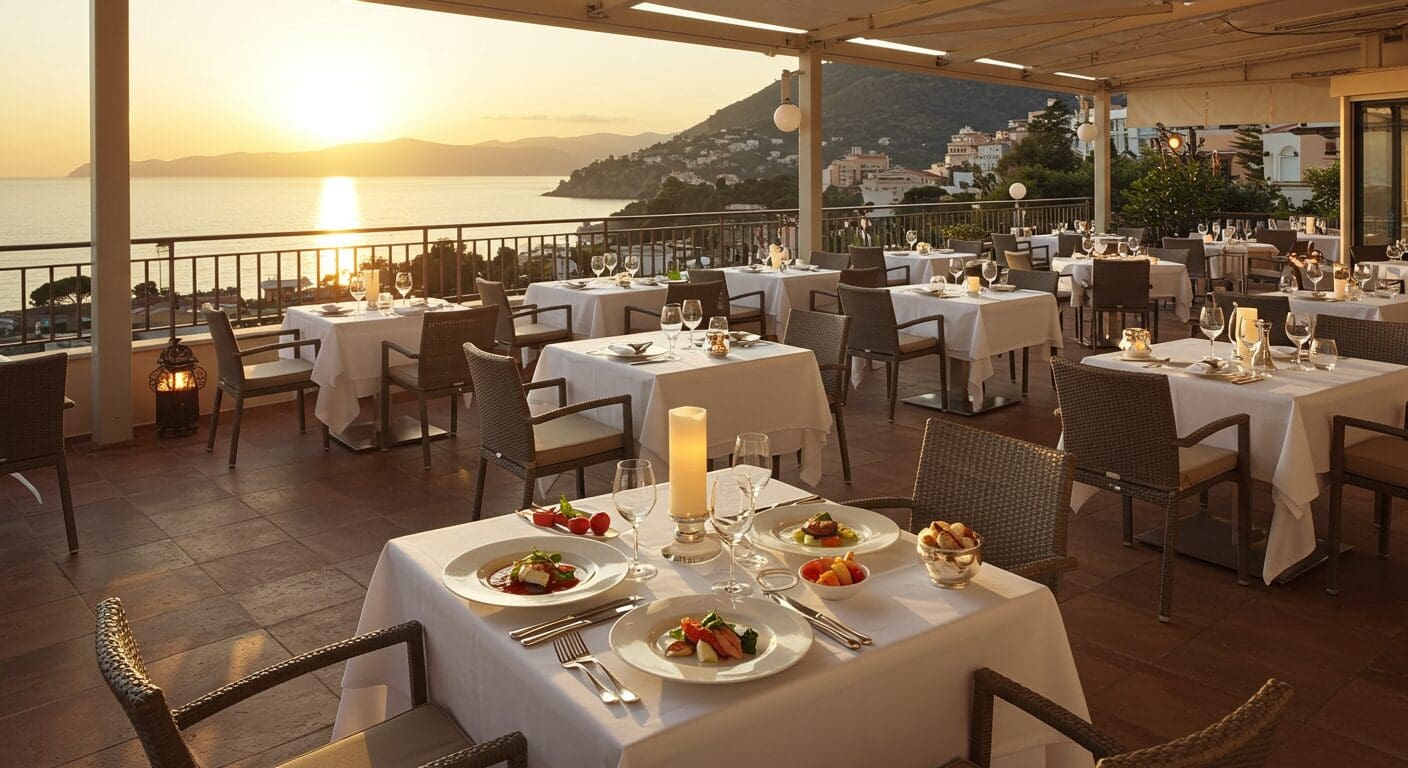
Barbados doesn’t hold Michelin stars – the guide doesn’t cover the Caribbean – but if it did, St. James Parish would be having a very good evening. The west coast strip between Holetown and Speightstown has quietly assembled a collection of serious restaurants that would not look out of place in London or New York, except that the view involves considerably more bougainvillea and the dress code is, shall we say, more relaxed about footwear.
The standard-bearer for fine dining in the parish is The Cliff, a restaurant so genuinely theatrical in its setting that first-time visitors often forget to study the menu for a full five minutes. Built into a coral stone cliff face above the sea, with tables arranged on terraces that drop toward the water, lit by torches after dark – it sounds like a set designer got carried away, but it works. The food is contemporary European with strong Caribbean inflections: think lobster bisque elevated with local pepper sauce, or perfectly rested beef served alongside breadfruit prepared with more care than you might expect. Book well ahead. Months ahead, in high season. This is not a place you stroll into.
Cariba, at Crystal Cove, offers a different register – lighter, more relaxed in atmosphere while remaining firmly in fine dining territory. The menu leans into fresh seafood and West Indian-French cooking, and the kitchen handles both with confidence. The wine list is well-curated, the service is warm rather than stiff, and the setting over the water at dusk is the kind of thing that makes people spontaneously renew their vows. Or at least consider it.
For something genuinely elevated and more intimate, The Lone Star Restaurant at the Lone Star Hotel in Mount Standfast has long been a fixture of the parish’s upper dining tier. The cooking is sophisticated without being showy, the terrace practically sits in the sea, and the whole experience has the ease of a place that has nothing left to prove.
Local Gems and Barbadian Cooking Done Right
There is a particular kind of traveller who spends a week on the west coast of Barbados eating exclusively at high-end hotel restaurants and then tells people they know the island. They don’t. The soul of Barbadian cooking lives elsewhere – in the rum shops, the fish markets, the roadside stalls, the no-nonsense local restaurants where the menu is written on a board and the macaroni pie has been in the same family recipe for forty years.
In St. James Parish, the Holetown area is your best starting point for real Bajan food. The local rum shops dotted along the roads leading inland serve the kind of food that Barbadians actually eat: cou-cou and flying fish (the national dish, and one of the few national dishes in the world that fully lives up to its billing), fish cakes with pepper sauce, saltfish and bakes for breakfast, peas and rice with whatever protein looked best at the market that morning. These are not culinary curiosities for tourists. They are lunch. Order accordingly.
Fisherman’s Pub in Speightstown – which sits just at the northern edge of St. James Parish’s territory – is a beloved institution for good reason. It is unpretentious, it is lively, and it serves flying fish in a way that tastes specifically of Barbados. The setting is harbour-side, the prices are what prices should be, and the rum punch is poured with the generosity that only comes from people who genuinely mean it. This is where you learn that simple done properly is its own kind of luxury.
For a local gem that bridges both worlds – smart enough for a decent dinner, relaxed enough for a long lunch – Daphne’s at Paynes Bay has long balanced Caribbean ease with Italian-influenced cooking. Fresh pasta, grilled seafood, excellent risotto, and a terrace that faces the sea. Italians would probably have notes. Nobody else does.
Beach Clubs and Casual Dining by the Water
The beach club lunch is essentially a St. James Parish art form. Nowhere else in the Caribbean has quite the same density of genuinely good waterfront dining in such a compact stretch of coastline, and the ritual of it – the late arrival, the long table under shade, the cold beer before noon that somehow seems perfectly reasonable here – is one of the parish’s quiet pleasures.
Coral Reef Club’s beachside restaurant deserves mention for the quality of its cooking relative to its setting. Hotel beach restaurants have a reputation for coasting; this one doesn’t. The lobster, when available, is handled with respect. The salads are not an afterthought. And the stretch of beach you’re sitting on is the kind that makes you wonder why you ever bothered with anywhere else.
Mango’s by the Sea in Speightstown is a local favourite with justifiably high standing – fresh fish, simple presentation, good value, and the kind of atmosphere where the afternoon extends itself without effort. Order the catch of the day. Ignore the clock.
The Beach House at Holetown is the more polished end of casual beachfront dining: Caribbean-influenced cooking, a strong cocktail programme, and a location on Paynes Bay that puts you more or less exactly where you want to be at sunset. The grilled snapper is reliably excellent. The rum cocktails are serious. The vibe sits exactly at the intersection of effortless and well-executed – which is harder to achieve than it looks.
Hidden Gems Worth Finding
The best meals in any Caribbean parish are usually the ones nobody put in a guide. They are found by accident, by asking the woman at the fruit stand, by following the smell of wood smoke down a road that gets progressively narrower. St. James Parish rewards this kind of exploratory instinct.
The roadside fish fry culture along the inland roads of St. James is underappreciated by visitors who never venture more than two hundred metres from the beach. On weekend evenings in particular, small operations set up with oil drums converted into grills, styrofoam containers, and queues of locals who know what they’re doing. The fried chicken and fish here – seasoned in the Bajan manner with a blend of fresh herbs, hot pepper and marjoram – is an education. Bring cash. Bring patience. Leave extremely satisfied.
There are also a handful of small, owner-run West Indian restaurants along the back roads between Holetown and the parish’s interior villages that don’t maintain websites or Instagram accounts. They seat perhaps twenty people. They close when the food runs out. They serve the best rice and peas on the island. Your villa manager – if you have a good one – will know exactly where these are. This is precisely the kind of local knowledge worth asking for.
Food Markets and Provisions Worth Knowing
Holetown has a small but well-stocked farmers’ market that runs on Saturday mornings, typically near the town’s central area. This is not a market for browsing – it’s a market for buying. Locally grown vegetables, fresh herbs, handmade hot sauces, coconut bread, tamarind balls, soursop, Scotch bonnet peppers in every degree of warning, and the occasional vendor selling freshly cut sugar cane juice. Arrive before ten if you want the best selection. Arrive after eleven if you want the best prices on whatever’s left.
Massy Superstore in Holetown is the main practical provision stop for the parish, and it is – perhaps surprisingly for those expecting a small island experience – genuinely well-stocked. You will find local rums, Banks beer, fresh local produce, Bajan seasoning blends, hot sauces by the shelf, and a bakery section that produces the kind of coconut bread that disappears before you’ve reached the car. For villa stays particularly, it’s an essential first stop.
For rum specifically – and it would be a serious omission not to address rum specifically – the various rum shops along the main road stock local bottles that rarely make it off the island. Mount Gay is the global name, and rightly so – it’s the world’s oldest rum brand and it is made in Barbados. But the smaller batch rums, the aged expressions, the parish-specific bottlings: these are worth asking about and worth bringing home in quantity.
What to Order: The Essential Bajan Dishes
There are things you must eat in St. James Parish and the absence of which from your visit should cause mild personal embarrassment.
Cou-cou and flying fish is the national dish and it earns its status. The cou-cou is made from cornmeal and okra – silkier and more nuanced than that sounds – served alongside flying fish steamed or fried and prepared with a seasoning that is distinctly Barbadian. Order it at a local restaurant, not at a hotel pool bar. The difference is significant.
Flying fish cakes are the street food equivalent: small, lightly spiced, fried, and served with a hot sauce that exists on a spectrum from cheerful to genuinely alarming. Start at cheerful. Work up.
Pudding and souse is Saturday food – pickled pork with sweet potato pudding, accompanied by a cucumber-heavy pickle liquid that functions as both dressing and mild bravado test. It divides visitors cleanly into two camps. The converts are evangelical.
Macaroni pie is not macaroni and cheese. It is baked, firm-set, seasoned with local herbs and mustard, and served as a side dish with almost everything. It is also one of the genuinely great comfort foods of the Caribbean. Do not overlook it because the name sounds pedestrian.
For drinks, beyond rum punch in its many permutations, try a Banks beer cold from the bottle on a hot afternoon – it is the correct local beer and it does the job without complication. Mauby, a slightly bitter drink made from tree bark and spices, is an acquired taste that some visitors acquire immediately and others never quite do. It is worth trying once. Possibly twice.
Reservation Tips and Practical Advice
St. James Parish operates on two distinct dining calendars: high season (December through April) when the platinum coast is at full capacity and reservation lead times stretch to weeks, and the quieter months when the same tables suddenly become available on forty-eight hours notice. Know which season you’re visiting and plan accordingly.
For The Cliff and other top-tier fine dining restaurants, book before you leave home. In peak season, this is not overcaution – it is the difference between eating there and not eating there. Most properties have online booking systems now, and calling directly is still the most reliable route to securing specific tables (the terrace tables at The Cliff, for instance, are worth specifically requesting).
Dress codes on the west coast are smart-casual for most fine dining establishments – long trousers, closed shoes after dark at the upper end. Nobody will turn you away for wearing linen in an unironed state; Barbados is relaxed about these things. They will gently suggest you might need shoes, however. The “no shoes, no shirt” rule is enforced at fewer places than you’d imagine, but not everywhere is The Beach House.
Tipping is customary and expected: ten to fifteen percent is the standard range for good service, which you will generally receive. A service charge is often added at fine dining establishments – worth checking before you add again, unless the service genuinely warranted double recognition.
For the local rum shops and roadside spots, cash is still king. Carry Barbadian dollars – the exchange rate is fixed at two Barbadian dollars to one US dollar, which makes arithmetic mercifully simple – and don’t be surprised if your card is met with a politely puzzled expression.
Finally, and this is genuine advice rather than filler: eat lunch late. The best west coast beach tables at the casual restaurants come available around two o’clock as the early crowd departs. The food is the same. The crowd is smaller. The afternoon has just opened up in front of you. This is the correct time to order another rum punch and stay considerably longer than planned.
For everything you need to explore St. James Parish beyond its restaurants – beaches, activities, culture, and logistics – see our complete St. James Parish Travel Guide.
The simplest way to make the most of the parish’s extraordinary food scene is, of course, to be based in it properly. A luxury villa in St. James Parish puts you minutes from every restaurant on this list – and most of our villas offer private chef services for the evenings when you’d rather not go out at all. Which, after a long and thoroughly researched afternoon of rum punch and flying fish cakes, happens more often than you’d expect.
What is the best time to book restaurants in St. James Parish?
For high season visits between December and April, book fine dining restaurants well in advance – ideally before you travel. The most popular establishments, particularly The Cliff, can fill up weeks ahead. Outside of peak season, most restaurants are more accessible on shorter notice, though weekends still warrant booking ahead. For casual local spots and rum shops, no reservation is needed or expected.
What is the national dish of Barbados and where can I try it in St. James Parish?
Barbados’s national dish is cou-cou and flying fish – cornmeal and okra served alongside seasoned flying fish, either steamed or fried. In St. James Parish, the best versions are found at local Bajan restaurants and rum shops rather than hotel dining rooms. Ask your villa manager or hotel concierge for their recommended local spot; the dish varies noticeably from kitchen to kitchen, and a well-informed local recommendation makes a real difference.
Is fine dining in St. James Parish very formal?
Not by European standards. Most fine dining establishments on the Barbados west coast operate a smart-casual dress code after dark – long trousers and closed shoes are expected at upper-tier restaurants, but black tie is firmly off the agenda. Daytime and beachfront dining is considerably more relaxed. The overall atmosphere is unhurried and warm rather than stiff or ceremonial, which is one of the reasons the west coast dining scene is so enjoyable.