Discover Bilbao’s Historic Districts – Museums & Festivals
Bilbao, a city in Spain’s Basque Country, really surprised me. It’s a place where old industrial vibes meet really cool modern art. If you’re looking for a city break that’s a bit different, this might be it. I went expecting a lot, and honestly, it delivered. It’s got history, great food, and some seriously impressive buildings. This Bilbao travel guide will walk you through some of the best bits.
Key Takeaways
- Explore the iconic Guggenheim Museum Bilbao and the Bilbao Fine Arts Museum for a dose of art and architecture.
- Wander through Casco Viejo, Bilbao’s Old Town, and the Siete Calles to experience its medieval charm and local life.
- Discover Bilbao’s industrial past and its transformation into a cultural hub, exemplified by repurposed spaces like Azkuna Zentroa.
- Immerse yourself in Basque culture through its distinctive cuisine, traditions, and the unique Euskera language.
- Venture to lesser-known historical sites like Iglesia de San Nicolás de Bari and Puente de San Antón for a deeper historical connection.
Discover Bilbao’s Artistic Soul
Bilbao, a city that has undergone a remarkable transformation, now stands as a beacon of artistic expression and architectural innovation. Its cultural landscape is a captivating blend of the historic and the avant-garde, offering a truly unique experience for any discerning traveller.
The Guggenheim Museum Bilbao: An Architectural Masterpiece
It’s hard to talk about Bilbao without mentioning the Guggenheim. Frank Gehry’s titanium-clad marvel isn’t just a museum; it’s a work of art in itself. The way the light plays off its undulating surfaces is something you really have to see in person to appreciate. Inside, the collections are just as impressive, showcasing modern and contemporary art in spaces that feel as dynamic as the pieces they hold. It’s a building that truly redefined what a museum could be.
A visit here is more than just looking at art; it’s an immersion into innovative design. You’ll find:
- Sculptures that interact with the building’s architecture.
- Temporary exhibitions that bring world-class artists to the city.
- The iconic ‘Puppy’ sculpture, a floral masterpiece guarding the entrance.
The Guggenheim’s presence marked a turning point for Bilbao, signalling its rebirth as a cultural destination. It’s a testament to how bold architectural vision can revitalise a city.
Bilbao Fine Arts Museum: A Treasure Trove of Art
While the Guggenheim often steals the spotlight, the Bilbao Fine Arts Museum is an absolute gem that deserves your attention. It houses one of Spain’s most significant art collections, spanning centuries of artistic creation. Here, you can wander through galleries filled with everything from ancient religious art to the vibrant works of contemporary Basque painters.
What makes this museum so special is its breadth and depth:
- Masterpieces by Spanish greats like Goya and El Greco are displayed without the overwhelming crowds you might find elsewhere.
- A dedicated section celebrates Basque artists, offering insights into the region’s rich artistic heritage.
- The peaceful sculpture garden provides a tranquil escape, perfect for reflecting on the art you’ve just experienced.
It’s a place where you can truly connect with art at your own pace, appreciating the historical context and the evolution of artistic styles.
Exploring Contemporary Basque Art
Beyond the major institutions, Bilbao’s artistic soul is also evident in its thriving contemporary art scene. Numerous smaller galleries and cultural spaces across the city offer a platform for emerging and established Basque artists. These venues provide a more intimate glimpse into the current creative pulse of the region.
To truly appreciate this aspect of Bilbao’s art scene, consider:
- Seeking out local galleries in areas like the Casco Viejo, where you might discover unique pieces and meet the artists themselves.
- Checking local listings for temporary exhibitions or art fairs that showcase the latest talent.
- Engaging with the art to understand the contemporary themes and perspectives shaping Basque culture today.
This exploration into contemporary Basque art offers a fascinating counterpoint to the city’s historical narratives, revealing a dynamic and forward-looking artistic community.
A Journey Through Historic Bilbao
Bilbao, a city that has gracefully transformed from its industrial past into a cultural powerhouse, invites you to step back in time. Exploring its historic districts offers a tangible connection to its origins, revealing layers of history that continue to shape its present character.
Casco Viejo: The Enchanting Old Town
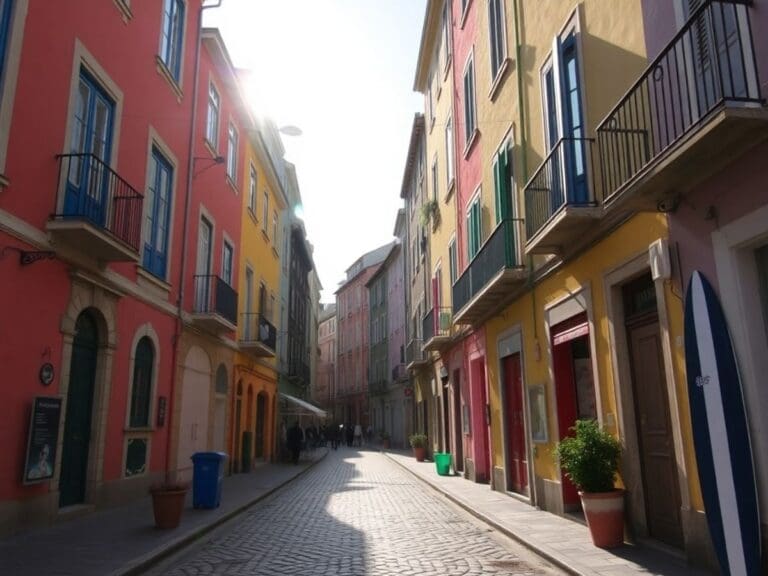
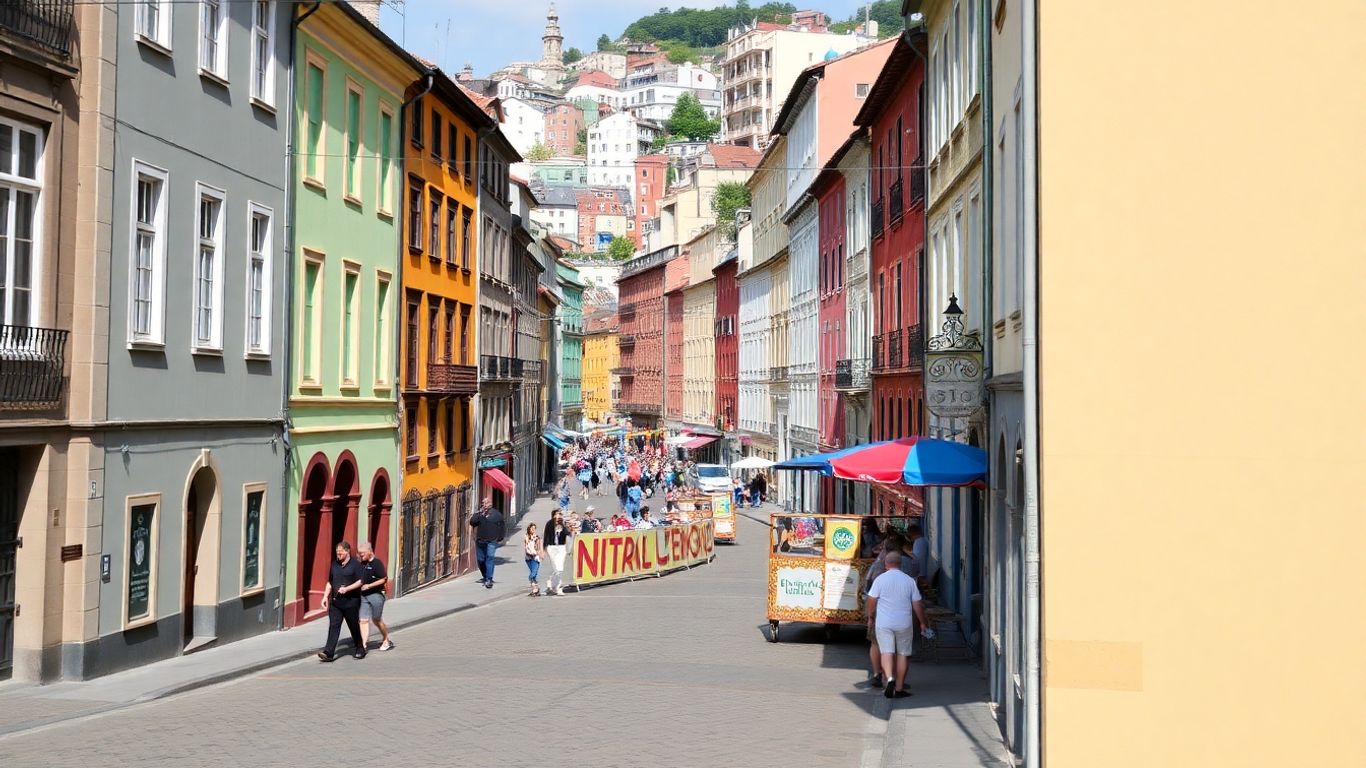
The heart of old Bilbao beats within the Casco Viejo, or Old Town. This district is a delightful labyrinth of narrow, winding streets and colourful buildings, each corner whispering tales of centuries gone by. It’s more than just a picturesque area; it’s an immersion into the very soul of Bilbao’s history, a place where the city’s evolution is etched into its architecture and atmosphere. Prepare to be captivated by its charm.
The Siete Calles: Tracing Medieval Footsteps
Nestled within the Casco Viejo are the Siete Calles, or Seven Streets. These are the original medieval thoroughfares that formed the very foundation of Bilbao. Wandering through Somera, Artecalle, Tendería, Belosticalle, Carnicería Vieja, Barrencalle, and Barrencalle Barrena is like walking through a living history book. You’ll find a wonderful mix of traditional shops, inviting bars, and delightful restaurants, all coexisting within these historic lanes. It’s a chance to truly feel the pulse of medieval Bilbao.
Iconic Buildings and Enduring Monuments
As you explore, you’ll encounter several significant historical landmarks that stand as testaments to Bilbao’s enduring spirit. The neoclassical Plaza Nueva, completed in 1851, serves as a central gathering point, often buzzing with local life and markets. Don’t miss the chance to admire the intricate details of the Santiago Cathedral, a beautiful example of Gothic architecture. These structures are not merely old buildings; they are storytellers, each with a unique narrative to share about Bilbao’s past.
Bilbao’s historical districts offer a profound appreciation for the city’s resilience and innovation. Taking a guided walking tour can truly bring these stories to life, offering insights you might otherwise miss.
For those seeking to understand the city’s industrial heritage, exploring sites like the Consorcio de Aguas building provides further context. A visit to Bilbao is incomplete without experiencing these historical treasures, which offer a glimpse into the city’s remarkable journey. Consider a luxury villa rental for a truly immersive stay in the region.
Bilbao’s Industrial Transformation
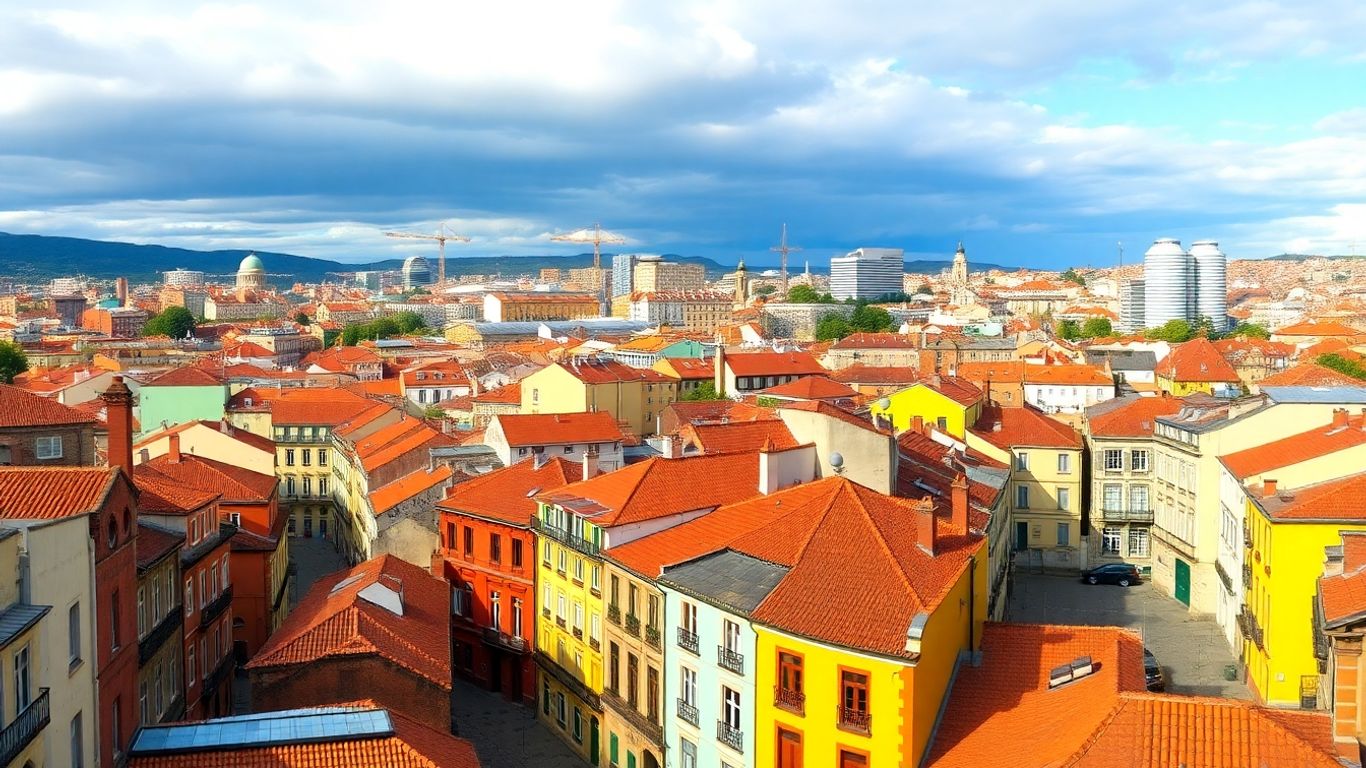
Bilbao’s story is one of remarkable reinvention. For a long time, this city was all about industry. Think shipbuilding, steel production, and the busy Nervión River acting as its main highway for commerce. It was a place built on hard work, and you could see it in the very fabric of the city – a bit grey, perhaps, but undeniably functional and full of purpose.
From Steel Mills to Cultural Hub
The late 20th century brought significant changes. As heavy industries began to decline, Bilbao faced a period of uncertainty. But instead of fading away, the city decided to look forward. This led to an ambitious plan to turn old industrial sites into something new and exciting. It was a bold move, transforming the city’s landscape and its identity.
- The city’s regeneration project focused on repurposing former industrial areas.
- Derelict factories and warehouses were given new life.
- These spaces were reimagined as cultural centres, parks, and modern living areas.
This shift wasn’t just about new buildings; it was about changing how people saw Bilbao and what it could be.
The Nervión River’s Industrial Legacy
The Nervión River was once the lifeblood of Bilbao’s industry, carrying goods and powering its factories. While the heavy industrial activity has ceased, the river remains a central feature. Today, its banks are a place for leisurely strolls, showcasing a fascinating mix of the city’s past and its vibrant present. You can still see remnants of its industrial past alongside modern architectural marvels, a visual reminder of the journey Bilbao has taken. Exploring the riverfront offers a unique perspective on this transformation, a journey through time that highlights the city’s resilience and its commitment to a brighter future. You can get a sense of this history by visiting the Guggenheim Museum Bilbao.
Architectural Repurposing: The Azkuna Zentroa
A prime example of this successful transformation is the Azkuna Zentroa. What was once a wine warehouse has been beautifully converted into a dynamic cultural and leisure centre. It now houses a library, exhibition spaces, sports facilities, and more, all within a stunning architectural setting. It perfectly encapsulates Bilbao’s ability to honour its heritage while embracing contemporary culture and design, proving that old structures can indeed find vibrant new purposes.
Immerse Yourself in Basque Culture
Bilbao’s soul is deeply rooted in its Basque heritage, a unique and enduring aspect that profoundly shapes the city’s identity and history. To truly grasp the essence of Bilbao, experiencing this vibrant culture is quite important. From the distinctive sounds of traditional music and dance to the time-honoured culinary customs and the ancient linguistic roots, the Basque Country presents a rich tapestry of experiences that truly set it apart.
The Flavours of Bilbao: Pintxos and Gastronomy
Basque cuisine is a cornerstone of its culture, celebrated for its high-quality ingredients and inventive culinary methods. Pintxos, the Basque take on tapas, are practically an art form, showcasing a delightful spectrum of flavours and textures. Traditional dishes frequently feature fresh seafood, locally sourced meats, and seasonal vegetables. Exploring Bilbao’s food scene is more than just enjoying tasty food; it’s about experiencing a fundamental part of Basque culture and heritage. You might find yourself hopping between local bars, sampling a variety of these small, flavourful bites.
The culinary journey in Bilbao is an exploration of tradition and innovation, where each pintxo tells a story of local produce and generational recipes.
Basque Traditions and Local Celebrations
Basque festivals, known as ‘fiestas’, are lively expressions of cultural pride and historical traditions. One of the most significant is the Semana Grande (Aste Nagusia), Bilbao’s major annual celebration, which fills the city with music, dance, and numerous cultural activities. These celebrations are steeped in history, often including traditional sports, dances, and culinary delights passed down through generations. To fully appreciate Bilbao’s cultural vibrancy, attending one of these festivals is highly recommended. You can discover more about these events and plan your visit to immerse yourself in the vibrant heritage of Bilbao.
- Semana Grande (Aste Nagusia): Bilbao’s largest annual festival with music, dance, and cultural events.
- Traditional Basque Sports: Witness or even participate in unique local athletic contests.
- Folk Music and Dance: Experience the lively performances that are central to Basque celebrations.
The Enduring Spirit of Euskera
The Basque language, Euskara, stands as one of Europe’s most ancient languages, with origins that remain a linguistic puzzle. Its persistence through the centuries has been vital in preserving Basque identity and cultural heritage. While Spanish is commonly spoken in Bilbao, you will often hear Euskara in everyday conversations, particularly in the older districts. The continuation of this ancient language is a testament to the resilience and determination of the Basque people to maintain their distinct cultural identity. Learning a few basic Basque phrases, like ‘Kaixo’ (Hello), can show respect and appreciation for the local culture.
Uncovering Hidden Historical Gems
While the grand museums and bustling plazas rightly draw attention, Bilbao holds many quieter historical treasures waiting to be discovered. These spots offer a more intimate connection to the city’s past, away from the main thoroughfares. Taking a guided walking tour is an excellent way to unearth these lesser-known sites, as local guides often share fascinating stories and historical insights not found in typical guidebooks.
Venturing off the beaten path allows for a deeper appreciation of Bilbao’s evolution. Consider these places for a more profound understanding:
- The Iglesia de San Nicolás de Bari: This baroque church, dedicated to the patron saint of sailors, stands in the heart of the Old Town. It’s a testament to resilience, having survived floods and conflicts over the centuries. Its ornate interior tells a story of faith and endurance.
- The Ancient Puente de San Antón: With origins tracing back to Roman times, this historic bridge offers not only picturesque views but also a tangible link to Bilbao’s earliest days. It’s a quiet spot that whispers tales of centuries past.
- Consorcio de Aguas Building: This structure provides further insight into the city’s industrial heritage, showcasing how functional buildings can also hold significant historical weight.
Exploring these less-trodden historical locations provides a richer, more nuanced perspective on Bilbao’s journey. It’s in these quiet corners that the city’s resilience and spirit truly reveal themselves, offering a more personal encounter with its history.
For those keen to explore further, seeking out local tourist information for self-guided routes can be very rewarding. You might also find that private guided tours offer a unique way to experience these hidden gems, providing personalised narratives and access to local knowledge. Discover hidden gem attractions that tell the story of Bilbao’s enduring spirit.
Panoramic Vistas and Coastal Escapes
Ascending Mount Artxanda for City Views
For a truly breathtaking perspective of Bilbao, make your way up Mount Artxanda. A short funicular ride will whisk you to the summit, where the entire city unfolds beneath you. It’s the perfect spot to appreciate the blend of old and new architecture, from the historic Casco Viejo to the modern marvels along the Nervión River. The surrounding green hills provide a stunning backdrop, especially as the sun begins to set.
The Vizcaya Bridge: A UNESCO World Heritage Site
No visit to the Bilbao region is complete without experiencing the iconic Vizcaya Bridge, or Puente Colgante, a UNESCO World Heritage site. This remarkable transporter bridge, connecting Portugalete and Getxo, is a testament to industrial ingenuity. You can opt for a leisurely stroll across its upper walkway, offering unparalleled views of the estuary and the Bay of Biscay, or take a ride in the suspended gondola that ferries vehicles and pedestrians across. It’s a unique engineering feat that truly captures the industrial spirit of the area.
Day Trips to the Dramatic Basque Coast
Bilbao serves as an excellent base for exploring the rugged beauty of the Basque coastline. Consider these excursions:
- San Juan de Gaztelugatxe: Famous for its dramatic appearance in Game of Thrones, this hermitage perched on a rocky islet connected by a winding stone staircase is a sight to behold. The climb is rewarding, with spectacular ocean views at every turn.
- Lekeitio: A charming fishing town with a lovely sandy beach and a picturesque harbour. It retains a traditional feel, perfect for a relaxed afternoon.
- Mundaka: Renowned among surfers for its world-class left-hand wave, Mundaka also offers beautiful coastal scenery and a tranquil atmosphere.
The Basque coast is a place of wild beauty, where sheer cliffs meet the powerful Atlantic Ocean. Exploring these coastal towns offers a different, yet equally captivating, side to the region, showcasing its deep connection to the sea and its enduring traditions.
Discover stunning views and seaside getaways. Imagine waking up to the sound of waves and enjoying breathtaking coastal scenery. For your next holiday, explore our collection of beautiful properties by the sea. Visit our website today to find your perfect coastal escape!