Cordoba Travel Guide – Mezquita – Patios & Flamenco
Planning a trip to Spain? You should really consider Cordoba. It’s a city that just pulls you in, with its old buildings and interesting history. I recently visited and honestly, it stole a bit of my heart. It’s not too big, so you can see a lot without rushing too much. This Cordoba travel guide is here to help you get the most out of your visit, covering everything from the famous Mezquita to the lively flamenco shows.
Key Takeaways
- The Mezquita-Cathedral is a must-see, showcasing a unique blend of Islamic and Christian architecture.
- Explore the charming Patio de los Naranjos for a fragrant experience with its orange trees.
- Immerse yourself in Andalusian culture by experiencing an authentic Flamenco performance.
- Wander through the historic Jewish Quarter and discover the beauty of the Calleja de las Flores.
- Don’t miss out on the local food scene, especially the tapas culture and Mercado Victoria.
Discovering Cordoba’s Architectural Grandeur
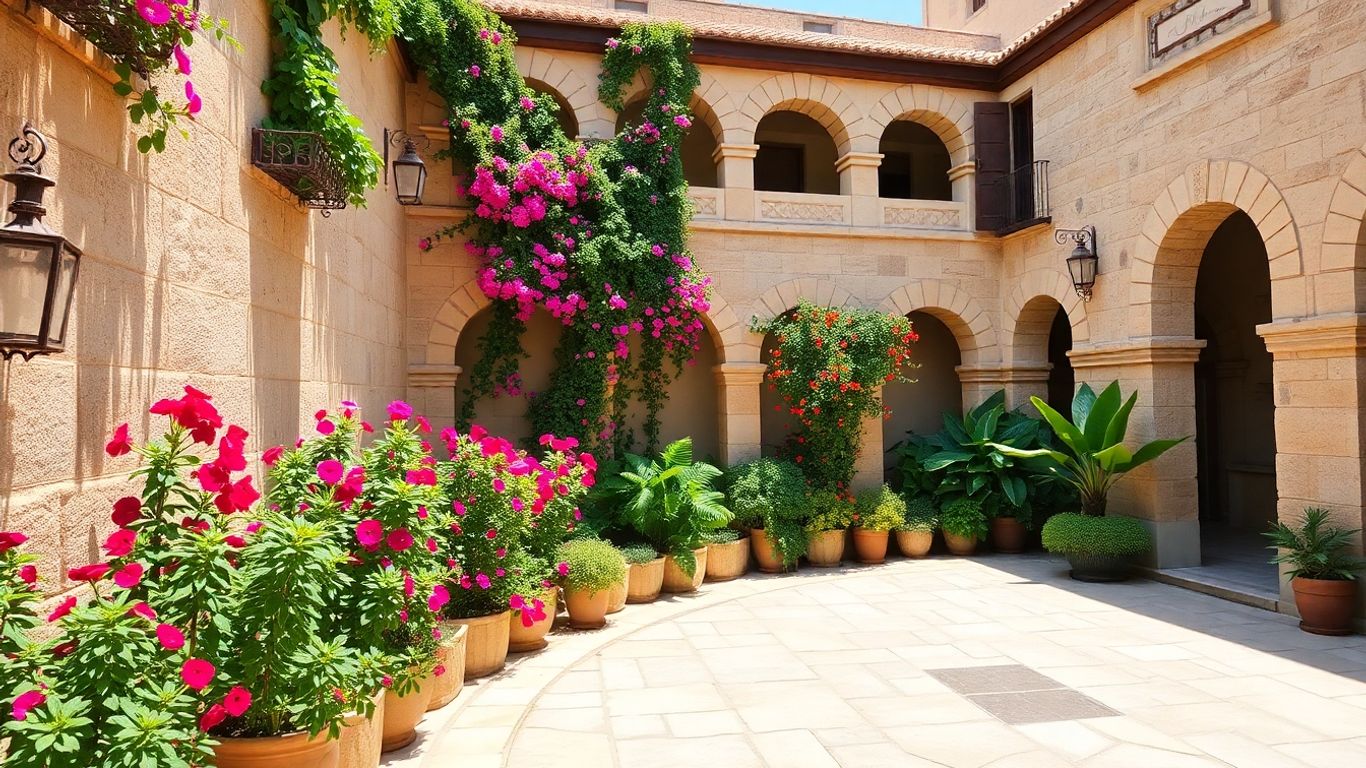
Cordoba is a city that whispers tales of empires and artistry through its very stones. Its architectural heritage is a testament to the diverse cultures that have shaped it, offering a visual feast for any discerning traveller. Prepare to be captivated by structures that have stood the test of time, each with a story to tell.
The Majestic Mezquita-Cathedral
This is, without question, the jewel in Cordoba’s crown. What began as a grand mosque in the 8th century, a masterpiece of Islamic architecture, was later transformed into a cathedral. The sheer scale of the original mosque, with its forest of over 850 columns and striking red-and-white striped arches, is breathtaking. It’s a place where you can truly feel the weight of history. The later addition of the Renaissance cathedral in its centre is a bold statement, a point of discussion for many visitors, and a symbol of the city’s layered past. Standing beneath the soaring arches, you can’t help but feel a profound sense of awe.
The Enchanting Patio de los Naranjos
Adjacent to the Mezquita, the Patio de los Naranjos, or Orange Tree Courtyard, offers a serene transition. This expansive courtyard, once part of the mosque’s ablution area, is a tranquil oasis. Lined with orange trees and ancient columns, it provides a peaceful space for reflection before or after exploring the main building. It’s a beautiful example of how functional spaces can be designed with such aesthetic grace. The scent of orange blossoms in spring is simply divine.
Exploring the Alcázar de los Reyes Cristianos
This fortress-palace, with its roots stretching back to Roman times and significant Moorish and Christian modifications, is a must-visit. The Alcázar served as a royal residence and a key location in Spanish history, notably as the place where Ferdinand and Isabella first met Christopher Columbus. Wandering through its opulent halls and, most importantly, its stunning gardens with their cascading fountains and meticulously kept flowerbeds, is like stepping into a different era. The gardens themselves are a masterpiece of design, offering a cool respite and picturesque views.
- Gardens: Explore the various garden levels, each with unique water features and floral displays.
- Towers: Climb the towers for panoramic views of the city and the Guadalquivir River.
- Mosaics: Admire the well-preserved Roman mosaics found within the Alcázar’s walls.
The Alcázar de los Reyes Cristianos is a place where history feels tangible. You can almost hear the echoes of royal footsteps and imagine the pivotal meetings that took place within its walls, shaping the course of global exploration. It’s a powerful reminder of Cordoba’s significance on the world stage.
Immersing in Andalusian Culture
The Soulful Art of Flamenco
To truly grasp the spirit of Andalusia, one must experience Flamenco. It’s more than just a dance; it’s a raw expression of emotion, a story told through passionate movement, intricate guitar melodies, and powerful vocals. Cordoba offers a chance to witness this art form in its most authentic settings. Forget large, impersonal shows; seek out the intimate tablaos where the connection between the performers and the audience is palpable.
Experiencing Flamenco in Historic Patios
Imagine this: the warm evening air, the scent of orange blossoms, and the soul-stirring sounds of Flamenco echoing through a centuries-old patio. During festivals, particularly the famous Patio Festival in May, many of these private courtyards open their doors, transforming into magical venues for spontaneous performances. It’s a unique way to see the city’s famous patios come alive with music and dance, offering a glimpse into local life and traditions.
The very essence of Flamenco lies in its improvisation and emotional depth. It’s a conversation between the dancer, the singer, and the guitarist, each responding to the other in a captivating display of artistry. You can feel the history in every stomp and clap.
Flamenco Workshops for Enthusiasts
If you’re feeling inspired, why not try your hand at it? Several places in Cordoba offer introductory Flamenco workshops. You can learn the basic footwork, hand claps (palmas), and even some of the expressive arm movements. It’s a fun, engaging way to connect with the culture on a deeper level and perhaps discover a hidden talent.
- Learn fundamental rhythmic patterns.
- Understand the importance of posture and expression.
- Practice basic steps and hand movements.
It’s a surprisingly challenging yet rewarding experience that gives you a newfound appreciation for the skill involved.
Cordoba’s Timeless Charm
Wandering the Calleja de las Flores
This narrow, winding lane, famously known as the Alley of Flowers, offers a quintessential Cordoban experience. As you meander through its cobblestone path, you’ll find yourself enveloped by a cascade of colourful blooms spilling from countless terracotta pots adorning the whitewashed walls. It’s a photographer’s dream, a place where every turn reveals a new, picturesque vista.
The sheer abundance of flowers, meticulously tended, creates an atmosphere of serene beauty, a testament to the city’s enduring love affair with its floral heritage.
Strolling Across the Roman Bridge
Spanning the Guadalquivir River, the Roman Bridge is a magnificent relic of Cordoba’s past. Originally built by the Romans and later rebuilt by the Moors, it has witnessed centuries of history unfold. A walk across its ancient stones, especially as the sun begins to set, offers breathtaking views of the Mezquita and the city skyline. The way the light catches the water and the historic architecture is truly something special.
The Allure of Cordoba’s Patios
Cordoba is renowned for its stunning patios, private courtyards that are often bursting with life and colour. While many are private residences, the city celebrates this tradition with an annual festival where these hidden gardens are opened to the public. Even outside of festival time, you can seek out some of the more accessible or publicly displayed patios.
- Discover the Patio de los Naranjos: Adjacent to the Mezquita, this ancient courtyard, filled with fragrant orange trees, offers a tranquil escape and a glimpse into the mosque’s original layout.
- Seek out the Palacio de Viana: This historic palace boasts twelve distinct patios, each with its own unique character and planting scheme, showcasing a diverse range of horticultural artistry.
- Explore the Judería (Jewish Quarter): Wander through the labyrinthine streets of the old Jewish quarter, where you might stumble upon smaller, charming patios tucked away behind unassuming doorways.
A Gastronomic Journey Through Cordoba
Cordoba is a city that truly understands the art of eating well. Forget rushed meals; here, dining is an experience to be savoured, a chance to connect with the region’s rich history and vibrant culture. From bustling markets to intimate taverns, the city offers a delightful exploration for any food lover.
Indulging at Mercado Victoria
For a true taste of Cordoba’s culinary heart, a visit to the Mercado Victoria is an absolute must. This beautifully restored market hall buzzes with energy, offering a fantastic array of local produce and prepared dishes. It’s the perfect spot to sample a variety of Andalusian specialities, from the famed Iberian ham, thinly sliced and melting in your mouth, to the refreshing salmorejo, a thicker, creamier cousin of gazpacho. You can wander from stall to stall, picking up small plates and pairing them with a glass of local wine. It’s a wonderfully informal way to discover the breadth of flavours the region has to offer.
The Delight of Tapas Culture
One of the most charming aspects of eating in Cordoba is its deeply ingrained tapas culture. Many bars and restaurants will surprise you by bringing a small, complimentary tapa with your drink – a delightful tradition that encourages you to try a little bit of everything. This is where you can really get a feel for the local way of life. Don’t be shy; strike up a conversation with the bartender or other patrons. You might just discover your new favourite dish or a hidden gem of a restaurant.
Here are a few local favourites you should keep an eye out for:
- Salmorejo: A chilled tomato soup, thicker than gazpacho, often garnished with ham and egg.
- Flamenquín: A rolled pork loin, ham, and cheese dish, breaded and fried.
- Berenjenas con Miel: Fried aubergines drizzled with honey, a surprisingly moreish sweet and savoury combination.
Remember that many establishments observe a traditional siesta, closing their doors for a few hours in the early afternoon. Planning your culinary adventures around these times will ensure you don’t miss out on the best of Cordoba’s gastronomic offerings.
Savouring Iberian Delicacies
Beyond the tapas, Cordoba offers a chance to indulge in some truly exceptional ingredients. The quality of the local produce, particularly the pork and olive oil, is outstanding. You’ll find dishes featuring succulent Iberian pork, often prepared with a subtle honey glaze, showcasing the natural flavour of the meat. For those seeking a truly authentic experience, seeking out restaurants that focus on traditional recipes is highly recommended. You can discover some of the best restaurants in Cordoba, featuring dishes like grilled Iberian pork with a honey glaze and their signature bacalao al ajoarriero, a flavorful cod dish. The local Montilla-Moriles wines, particularly those made from the Pedro Ximénez grape, are also worth exploring, offering a unique taste of the region’s terroir.
Unveiling Cordoba’s Artistic Heritage
Cordoba isn’t just about grand buildings; it’s also a place where art and history intertwine beautifully. You can really get a sense of this by exploring some of its dedicated cultural spaces.
The Museum of Fine Arts
This museum, housed in a former hospital, showcases a wonderful collection of Andalusian art. You’ll find works spanning from the medieval period right up to the 20th century. It’s a great spot to see how artistic styles have evolved in this region.
- Focus on local artists: Many pieces highlight the talent of painters and sculptors from Cordoba and Andalusia.
- Diverse collections: Expect to see religious art, portraits, and genre scenes.
- Peaceful atmosphere: It’s a lovely place to wander and appreciate art without feeling rushed.
Fosforito’s Flamenco Museum
For a taste of Cordoba’s vibrant performing arts, a visit to the Fosforito Flamenco Museum is a must. Named after a legendary flamenco singer, this museum offers a look into the history and soul of this passionate art form.
Flamenco is more than just music and dance; it’s an expression of deep emotion, a story told through movement and sound that has captivated audiences for generations.
Here’s what you can expect:
- Historical context: Learn about the origins and evolution of flamenco.
- Key figures: Discover the artists who shaped the genre.
- Interactive displays: Engage with the music and costumes.
The Bullfighting Museum’s Insights
While perhaps not for everyone, the Bullfighting Museum, located within the Plaza de Toros, provides a unique perspective on a significant aspect of Spanish culture. It details the history of bullfighting in Cordoba, showcasing the artistry and tradition associated with it. You can see the costumes, learn about famous matadors, and understand the rituals involved. It’s a surprisingly detailed look into a controversial yet deeply ingrained part of the local heritage. You might even find yourself appreciating the historical significance, even if the practice itself is debated. It’s a chance to see a different facet of Cordoba’s past and its connection to Spanish traditions.
Relaxation and Rejuvenation
The Tranquil Hammam Al Andalus
After a day spent exploring Cordoba’s rich history and vibrant streets, there’s nothing quite like surrendering to the soothing embrace of traditional Arab baths. The Hammam Al Andalus, conveniently located just a short stroll from the Mezquita, offers a sanctuary of calm. Here, you can immerse yourself in the steamy, aromatic waters, allowing the heat to melt away any lingering fatigue. It’s more than just a cleansing ritual; it’s a chance to quiet the mind and refresh the spirit, a practice deeply rooted in the region’s Moorish heritage.
Beyond the thermal pools, the Hammam provides a selection of indulgent spa treatments. A well-deserved massage can truly complete the rejuvenation experience, leaving you feeling utterly revitalised.
- Experience the traditional steam baths.
- Indulge in a variety of therapeutic massages.
- Enjoy the tranquil atmosphere designed for ultimate relaxation.
The Hammam is a place where ancient traditions meet modern wellness, offering a peaceful escape from the everyday.
Exploring the Royal Stables
For a different kind of restorative experience, consider the Royal Stables of Córdoba. While perhaps not as overtly tranquil as the Hammam, witnessing the grace and power of the Andalusian horses can be remarkably calming. These magnificent creatures, with their proud bearing and elegant movements, are a testament to centuries of breeding and training.
An evening equestrian show here offers a unique spectacle. It’s a chance to appreciate the deep connection between Spanish culture and these noble animals. You might find yourself captivated by the skill of the riders and the sheer beauty of the performance. It’s a sophisticated way to unwind and appreciate a distinct facet of Cordoba’s heritage. For those seeking a truly luxurious spa experience, you might look into some of the spa resorts in the region for an extended period of pampering.
Unwind and recharge in our beautiful holiday homes. Find your perfect escape and make lasting memories. Visit our website today to discover your next relaxing getaway!