Explore Ronda’s Historic Landmarks – Festivals & Natural Beauty
Ronda, a city perched dramatically on cliffs above a deep gorge, is a real gem in Andalusia. It’s a place where history feels alive, with ancient buildings and traditions still going strong. Whether you’re interested in grand architecture, lively festivals, or just soaking up the amazing views, this Ronda travel guide will help you discover what makes this town so special. It’s a bit like stepping back in time, but with all the comforts you’d expect today.
Key Takeaways
- Explore Ronda’s impressive architecture, including the famous Puente Nuevo bridge and the historic Plaza de Toros.
- Immerse yourself in local culture by experiencing vibrant festivals like Feria de Pedro Romero and Semana Santa.
- Discover the natural beauty surrounding Ronda, from the dramatic El Tajo Gorge to the scenic Sierra de Grazalema.
- Indulge in the local cuisine, enjoying tapas, regional specialities, and the famous olive oil.
- Learn about Ronda’s fascinating history, from its ancient origins to its Moorish influences and preserved palaces.
Discovering Ronda’s Iconic Architectural Marvels
Ronda, a city dramatically perched atop cliffs, presents a collection of architectural wonders that truly define its character. These structures aren’t just buildings; they are testaments to centuries of history and human ingenuity, offering a profound connection to the past.
The Majestic Puente Nuevo: An Engineering Masterpiece
Dominating the skyline, the Puente Nuevo, or New Bridge, is an 18th-century marvel that spans the formidable El Tajo gorge. Its construction was a monumental undertaking, taking decades to complete and resulting in a structure that stands 120 metres above the Guadalevín River. The sheer scale and elegant design of its central arch are breathtaking, providing not only a vital link between the old and new parts of the city but also an unparalleled vantage point for the surrounding dramatic landscapes. It’s a symbol of Ronda’s resilience and ambition.
- Construction began in 1751 and concluded in 1793.
- Offers spectacular panoramic views of the gorge and surrounding countryside.
- A popular spot for photographers seeking iconic shots of Ronda.
The bridge is more than just a crossing; it’s an experience that allows you to feel the immensity of the gorge and the history embedded in its stone.
Plaza de Toros: A Glimpse into Spanish Heritage
As one of the oldest bullrings in Spain, the Plaza de Toros de Ronda offers a fascinating insight into the traditions and cultural significance of bullfighting. Built in the late 18th century, this historic arena is a beautifully preserved example of Spanish heritage. Visitors can explore the bullring itself, the adjacent museum which details the history of bullfighting and the Ronda family of bullfighters, and even the stables where the bulls were kept. It’s a place that resonates with the echoes of Spain’s passionate past.
Arab Baths: Echoes of Moorish Splendour
The Baños Árabes, or Arab Baths, are a beautifully preserved testament to Ronda’s Moorish past, dating back to the 13th century. These baths showcase exquisite Islamic architecture, with features like horseshoe arches and vaulted ceilings that create a serene atmosphere. Wandering through the different chambers – the frigidarium (cold room), tepidarium (warm room), and caldarium (hot room) – provides a tangible connection to the daily rituals and sophisticated lifestyle of the era. It’s a quiet space that whispers tales of a bygone era, offering a tranquil contrast to the city’s more imposing landmarks. You can find exquisite luxury villa rentals in the region for a truly immersive stay.
Immersing in Ronda’s Vibrant Cultural Tapestry
Ronda isn’t just about old buildings and pretty views; it really comes alive with its festivals. These events are a fantastic way to see the local spirit and traditions up close. It’s like stepping back in time, but with a really good atmosphere.
The Ronda Romántica: A Journey Through Time
This festival is quite something. Imagine the whole town dressing up in historical costumes, recreating scenes from Ronda’s past. It’s a proper spectacle, and you really get a feel for the history. They often have parades and traditional music, making the streets feel like a living museum. It’s a charming way to connect with the town’s heritage.
Feria de Pedro Romero: Celebrating Andalusian Traditions
This is probably the most famous festival, honouring Pedro Romero, a legendary bullfighter from Ronda. It happens in early September and is a big deal. You’ll see traditional bullfights, but also lots of flamenco, music, and street parties. It’s a real celebration of Andalusian culture, and the energy is infectious. It’s a chance to experience the heart of local traditions.
Semana Santa: A Solemn Spectacle of Faith
During Holy Week, Ronda puts on a very different kind of show. The processions are quite moving, with religious floats and a very solemn atmosphere. It’s a deeply traditional event, and you can feel the history and faith in the air as the processions move through the old streets. It’s a powerful experience, showing a more reflective side of the town.
Experiencing these festivals offers a unique window into the soul of Ronda, where history, tradition, and community spirit are celebrated with passion and authenticity. It’s more than just an event; it’s an invitation to participate in the ongoing story of this remarkable city.
Exploring the Breathtaking Natural Vistas
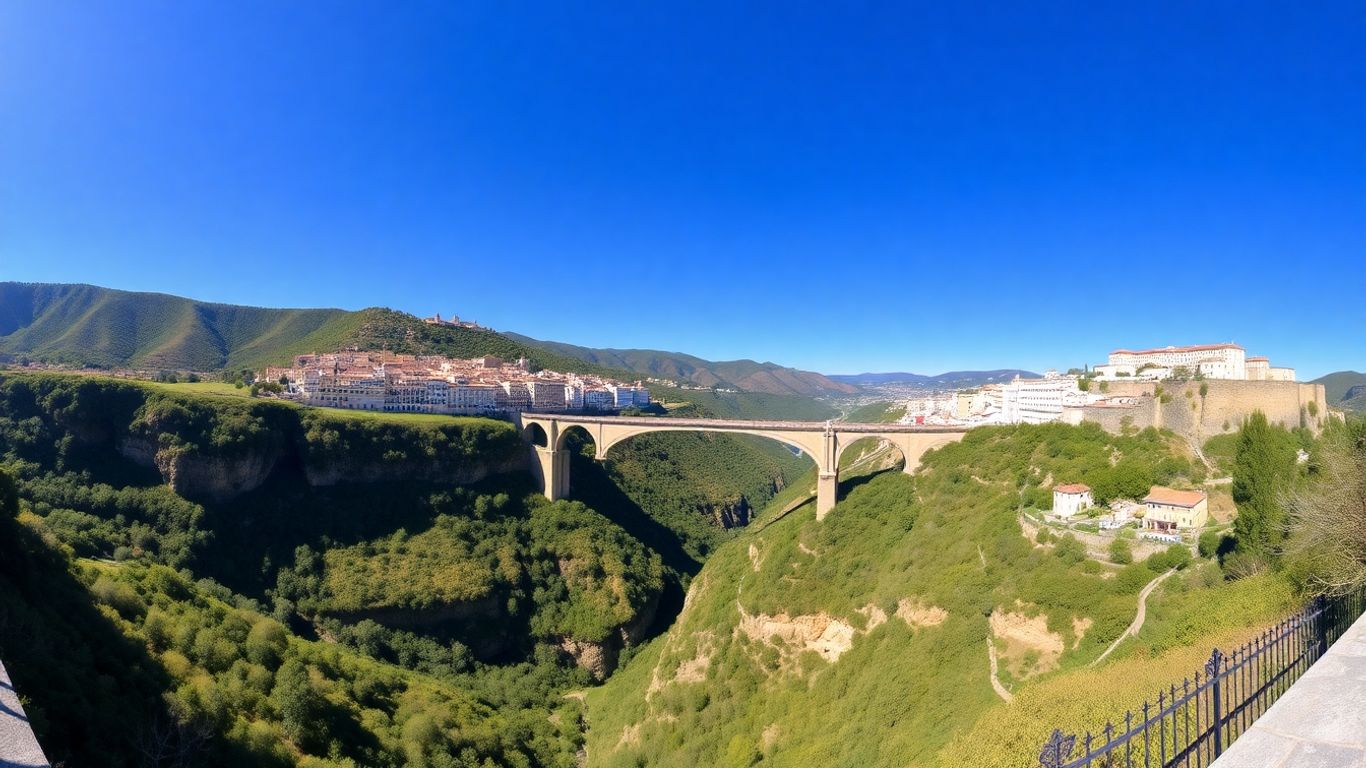
Ronda is a place where the earth itself seems to put on a show. Perched dramatically on cliffs, the city offers views that are simply unforgettable. It’s not just about the architecture; the natural setting is a huge part of what makes Ronda so special.
El Tajo Gorge: A Dramatic Natural Wonder
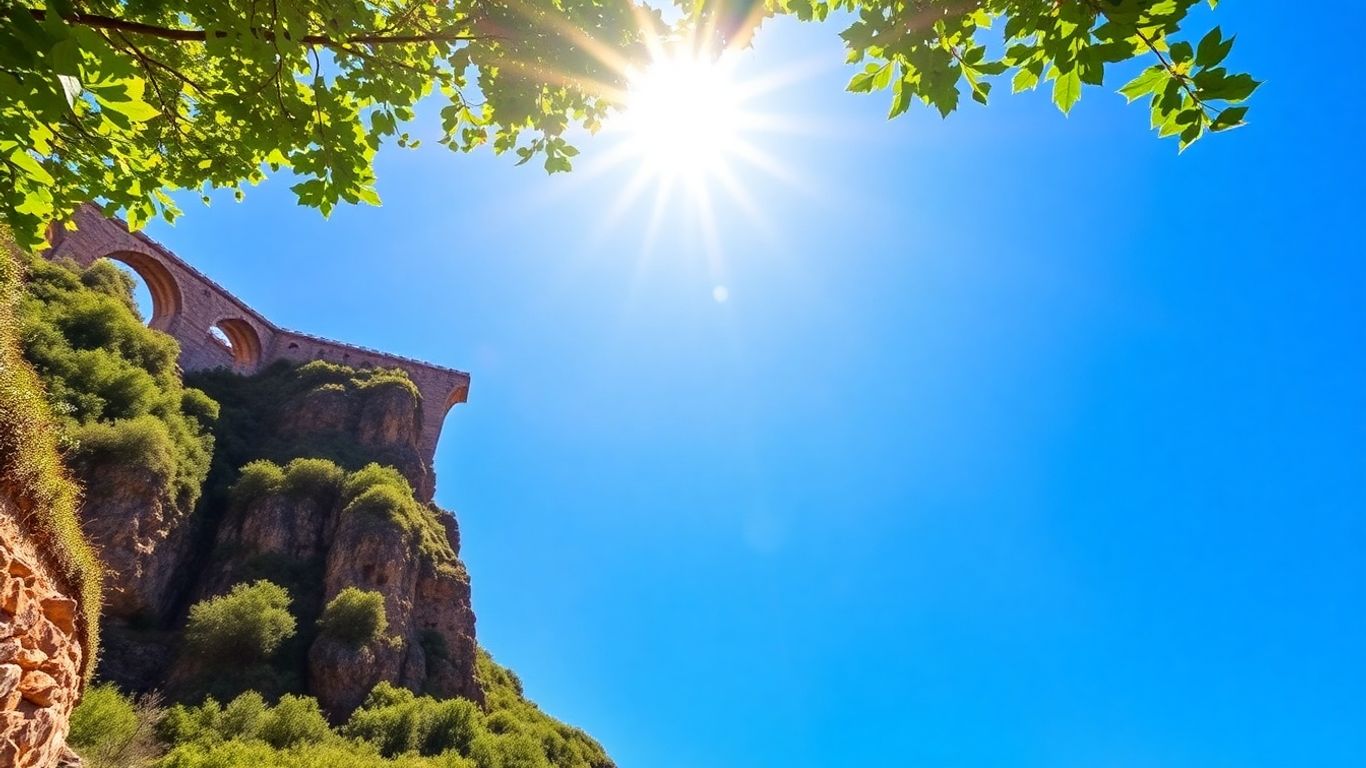
This is the big one, the natural feature that defines Ronda. El Tajo gorge is a massive chasm, plunging hundreds of metres down to the Guadalevín River. The Puente Nuevo, that famous bridge, spans this incredible gap, and standing on it, or looking up at it from below, is quite an experience. You can really feel the scale of it all.
- Walk across the Puente Nuevo for unparalleled views into the gorge.
- Descend to the lower viewpoints to see the bridge from a different angle, often with waterfalls cascading nearby.
- Take a moment to simply absorb the sheer drop and the rugged beauty of the rock faces.
The sheer scale of El Tajo is something that photos struggle to capture. It’s a raw, powerful landscape that has shaped the city’s history and its identity.
Sierra de Grazalema: Adventures in the Andalusian Countryside
Just a short drive from Ronda, the Sierra de Grazalema Natural Park is a different kind of beauty. This area is known for its dramatic limestone mountains, deep valleys, and charming white villages. It’s a fantastic spot for anyone who enjoys the outdoors.
- Hiking trails abound, catering to various fitness levels.
- Discover hidden caves and unique rock formations.
- Explore traditional villages like Grazalema or Zahara de la Sierra, often nestled in stunning settings.
Vineyard Tours: Savoring Local Flavours
While not strictly a natural vista in the same way as the gorge, the rolling hills surrounding Ronda are covered in vineyards. Taking a tour here offers a chance to see the beautiful countryside while also enjoying the fruits of the land. Many wineries are open for visits, providing a taste of local life and, of course, some excellent wine.
- Enjoy guided tours of vineyards and wine cellars.
- Sample local wines, often paired with regional produce.
- Learn about the winemaking process specific to this unique Andalusian climate.
Indulging in Ronda’s Culinary Delights
Tapas Culture: A Taste of Local Life
When in Ronda, you simply must embrace the art of tapas. It’s more than just small plates; it’s a way of life here, a chance to sample a variety of local flavours in a relaxed, social setting. Wandering through the old town, you’ll find countless little bars, each with its own specialities. Don’t be shy about popping into a few – that’s half the fun!
- Start with a classic: Try the pincho de tortilla (a slice of Spanish omelette) or some jamón ibérico (Iberian ham).
- Be adventurous: Sample caracoles (snails) if you’re feeling brave, or perhaps some boquerones en vinagre (marinated anchovies).
- Pair with local wine: Ask for a recommendation for a local Ronda wine to complement your bites.
The true joy of tapas is the experience itself – standing at the bar, chatting with friends, and discovering new tastes one small plate at a time. It’s an authentic slice of Andalusian life.
Regional Specialties: Oxtail Stew and Churros
Ronda is famous for some truly hearty and delicious dishes that are perfect after a day of exploring. The rabo de toro (oxtail stew) is a must-try. It’s slow-cooked until the meat is incredibly tender and falls off the bone, usually served in a rich, flavourful sauce. It’s the kind of dish that warms you from the inside out.
And for something sweet? You can’t leave without trying the churros. These are typically served with a thick, hot chocolate for dipping. It’s a simple pleasure, but oh-so-satisfying. You’ll often find them at breakfast or as an afternoon treat.
Olive Oil Experiences: The Liquid Gold of Andalusia
Olive oil is the backbone of Andalusian cuisine, and Ronda is no exception. The region produces some of the finest olive oils in the world, and you can often find opportunities to learn more about it. Many local producers offer tours where you can see the groves, understand the pressing process, and, of course, taste the different oils.
- Visit a local almazara (olive mill): Learn about the journey from olive to oil.
- Taste different varieties: Discover the subtle differences between oils made from various olive types.
- Learn about health benefits: Understand why this is often called ‘liquid gold’.
Sampling the local olive oil is a fundamental part of understanding Ronda’s culinary heritage. It’s a chance to appreciate the quality and care that goes into this essential ingredient.
Uncovering Ronda’s Rich Historical Narrative
Ronda isn’t just a pretty face; this town has seen some serious history unfold. It’s one of Spain’s oldest settlements, with whispers of its past echoing from ancient Celtic foundations right through to its Roman beginnings. You can really feel the layers of time when you wander through its streets.
Ancient Origins: From Celtic Settlements to Roman Foundations
Long before the Romans arrived, the Celts were here, calling this place Arunda. Then came the Phoenicians, setting up shop nearby and founding Acinipo. But it was the Romans who really fortified the area, establishing it as a strategic post during the Second Punic War. Later, it passed through the hands of the Suebi and the Eastern Roman Empire before the Visigoths took over. It’s quite a journey, isn’t it?
Moorish Influence: Architectural Legacies
When the Umayyad troops arrived in 713, Ronda became the capital of the Takurunna province. This period left a significant mark, especially on the architecture. After the Caliphate of Cordoba broke apart, Ronda became the seat of a small Berber kingdom, and much of the Islamic heritage we see today dates from this era. It’s fascinating how these influences are still visible.
Mondragón Palace: A Window into History
This palace is a real gem, offering a peek into Ronda’s past. It’s a place where you can see the blend of different cultures that have shaped the town. Wandering through its rooms and courtyards feels like stepping back in time, with exhibits that cover everything from ancient artefacts to more recent displays. It’s a must-visit for anyone wanting to understand Ronda’s story.
The sheer depth of history here is quite something. You can almost sense the different eras as you explore, from the earliest settlements to the grand Moorish structures and later Christian adaptations. It’s a town that truly wears its past with pride.
Family-Friendly Adventures in the City of Dreams
Ronda, perched dramatically on its rocky outcrop, isn’t just for history buffs or those seeking dramatic vistas; it’s a surprisingly wonderful spot for families. The town really does have a knack for keeping younger visitors engaged, blending its rich past with activities that spark curiosity. It’s a place where you can easily spend a few days exploring without anyone getting bored, which, let’s be honest, is a win for any parent.
La Casa del Rey Moro: Exploring Ancient Mines
This is a real highlight for families. Descending into the ancient water mines at La Casa del Rey Moro is quite an experience. It’s a bit of a trek down, and yes, there are many, many steps, but the reward is worth it. You get to see the old system used to bring water into the city, and at the bottom, there’s a lovely spot by the river where you can cool off your feet. It’s a fantastic way to bring history to life for children. Just make sure everyone has sturdy shoes on, and perhaps carry a bit of water, especially on warmer days. It’s a proper adventure, not just a museum visit.
Museo Lara: A Curated Collection of Curiosities
For families with inquisitive minds, the Museo Lara is a real treat. It’s not your typical museum; it’s more like stepping into someone’s fascinating, slightly eccentric, private collection. You’ll find everything from antique toys and musical instruments to old photographs and even some rather unusual taxidermy. It’s the kind of place that sparks conversation and encourages kids to ask questions about the past. The sheer variety means there’s something to catch everyone’s eye, making it a memorable stop on your family’s exploration of Discover Ronda, a Spanish gem.
Alameda del Tajo: Green Escapes and Panoramic Views
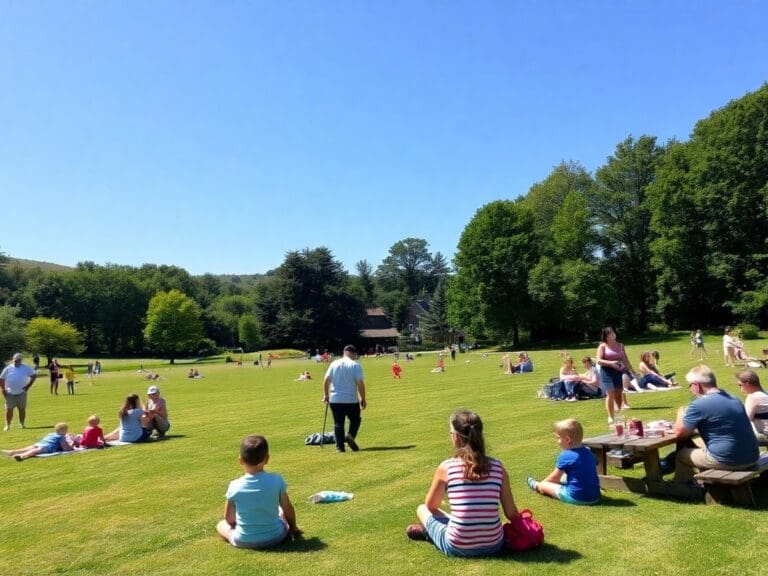
When the little ones need to burn off some energy, the Alameda del Tajo is the perfect spot. This beautiful tree-lined park offers wide-open spaces for running around, and importantly, several viewpoints (miradores) looking out over the stunning landscape. It’s a safe and pleasant place for a stroll, a picnic, or just to let the kids enjoy some fresh air. You can wander through the gardens, admire the trees, and take in those iconic Ronda views without the hustle and bustle of the main streets. It’s a peaceful counterpoint to the more intense historical sites.
Discover fun things to do with the whole family in our amazing city! From exciting parks to cool museums, there’s something for everyone. Plan your next family outing and make some wonderful memories. Visit our website today to find out more!