La Palma Travel Guide – Lush Forests – Stargazing & Volcanoes
Planning a trip to La Palma? This La Palma travel guide is here to help you make the most of your visit to this stunning Canary Island, often called ‘La Isla Bonita’. From its incredible green forests and dramatic volcanic landscapes to its incredibly clear night skies, there’s so much to see and do. Whether you’re looking for adventure on hiking trails, a relaxing dip in natural pools, or a taste of local wine, this guide covers the highlights for an unforgettable island experience.
Key Takeaways
- Explore the lush, almost magical forests of Los Tilos, a UNESCO Biosphere Reserve, perfect for hiking and experiencing unique flora.
- Witness the cosmos from Roque de los Muchachos, one of the world’s best stargazing locations, thanks to the island’s ‘Law of the Skies’.
- Hike the famous Ruta de los Volcanes for breathtaking views of volcanic terrain, or explore the southern volcanic sands near Fuencaliente.
- Discover charming coastal spots like Porís de Candelaria, a hidden seaside hamlet, and relax in the natural volcanic pools of Charco Azul.
- Sample the island’s unique Malvasia wines and learn about the traditional salt production at Salinas de Fuencaliente.
Discover La Palma’s Enchanting Forests
La Palma, often called ‘La Isla Bonita’, truly lives up to its name when you venture into its verdant heart. The island is a hiker’s dream, offering a tapestry of green that feels almost otherworldly. Forget your everyday worries as you step onto paths that wind through ancient forests, where the air is thick with the scent of damp earth and exotic flora. It’s a place where nature’s grandeur is on full display, inviting you to explore its many shades of green.
The Lush Trails of Los Tilos
Nestled in the northeast, Los Tilos is a magical place. It’s a protected biosphere reserve, and you can really feel that special atmosphere. The trails here take you through a ravine, where moisture gets trapped, creating this incredibly dense, jungle-like environment. Think moss-covered trees, ferns unfurling everywhere, and the sound of water trickling, even if the main waterfall is sometimes a bit dry. You can even walk along the dry riverbed, scrambling over rocks – it feels like a real adventure.
Exploring the Verdant Caldera de Taburiente
This is the big one, the island’s massive central crater. You can’t really grasp its scale from the top, so hiking into it is the best way to experience it. There are trails for all levels, from gentle strolls to more challenging routes. If a full hike isn’t on the cards, driving to a viewpoint like Mirador de la Cumbrecita gives you a stunning overview. Just remember to sort out a parking permit beforehand; they’re free and help manage the limited spots.
A Journey Through Subtropical Vegetation
As you explore, you’ll notice the sheer variety of plant life. Depending on the altitude and the side of the island, you’ll encounter different types of forests. From the laurel forests, which feel like something out of a fairy tale, to areas with more subtropical plants, it’s a constant visual feast. The air itself feels different, cleaner, and alive with the subtle perfumes of flowers and damp leaves. It’s a sensory experience that stays with you long after you’ve left the trails.
Celestial Wonders Above La Palma
La Palma truly is a stargazer’s dream, a place where the heavens feel incredibly close. The island’s commitment to preserving its night sky, thanks to the ‘Law of the Skies’, means light pollution is practically non-existent. This dedication creates an unparalleled environment for observing the cosmos.
An Astronomer’s Paradise: The Starlight Reserve
La Palma is celebrated globally for its pristine night skies, earning it the prestigious title of a Starlight Reserve. This designation isn’t just a label; it’s a testament to the island’s unique atmospheric conditions and its proactive measures to protect them. Imagine standing beneath a canopy of stars so clear, so vibrant, it feels as though you could reach out and touch them. The low humidity, high altitudes, and stable Atlantic winds all conspire to create perfect viewing conditions, making it a haven for anyone captivated by the night sky. It’s a place where the universe truly puts on a show.
Experiencing the Cosmos at Roque de los Muchachos
Ascending to Roque de los Muchachos, the island’s highest point, is an adventure in itself. The winding mountain road offers breathtaking vistas at every turn, building anticipation for what awaits at the summit. Here, you’ll find the Roque de los Muchachos Observatory, a world-class facility housing some of the most powerful telescopes on the planet. It’s a hub of international scientific collaboration, where researchers peer into the universe’s deepest mysteries. While daytime visits to the observatory might offer glimpses of these incredible instruments, the real magic happens after dark, though access is restricted to staff. Still, the sheer scale of the place and its purpose are awe-inspiring. The Gran Telescopio Canarias, one of the world’s largest optical telescopes, is a highlight here.
Unveiling the Universe Through Exclusive Stargazing
To truly appreciate La Palma’s celestial gifts, consider booking a guided stargazing experience. Local astronomers, often with agencies like Astro Travels, lead excursions to designated viewing points. These tours offer an intimate encounter with the cosmos, allowing you to:
- Identify constellations with the naked eye.
- Observe planets like Mars and Jupiter in stunning detail.
- Gaze at distant galaxies, star clusters, and nebulae through powerful telescopes.
These experiences provide an unforgettable journey through space, comparable to the most profound astronomical encounters. It’s a chance to connect with the universe on a deeply personal level, far from the distractions of everyday life. You can find these incredible star-gazing tours easily online.
The island’s commitment to preserving its dark skies is remarkable. From regulated street lighting to rerouted flight paths, every effort is made to ensure the stars remain the main attraction after sunset. This careful management allows natural phenomena, like the occasional ‘sea of clouds’ that can form below the observatories, to add another layer of wonder to the island’s already spectacular views.
Volcanic Majesty and Dramatic Landscapes
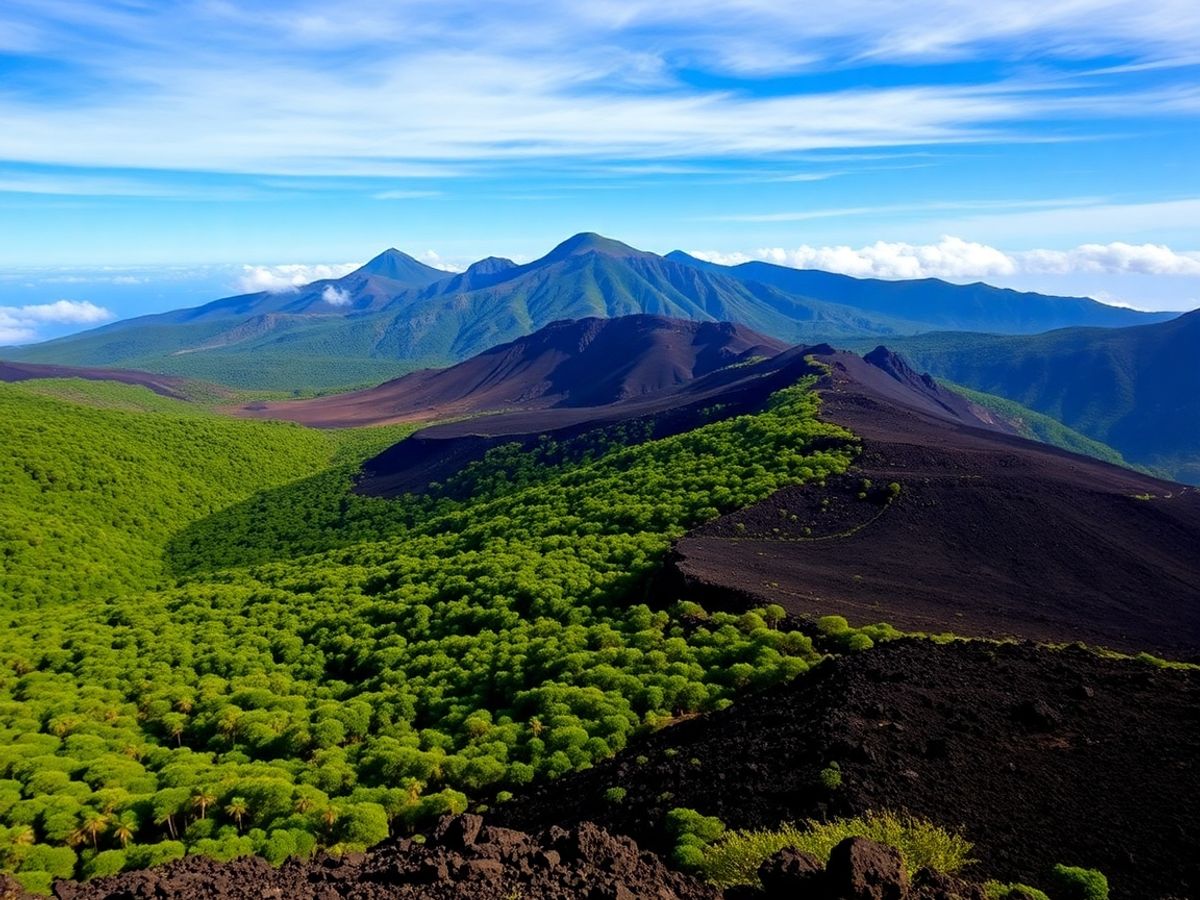
La Palma’s volcanic heart beats with a raw, untamed energy, shaping landscapes that are as dramatic as they are beautiful. This island, born from fire, offers a profound connection to the earth’s powerful forces.
Hiking the Iconic Ruta de los Volcanes
This is the trail for anyone wanting to truly understand La Palma’s fiery origins. It’s a substantial trek, stretching about 19 kilometres (12 miles) along the spine of the Cumbre Vieja volcanic ridge. You’ll start amidst fragrant pine forests before the terrain opens up to reveal a stark, captivating panorama of past eruptions. The path is well-trodden, so you’ll likely share the experience with fellow adventurers, all drawn by the promise of breathtaking views and a tangible sense of geological history. Allow a good six to eight hours to complete this journey, which culminates in Fuencaliente.
Exploring the Volcanic Sands of Fuencaliente
At the southern tip of the island, Fuencaliente is where the volcanic narrative truly comes to life. Here, the land is a striking tapestry of black sand beaches and the stark beauty of recent lava flows. It’s a place to reflect on the island’s creation. You can also visit the Salinas de Fuencaliente, the island’s salt pans, where the traditional method of salt extraction is still practiced, creating a unique visual spectacle against the deep blue of the Atlantic.
Witnessing the Power of Volcán San Antonio
This is one of the most accessible volcanic cones on the island, offering a direct encounter with La Palma’s fiery past. A well-maintained path leads you around the rim of the crater, providing incredible views into its depths and out across the surrounding volcanic fields. It’s a relatively short walk, but the impact is immense. Standing on the edge, you can almost feel the heat that once shaped this land. Informative panels explain the eruption history, making it an educational as well as awe-inspiring experience.
Charming Coastal Villages and Natural Pools
La Palma’s coastline is dotted with charming villages and unique natural pools, offering a delightful contrast to the island’s dramatic volcanic heart. These spots provide a chance to unwind and soak in the island’s serene beauty.
The Secluded Beauty of Porís de Candelaria
Imagine a tiny hamlet tucked away at the end of a winding, steep road. That’s Porís de Candelaria for you. It feels like stumbling upon a hidden pirate cove, with whitewashed buildings nestled right into the cliff face. The sea crashes against the rocks below, sending spray up over the edges of the cove. It’s a really special place, offering a 360-degree sensory experience with the sound of the waves and the sea air.
Relaxing at the Volcanic Pools of Charco Azul
For a truly unique swimming experience, head to Charco Azul. These natural pools are formed within the dark volcanic rocks along the coast. The clear, cool water is incredibly inviting, especially after a day of exploring. It’s a wonderfully tranquil spot to relax and enjoy the natural beauty of the island.
Exploring Santa Cruz de La Palma’s Balconies
While not strictly a coastal pool, the capital city of Santa Cruz de La Palma offers its own kind of charm along the waterfront. The city is famous for its traditional Canarian architecture, particularly the elaborately designed wooden balconies that adorn many of the buildings. Strolling along the Avenida Marítima, you can admire these historic features while enjoying the lively atmosphere of the harbour. It’s a lovely way to experience the island’s cultural heritage.
Culinary Delights and Local Vineyards
La Palma’s culinary landscape is as rich and varied as its natural beauty, offering a delightful journey for the palate. The island’s unique volcanic soil and favourable microclimate create the perfect conditions for cultivating exceptional produce, most notably the Malvasia grape. This historic grape variety, brought to the island by Spanish conquistadors, thrives here, producing wines of distinct character and quality. You can explore these vineyards and learn about the traditional winemaking processes, culminating in a tasting of these exquisite local wines. It’s a chance to truly savour the island’s terroir.
Beyond the vineyards, a visit to the Salinas de Fuencaliente is a must. This family-run salt works, operating for generations, offers a fascinating glimpse into the traditional extraction of sea salt. Walking amongst the colourful evaporation pools, you can learn about the process that yields the prized Teneguía sea salt. The vibrant hues of the salt pans against the blue of the ocean are a sight to behold.
When it comes to island gastronomy, expect fresh, local ingredients prepared with care. From freshly caught seafood to hearty stews and local cheeses, the flavours are robust and authentic. Many restaurants offer dishes that highlight the island’s bounty, providing a true taste of La Palma.
Savouring Malvasia Wines
La Palma is renowned for its Malvasia wine, a sweet, aromatic white wine with a rich history on the island. The volcanic soil imparts a unique minerality, while the sunny climate allows the grapes to ripen perfectly. Many wineries welcome visitors for tours and tastings, offering a chance to understand the cultivation and production methods. This is an opportunity to discover the nuanced flavours that make La Palma’s wine so special.
Discovering Fuencaliente’s Salt Pans
The Salinas de Fuencaliente are a striking testament to traditional salt production. Seawater is channelled into a series of shallow pools, where the sun and wind work their magic, leaving behind pure sea salt. The resulting landscape is a mosaic of colours, from the white salt crystals to the pink and orange hues of the algae that thrive in the brine. Informative displays explain the entire process, making it an educational and visually captivating experience.
Indulging in Island Gastronomy
La Palma’s cuisine is a celebration of fresh, local produce. Expect dishes featuring:
- Freshly caught fish and seafood, often grilled simply to highlight their natural flavour.
- Hearty meat dishes, slow-cooked with local herbs and spices.
- A variety of local cheeses, from mild and creamy to sharp and aged.
- Seasonal fruits and vegetables, bursting with flavour.
The island’s culinary traditions are deeply connected to its agricultural heritage, with many dishes passed down through generations. Exploring the local markets and small restaurants is the best way to experience the authentic tastes of La Palma.