Best Restaurants in Campania: Fine Dining, Local Gems & Where to Eat
It is late afternoon and the light over the Bay of Naples has turned the colour of good olive oil. You have spent the morning at a fish market in Pozzuoli where an elderly man tried to sell you something that may have been an octopus and may have been a small alien – you bought it anyway – and now you are sitting at a table that overlooks the sea, a carafe of Falanghina condensing gently in the heat, and a plate of spaghetti alle vongole has just arrived that is so precisely right, so fundamentally itself, that you briefly consider cancelling all future meals. This is Campania. And eating here is not a pastime. It is the point.
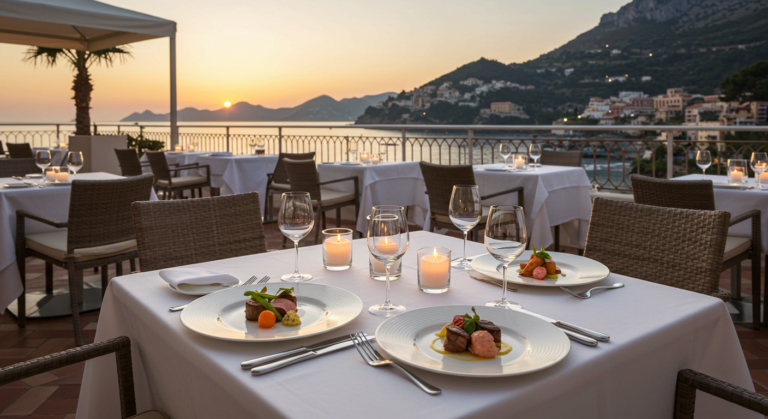
Few regions in the world carry quite this weight of culinary expectation – and fewer still manage to exceed it. Campania is the birthplace of pizza as the world understands it, the spiritual home of the tomato in European cooking, and a place where a grandmother in a village with one street can outperform restaurants with carpeted floors and a sommelier. Understanding where and how to eat here, from the Michelin-starred dining rooms of the Sorrento Peninsula to the legendary pizzerias of Naples and the hidden trattorias of the interior, is what separates a good trip from a genuinely transformative one. This guide to the best restaurants in Campania covers all of it: fine dining, local gems, beach clubs, food markets, essential dishes, and the wines that will make you never want to drink anything else.
Fine Dining in Campania: The Michelin Stars Worth Travelling For
Campania’s fine dining scene is a study in restraint meeting brilliance – chefs who understand that the region’s ingredients are so fundamentally good that the kitchen’s job is partly curatorial. The Michelin Guide has recognised this with considerable enthusiasm.
The most extraordinary story in Campanian fine dining might be Taverna Estia in Brusciano, a small village near Naples that most people drive through without stopping. Which is their loss, spectacularly. This family tavern – inherited from their parents and elevated far beyond anything their parents could reasonably have anticipated – holds two Michelin stars and is run by brothers Mario and Francesco Sposito. Mario works front of house with the kind of warmth that makes you feel like a returning friend rather than a paying customer. Francesco commands the kitchen. Together they have built something that carries a 9.8 out of 10 overall rating on TheFork, with food quality rated 9.6 – numbers that would embarrass restaurants in Paris’s eighth arrondissement. The tasting menus weave Campanian flavours into dishes of real sophistication, and the wine list, running to over a thousand labels including a serious selection of French bottles, is not there for show. Book well in advance. Then book again to be sure.
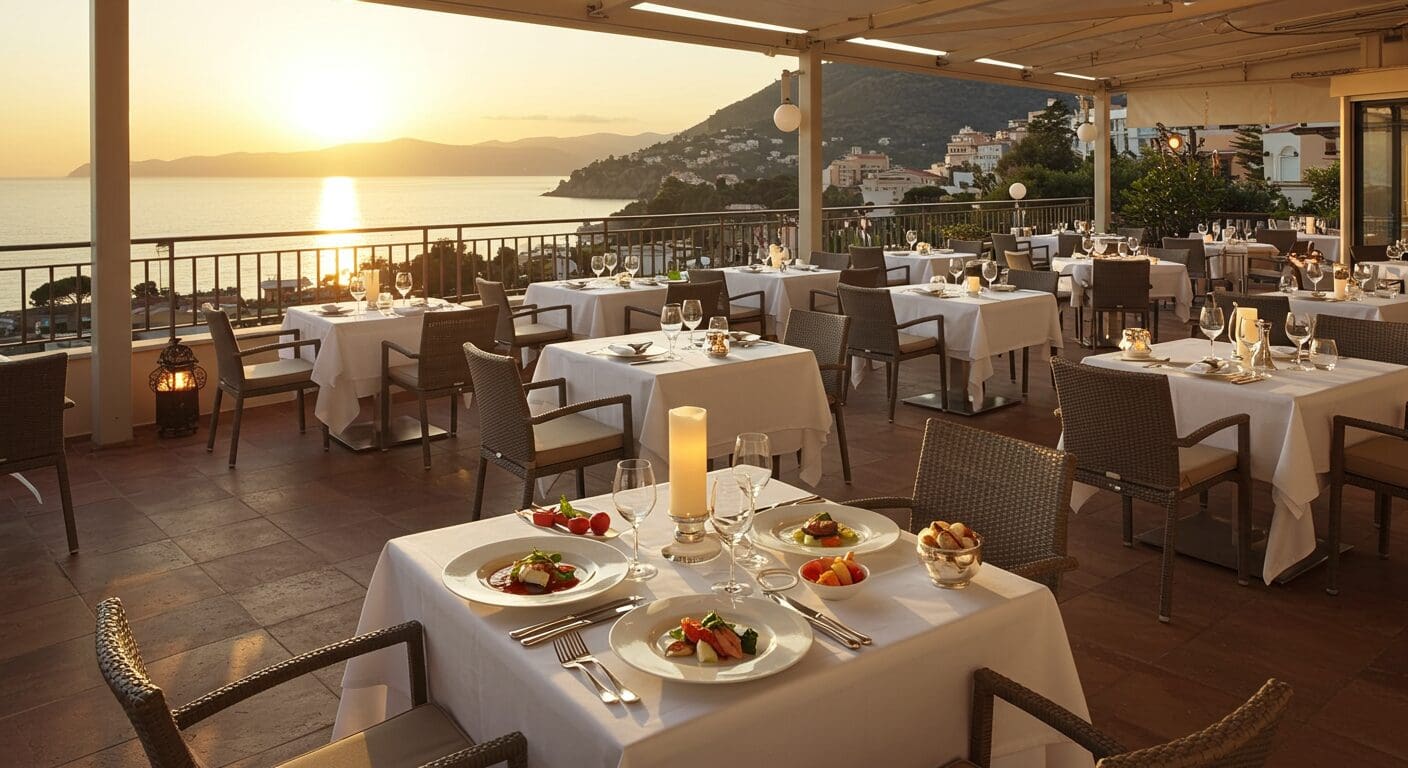
Further south, on the ridge between two gulfs at Sant’Agata sui Due Golfi, Don Alfonso 1890 is the kind of restaurant that makes you believe in the idea of a family carrying something precious across generations. Alfonso and Livia established the restaurant and its reputation; their sons Ernesto and Mario have extended both. The organic kitchen garden at Punta Campanella supplies vegetables that arrive on the plate tasting of actual earth and actual sun – a contrast with those anonymous supermarket specimens so depressing it barely warrants mentioning. The dining room is elegant, the garden enchanting, and the service – rated a perfect 10 out of 10 by TheFork users – is the kind that knows when to appear and, more importantly, when not to. The wine list is legendary by any fair measure. If you eat here and feel nothing, consult a doctor.
The Best Pizzerias in Campania: Where to Find the Real Thing
Let us be clear about something: eating pizza in Campania is not the same activity as eating pizza anywhere else. The crust is different – lighter, with that characteristic char and leopard-spot blistering from a wood-fired oven running at temperatures a domestic kitchen could never achieve. The tomatoes are San Marzano, grown in volcanic soil south of Naples and tasting of somewhere very specific. The mozzarella, ideally, is fior di latte from Agerola or genuine buffalo from Caserta. These are not details. They are everything.
L’Antica Pizzeria da Michele in Naples has been making pizza since 1870, and it has not complicated the matter since. Michele Condurro’s descendants still run it, still observe his rules, and still operate a menu of heroic brevity: margherita or marinara, and the occasional special. The queue outside is a living argument against the idea that people have short attention spans. Once you are in and your pizza arrives – the dough soft and yielding at the centre, the edges risen and blackened just enough – you will understand why a film crew once came here to shoot a scene for a Hollywood film about a woman finding herself. Some truths are universal.
For a rather different experience – one that requires a pilgrimage into the Province of Caserta – Pepe in Grani in the small hilltop town of Caiazzo has been described by global food media as serving the best pizza in the world. Franco Pepe learned his craft from his father and grandfather and then, in 2012, opened a pizzeria in a three-storey stone building that has since become one of Italy’s most-visited culinary destinations. People fly from Tokyo for this. The emphasis on ingredients, on slow methods, on sourcing with genuine conviction, produces pizzas that reward close attention. The views from the upper dining areas are considerable. The queues are real – book ahead, and accept that the journey to Caiazzo is part of the experience.
Local Trattorias, Tavernas & Hidden Gems
The best meals in Campania are frequently the ones that were not planned. The trattoria with the handwritten sign and four tables and a woman at the back who has been making ragù since seven in the morning. The fishing village osteria where the catch determines the menu and the menu is communicated verbally with the speed and confidence of someone who assumes you understand Italian. You do not need to. Nod, accept what arrives, and thank whatever brought you here.
In the Cilento – Campania’s wild southern corner, a UNESCO-protected landscape of mountains, coast, and extraordinary agricultural heritage – the local food culture is stubbornly authentic in the best possible sense. Villages in the Alburni mountains still produce their own salumi, aged cheeses, and a version of the Mediterranean diet so close to its origins that researchers actually study it here. The trattorias of towns like Castellabate and Vallo della Lucania serve dishes that have changed only in small ways across centuries. Pasta e fagioli made with local beans. Slow-braised goat. Fried anchovies from the sea visible through the window. These are not restaurants that make lists. They do not need to.
On the Amalfi Coast and the Sorrento Peninsula, separating genuine local cooking from the tourist-facing approximation of it requires local knowledge or a willingness to walk away from anywhere with a laminated menu in six languages. The hillside villages above the coastal road – Praiano, Furore, Ravello’s back streets – conceal small restaurants serving honest local food at prices that will seem almost implausible given the setting. Ask your villa manager, your driver, the person at the local alimentari. The recommendation that arrives from a real person beats any review aggregator.
Beach Clubs & Casual Dining on the Campanian Coast
The Campanian summer is long and the coast is generous with its beauty, and there is a particular pleasure in eating well without entirely trying. Beach clubs along the Amalfi Coast and around Positano offer lunches that begin at one and end, if the afternoon is going well, somewhere around four. Grilled fish caught that morning. Insalata di mare dressed with lemon and good oil. A bottle of Greco di Tufo sweating in an ice bucket. The sea directly in front of you. This is not a hardship.
The Phlegraean Fields coast north of Naples – less fashionable, considerably more local – has its own rhythm. Pozzuoli’s waterfront restaurants serve seafood that arrived from the water a few hours ago with a directness that the posher establishments further south occasionally forget to maintain. Baia and Bacoli are worth the short drive for their fish restaurants alone, operating with the straightforward confidence of places that do not need to try particularly hard because the product is that good.
On Capri – which technically requires a boat but is close enough to include here – the beach clubs at Marina Piccola have been serving glamorous, expensive lunches to glamorous, expensive people since the 1950s and show no sign of stopping. Go for the spectacle as much as the food, and order the linguine al limone.
Food Markets & Culinary Experiences in Campania
The Mercato di Porta Nolana in Naples is everything a food market should be and several things it probably should not – loud, crowded, occasionally overwhelming, and absolutely magnificent. The fish stalls alone are an education in what the sea contains. The vendors operate at a volume and velocity that suggests they are being paid by the decibel. Go early, bring cash, and be prepared to make decisions quickly.
The market in Salerno’s city centre serves the agricultural abundance of the Sele plain – one of Italy’s most productive agricultural areas – with an honesty that urban food halls tend to approximate rather than achieve. Bufala mozzarella from Battipaglia, cured meats from the Cilento, tomatoes in varieties you will not find elsewhere. Spending an hour here before a long lunch is an extremely good use of time.
For a more structured culinary experience, a number of farms and agriturismi across the region offer cooking classes built around genuine seasonal ingredients – mozzarella-making on the buffalo farms near Caserta, pasta workshops in the countryside around Benevento, guided tastings of the region’s olive oils, which range from mild and grassy to something so peppery it catches the back of the throat in a way that feels, oddly, like a compliment.
What to Order: Essential Dishes of Campania
Pizza margherita and marinara, yes – but also the wider Neapolitan canon, which is considerably richer than the world’s pizza obsession tends to acknowledge. Ragù napoletano – slow-cooked for hours, layered with pork and beef – is a Sunday dish that takes most of Saturday to think about properly. Sartù di riso is a rice timbale of baroque complexity that looks simple and is not. Pasta e patate – pasta with potato, which should not work and absolutely does – is the kind of thing that makes you reconsider what cooking is for.
Seafood along the coast runs from the elegant (grilled sea bream with capers and olives) to the deeply local (impepata di cozze – mussels with black pepper and white wine, eaten with bread and no ceremony). Fried food here – frittura di paranza, a mixed fry of tiny fish – is executed with a lightness that defies the description “fried”. The parmigiana di melanzane has a moral claim to being the world’s greatest vegetable dish. Order it wherever you see it.
For dessert: pastiera napoletana at Easter, sfogliatella at any hour, and delizia al limone on the Amalfi Coast – a dome of lemon cream and sponge that tastes precisely and only of where you are.
Wine, Local Drinks & What to Order at the Table
Campania’s vineyards are some of Italy’s most interesting and least understood, which is the wine world’s problem, not Campania’s. The region’s ancient grape varieties – Aglianico, Fiano, Greco, Falanghina, Piedirosso – survived phylloxera in some areas and are now producing wines of genuine complexity and character that serious collectors are beginning to notice with some urgency.
Taurasi, made from Aglianico in the hills of Avellino province, is the region’s flagship red – structured, tannic, capable of ageing for decades, and a perfect companion to the slow-cooked meat dishes of the interior. Greco di Tufo and Fiano di Avellino are the region’s great whites: mineral, aromatic, with a depth that most Italian whites never achieve. Falanghina, lighter and more approachable, is the wine you drink with the mussels and the fried fish.
Locally produced limoncello – made with Amalfi lemons that carry IGP status for a reason – is drunk ice-cold and properly, at the end of a meal, not mixed into anything. Amaro varieties from the Cilento use local herbs in combinations that taste ancient because they are. And if you find yourself in Naples in the morning, a caffè at a stand-up bar costs less than a euro and tastes better than most things that cost significantly more. This is perhaps the most important restaurant tip in this entire guide.
Reservation Tips & How to Eat Well in Campania
For Taverna Estia and Don Alfonso 1890, book as far in advance as possible – weeks, not days, particularly in high season. Both maintain English-language booking options and Don Alfonso can be reached directly through their website. Pepe in Grani in Caiazzo is similarly booked out well in advance; their online reservation system is the safest route. L’Antica Pizzeria da Michele in Naples does not take reservations at all. You queue. The queue is the reservation system. It works.
For smaller trattorias and local restaurants, a call on the day – or asking your villa or hotel to call on your behalf – is often sufficient and usually more effective than any online platform. Many of the region’s best smaller restaurants have minimal digital presence not because they are behind the times but because they have never needed it.
Lunch in Campania is serious. The midday meal is not a sandwich eaten at pace but a proper, considered affair that can last two to three hours in the right company. Adjust your schedule accordingly – you were not going to do much between two and four anyway, and the afternoon light will still be there when you emerge.
Finally: dress appropriately for fine dining establishments, particularly Don Alfonso 1890, where the elegance of the setting invites a certain effort. Everywhere else, Campania is relaxed in its standards – which is not the same as having none.
Stay in a Luxury Villa in Campania – and Eat Exceptionally Well at Home
Campania’s restaurant scene is extraordinary, but some evenings the most satisfying meal is the one served at your own table, on your own terrace, with the bay spread out below you and no reservation required. Staying in a luxury villa in Campania opens up the private chef option – a professional who arrives with knowledge of local markets, seasonal ingredients, and the ability to produce a dinner that competes seriously with anything you have eaten in a restaurant this week. It is, it should be said, an extremely civilised arrangement.
For everything you need to plan your time in the region – from beaches to culture to transport – the full Campania Travel Guide has you covered.