
Best Restaurants in Hammersmith: Fine Dining, Local Gems & Where to Eat
There are parts of London that wear their culinary identity like a badge – Soho with its relentless theatre, Mayfair with its studied formality, Borough Market with its competitive cheese enthusiasm. Hammersmith does something different. It feeds you well without making a fuss about it. The restaurants here have the confidence of a neighbourhood that knows it doesn’t need to shout: a riverside stretch that holds its own against flashier postcodes, a high street that quietly hides some of the most interesting dining in West London, and a local crowd that actually knows what it’s eating. The best restaurants in Hammersmith operate on the understanding that good food and good atmosphere are not mutually exclusive with affordability – and that conviction, more than any single dish, is what makes this corner of W6 worth knowing.
The Fine Dining Scene: Ambition by the Thames
Hammersmith is not, to be direct about it, the address that springs to mind when someone says “Michelin star.” That honour tends to migrate towards Chelsea and Knightsbridge, where the property prices seem to demand culinary validation. But fine dining in Hammersmith operates on its own terms – and those terms are rather more interesting than a rosette count might suggest.
The River Café on Thames Wharf is the obvious starting point, and also the correct one. It has held a Michelin star for years and earned it in the most straightforward way possible: by doing Italian food with an almost moral commitment to quality. Founded by Rose Gray and Ruth Rogers, it pioneered the kind of ingredient-led Italian cooking that London now takes for granted but absolutely did not in 1987. The wood-fired oven is the spiritual centre of the room. The pasta is made daily. The seasonal menu shifts with genuine intention rather than marketing instinct. It is, in the best possible way, a restaurant that has nothing left to prove – and behaves accordingly.
Dinner here is an event. Lunch is, if anything, better – the light off the Thames comes through the floor-to-ceiling windows in a way that makes even a simple plate of grilled fish feel ceremonial. Book well in advance. The River Café does not have a casual relationship with availability.
Beyond The River Café, the fine dining conversation in Hammersmith includes a handful of smaller venues with serious kitchens – places where the chef is almost certainly in the building and the menu has been thought about rather than assembled. Look for tasting menus that reflect the season, wine lists with genuine curation rather than margin management, and service that is warm without being theatrical. They exist here. They are worth finding.
Local Trattorias, Bistros and the Art of the Regular
The real texture of eating in Hammersmith is found not in the restaurants with press coverage but in the ones with regulars. Every good neighbourhood has them – the Italian trattoria where the owner remembers what you drink, the French bistro where the steak frites arrives without ceremony and tastes all the better for it, the Persian restaurant that has been there for twenty years and shows absolutely no signs of modernising the menu. Hammersmith has all of these.
The stretch around King Street and the streets feeding off it reward slow walking. You will pass places that look unremarkable from the outside and turn out, on investigation, to have menus of quiet intelligence. Italian cooking features strongly in this part of West London – the kind with a regional focus rather than a generic one, where the pasta shape matters and the wine list has at least one producer you haven’t encountered before.
Persian and Middle Eastern dining also has a strong presence here, reflecting the neighbourhood’s demographic breadth. These are not fusion exercises or trend-chasing approximations – they are the real thing, often family-run, almost always generous with portion size, and reliably excellent on flatbreads alone. If you find yourself at a table with a basket of fresh-baked bread and a bowl of herb salad before you’ve ordered anything, you are probably in the right place.
The bistro tradition – properly French, properly indulgent – shows up intermittently along the riverside. These are the places for long lunches that begin with a glass of something white and end with no particular urgency. The food is rarely surprising. It is not trying to be. There is considerable honour in cooking a calf’s liver correctly, and the better bistros here understand that.
Riverside Dining and Casual Waterside Eats
The Thames towpath between Hammersmith Bridge and Chiswick is one of London’s quieter pleasures – particularly on a weekday morning when the tourist coaches have committed themselves elsewhere. It is also, helpfully, lined with places to eat and drink.
Riverside dining in Hammersmith ranges from proper restaurants with outdoor terraces and serious wine lists to pubs that have invested in their kitchens and now serve food that justifiably outperforms their exterior signage. The latter category is underrated. Several of the riverside pubs here have chefs who have worked in notably better-known London restaurants and are now, apparently, prioritising quality of life over column inches. Their gain, and yours.
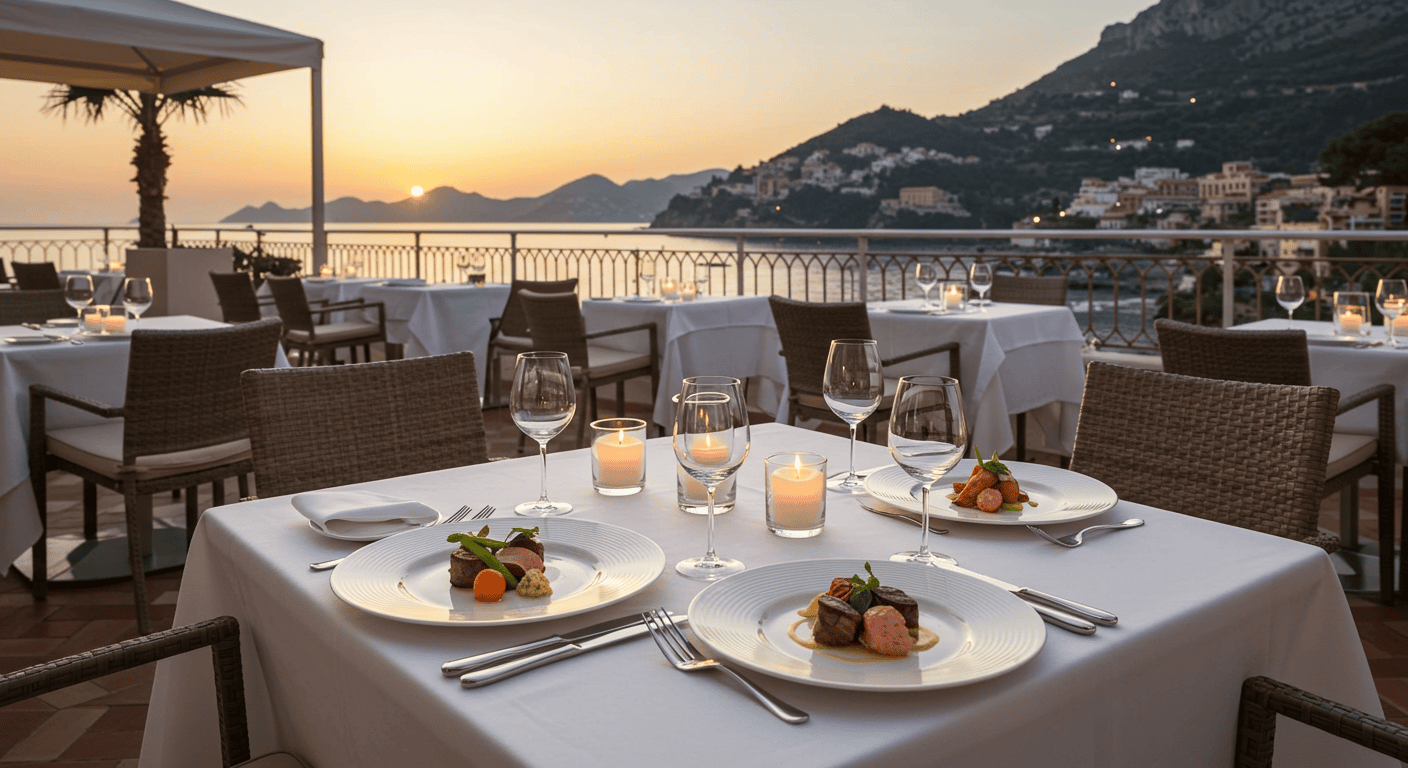
In warmer months, the outdoor terraces along the towpath fill early. The view across to the south bank, particularly at dusk, is the kind of thing that makes Londoners quietly competitive about living here. The food on these terraces varies – some is genuinely good, some is there to give you something to do with your hands while you look at the river. The distinction is worth making before you sit down. A good rule: if the menu is laminated and the kitchen is clearly visible through a hatch, adjust expectations accordingly. If there’s a handwritten specials board, relax.
For a more structured outdoor dining experience, The River Café’s terrace in summer is exceptional. Elsewhere along the waterfront, the better gastropubs provide an honest middle ground – proper cooking, riverside air, and the mild satisfaction of knowing that someone three postcodes east paid considerably more for a worse view.
Hidden Gems: Where the Locals Actually Eat
Ask a Hammersmith resident where they actually eat on a Tuesday night – not for a special occasion, not to impress anyone, just genuinely – and the answer will rarely involve the places on the first page of a search result. It will involve a small room somewhere off the main drag, a menu they have memorised through repetition, and an owner who knows their order.
The hidden gems in Hammersmith tend to cluster around the residential streets north of King Street and in the quieter sections of the Fulham Palace Road end. Lebanese and Persian restaurants here are among the city’s best-kept secrets – the meze spreads are extraordinary, the grilled meats cooked with a lightness of touch that is genuinely difficult to achieve, and the prices are a gentle corrective to any assumptions about London dining costs.
Japanese cooking appears here too, in small and unassuming rooms that do one thing at a very high level – whether that is ramen with proper broth depth, or a small omakase counter that books out weeks in advance and feels like a reward for knowing it exists. These are not restaurants that advertise themselves aggressively. They rely on their food doing that work. It does.
The best approach to finding Hammersmith’s hidden dining layer is local recommendation, a willingness to ignore aesthetics on the outside, and an understanding that ‘quiet’ and ‘good’ are not incompatible qualities in a restaurant. Some of the most precise cooking in this neighbourhood arrives without fanfare, on plain plates, in rooms with perfectly fine lighting. The absence of Instagram-readiness is frequently a positive indicator.
Food Markets and Artisan Provisions
Hammersmith is not a market neighbourhood in the way that Brixton or Broadway Market have become cultural destinations in themselves. What it offers instead is something rather more useful: a collection of independent food shops, delis, and occasional market stalls that serve the community rather than the weekend visitor.
The provisions culture here reflects the area’s demographic intelligence – there are good cheesemongers, Italian delis with the sort of cured meat selection that makes an impromptu picnic a very serious proposition, and bakeries that take bread as a genuine craft. The Saturday morning circuit of food shopping in Hammersmith – coffee from a good independent, bread from a baker who knows what they’re doing, olives from somewhere that sources with intent – is a small but repeatable pleasure.
Chiswick is close enough to walk or cycle to, and its farmers’ market is worth the modest effort – particularly for seasonal produce, artisan cheese, and the kind of heritage tomatoes that remind you tomatoes have a point. Combine a Chiswick market morning with a riverside lunch and you have a day that requires no further justification.
For self-catering luxury travellers, the combination of Hammersmith’s independent food shops and a well-stocked private kitchen is one of the destination’s underappreciated advantages. The raw ingredients available here – from good fishmongers to serious cheese selections – are the kind that reward a private chef’s attention.
What to Order: Dishes, Wine and What to Drink
At The River Café, the answer to “what should I order” is straightforward: whatever the kitchen is most excited about today. In practice, that often means pasta – specifically the hand-rolled variety that arrives with a simplicity that disguises considerable technique. The tagliatelle with ragù and the pappardelle with slow-cooked meat are recurring touchstones. The Brixham crab bruschetta, when available, is the kind of starter that makes the rest of the menu feel like it has something to live up to. The wood-roasted fish – turbot, sea bass, whatever the market dictated that morning – cooked in the wood oven with olive oil and herbs, is a lesson in the power of restraint.
At the Persian and Middle Eastern restaurants, order the lamb. Always the lamb. Whether it arrives as a slow-cooked shank over saffron rice, as grilled koobideh with fresh herbs and flatbread, or as a stew with dried limes and fenugreek, the lamb in these restaurants reflects a culinary tradition that understands the ingredient at a level that would make a Michelin inspector quietly envious. The pomegranate-based dishes – fesenjan particularly, if it appears – are deeply satisfying and unlike almost anything else available in London dining at this price point.
Wine in Hammersmith reflects the neighbourhood’s Italian leaning – northern Italian whites (Verdicchio, Vermentino, a good Soave) feature on lists at multiple restaurants and pair well with the kind of ingredient-focused cooking the area favours. The River Café’s wine list has long been considered one of London’s best for Italian producers, with particular strength in natural and low-intervention wines before that became a marketing category.
For aperitivo, a Negroni is always the correct answer. Several of Hammersmith’s better bars understand this. Some even make them properly – with the ratio that actually works, in a glass that holds ice correctly, with an orange expression not a garnish. It is a lower bar than it should be in 2024, but clearing it remains a genuine pleasure.
Reservation Tips and When to Visit
The River Café requires advance planning. This is not an exaggeration for effect – it books out weeks ahead for dinner and considerably in advance for weekend lunch. Book as early as possible, check for cancellations, and if you do manage to secure a table, treat the confirmation email with appropriate respect.
For the neighbourhood’s smaller restaurants – the trattorias, the Persian spots, the Japanese counter operations – the booking culture is more forgiving but worth engaging with nonetheless. A Tuesday or Wednesday dinner is almost always more relaxed than a Friday or Saturday, and frequently better served, since the kitchen is working at capacity rather than at volume.
Lunch, across the board, is underrated. In Hammersmith specifically, lunch at a riverside restaurant or a good neighbourhood bistro on a weekday offers a quality-to-availability ratio that dinner cannot match. The city’s office lunch culture means competition for tables is lower, service is less stretched, and you can, if you choose, sit longer without the guilt that a busy Friday evening creates. This is not a niche observation. It is practical advice.
Summer evenings on the riverside terraces require booking or early arrival. There is no middle ground. The light on the Thames at 7pm in July is the kind of natural phenomenon that makes Londoners briefly believe they live somewhere Mediterranean. The restaurants know this. Plan accordingly.
Staying Well: The Private Chef Advantage
For travellers who want to combine Hammersmith’s exceptional food culture with the privacy and space of a fully serviced property, staying in a luxury villa in Hammersmith opens a dimension that no restaurant – however good – can quite replicate. A private chef option means those extraordinary raw ingredients available from the neighbourhood’s independent food shops and markets arrive in your kitchen and leave as something considerably better than you’d manage yourself. It is, when you think about it, the most direct possible route between Hammersmith’s food culture and your table.
For more on what makes this neighbourhood worth your time – beyond the food – the Hammersmith Travel Guide covers the full picture: riverside walks, cultural venues, transport connections, and the particular atmosphere of a West London neighbourhood that has never quite needed your approval but will absolutely reward your attention.

