
Best Restaurants in Ko Samui: Fine Dining, Local Gems & Where to Eat
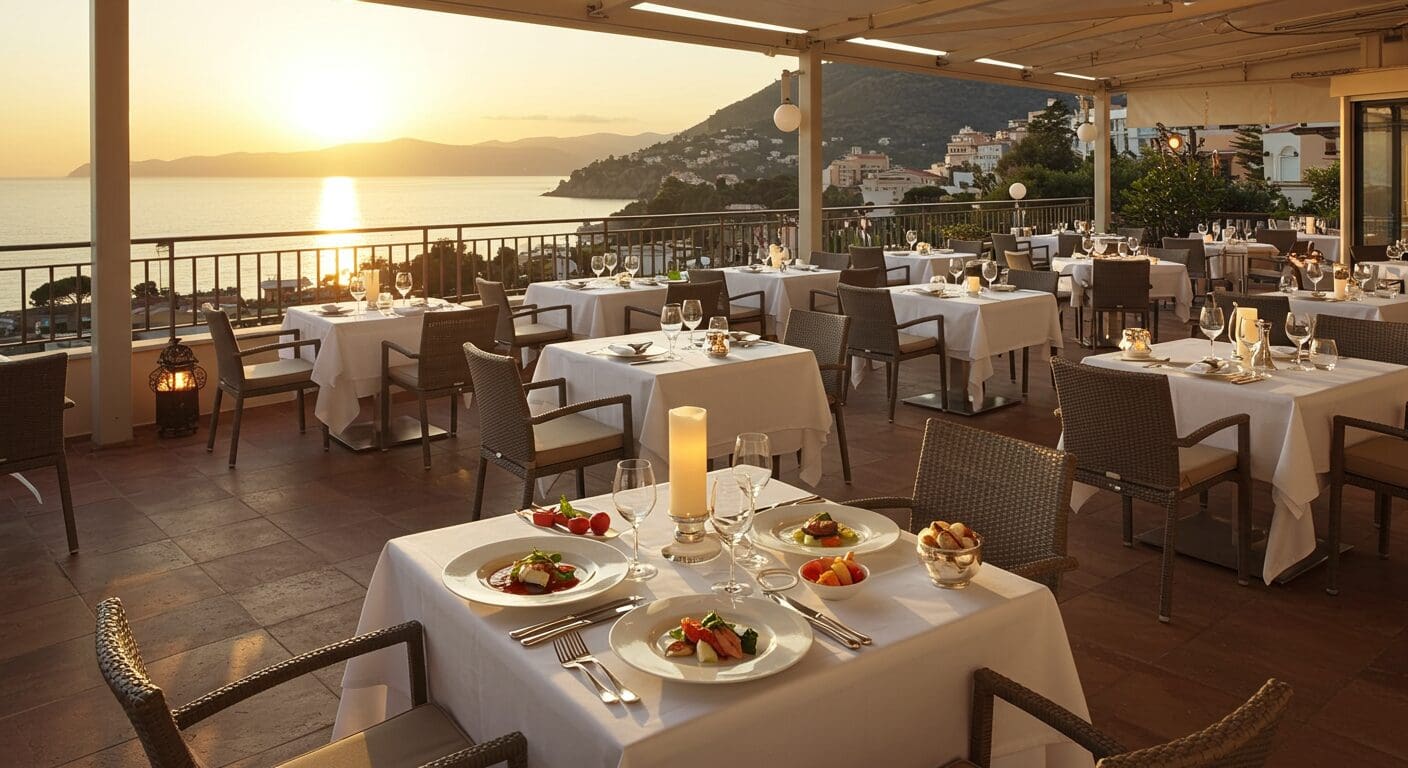
It is seven in the evening, the Gulf of Thailand has gone the colour of hammered copper, and you are sitting at a table with a view that makes you briefly question every life decision that delayed you from being here sooner. A cold Singha arrives without being asked. The menu in your hands features a fish that was in the sea this morning. Somewhere below, waves are doing what waves do, completely indifferent to your contentment. This is Ko Samui at the table – an island that has somehow managed to build a restaurant scene worthy of serious attention without ever quite losing the salt-air ease that made people fall for it in the first place.
The eating here is genuinely extraordinary once you look past the beach clubs playing the same four songs and the Thai-fusion menus designed for people who find coriander adventurous. Ko Samui has Michelin recognition, award-winning sky dining, a thriving local food market culture, and a handful of quietly brilliant chef-led restaurants that deserve far more column inches than they get. This guide covers all of it – from where to eat when money is no object to where to eat when you want the most honest bowl of food on the island. Consider it your table map.
The Fine Dining Scene: Ko Samui’s Best Restaurants for Special Occasions
Ko Samui’s fine dining landscape has matured considerably. Where once the island’s most ambitious tables were found only inside five-star resort compounds, there is now a more nuanced scene – one that rewards the traveller willing to venture beyond their pool terrace. That said, some of the best restaurants in Ko Samui are indeed inside those compounds, and pretending otherwise would be wilfully perverse.
Dining on the Rocks at Six Senses Samui is the restaurant most Ko Samui regulars mention first, and they are not wrong to do so. Set on a headland at Bophut on the island’s north coast, the restaurant spans ten terraced decks of weathered teak and bamboo, each one cantilevered over the water at a slightly different angle, which means that every table gets a 270-degree sweep of the Gulf of Thailand without feeling like they are sharing a viewing platform. The cuisine is modern and sustainable, pulling from organic local sourcing and international pantries in equal measure. The kitchen has a lightness of touch that matches the setting – you are not fighting through heavy sauces here. Sunset, as you might expect, is transformative. Book well in advance and request a deck facing west. The restaurant will know what you mean.
Tree Tops Sky Dining and Bar at Anantara Lawana Resort in Chaweng offers something categorically different: dinner suspended in the canopy of a 120-year-old tree. The restaurant’s eight private salas sit high among the branches, each one enclosed enough to feel intimate while open enough to catch the evening breeze. The eight-course menu is a serious affair – scallops smoked over charcoal with kaffir lime, braised chicken breast with citrus, pistachio crumble, thyme jus and honey-roasted beets, and wine pairings drawn from a cellar of more than 170 vintages. Thailand Tatler has taken notice. TripAdvisor’s Best of the Best lists have taken notice. The tree, for its part, remains unmoved by the accolades. It has been there rather longer than any of us.
Kapi Sator: Ko Samui’s Michelin Bib Gourmand
If fine dining conjures images of white tablecloths and hushed reverence, Kapi Sator is the corrective. The restaurant holds a Michelin Bib Gourmand in the 2025 MICHELIN Guide Thailand – an award that recognises exceptional cooking at accessible prices rather than theatrical presentation. What it means in practice is that this is one of the most important meals you will eat in Ko Samui, in a setting that demands nothing of you except a willingness to be surprised.
The kitchen specialises in authentic Southern Thai food – a regional cuisine with deeper, fiercer spicing than the central Thai dishes most visitors encounter. This is not the coconut-milk-softened gentleness of a tourist-facing menu. Southern Thai cooking uses fermented shrimp paste, wild herbs, and heat levels that mean business. The daily fish menu changes with the catch, which is the kind of phrase restaurants use performatively and Kapi Sator actually means. If the deep-fried whole pomfret topped with spicy Southern Thai curry is available on the evening you visit, order it without hesitation. It is the kind of dish that quietly reorganises your understanding of what Thai food can be. Located in the Bo Phut and Chaweng area, this is one destination worth building an evening around rather than fitting in opportunistically.
Local Gems and Chef-Led Dining: Where Ko Samui Gets Personal
Not every great meal on Ko Samui announces itself loudly. Some of the island’s most rewarding restaurants are the ones that have built loyal followings through consistency, craft, and the particular alchemy of a chef who cooks what they actually love rather than what they think a tourist expects.
2 Fishes Koh Samui, a short walk from the quietly charming Fisherman’s Village at Bophut, is exactly this kind of place. Chef Leandro brings an Italian culinary heritage to Ko Samui’s local seafood bounty and the results are genuinely elegant – handmade pasta, premium imported ingredients, local catch prepared with Mediterranean precision rather than tropical afterthought. This is elevated Italian dining in a relaxed beachfront setting that manages the difficult trick of feeling special without feeling stiff. If you are looking for a beautiful evening for two rather than a group spectacle, 2 Fishes earns its reputation quietly and completely. The location near Fisherman’s Village means you can walk along the waterfront beforehand, which is one of the more pleasant pre-dinner rituals the island offers.
Beyond these named tables, Ko Samui has a growing number of small, independently run restaurants – mostly concentrated around Bo Phut, the quieter Mae Nam coast, and the lanes behind Chaweng – where local chefs are cooking with skill and imagination for a fraction of what the resort restaurants charge. The principle of wandering until something looks right applies here. If the plastic chairs are full of locals, sit down.
Beach Clubs and Casual Dining: Eating Well Without the Theatre
Ko Samui’s beach club scene is, to be candid, a mixed bag. There are establishments where the food is clearly secondary to the day bed situation and the music policy, and there are those that take both the kitchen and the view seriously. The distinction matters when you are deciding how to spend a long afternoon.
The north and northeast coasts – particularly around Bo Phut and Mae Nam – tend towards a more relaxed beach dining culture than the more developed Chaweng strip on the east coast. You will find open-sided restaurants where the tables are in the sand, the seafood was swimming recently, and nobody is trying to sell you a bottle service package. Grilled whole fish with green mango salad, pad thai made to order rather than reheated, fresh papaya som tam – these are the things to order at a good casual beachside table, and Ko Samui does all of them well when the kitchen is paying attention.
For a more curated experience with a serious cocktail list and a kitchen that pulls its weight, several of the island’s luxury properties open their beach and pool dining to outside guests. Worth investigating if you want the setting without the room rate.
Food Markets: Where Ko Samui Eats on Its Own Terms
If you want to understand how Ko Samui actually feeds itself, the markets are where to start. The Fisherman’s Village Walking Street in Bo Phut operates on Friday evenings and is genuinely worth attending – not in a obligatory tourist-ticking way, but because the food is excellent and the atmosphere is local in a way that the polished restaurant corridor of Chaweng simply is not. Vendors sell pad kra pao, grilled satay, fresh-rolled spring rolls, sticky rice with mango, and a rotating cast of dishes that changes week to week depending on who has turned up and what they felt like cooking.
The Nathon market on the quieter west coast and the morning markets scattered around Mae Nam and the ring road are less curated and more honest still. These are where Ko Samui residents eat breakfast – rice soup with poached egg, fried dough with condensed milk, fresh-cut fruit sold in bags from the back of motorcycles. Not every meal needs a table.
What to Drink: Wine, Cocktails and the Case for Fresh Coconut
Thailand is not a wine country, and Ko Samui’s wine lists reflect the logistics of importing good bottles to a tropical island with enthusiasm of varying quality. That said, restaurants like Tree Tops have invested in serious cellars – 170-plus vintages is not something to dismiss – and the better fine dining tables on the island will have sommeliers who know their lists and are not simply pointing you at the most expensive white. New World whites with some weight – good Burgundy if the budget allows, a serious Alsatian Riesling if the kitchen is running Thai – tend to work best with the food.
For casual dining, the choices are easier and more honest. Singha and Chang are the local beers, both cold and perfectly suited to spicy food. Cocktails at the beach clubs range from inspired to unserious depending on the establishment. Fresh coconut water drunk from the coconut on a hot afternoon is one of those things that sounds like a travel cliché until you are actually doing it, at which point it becomes the only sensible option available. For something more sophisticated without the alcohol, fresh-pressed juices of tamarind, roselle and guava are worth seeking out at the markets and smarter casual restaurants.
Reservation Tips and Practical Advice
A few things worth knowing before you start planning your Ko Samui restaurant itinerary. Dining on the Rocks and Tree Tops Sky Dining both require advance reservations – sometimes significantly in advance during high season between December and April. The eight private salas at Tree Tops mean availability is limited by design, and nobody will hold a table indefinitely on the strength of good intentions. Book early, confirm closer to the date, and if you want a specific table position or deck level, say so when you book rather than hoping on arrival.
Kapi Sator, as a Michelin Bib Gourmand, has developed a following that means walk-ins during busy evenings can be optimistic. A reservation is advisable. 2 Fishes at Fisherman’s Village is worth booking for sunset dinner slots in particular, when the light across the water is at its best and competition for tables is at its highest.
Most restaurants operate dinner service from around six or six-thirty in the evening. Arriving at seven-thirty gives you the best of the light without the slightly frantic early rush. For market visits, Friday evening at Bo Phut’s Fisherman’s Village is the most rewarding option for visitors – it starts late afternoon and winds down by nine or ten. Wear comfortable shoes. The cobblestones have opinions.
A Final Word on Eating in Ko Samui
The best restaurants in Ko Samui – from fine dining, to local gems, to beach-side casual tables – share a quality that is harder to manufacture than a good menu: they suit the island. Ko Samui has a particular quality of light in the evenings, a warmth that is not just temperature, and a pace that resists urgency. The best meals here play to all of that. You are not rushing to make a theatre curtain or impress a client. You are watching the sky change colour over warm water with something genuinely delicious in front of you.
That, when it comes down to it, is the point.
To experience Ko Samui’s food scene at its most considered, staying in a luxury villa in Ko Samui opens up the additional option of a private chef – someone who can source from the local markets, cook authentic Southern Thai dishes or something international entirely, and bring the restaurant experience to your own terrace with a view you will not be sharing with anyone else. For everything else the island offers, the Ko Samui Travel Guide covers the full picture.

