Best Beaches in Metropolitan City of Venice: Hidden Coves, Beach Clubs & Coastal Secrets
Best Beaches in Metropolitan City of Venice: Hidden Coves, Beach Clubs & Coastal Secrets
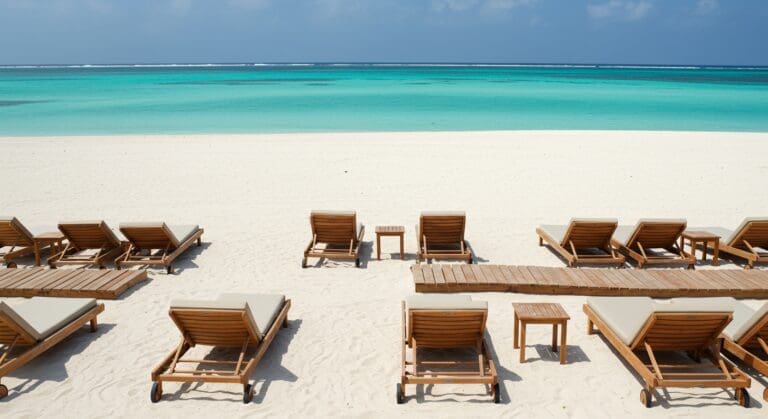
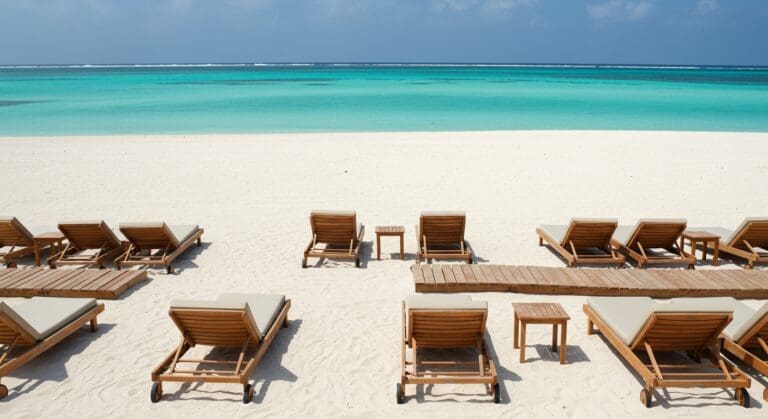
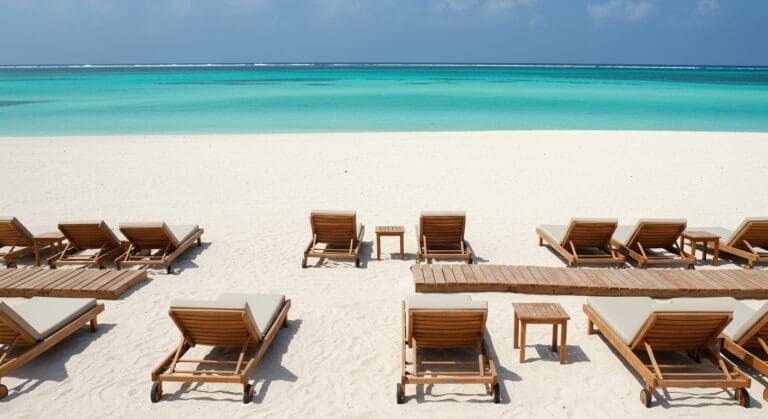
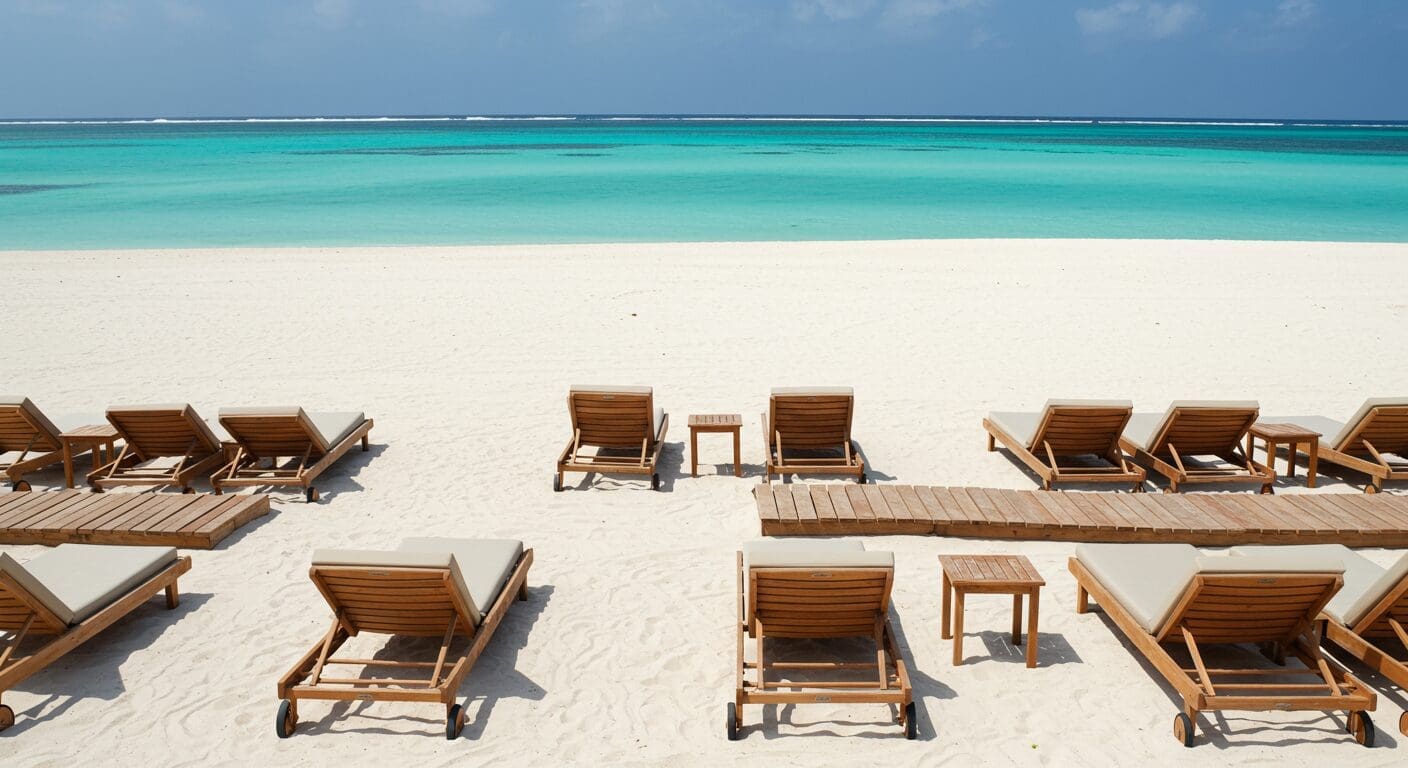
Come in late September, when the summer crowds have retreated and the Adriatic light turns the colour of old amber. The water is still warm enough to swim – genuinely warm, not the kind of warm people claim through gritted teeth – and the beach clubs have thinned out from shoulder-to-shoulder to something approaching civilised. The lagoon takes on a particular quality in early autumn: glassy, almost theatrical, the kind of light that makes everything look slightly too beautiful to be real. This is when the Metropolitan City of Venice makes its most persuasive case as a coastal destination, rather than simply the backdrop for everyone else’s Instagram. Because yes, Venice has beaches. Proper ones. And the best beaches in the Metropolitan City of Venice are considerably more varied, more beautiful, and more rewarding than most visitors ever discover – largely because most visitors are too busy getting lost between San Marco and a mediocre plate of pasta to bother looking.
Understanding the Coastline: What You’re Actually Working With
The Metropolitan City of Venice isn’t a single strip of sand with a convenient car park. It’s a complex, layered coastal territory that runs from the barrier islands of the Venetian lagoon – Lido, Pellestrina – out to the mainland resort towns of the northern Adriatic shore, including Jesolo, Caorle, and Bibione. Each has its own personality, its own clientele, its own unspoken dress code. Some are grand and slightly faded, in the way that grand things in this part of Italy tend to be. Some are bracingly local, the kind of places where the beach attendant has known every family by name for thirty years. A few are genuinely secret – or as secret as anything gets in a region that has been drawing visitors since the Renaissance.
Water quality throughout the area is generally excellent. The northern Adriatic is monitored rigorously under EU bathing water directives, and most beaches in the metropolitan area hold Excellent or Good classifications. The sea here is shallow and warm by Italian standards, which makes it particularly well-suited to families and to the kind of leisurely swimming that is less about exercise and more about simply existing in saltwater with a cold Aperol Spritz within reach.
Access varies enormously. Lido is a ten-minute vaporetto from Venice; Jesolo requires either a car or a combination of bus and ferry that tests the patience of even the most relaxed traveller. If you’re staying in a luxury villa in the Metropolitan City of Venice, you’ll find that the best beaches are considerably more accessible than they appear on a map – many villas in the mainland and coastal zones sit within minutes of the water.
Lido di Venezia: The Grand Dame of Venetian Beaches
There is something quietly surreal about taking a boat to a beach. The Lido has been doing this to visitors for well over a century, and it hasn’t lost the trick of it. Step off the vaporetto at Santa Maria Elisabetta and within minutes you are on a wide, handsome seafront of Liberty-style hotels, faded grandeur, and long golden sand that stretches in both directions with the confidence of somewhere that has always known it was special.
The Lido’s public beaches are free and accessible along the Gran Viale, but for the full experience – and for the kind of comfort that makes a beach day feel like an event rather than an expedition – the private stabilimenti (beach concessions) are worth every euro. The most established names here have been providing sunbeds, changing rooms, and umbrella service since the early twentieth century. The Bagni Alberoni, at the quieter southern tip of the island, attracts a more discerning crowd – fewer families with inflatable flamingos, more people who have actually read the book they brought.
The Lido is best for: atmosphere, history, easy access from Venice, and the particular pleasure of swimming in the Adriatic with a Bellini waiting for you on the other side. It’s also the venue for the Venice Film Festival each September, which explains the sudden appearance of extremely well-dressed people on the beach who seem oddly reluctant to get their hair wet.
Parking on the Lido is possible but not always straightforward in peak season. The vaporetto from Piazzale Roma or the Fondamente Nove is almost always the smarter option. Bicycles are available for hire on the island itself and are by far the best way to explore its length.
Pellestrina: The Beach Almost No One Finds
Between the Lido and the town of Chioggia lies a thin strip of land that most visitors to Venice never visit, despite the fact that it is one of the most quietly extraordinary places in the entire lagoon. Pellestrina is barely three hundred metres wide at its broadest point – the Adriatic on one side, the lagoon on the other – and its fishing communities have a self-contained, unhurried quality that feels entirely removed from the tourist machinery of the main city.
The beaches here are wild by local standards: long, uncrowded, backed by the massive stone murazzi sea walls that the Venetian Republic built in the eighteenth century to protect the lagoon from the open sea. There are no beach clubs of note, no sunbed services, and the facilities are minimal. This is, depending on your disposition, either a significant drawback or the entire point.
Water quality is excellent – among the cleanest in the area – and the sense of solitude is remarkable for somewhere technically within the metropolitan city of Venice. Getting here requires taking a vaporetto to Pellestrina from the southern Lido, followed by a short journey along the island. The effort filters out the casual visitor efficiently. Those who make it tend to return.
Best for: solitude, natural beauty, swimmers who prefer their beaches without a soundtrack. Not recommended for anyone who needs a beach bar within eyeline at all times. You know who you are.
Jesolo: Family Beaches & Full-Service Comfort
Jesolo is where the Metropolitan City of Venice does beach holidays at scale, and it does them with considerable competence. The resort stretches for roughly fifteen kilometres of organised, serviced beach – one of the longest continuous stretches of managed coastline in northern Italy. The stabilimenti here are well-run, well-equipped, and accustomed to the full range of human requirements from dawn to dusk: sunbeds, changing facilities, children’s play areas, water sports rental, and restaurants that reliably produce decent food without requiring advance planning.
For families, Jesolo is arguably the most practical base in the region. The sea is shallow for a long way out – genuinely paddling-depth for young children across a wide zone – and the water quality is excellent. The town itself has expanded considerably over the past thirty years and is not, it must be said, architecturally distinguished. But the beach is the thing, and the beach delivers.
Water sports are well catered for: windsurfing, kitesurfing, stand-up paddleboarding, and jet skiing are all available through multiple operators along the front. The northern section of the Jesolo coastline, towards Cortellazzo, is favoured by windsurfers and kitesurfers for its more consistent breezes and slightly less crowded water.
Access: Jesolo is approximately forty-five minutes by car from Venice, or reachable via bus from Piazzale Roma combined with a ferry crossing. Parking is plentiful and reasonably priced outside of the peak August fortnight, when the concept of plentiful parking becomes theoretical.
Caorle: Character, History & Underrated Charm
Caorle occupies a particular place in the geography of Italian beach towns: genuinely old, genuinely pretty, and genuinely still used primarily by Italians rather than international tourists. The old town – with its cylindrical cathedral bell tower rising above the coloured fishermen’s houses along the waterfront – has been there since the fifth century, which gives the beach a historical backdrop that Jesolo, for all its amenities, simply cannot compete with.
The beaches at Caorle divide between the main Spiaggia di Levante and Spiaggia di Ponente, on either side of the historic centre, and the wilder pineta-backed shore further along the coast at Porto Santa Margherita. The beach clubs here are well established without being particularly chi-chi – the emphasis is on good service, comfortable sunbeds, and cold drinks rather than on aspirational design or celebrity-adjacent positioning.
The town comes into its own in June, when the Sculture di Sabbia – an international sand sculpture competition – transforms the beach into an open-air gallery of temporary, improbable art. It is one of those local events that rewards the visitor who stumbles upon it without expectation, and it runs for several weeks into the summer.
For dining after the beach, Caorle has a strong local seafood tradition. The restaurants along the waterfront serve Adriatic fish with the directness and confidence of a place that knows exactly where its ingredients come from. It is not the place for experimental gastronomy – for that, you have Venice itself, where Glam Enrico Bartolini at Palazzo Venart holds two Michelin stars and serves tasting menus of considerable sophistication. But after a long day at the beach, a plate of perfectly grilled branzino in Caorle is its own kind of perfection.
Bibione: The Long, Clean Shore at the Region’s Edge
At the eastern edge of the Metropolitan City of Venice, Bibione is one of Italy’s most decorated beach resorts in the literal sense: it has held Blue Flag status consistently for decades, and its water quality and beach management are genuinely exemplary. The beach is wide, the sand is fine, and the pine forest that backs much of the resort provides both shade and a pleasant, slightly resinous scent on hot afternoons.
Bibione is popular with German and Austrian visitors, which has certain practical implications for the traveller: excellent organisation, good infrastructure, and a noticeable emphasis on cycling. The resort has an extensive network of cycle paths connecting its various sectors, and the thermal spa – Bibione Thermae – offers a slightly unexpected dimension to a beach holiday that most visitors don’t anticipate until they’ve tried it.
The beach itself is serviced by a large number of stabilimenti offering the full range of facilities. The quieter sections towards Lido dei Pini reward those willing to walk fifteen minutes from the main resort core. Water sports are well represented, with a particular strength in sailing and kitesurfing towards the Bibione Pineda area where wind conditions are more reliable.
The Beach Club Experience: Where to Go for Style
The concept of the Italian beach club – the stabilimento balneare – is one of those institutions that takes some acclimatisation if you’ve grown up with the idea that beaches are public and free and that paying to lie on one represents some kind of moral failure. Get over it. A well-run stabilimento provides a sunbed, an umbrella, a locker, a shower, and proximity to a bar serving cold drinks – all for a daily rate that, in the context of a luxury holiday, is negligible.
On the Lido, the most atmospheric beach clubs cluster around the historic hotel seafronts – the stretch near the Hotel Excelsior, with its Moorish towers and long-established beach territory, sets a particular tone. Advance booking is strongly recommended for July and August; turning up and expecting a prime position is an optimism that the Venetian summer does not always reward.
At Jesolo, the beach clubs along Via Bafile compete actively for the more style-conscious visitor, with several operations investing significantly in design, food quality, and music programming. Aperitivo hour, from around six in the evening, is the real social occasion – the moment when the beach transitions from family time to something considerably more relaxed and rather more elegant.
Those seeking the full gastronomic dimension of a day by the sea should note that the territory around Venice offers some of the finest dining in Italy when you step away from the sand. Oro Restaurant at the Belmond Hotel Cipriani on Giudecca holds a Michelin star and offers lagoon views that are, frankly, an unreasonable advantage for any dining room. For something more intimate, Osteria alle Testiere in Castello – twenty seats, daily-changing menu built entirely around the morning’s fish market – remains one of the most honestly excellent restaurants in the city, consistently described by serious food writers as among their favourites in the world. It is not a beach restaurant. But after a day on the water, it is exactly the right place to end up.
Water Quality & When to Go
The northern Adriatic’s water quality has improved substantially over the past two decades, and the beaches of the Metropolitan City of Venice now perform well under EU monitoring. The clearest water is generally found at Pellestrina and Bibione, where there is less pressure from urban runoff and tourist concentration. Jesolo and the Lido perform well but are subject to more variable conditions during periods of high beach use in August.
The optimal swimming season runs from mid-June through mid-September. Water temperatures peak in July and August at around 25-26°C – warmer than most visitors expect. September offers the twin advantages of warm water and thinner crowds, making it the considered choice for anyone who has done this before.
Avoid the first two weeks of August if you value your sanity. The entire Italian nation appears to take the same two weeks off, and the beaches reflect this with an enthusiasm that is impressive and slightly overwhelming in equal measure.
Practical Notes for Luxury Travellers
Private water taxi transfers from Venice to the Lido can be arranged through most concierge services and take approximately fifteen minutes, bypassing the vaporetto queues entirely. For the mainland beaches – Jesolo, Caorle, Bibione – a hired car or chauffeur service provides the most flexibility, particularly if you want to combine beach time with exploration of the wider region.
Staying in a luxury villa in the Metropolitan City of Venice transforms the beach experience considerably. Many properties in the coastal and lagoon-edge areas include private gardens, pools, and proximity to both the beach and the water – so the choice between swimming in the Adriatic and not leaving the villa at all becomes a genuinely difficult daily negotiation.
For broader planning across the region, the Metropolitan City of Venice Travel Guide covers everything from lagoon island excursions to the finest restaurants in the territory – an essential starting point for anyone approaching this destination with the seriousness it deserves.
What are the best beaches near Venice for a day trip?
The Lido di Venezia is the easiest day trip – a ten-minute vaporetto ride from central Venice delivers you to a proper sandy beach with beach clubs, restaurants, and a genuinely appealing seafront. For something quieter and more atmospheric, Pellestrina – accessible by continuing the vaporetto journey south – offers uncrowded sands and exceptional water quality. For a longer day out, Caorle (approximately an hour by car or bus) rewards the effort with a historic fishing town, good beaches on both sides of the centre, and excellent local seafood for lunch.
Are the beaches in the Metropolitan City of Venice suitable for families with young children?
Yes – the northern Adriatic is well suited to young children, with shallow, warm water that remains paddling depth for considerable distances from shore. Jesolo is the most family-oriented resort in the area, with excellent facilities, safe swimming conditions, and well-managed beach clubs offering everything from children’s play areas to shallow pools. Bibione is another strong option, with Blue Flag beaches, wide flat sands, and good cycling infrastructure. The Lido is perfectly manageable for families and has the considerable bonus of being directly connected to Venice by vaporetto, allowing easy cultural excursions alongside beach days.
When is the best time to visit the beaches of the Metropolitan City of Venice?
Late June and September offer the most rewarding conditions for discerning visitors: warm water, good weather, and crowds that have either not yet arrived or have gone home to think about their summer. July is excellent but busy; August is beautiful but operates at a level of tourist density that requires genuine patience. Water temperatures peak in July and August at around 25-26°C and remain comfortably warm through September. If your priority is combining beach time with visiting Venice itself, September is particularly well-timed – the city is marginally less crowded after the high summer peak, and the quality of light in early autumn is remarkable.