
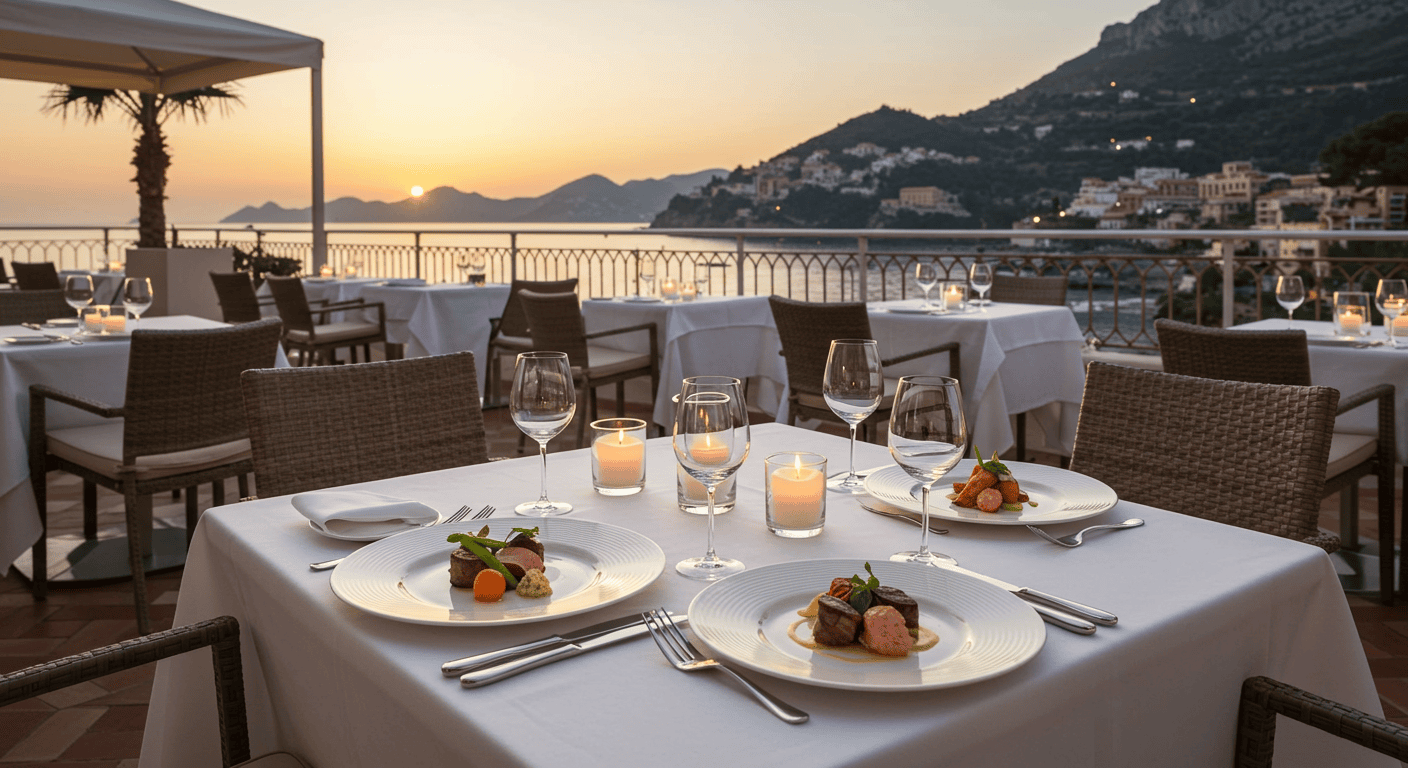
Best Restaurants in Split: Fine Dining, Local Gems & Where to Eat
Here is the thing that every glossy guide to Split somehow manages to avoid saying: the worst meal you will eat in this city will almost certainly be the one you eat closest to Diocletian’s Palace. Not because the restaurants there are catastrophically bad – some are perfectly decent – but because proximity to a UNESCO World Heritage Site has historically licensed a certain laziness with the menu and a certain boldness with the pricing. Walk ten minutes in any direction, ideally uphill or along the water away from the tour groups, and the city reveals an entirely different relationship with food. One that is unhurried, fiercely seasonal, and rooted in a Dalmatian culinary tradition that has been quietly excellent for centuries without needing anyone to notice.
Understanding the Split Food Scene
Split is not, in the conventional sense, a city that organises itself around restaurants. It is a city that organises itself around the table – which is a different thing entirely. Meals here are long, sociable, and treated as occasions in their own right rather than fuel stops between sightseeing. The Dalmatian coast has always fed itself exceptionally well: the Adriatic delivers fish and shellfish of rare quality, the hinterland provides lamb, game, and some of the most underrated olive oil in Europe, and the local wine regions – more on those shortly – are producing bottles that are finally getting the international attention they deserve.
The fine dining scene in Split has matured considerably over the past decade. There is now genuine ambition here, chefs who have trained internationally and returned with technique but retained their instinct for local ingredients. The city does not yet have a Michelin star restaurant, though several establishments have attracted Michelin Guide recognition – appearing in the guide as recommended addresses – and the direction of travel is clear. For the luxury traveller, this is actually a rather appealing moment to arrive. The ambition is evident. The prices have not entirely caught up with the ambition. This window will not stay open forever.
Fine Dining in Split: Where the Kitchen Takes Things Seriously
The upper tier of Split’s restaurant scene is anchored by a handful of kitchens that are doing genuinely interesting work with the Dalmatian larder. These tend to be characterised by tasting menus of five to eight courses, wine pairings that showcase Croatian producers, and a visual presentation that reflects how seriously chefs here have been watching what is happening in Copenhagen and San Sebastián – while being careful enough not to simply ape it.
What you will find at the best tables is a rigorous commitment to seasonal Adriatic produce: sea bass from the local waters treated with restraint and precision, Pag lamb – arguably the finest lamb in Europe, the animals grazed on wild herbs above the salt air – slow-cooked and served with an elegance that respects its heritage, and local shellfish preparations that put the imported stuff at lesser establishments firmly to shame. Black risotto made with cuttlefish ink is one of those dishes that appears on menus up and down the coast, but in the right kitchen it is genuinely revelatory. Order it wherever you see it looking properly black, not a hesitant charcoal grey.
Reservations at the serious end of the dining spectrum in Split are non-negotiable from June through September. Book before you arrive. Some of the most sought-after tables require contact weeks in advance during high season. The city has a relatively small number of excellent restaurant seats, and the tourist population in summer is considerable. Plan accordingly, or plan on disappointment.
Local Trattorias, Tavernas and the Art of Eating Like a Dalmatian
The backbone of eating well in Split is the konoba – the Dalmatian equivalent of a trattoria, though the word resists easy translation because a good konoba is as much a state of mind as a type of restaurant. Stone walls. A pergola with genuine old vines rather than the plastic decorative kind. A menu that reflects what arrived at the market that morning. A proprietor who will look faintly pained if you ask for ketchup.
These are the places where the city’s own residents eat, and finding them requires nothing more sophisticated than walking away from the obvious tourist corridors and following your instincts into the quieter neighbourhoods above the old town, or east along the Bačvice waterfront beyond the beach clubs. The cooking in a proper konoba is resolutely traditional: grilled fish priced by the kilo, slow-braised meat dishes, hand-rolled pasta with seafood, and bread that arrives warm with local olive oil that you will want to take home in industrial quantities.
Octopus deserves special mention. The Dalmatian preparation – slow-cooked, then finished to give it a gentle char, served with potatoes and a dressing of olive oil and herbs – is one of those dishes that makes you understand why people keep coming back to this coast. It appears everywhere, but the gap between a mediocre version and a masterful one is considerable. The masterful version has texture, depth, and a faint smokiness. The mediocre version is just expensive rubber. You will learn to tell the difference, possibly after making the mistake once.
Beach Clubs and Casual Dining with a View
The beach club scene along Split’s waterfront and on the islands immediately accessible by short boat ride has elevated considerably beyond the plastic sunlounger-and-overpriced-cocktail model that once dominated. There are now genuinely good kitchens operating in genuinely beautiful settings – grilled fish served on terraces directly above the water, fresh oysters arriving from Ston just up the coast, cocktail lists that have clearly been assembled by people who care about such things.
Bačvice beach, a short walk from the old town, anchors one end of the casual dining spectrum. It is lively, unpretentious, and considerably more authentic than anything directly adjacent to the palace walls. The further you venture along the Marjan peninsula – the pine-covered hill that forms Split’s western edge and provides its lungs – the quieter and more genuinely local the eating becomes. Small restaurants clinging to the rocks below the park, serving cold local beer and whatever the boats brought in, with views across the water that cost nothing on the bill.
For something more formally glamorous, the boat to Hvar, Brač or Šolta opens up possibilities entirely. Day trips to these islands for lunch – returning in the evening – are exactly as indulgent as they sound, and a villa concierge worth their salary will arrange private transfers to make the logistics invisible.
The Food Markets: Where to Understand a Place Before You Eat It
The Pazar market, immediately outside the eastern walls of Diocletian’s Palace, is one of those places that tells you more about a city in twenty minutes than three hours of guidebook reading. It operates every morning, it is entirely genuine, and it is the kind of market that makes you want to abandon your restaurant reservation and simply buy things and eat them standing up.
In summer, the produce is extraordinary: tomatoes with actual flavour, figs at various stages of ripeness, local cheeses including the famous Pag cheese (dry, sharp, slightly granular – not unlike a Pecorino but with its own distinct coastal character), smoked meats from the interior, and olive oil from small producers who will absolutely let you taste before you commit. This is where local chefs shop. Arriving early – before nine in the morning – means getting the best of it before the tourist wave arrives and the dynamic shifts slightly.
There is a fishmarket adjacent to the Pazar that operates on a similar schedule and deserves its own visit. The quality and variety of what comes out of the Adriatic is best appreciated here, in the form of things still visibly fresh, before it disappears into restaurant kitchens. It is educational in the best possible sense.
What to Drink: Croatian Wine and the Local Spirits Worth Knowing
Croatian wine has been receiving international attention in inverse proportion to the pace at which most wine drinkers have updated their mental map of wine-producing countries. It remains, in other words, significantly underappreciated – which is wonderful news for anyone eating and drinking in Split right now.
The key grape to know on the Dalmatian coast is Plavac Mali, a red variety grown on steep, sun-baked terraces above the sea, particularly on the Pelješac peninsula. At its best – and at its best it is genuinely impressive – it produces wines of considerable structure and depth, with dark fruit, dried herb notes, and a mineral quality that makes sense when you understand the soil it comes from. Dingač is the most prestigious appellation; bottles bearing that designation are worth seeking out specifically.
For white wine, Pošip and Grk are the native varieties that reward attention. Light, dry, with a citrus and stone fruit character and the kind of salinity that makes them almost algorithmically correct alongside Adriatic seafood. A good restaurant will offer both by the glass; a great one will have a list deep enough to explore the differences between producers.
Locally, two drinks complete the picture. Rakija – the fruit brandy that functions as Croatian social cement – arrives unbidden at the end of meals in the better konobas, and refusing it is technically allowed but may affect the warmth of your welcome. Prosek is the local dessert wine, sweet and amber-coloured, made from dried grapes, and far more interesting than the name suggests to anyone who has suffered through a disappointing Prosecco. They are not related. The similarity is only orthographic and entirely coincidental.
Hidden Gems and Neighbourhoods Worth Seeking Out
The neighbourhood of Varoš, immediately above and behind the palace complex, has the highest concentration of genuinely good eating relative to tourist footfall of anywhere in the city. The streets are steep, the buildings are old in an unrestored way that feels entirely real, and the restaurants here tend to serve the kind of food that nobody is performing for anyone. There are small terraces built improbably into the rock, candles in wine bottles, and menus that change because the ingredients change. These are the tables you will remember.
Eastward, beyond the main tourist infrastructure, the city becomes itself again in a way that is worth the twenty-minute walk. Neighbourhood restaurants here price for locals, cook for locals, and are consequently rather wonderful. A willingness to wander – and to eat somewhere that has no English translation of its sign – is rewarded disproportionately in Split.
For something approaching a hidden institution: the small delicatessens and specialty food shops around the market area stock local products – honey, olive oil, wine, dried figs, Pag cheese – that represent both excellent eating and considerably better souvenirs than anything available in the palace souvenir shops. The smoked ham from the Dalmatian hinterland, in particular, is the kind of thing you will think about for years.
Reservation Tips and Practical Advice for Eating Well in Split
A few pieces of practical intelligence, delivered without condescension. High season in Split runs from late June to early September, and during this period the best restaurants fill up very quickly – within days of their booking windows opening in some cases. If you have specific tables in mind, contact them before you travel. Most of the better establishments now have online booking, some have English-language websites, and all will respond to a politely worded email in English.
Lunch, in Dalmatia, is the serious meal of the day. Many of the best kitchens are slightly more relaxed at lunch, occasionally more affordable, and – this is the real secret – the service tends to be less pressured than in the evening rush. A long lunch on a terrace in Split, starting at around one in the afternoon and ending whenever the conversation and the wine decide, is one of the genuinely civilised pleasures this city offers. Embrace it without apology.
Tipping is appreciated but not obligatory in the anxious way it is in some countries. Ten percent is generous and well-received. Arriving on time for reservations is considered polite. Asking the server what is good today, rather than simply working through the menu, will almost always result in better food.
Finally: the olive oil on the table in any restaurant worth its salt will be good. The bread, wherever it is homemade, will be better than you expect. Start with both. Set your pace accordingly. Eating in Split is not an activity to be hurried.
Staying in a Luxury Villa: The Private Chef Difference
For all the excellence available in Split’s restaurants, there is a version of dining here that exceeds even the best table in the city – and that is eating on the terrace of your own luxury villa in Split, with a private chef who has spent the morning at the Pazar market and is cooking exclusively for your group. No other table. No other menu. Just Dalmatian produce at its seasonal peak, prepared to a standard that reflects both professional training and genuine local knowledge, served at your own pace, in your own setting, with whatever wine you feel like opening.
It is, if we are being honest, an exceptionally good way to eat. The restaurants of Split are worth exploring thoroughly – and this guide exists precisely for that reason – but the private chef experience in a villa with a pool above the Adriatic is its own distinct category of pleasure. Both things can be true. They are.
For everything else you need to know about planning your time here, the full Split Travel Guide covers the city in the detail it deserves.


